jfergusonphotos / Shutterstock.com
Eric Heroux / Shutterstock.com
Nejdet Duzen / Shutterstock.com
Joseph Sohm / Shutterstock.com
jfergusonphotos / Shutterstock.com
Bloodberry / Shutterstock.com
Sean Pavone / Shutterstock.com
FiledIMAGE / Shutterstock.com
Jimack / Shutterstock.com
CreativeStudio79 / Shutterstock.com
Ivelin Denev / Shutterstock.com
10 U.S. Towns That Refuse to Change With the Times
America loves progress. Unfortunately, progress usually means tearing down everything interesting. From bulldozing historic districts to make room for superhighways, to merging small towns into endless strings of strip malls, America has been on a frenetic streak of structural facelifts for decades.
We’ve spent decades trading character for convenience and local identity for a coat of fresh paint. Luckily, a select few towns somehow managed to fly below the radar of urban planners and developers, keeping their historic identity intact to the point where many of them have not changed much at all over the last 50, 100, or even 150 years. They've also escaped the cultural homogenization that turned so many once-distinct American towns into carbon copies of each other.
No chain store or hotel muscling onto the quaint Main Street, and definitely not replacing that old historic inn dating back to the Civil War. Just the town you left behind in high school.
Mackinac Island, Michigan
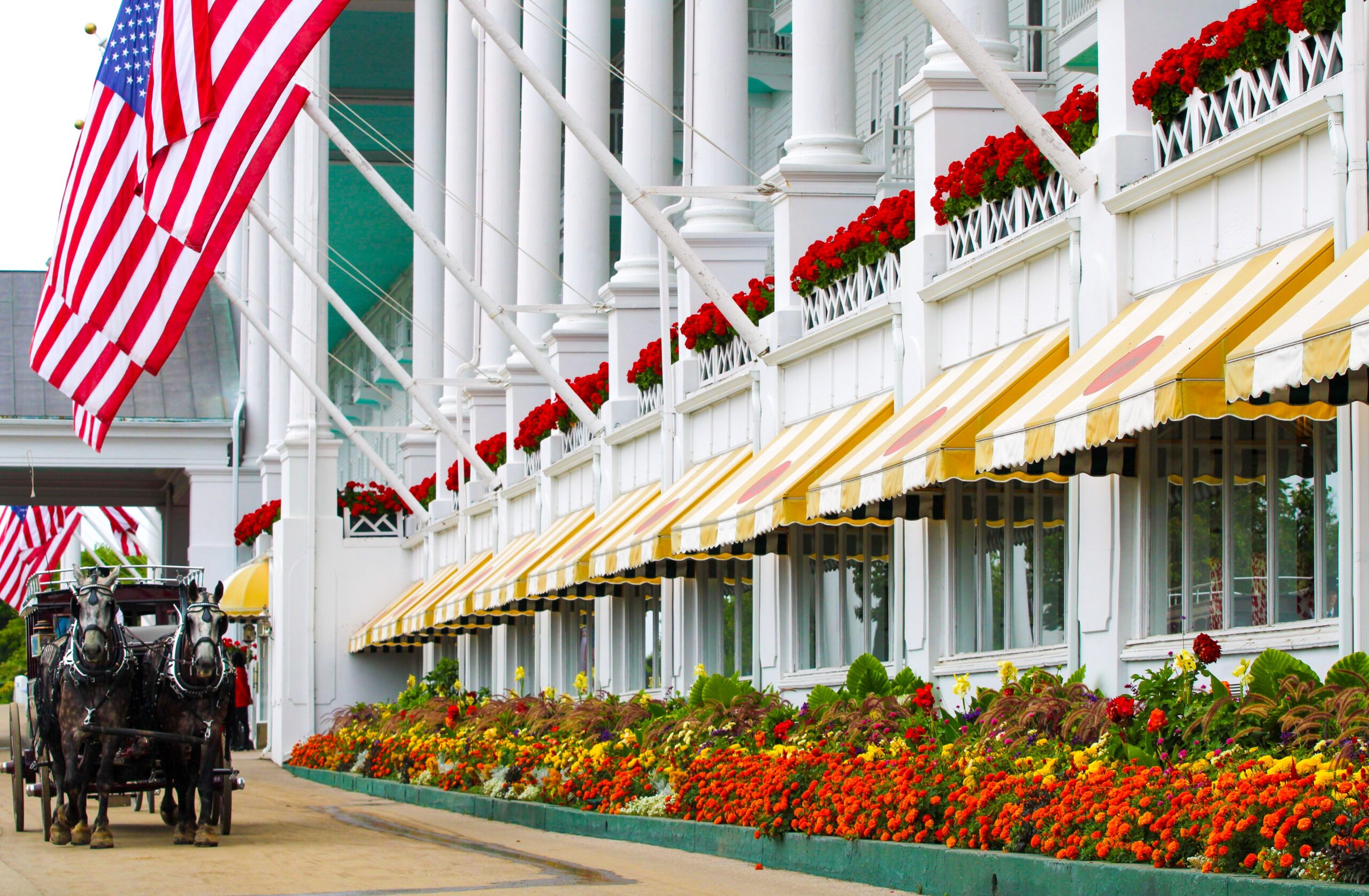
The first "horseless carriage" appeared on the island in 1898, but it frightened the horses, so carriage operators went to the village council, which passed a total ban on motorized vehicles. The ban was extended island-wide by 1901 and by 1960 had been incorporated into state law. Currently, there are no cars allowed in this 500-person village. Residents get around on foot, by bike, or by horse carriage.
The Grand Hotel, built in 1887 with the longest front porch in the world at 660 feet, still greets guests the same way it did in the Victorian era and maintains its rigorous dress code. Chain hotels and fast-food restaurants are also banned island-wide, keeping the whole place as old-fashioned as the Grand Hotel itself.
Galena, Illinois
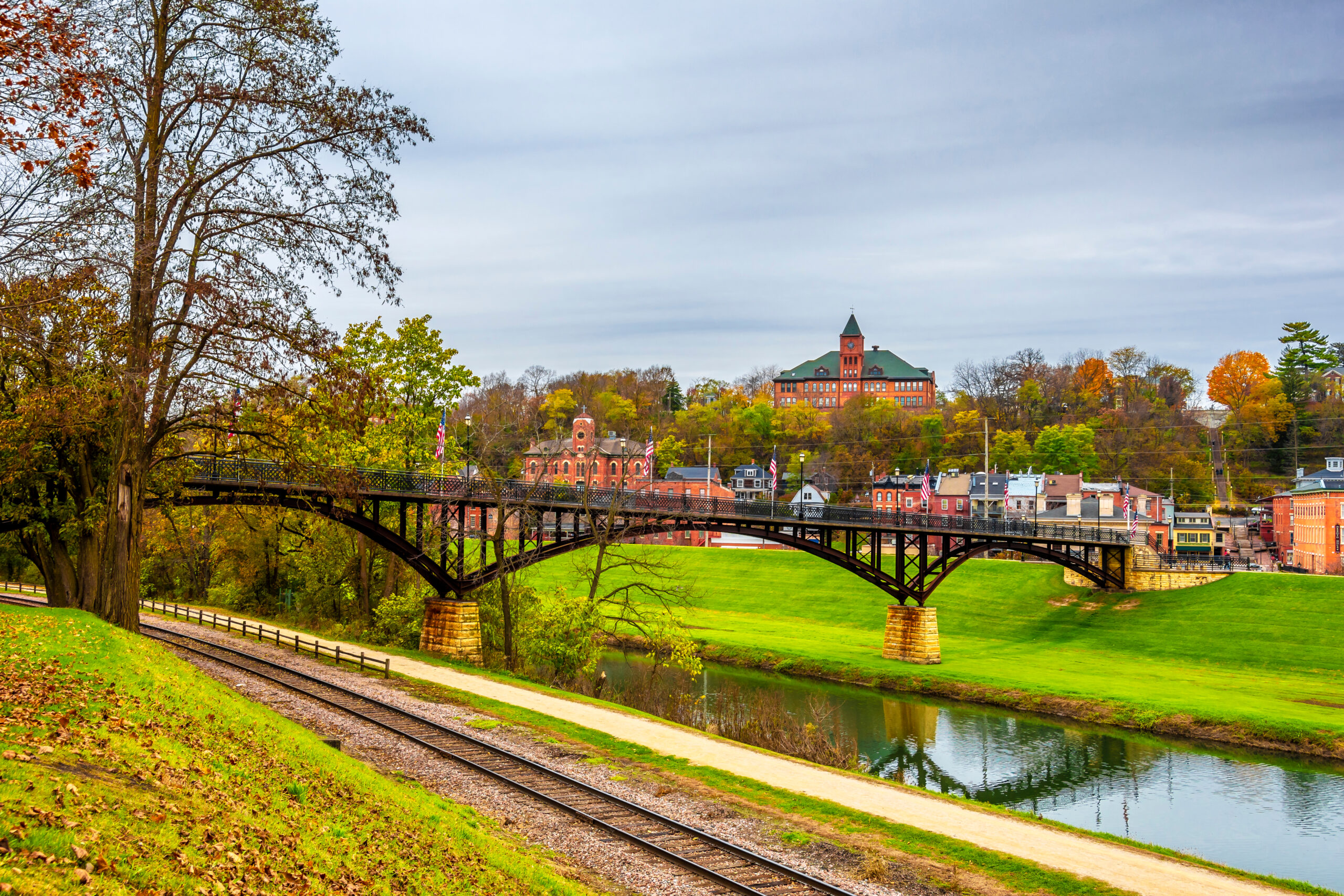
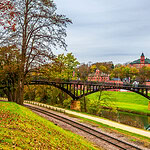
When lead mining was at its peak in the early 19th century, Galena was one of the most prosperous cities in the Midwest, even surpassing Chicago for some time. But once the lead ran out and the railroad companies changed their routes, Galena didn’t have much going on. That same stillness actually made the city into what it is now. Since there was no rush to rebuild, the brick storefronts and Federal-style mansions from the 1840s and 1850s were left untouched.
Today, around 85 percent of the buildings in Galena belong to the National Register of Historic Places, and the home Ulysses S. Grant lived in before the Civil War is still standing and open for tours.
Ferndale, California
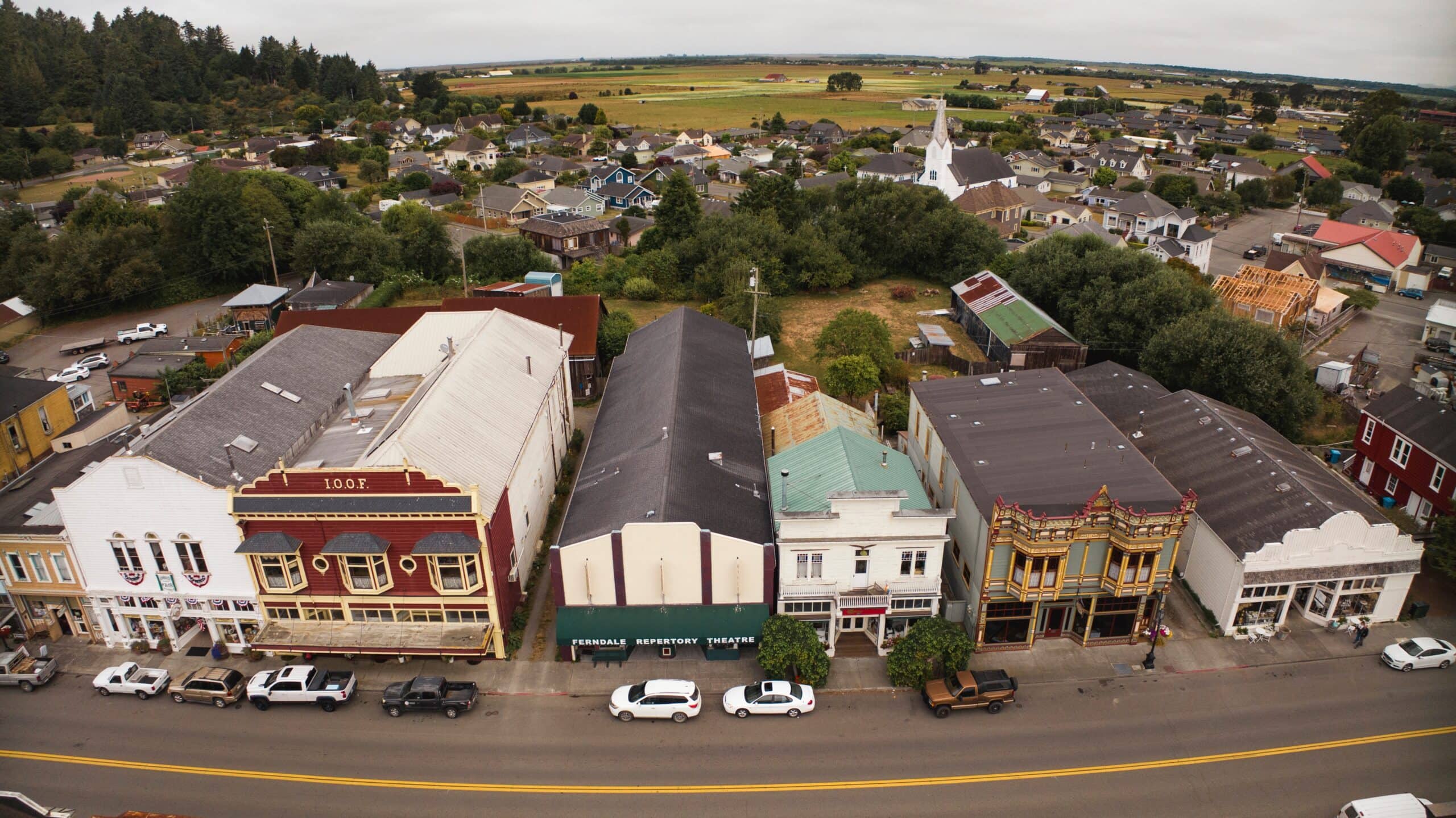
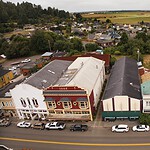
Located five miles off Highway 101 in Humboldt County, Ferndale was established in 1852 and became prosperous through the dairy industry. These wealthy immigrant families operating the dairy farms in the late 1800s channeled their money into elaborately decorated Victorian houses to such an extent that the residents called them "Butterfat Palaces." The houses have been preserved along with the rest of Ferndale, which is now a California Historical Landmark. The dairy business is still operational in the area, giving it something other preserved towns often lack: a working economy that doesn't depend entirely on people coming to look at the pretty buildings.
Wallace, Idaho
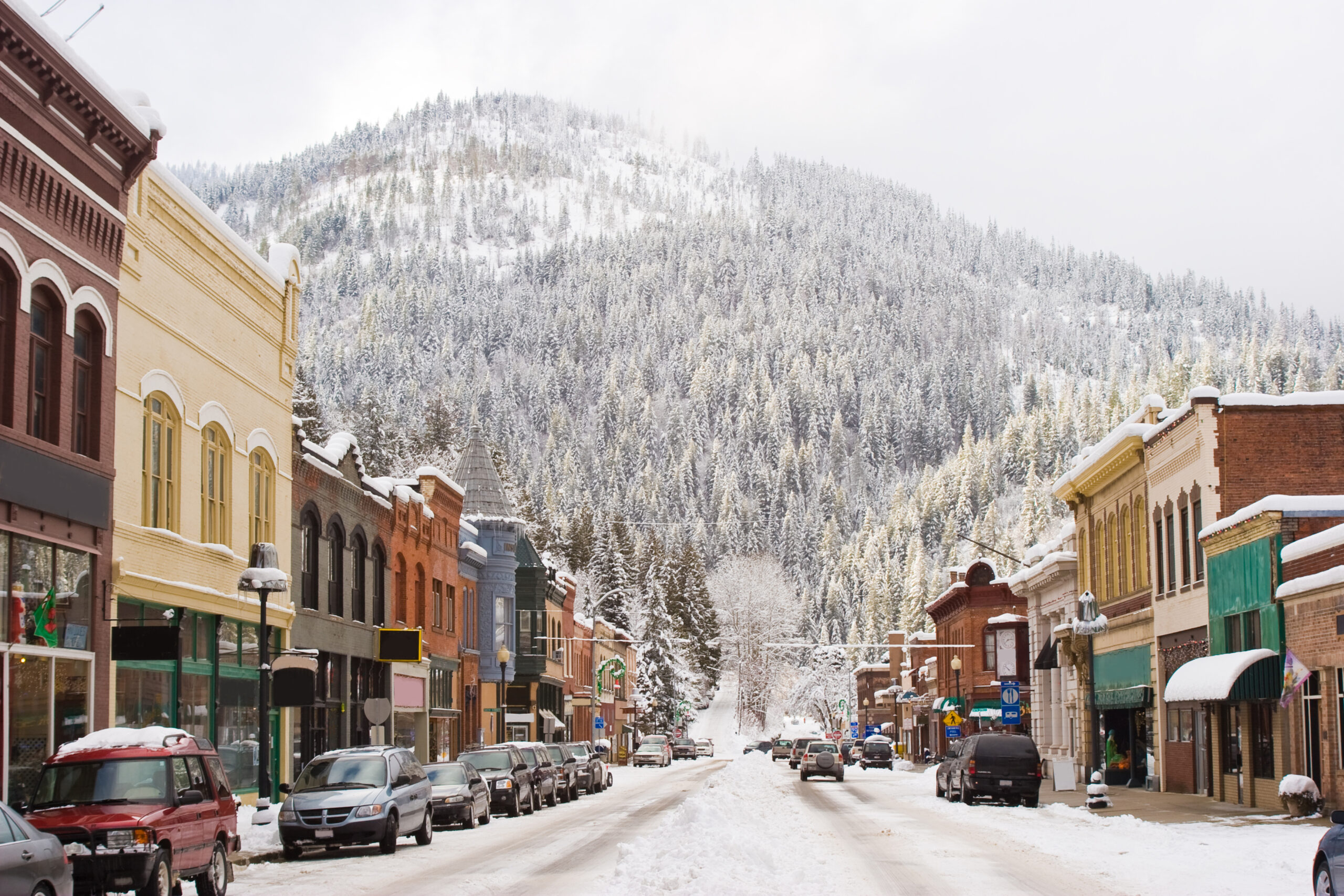
Wallace is a tiny silver mining town in the Idaho panhandle whose entire town center is listed on the National Register of Historic Places. Every single building is a piece of history. After a devastating fire in 1910 destroyed much of the town, it was reconstructed using nothing but bricks. When Interstate 90 was extended through the region, the locals didn't cave. A citizen-led legal fight forced the federal government to reroute the highway entirely rather than bulldoze the historic core.
Bisbee, Arizona
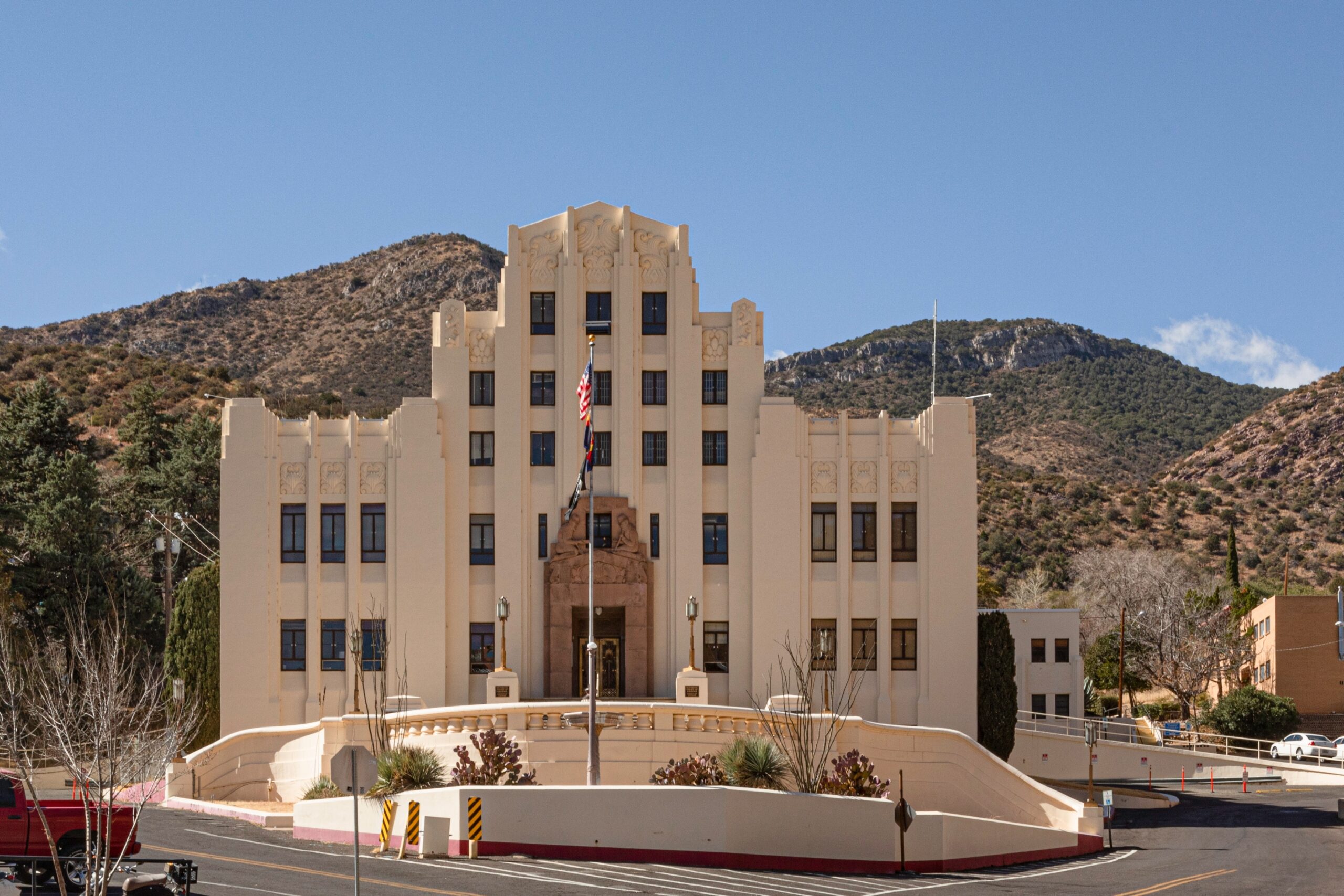
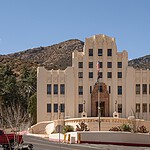
The copper mining operation in Bisbee proved to be among the most productive in America’s history, and Bisbee thrived from it well into the early 20th century. But when copper prices began dropping, the mines began to shut down. Instead of tearing things down and starting again, the people stayed and held onto what they had. The iconic Copper Queen Hotel has continued to run since its opening in 1902. Bisbee feels like a mining-era town because it still is one.
Woodstock, Vermont
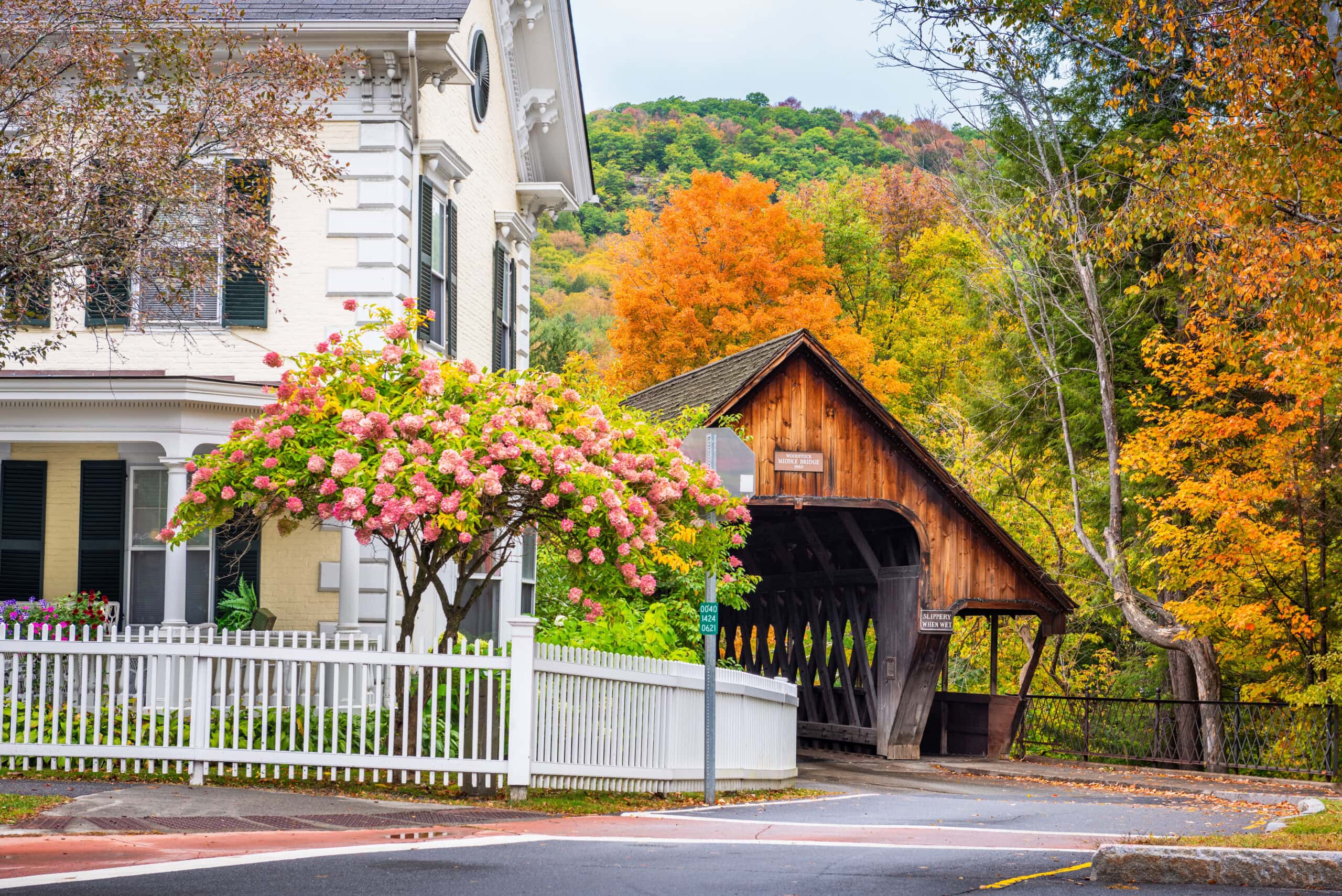
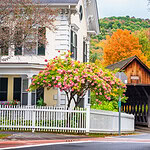
Vermont was the first state to outlaw billboards, with a statewide ban taking effect in 1968. Woodstock embodies that same resistance when it comes to the visual and commercial sprawl that transformed so many American towns. Federal and Georgian-style homes dating back to the early 1800s line the central village green. The National Trust for Historic Preservation has designated three historic districts in various parts of town, and the Rockefeller family made a long-term investment in preserving both the architecture and the surrounding farmland.
No billboards or big chain stores here. What you will find looks remarkably close to what it looked like 200 years ago.
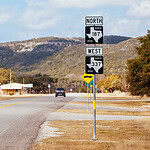
Bandera, Texas
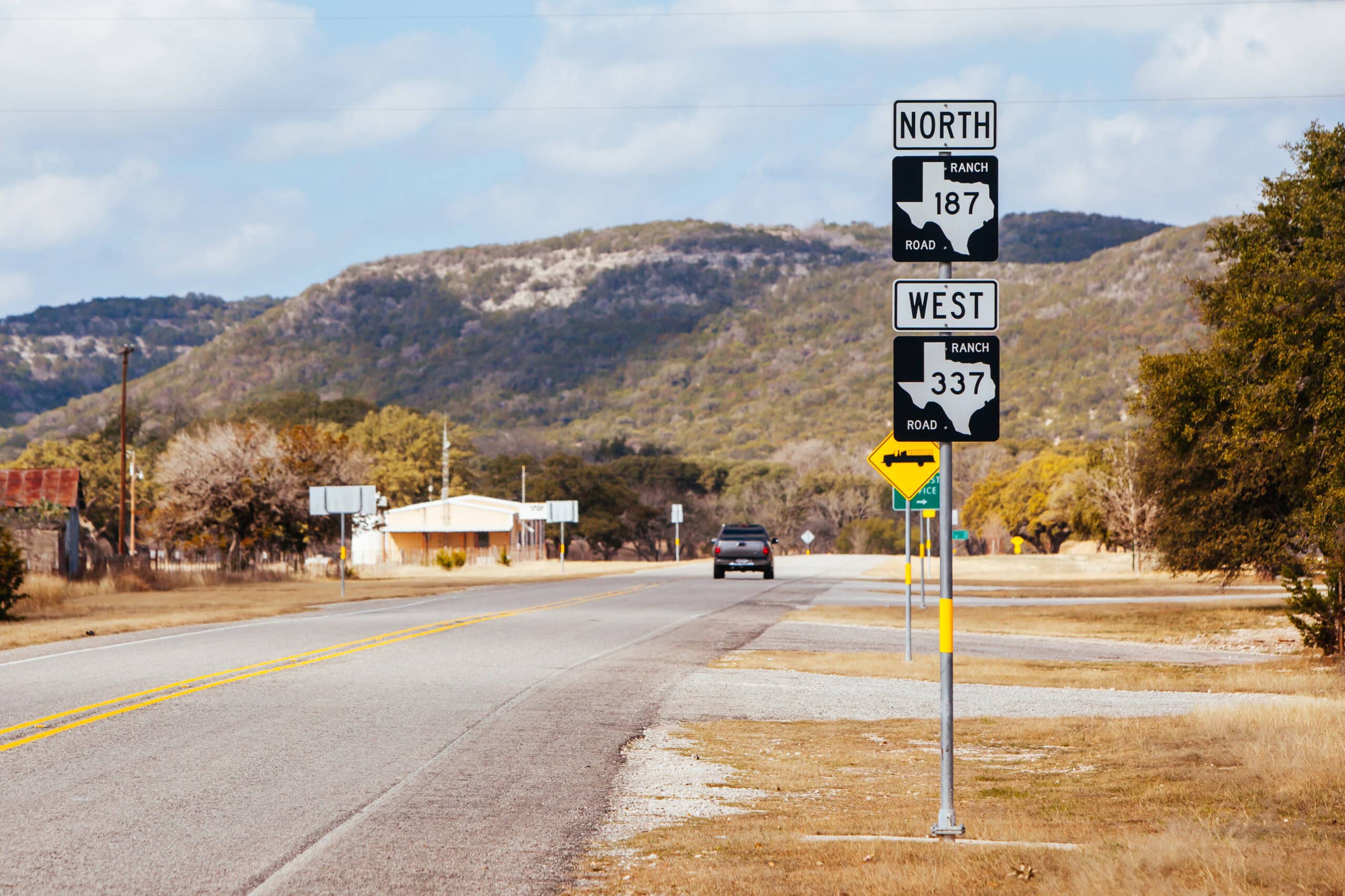
Bandera is known as the Cowboy Capital of the World, and it wears that title proudly. The Hill Country town located 50 miles northwest of San Antonio has remained home to traditional ranchers despite being surrounded by decades of suburban development. The image that Hollywood spent decades recreating is something that locals live out every day of their lives. Cowboys still ride horses on the main road, and visitors who arrive expecting a theme-park version of the Old West are met with the real thing.
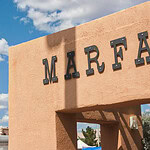
Marfa, Texas
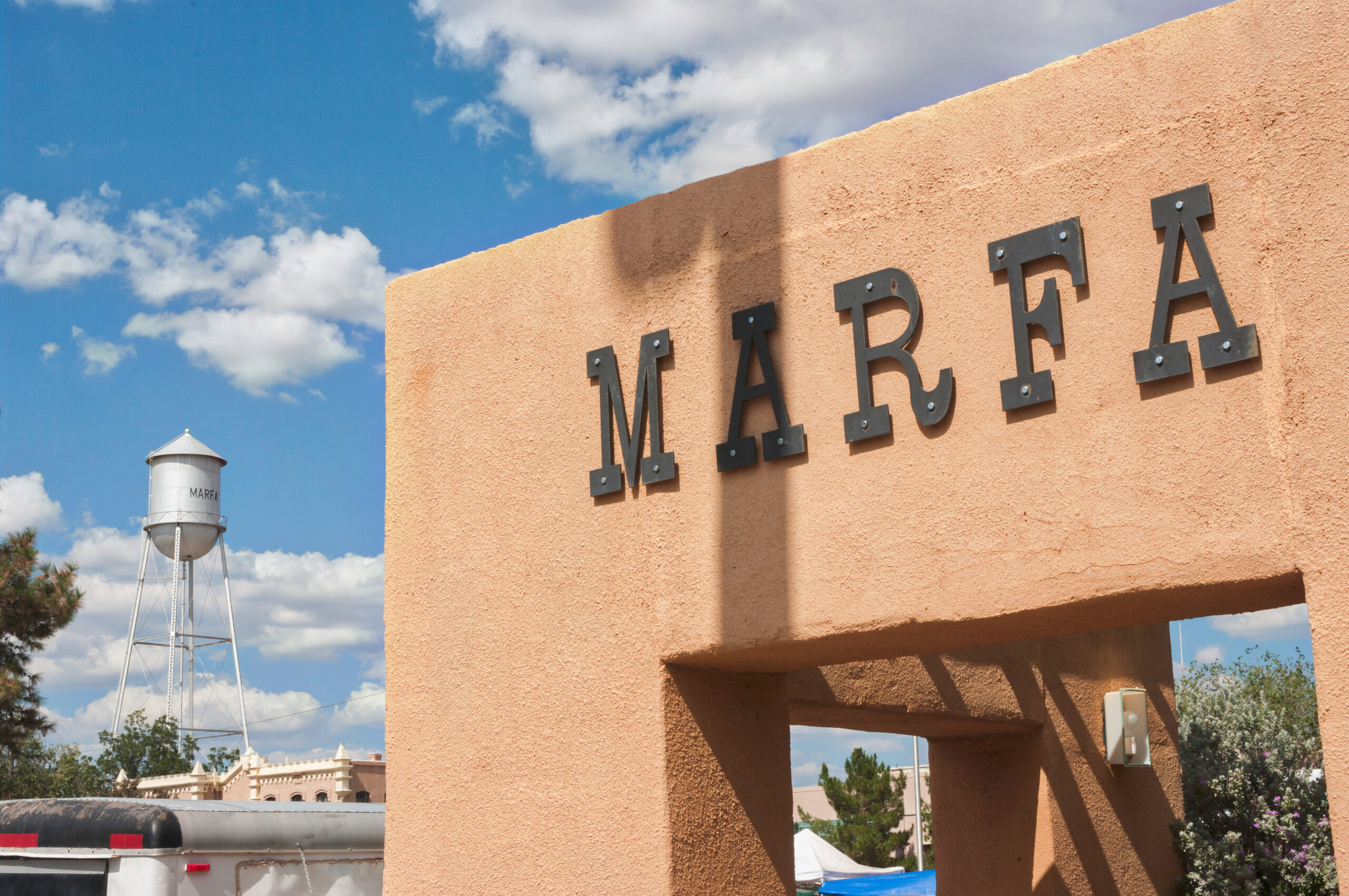
Marfa spent most of its history as a quiet railroad stop in the West Texas desert, and even after minimalist sculptor Donald Judd arrived in 1971 and turned it into an unlikely art destination, the town refused to give up its identity. There is still only one traffic light in the whole town, the old adobe storefronts are still there, and the landscape is still the same flat desert stretching to the horizon in every direction. The town's deliberate resistance to outside development kept Marfa from being polished into something generic.
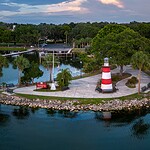
Mount Dora, Florida
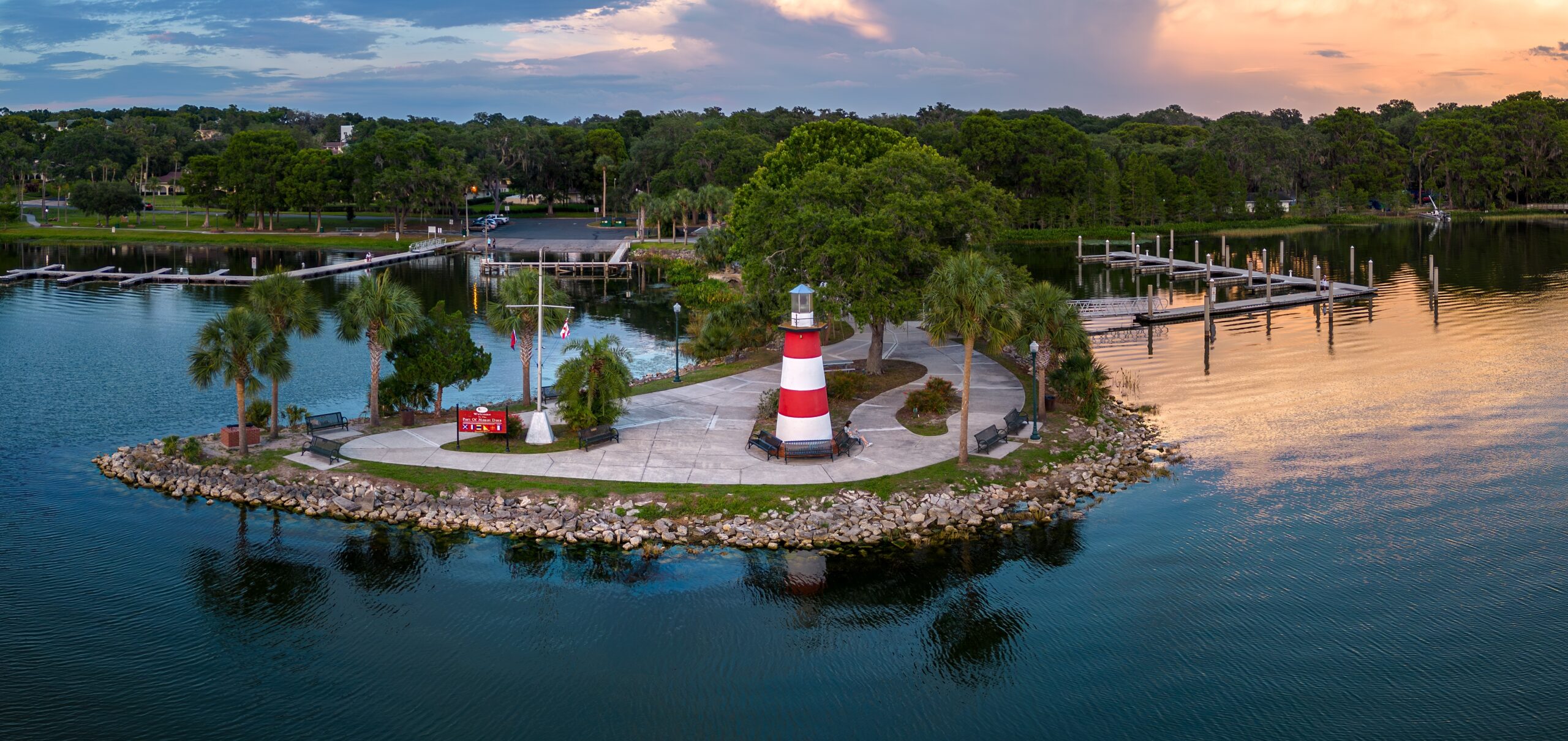
The state of Florida is not known for preservation, which makes Mount Dora an outlier. This quaint lakeside city, about 30 miles northwest of Orlando, has managed to keep its character in spite of all odds. There are no chain hotels or franchise restaurants within the central district of Mount Dora, and Victorian buildings are a frequent sight near the edge of the lake.
A famous yearly antique fair has ensured that this city has a vibrant local economy, without needing big brands to attract customers. In a region where the default development model consists of strip mall followed by strip mall, the fact that Mount Dora is still holding the line gets more impressive every year.
Bardstown, Kentucky
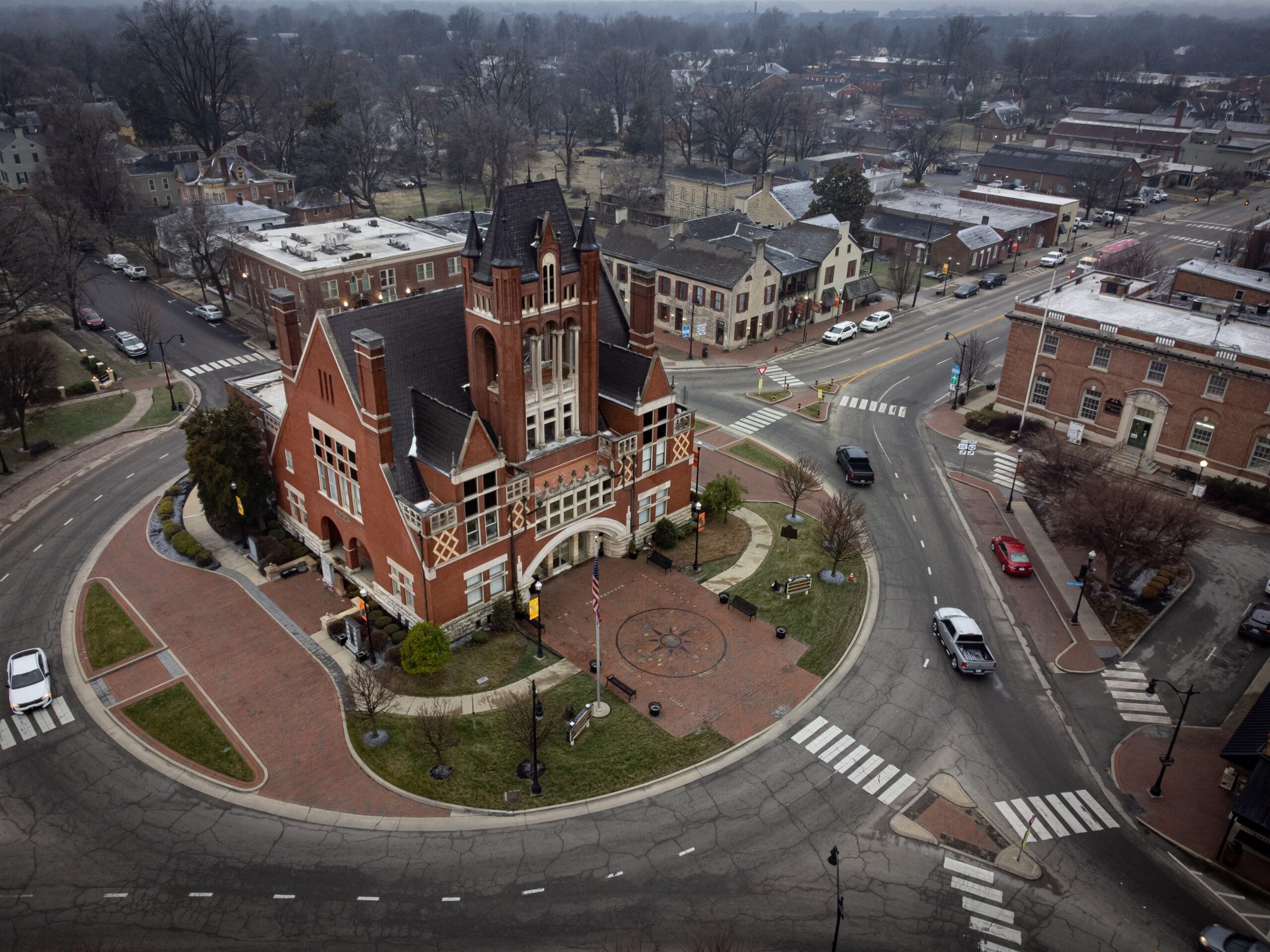
Founded in 1788, Bardstown is among the earliest towns established west of the Appalachians. Its downtown looks closer to the 19th century than to a modern town. Federal and Greek Revival architecture is the standard here, and while the bourbon industry has brought new attention to the town, it didn’t change its historical character one bit.
My Old Kentucky Home State Park centers on Federal Hill, a mansion Judge John Rowan built in the late 1700s that inspired Stephen Foster's famous state song. It anchors the town's identity to its past in a way that makes wholesale redevelopment a hard sell.