Courtesy of New World Pictures

Courtesy of United Artists
Courtesy of United Artists
Public Domain / Wikimedia Commons
Keystone / Hulton Archive via Getty Images

Keystone / Hulton Archive via Getty Images

Evening Standard / Hulton Archive via Getty Images
henry14lb / Shutterstock.com
Public Domain / Wikimedia Commons

Courtesy of Limelight International


10 Historical Icons Who Were Once Prisoners of War
Many well-known figures endured extraordinary hardships long before they became famous. Some faced the unimaginable, captivity in prisoner-of-war camps, yet survived with resilience that would later define their lives and legacies.
Before fame, these individuals served in the U.S. military, endured brutal conditions, and still went on to earn recognition in fields as varied as film, politics, and literature.
To compile this list of notable people who were once POWs, 24/7 Tempo drew on sources including IMDb, History Hit, the National WWII Museum, Biography, and Britannica.
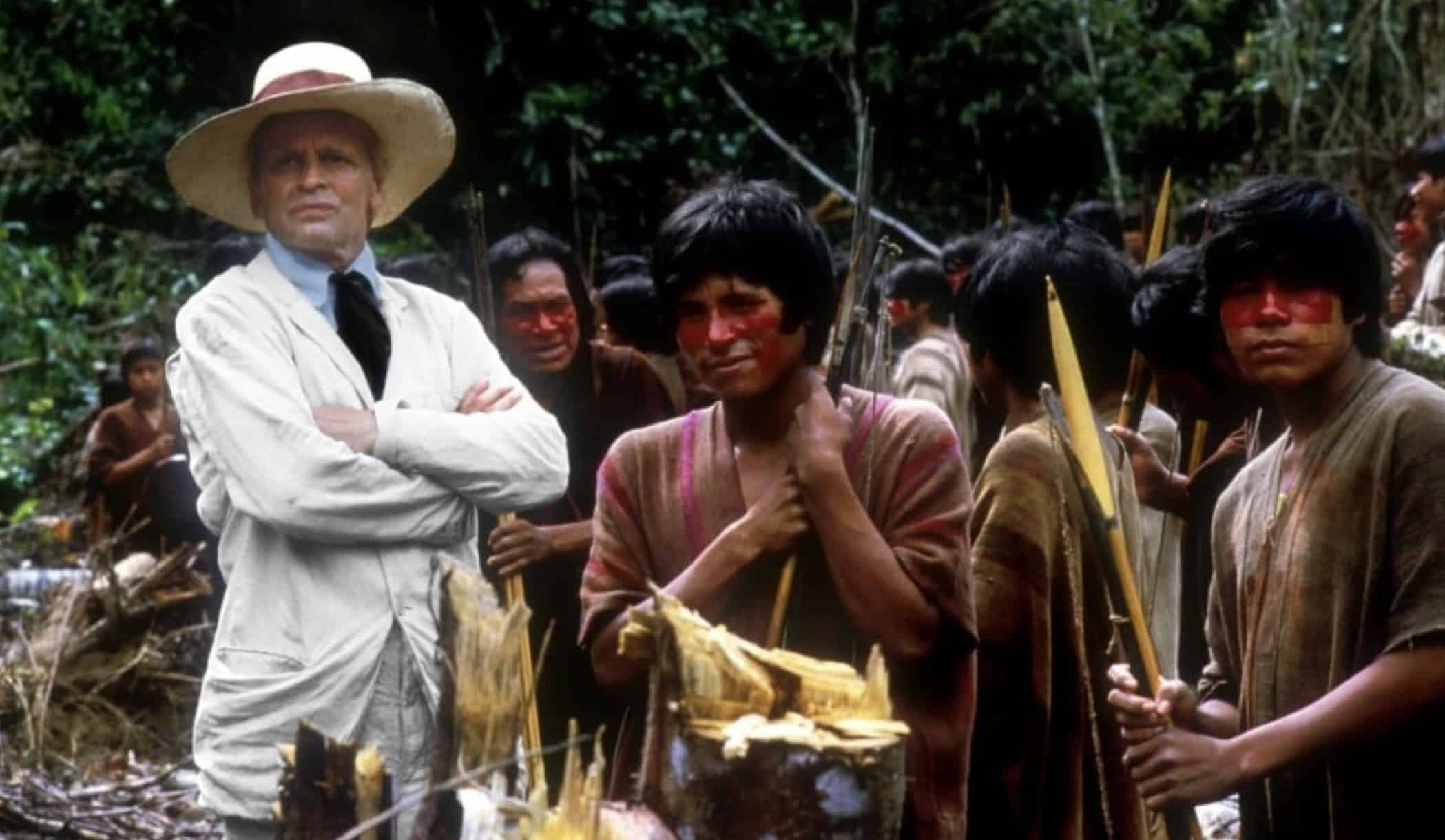
Klaus Kinski
Serving as something of a vengeful muse for famed director Werner Herzog, German actor Kinski is best known for his intense performances in movies like "Fitzcarraldo," "Aguirre, the Wrath of God," and "Nosferatu the Vampyre." An agent of chaos on and off the screen, Kinski was also a prisoner of war in World War II.
Before he rose to prominence, he enlisted in the German Wehrmacht at age 16 (some sources say 17). On just his second day of combat, Kinski was shot in the arm and captured by the British Army in the German-occupied Netherlands. He was transferred to a prisoner-of-war camp in Colchester, Essex, where he got his first taste of acting, performing in variety shows that aimed to raise the morale of the German prisoners.
Donald Pleasence
Beginning his career as a stage performer in London's West End, Pleasence would become best known for his performances in the BBC's adaptation of "Nineteen Eighty-Four," "The Great Escape," the James Bond movie "You Only Live Twice," and, in later years, several "Halloween" films.
Before his rise to fame, Pleasence was a volunteer member of the Royal Air Force in World War II. As an aircraft wireless operator in Bomber Command, he flew nearly 60 raids against the Axis Powers before his plane was shot down in Agenville, France. He was captured by German forces and imprisoned in the prisoner-of-war camp Stalag Luft I, where he produced and acted in plays intended to keep up the spirits of fellow Allied prisoners of war.
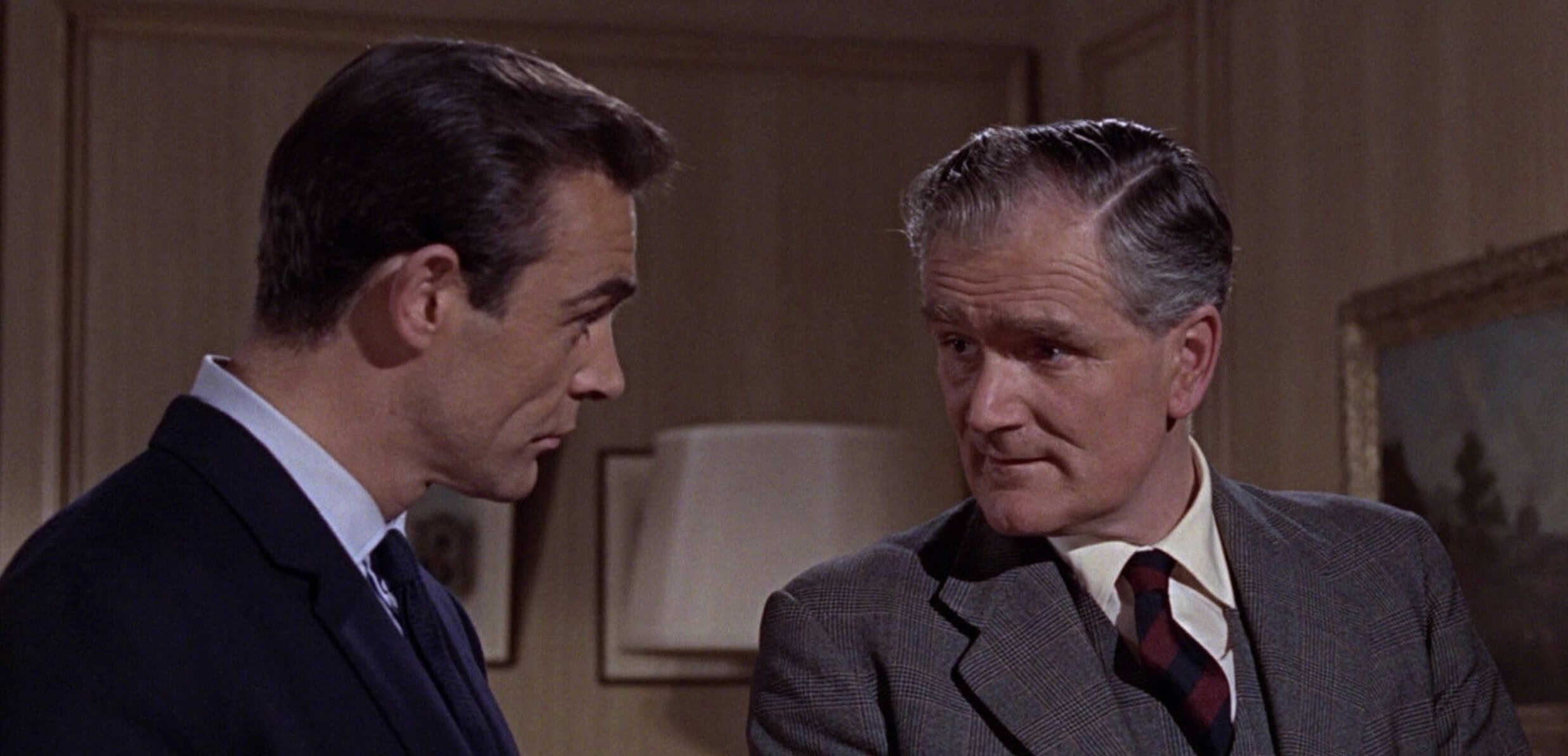
Desmond Llewelyn
Welsh-born Desmond Llewelyn was already an actor at the Royal Academy of Dramatic Art when he was commissioned as a second lieutenant in the Royal Welsh Fusiliers at the onset of World War II, putting his career on hold to fight for his country. In 1940, he was captured while his unit was fighting an entire German Panzer division in the French city of Lille and spent the remainder of the war in various German prisoner-of-war camps.
Laufen was the first camp he was sent to, where he attempted and failed to escape by digging a tunnel. He then spent the remaining time at Colditz Castle. Throughout his career, he acted in several stage and film productions but is best known for his role as Q in seventeen James Bond films.
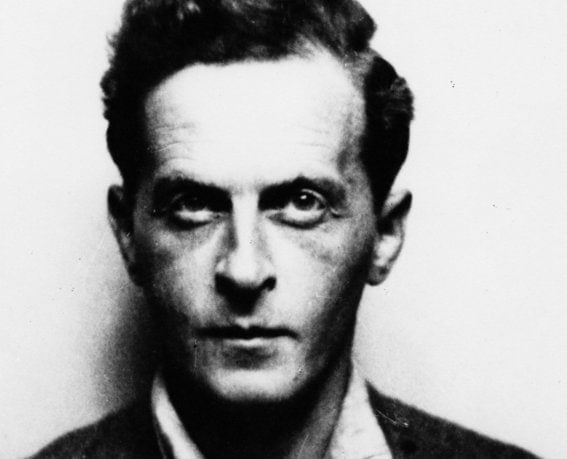
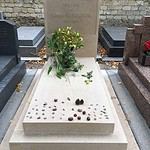
Ludwig Wittgenstein
Born into a wealthy noble family in Austria, Ludwig Wittgenstein taught at the University of Cambridge, where he gained fame through his groundbreaking works of philosophy, the "Tractatus Logico-Philosophicus" and "Philosophical Investigations." Before all this, however, Wittgenstein was a decorated soldier and prisoner of war.
Wealthy people were typically exempt from service, but Wittgenstein volunteered for the Austro-Hungarian army at the onset of World War I, where he was posted to the front line of the Russian Front. ( He earned numerous awards for his bravery under fire, including the Silver Medal of Valour.) In 1918, Wittgenstein was captured by Italian forces, and throughout the year, he was placed in various Italian prisoner-of-war camps. Here, he first began his groundbreaking work, the "Tractatus Logico-Philosophicus."
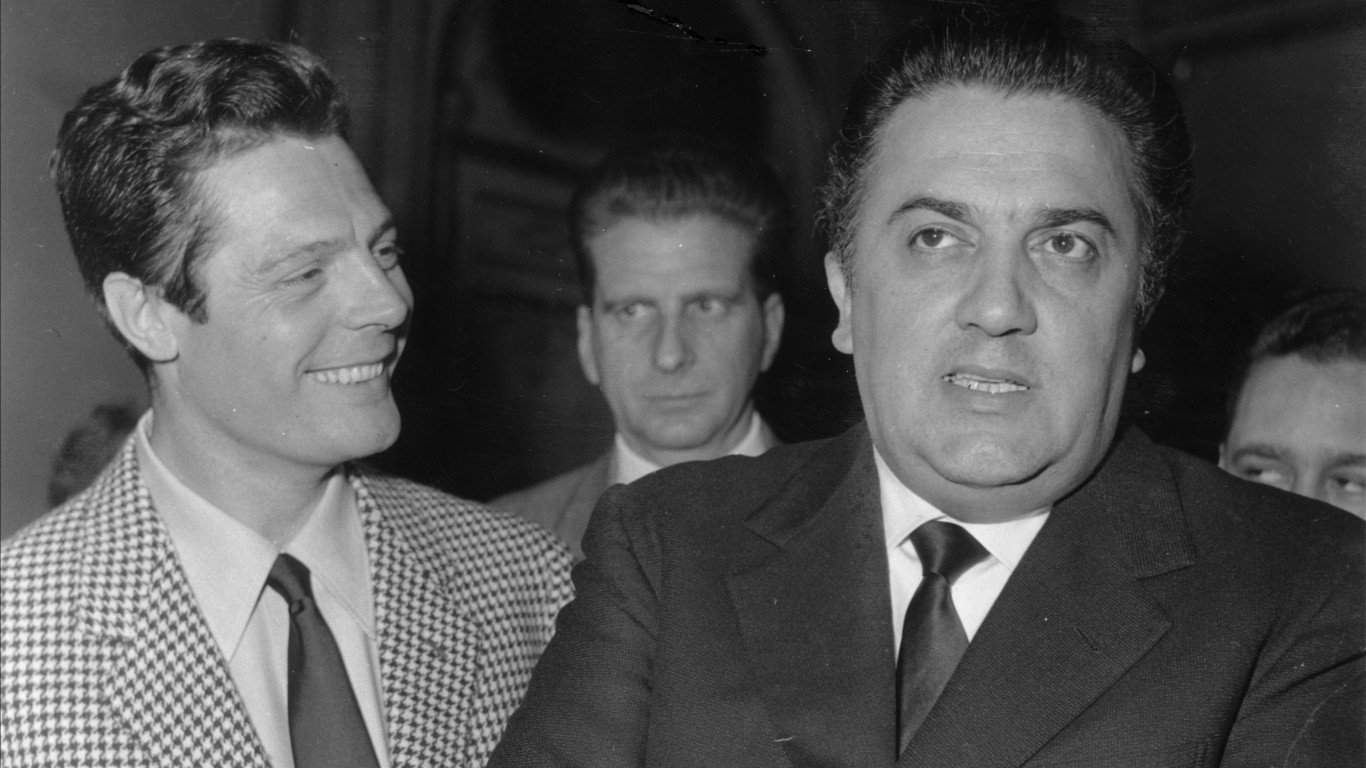
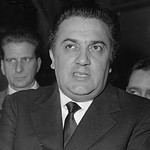
Marcello Mastroianni
Marcello Mastroianni was an actor in the 1930s and 40s, and had his breakthrough performance in "Big Deal on Madonna Street." He would earn his fame with roles in classic films like "La Dolce Vita" and Fellini's groundbreaking "8 1/2." Mastroianni would earn two BAFTA awards and two Golden Globe Awards.
But before his rise to fame, Mastroianni was a humble draftsman in Italy during World War II. While working one day, he was seized by German troops and taken to a labor/prisoner-of-war camp in Northern Italy. The camp was loosely guarded, and Mastroianni managed to escape to Venice, where he kept a low profile till the end of the war.
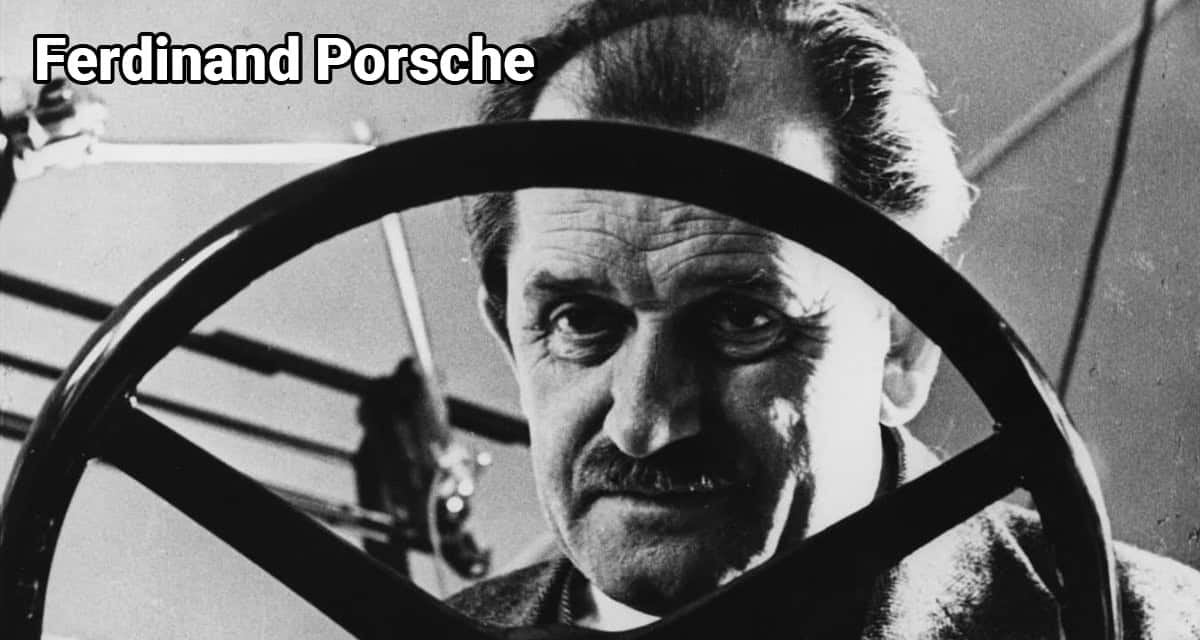
Ferdinand Porsche
An automotive engineer and founder of Porsche AG, Ferdinand Porsche is best known for creating the Volkswagen Beetle and the Mercedes-Benz SS/SSK. He also achieved notoriety for inventing the Lohner-Porsche Mixte, the first electric gasoline hybrid vehicle.
But Porsche was a member of the Nazi Party and an important contributor to the German war effort during World War II. As a result, he ran afoul of Allied forces at the war's end and was arrested by the French government as a war criminal. He would spend time in Baden-Baden before being transferred to Paris and then Lyon.
Denholm Elliott
English actor Denholm Elliot first rose to prominence in several stage performances, but it wasn't until his breakout role in the 1966 film "Alfie" that his star became even bigger. Elliot would go on to star in classic films like "Trading Places," "A Bridge Too Far," and "Indiana Jones and the Last Crusade," and he won three BAFTA Awards.
But before his acting career took off, Elliot was an air gunner in the Royal Air Force during World War II. During a raid on U-boat pens in Flensburg, Germany, his plane was hit by flak and ditched in the North Sea. German forces quickly captured him and four of his crewmen. He was imprisoned in Stalag VIII-B till the end of the war.
During his confinement, he took part in amateur stage performances that were so successful that he wound up touring various POW camps doing a rendition of Shakespeare's "Twelfth Night."
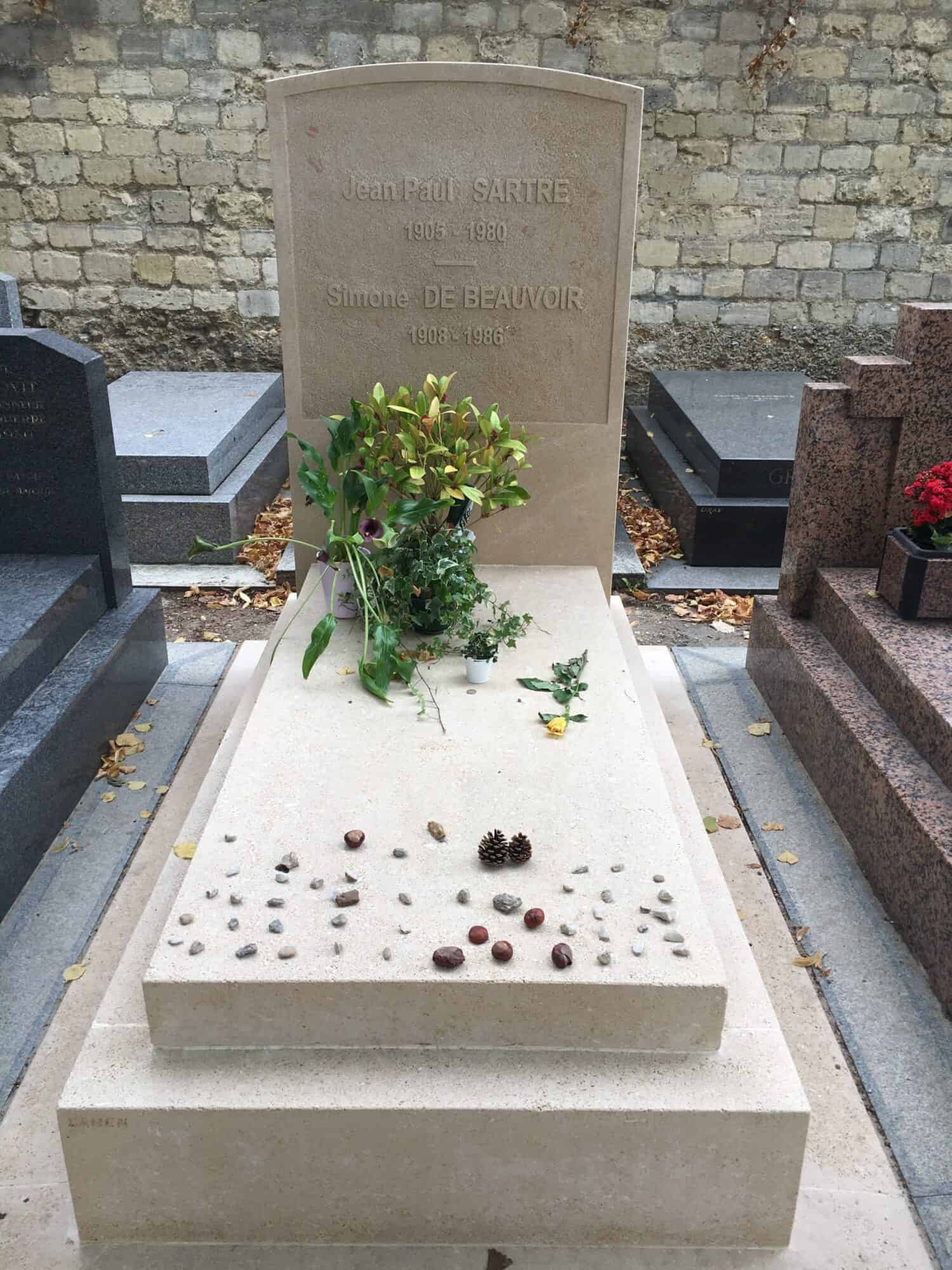
Jean-Paul Sartre
Famed dramatist, writer, and philosopher Jean-Paul Sartre was considered one of the eminent existentialist philosophers of the 20th century, and is best known for his novel "Nausea," as well as the groundbreaking works of philosophy "Being and Nothingness" and "Existentialism is Humanism." He was awarded the Nobel Prize in Literature in 1964, but famously declined the honor.
It was during World War II that Sartre was drafted into the French army, where he served as a meteorologist, when in 1940, he was captured by German troops in Padoux, France. Sartre was then imprisoned in various POW camps, including Stalag XII-D, where he first read the philosophical work of Martin Heidegge,r which would greatly inspire his future works.
It isn't clear how he earned his freedom. Some say he was released in 1941 due to poor health, while others say he escaped during a doctor's visit.
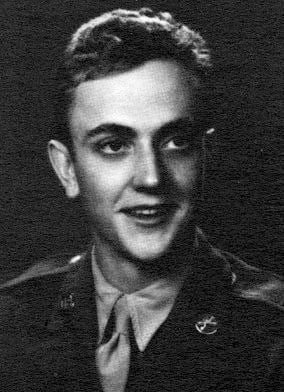
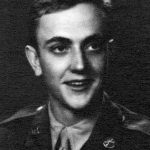
Kurt Vonnegut
Novelist and humorist Kurt Vonnegut is best known for his genre-bending, reflective novels like "Player Piano," "Welcome to the Monkey House," and most notably, "Slaughterhouse-Five." But before his rise to prominence, he was in World War II where he was an intelligence scout sent to the front lines.
During the Battle of the Bulge, Vonnegut, along with fifty other soldiers, was captured and transferred to a camp near Dresden, Germany, working in a slaughterhouse-turned-factory making malt syrup. His experiences would later inform his most important novel, "Slaughterhouse-Five."
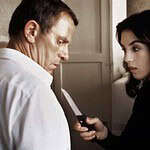
Heinz Bennent
Actor Heinz Bennent was born and raised in Stolberg, Germany, and had an acting career that spanned nearly five decades. He is best known for his roles in films like "The Net," "The Last Metro," "Possession," and "Tears of Stone." Before his extensive acting career, he was drafted into the Luftwaffe division of the German army in World War II.
He was captured by Allied forces, spending a considerable time in POW camps before moving to the German city of Göttingen and beginning his film career.