TheeErin / BY-SA 2.0

Katrina Brown / Shutterstock.com

Pixel-Shot / Shutterstock.com

PeopleImages / Shutterstock.com

Bilanol / Shutterstock.com
Tetiana Chernykova / Shutterstock.com

Temitiman / Shutterstock.com

Melinda Nagy / Shutterstock.com
KB35 / BY 2.0

sdf_qwe / Shutterstock.com
rharrison / BY-SA 2.0







10 Normal American Habits That Confuse the Rest of the World
All it takes is one trip abroad to understand just how unique this country is. Everything that you have known and taken for granted your whole life, everything that felt like it was simply the norm all over the world, suddenly begins to reveal itself as quintessentially American. Not wrong, not better or worse, just unmistakably ours.
Other countries have their own versions of this, of course, but the U.S. has an unusually long list of habits and everyday fixtures that exist here and almost nowhere else on earth.
Some are quirky. Some are practical. A few are genuinely baffling to outsiders. They are all, however, done without a second thought by Americans.
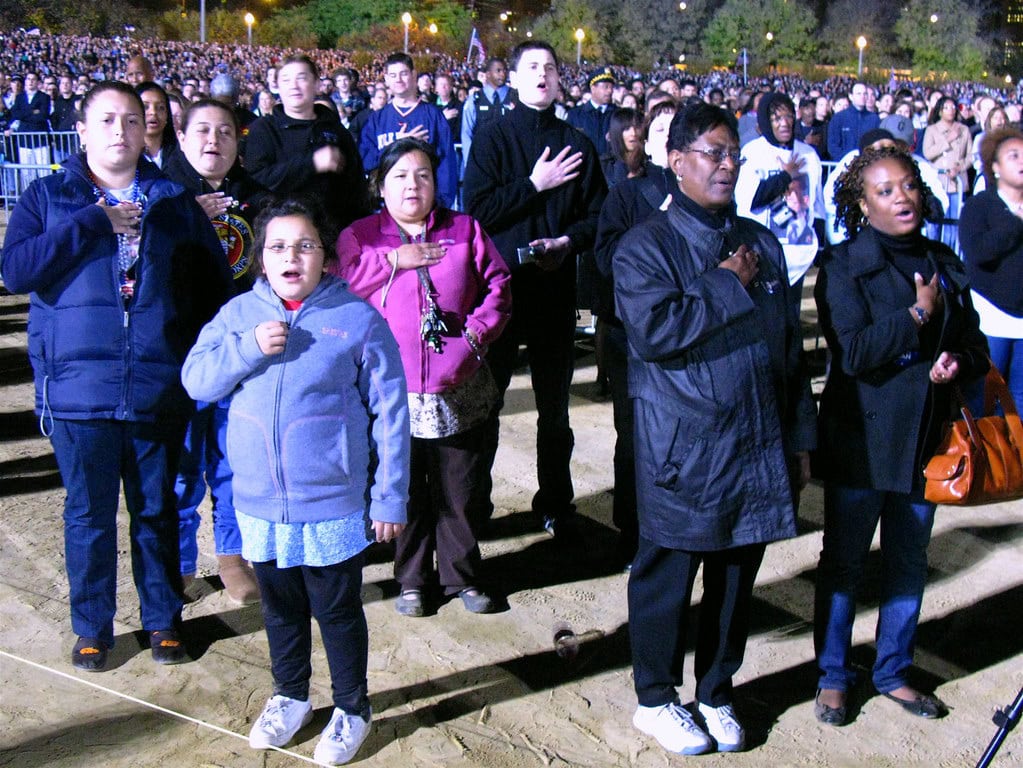
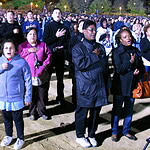
Reciting a Pledge to the Flag Every Morning at School
Every school day, children across the United States stand up, face the flag, put their right hand to their heart, and recite the same 31-word oath they recited the day before, and the day before that. For American students, pledging allegiance is as reflexive as taking attendance. For exchange students from other nations, pledging allegiance will have them genuinely confused.
No other established democracy makes this a daily classroom routine. Some have their own pledging traditions, but making schoolchildren declare their fealty to the republic every morning before class is something uniquely American.
Treating Prom Like a Major Life Event
In most countries, the end of high school is marked by exams and maybe a modest school dance or trip. In America, it's a months-long production. There are promposals, elaborate invitations with floral decorations, custom signs, and even the occasional marching band. There are also hired limos, fancy dresses, tuxedos, pre-prom pictures taken in the backyard of someone’s house, and an after-party to top it all off.
The rest of the world knows about this epic celebration from American films and television series, and often thinks the whole thing is being wildly exaggerated for audiences. It’s not. American families collectively spend billions on prom every year. The average cost for one individual going to prom is usually a few hundred dollars. Other countries get a half-baked school disco night that ends at 10 p.m. and has been largely forgotten next week. Prom stays with American kids for most of their lives.
Walking Around Everywhere With a Coffee Cup
Americans drink coffee on the go. On the commute, in the car, walking between meetings, standing in line at a pharmacy. In much of Europe and Asia, coffee is something you stop for: you sit at a bar or a café, you drink it, have a chat with a friend or quietly meditate about your affairs before getting up and continuing with the rest of your day. Starbucks has exported the portable format to dozens of countries, but the cultural reflex, the sense that coffee is something you take with you rather than pause for, remains distinctly American.
Living Under the Rules of a Homeowners Association
Purchase a home in a suburban area of America, and you may find yourself under the rule of a private entity capable of fining you for painting your shutters one particular color, keeping your grass above a certain height, putting up mailboxes in designated styles, or keeping your holiday decorations out past the festive period. About 30% of all homes in the U.S. are managed by Homeowners Associations, otherwise known as HOAs. This type of invasion into private property rights doesn't really exist anywhere else in the developed world.
For foreigners, the whole notion will require a bit of explanation. Thinking that you could be fined by neighbors for leaving your bins at the roadside too long, or needing prior committee approval to repaint your door, will be hard to believe and even harder to understand. Americans who've bought into HOA communities or have lived in one for the larger part of their life often shrug at it. Everyone else would definitely consider it extraordinary.
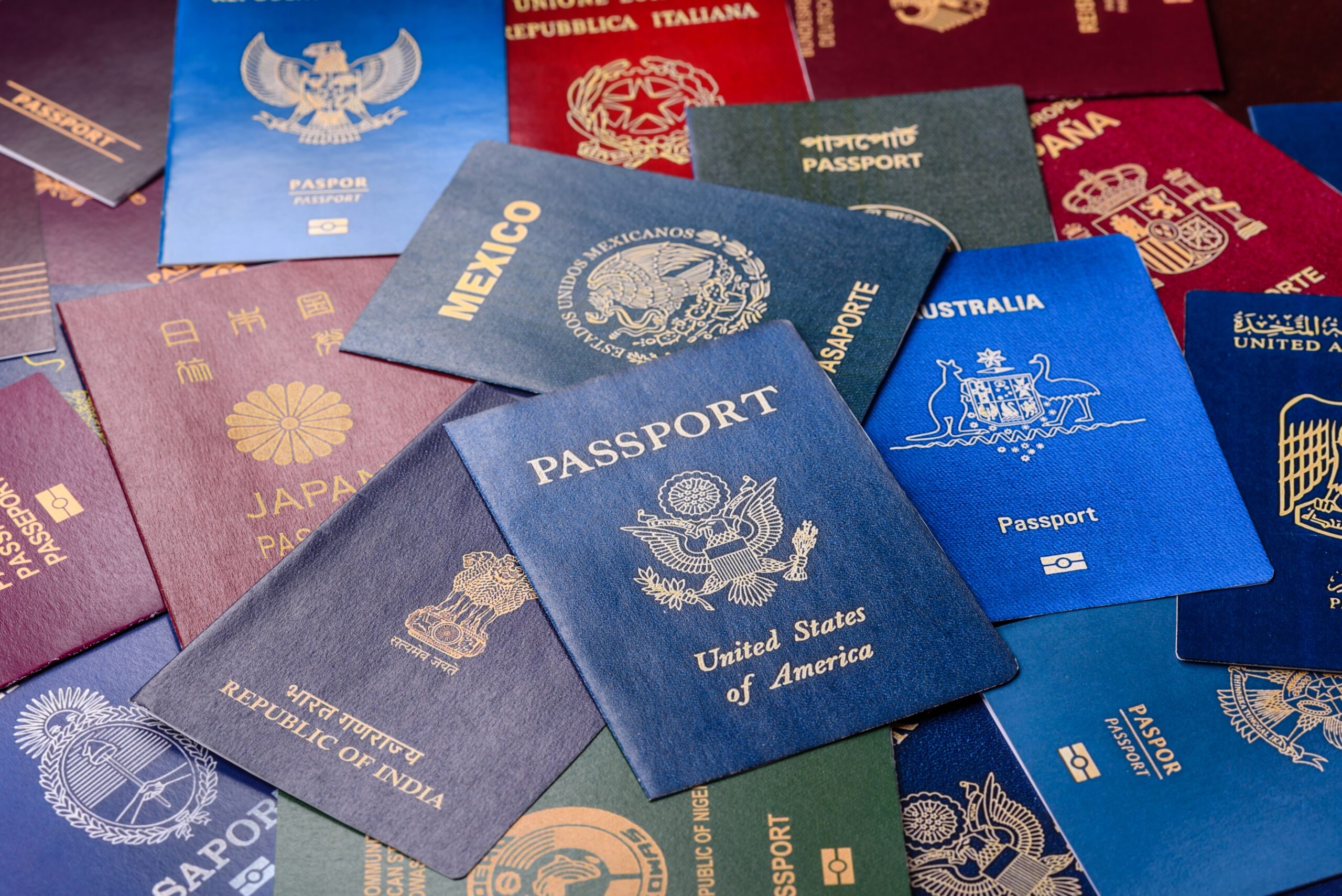
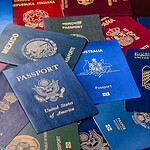
Claiming a Foreign Nationality You've Never Lived In
If you ask an American citizen their nationality, it will more than likely include a country that they have never even set foot in. "I am Italian." "I am Irish." "I am a quarter Cherokee." This sort of dual identity that Americans carry, the way they proudly trace their lineage back generations to another land, is a uniquely American way of being.
Most other countries define their nationality based on residence and passport alone. If a third-generation Irish-American were to call themselves Irish while in Ireland, they might very well get some confused looks. This sort of national identity does not really translate elsewhere because the U.S. is a country that was built by immigrants, and that’s part of what makes it special.
Writing the Date in the Wrong Order
The majority of the world puts the day before the month and the year. However, some nations, which happen to be mainly in East Asia, use a different approach where the year is placed first, followed by the month and then the day. Americans use a system wherein the month comes first, then the day, and lastly the year. The reason why the month-first order cannot be defended rationally is that the month is the only constant, whereas the day and the year are variable. It's just the way it settled in American usage and never changed, while almost everywhere else standardized around a more intuitive sequence. Not changing something that has been part of the culture for as long as this one has been is in itself American.
Treating College Sports Like Professional Entertainment
In almost every other country, sporting organizations don’t really cross paths with educational institutions. A young, talented football player in Spain or Brazil would learn the game through his club academy, not through his school. In the US, the college athletic system is the heart of collegial life and one of the biggest sources of regional pride. Football matches in college attract crowds of up to a hundred thousand fans, and events like the March Madness tournament bring in more than a billion dollars in advertising revenue.
The coaching staff makes more money than the president of that same college. Each program has its own broadcasting contract, merchandising operations, and recruiting network. The most recognizable personality in the state could be an unpaid college athlete. Don’t worry, he won’t be unpaid for long.
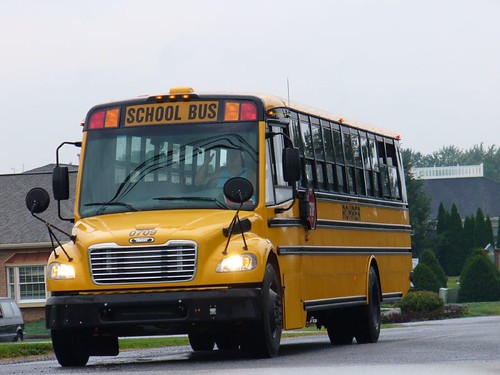
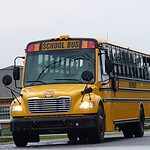
Stopping All Traffic for a School Bus
In America, traffic going in both directions must legally stop when they see a yellow school bus picking up and dropping off children. Those who drive past a stationary school bus with red lights flashing may be heavily fined, and in some states, even criminally charged. This is one of the most strictly enforced traffic laws in the country.
A yellow school bus itself is a very iconic American image. School buses got their first chrome yellow paint jobs in the 1930s as a way for them to stand out even in drivers’ peripheral vision. Foreign visitors who come across this law for the first time are often surprised by it. The stop arm swinging out from the bus, and all traffic coming to a full stop, along with the unique shade of the bus itself, is something you won't find anywhere else.
Having a Garbage Disposal Built Into the Kitchen Sink
Look under most American kitchen sinks, and you will see a small electric device that grinds food scraps into fine particles and then washes them away through the drain pipe. The garbage disposal has been an integral part of the American kitchen since the middle of the last century.
It's so standard that a house would feel incomplete without one. But it’s not a common feature in other places. In fact, some countries in Europe have actually banned the garbage disposal or have passed tight regulations around it due to concerns about how the waste affects the sewage system.
Foreign visitors will often stare at it before remembering seeing it in a movie or T.V. show. Sometimes that stare has distrust written all over it. The noise it makes when turned on certainly does not help much when it comes to building confidence. For Americans, it’s just the typical way of getting rid of dinner scraps.
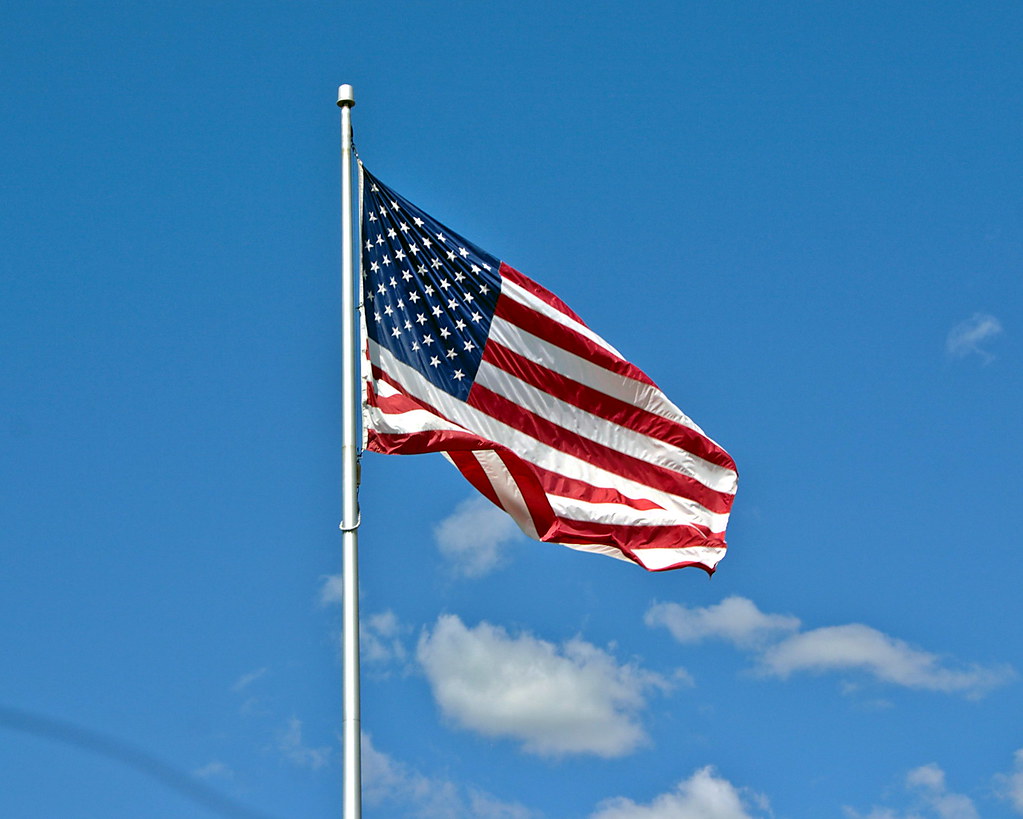
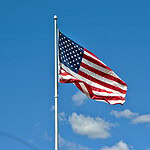
Flying the Flag From the Front Lawn
Drive through almost any American suburb, and you will see them: flags hung beside front doors, placed in lawns, even put in windows. The American flag can be found on welcome mats, on coffee mugs, t-shirts, bumper stickers, baseball caps, and beach towels. It is present in a way that has no true counterpart in virtually any other democracy, where the national flag is to be found only on government buildings or in the context of an international sports event.
Europeans will usually notice this right away. In many places in Europe, the display of a nation's flag from outside one's own property is a politically-charged gesture. Here, it’s just the standard way to showcase your patriotism, and most people don’t really give it a second thought, given that it’s so interwoven into the fabric of everyday American life.