Victor Maschek/Shutterstock.com
mareandmare/iStock via Getty Images

emicristea/iStock.com

uskarp/iStock via Getty Images

proslgn/Shutterstock.com
KavalenkavaVolha/iStock via Getty Images

Ryhor Bruyeu/iStock via Getty Images

Sergej Razvodovskij/Shutterstock.com

ChamilleWhite/iStock via Getty Images

Reidl/Shutterstock.com
Calin Stan/Shutterstock.com








10 European Countries With Some of the Shortest Life Expectancies
Life expectancy at birth is one of the simplest ways to summarize the health and mortality conditions in a country, but the number is easy to misunderstand. It does not predict how long any one person will live. Instead, it estimates how long a newborn would live if the mortality rates seen at the time of birth stayed the same throughout that person's life.
Over the long term, people around the world have been living longer. That progress has not moved in a straight line, though. The COVID-19 pandemic caused a major setback in 2020 and 2021, and many European countries saw life expectancy fall sharply before recovering in the following years. The United Nations estimates that global life expectancy had climbed back to 73.3 years by 2024.
The differences within Europe are still substantial. The countries below were among the lower-life-expectancy countries in the region in 2021, using the World Bank's currently published historical estimates for consistency. That year deserves an asterisk because pandemic mortality had an unusually large effect on the numbers. Different international datasets can also produce slightly different estimates, and historical figures are occasionally revised as better data become available.
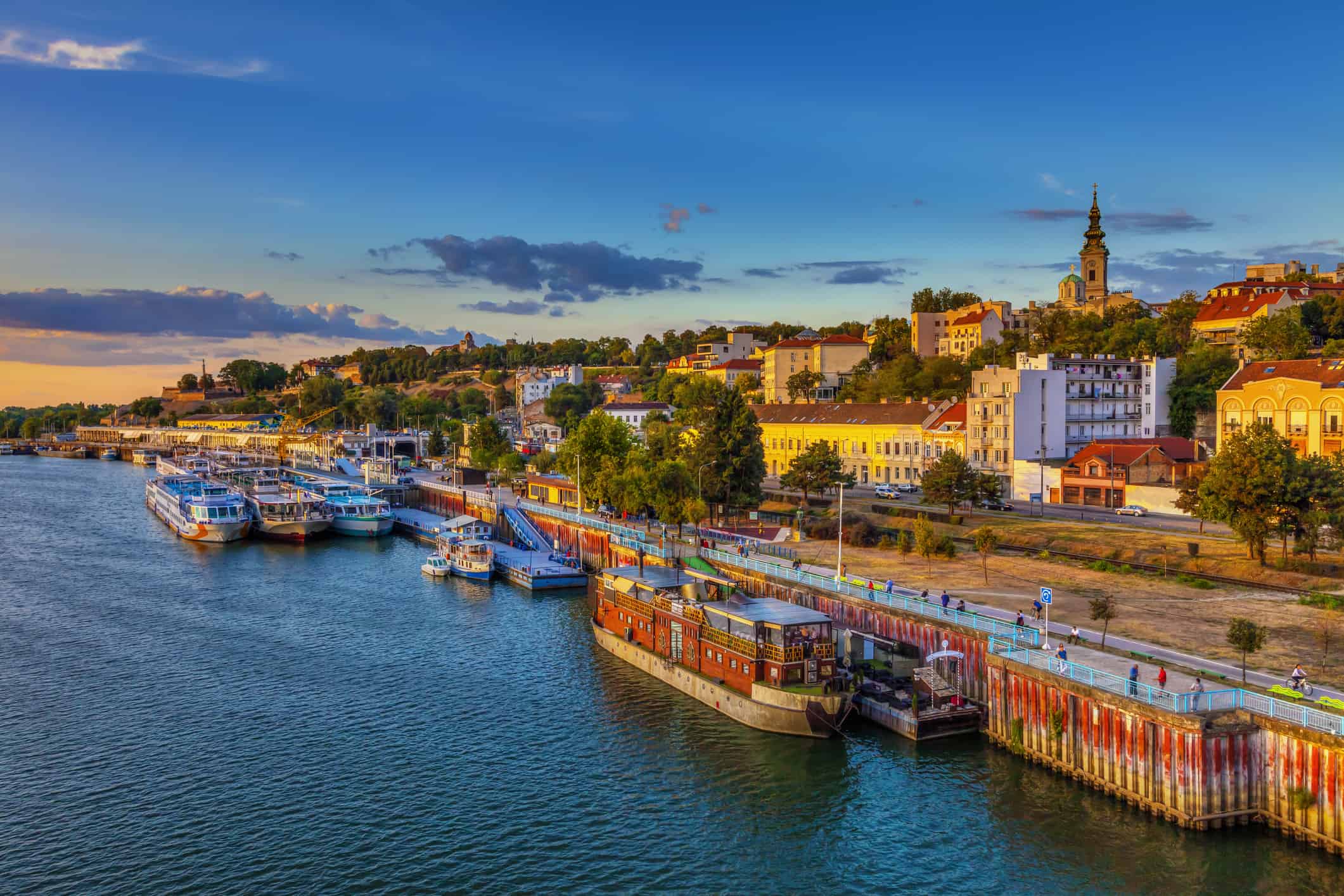
Serbia
World Bank data put life expectancy in Serbia at about 72.8 years in 2021.
Serbia's 2021 figure was dragged down by the COVID-19 pandemic, and national statistics show that life expectancy rebounded after 2021. Longer-running health problems remain important, however. World Health Organization data point to a heavy burden from noncommunicable diseases, while tobacco use and high blood pressure remain major risk factors. WHO estimated that nearly 40% of people age 15 and older used tobacco in 2022, and hypertension is also widespread among adults.
Romania
World Bank data put life expectancy in Romania at about 72.8 years in 2021.
Romania was hit particularly hard during the pandemic years. Life expectancy fell during 2020 and 2021 before recovering to roughly 76.6 years by 2023. The country's longer-term health challenges go beyond COVID-19. Cardiovascular diseases remain the leading cause of death, accounting for more than half of deaths in 2023, and Romania continues to have high levels of preventable and treatable mortality compared with much of the European Union. Access to prevention, early diagnosis, and effective treatment also varies considerably by income and geography.
North Macedonia
World Bank data put life expectancy in North Macedonia at about 73.2 years in 2021.
North Macedonia also carries a substantial burden from chronic disease. WHO estimates that noncommunicable diseases accounted for about 70% of deaths in 2021. High blood pressure, unhealthy diets, tobacco use, high blood sugar, and air pollution are among the country's important health risk factors. Cardiovascular disease and cancer remain especially significant, while premature mortality from major noncommunicable diseases is considerably higher than the European Union average.
Lithuania
World Bank data put life expectancy in Lithuania at about 74.0 years in 2021.
Lithuania's 2021 figure was another pandemic-era low. The country's own statistics agency reported a particularly large gap between men and women that year, with life expectancy of 69.6 years for men and 78.9 for women. Conditions have improved since then, but Lithuania still records higher preventable and treatable mortality than the OECD average. Tobacco and alcohol use remain important health risks, and the country's suicide rate also remains above the OECD average.
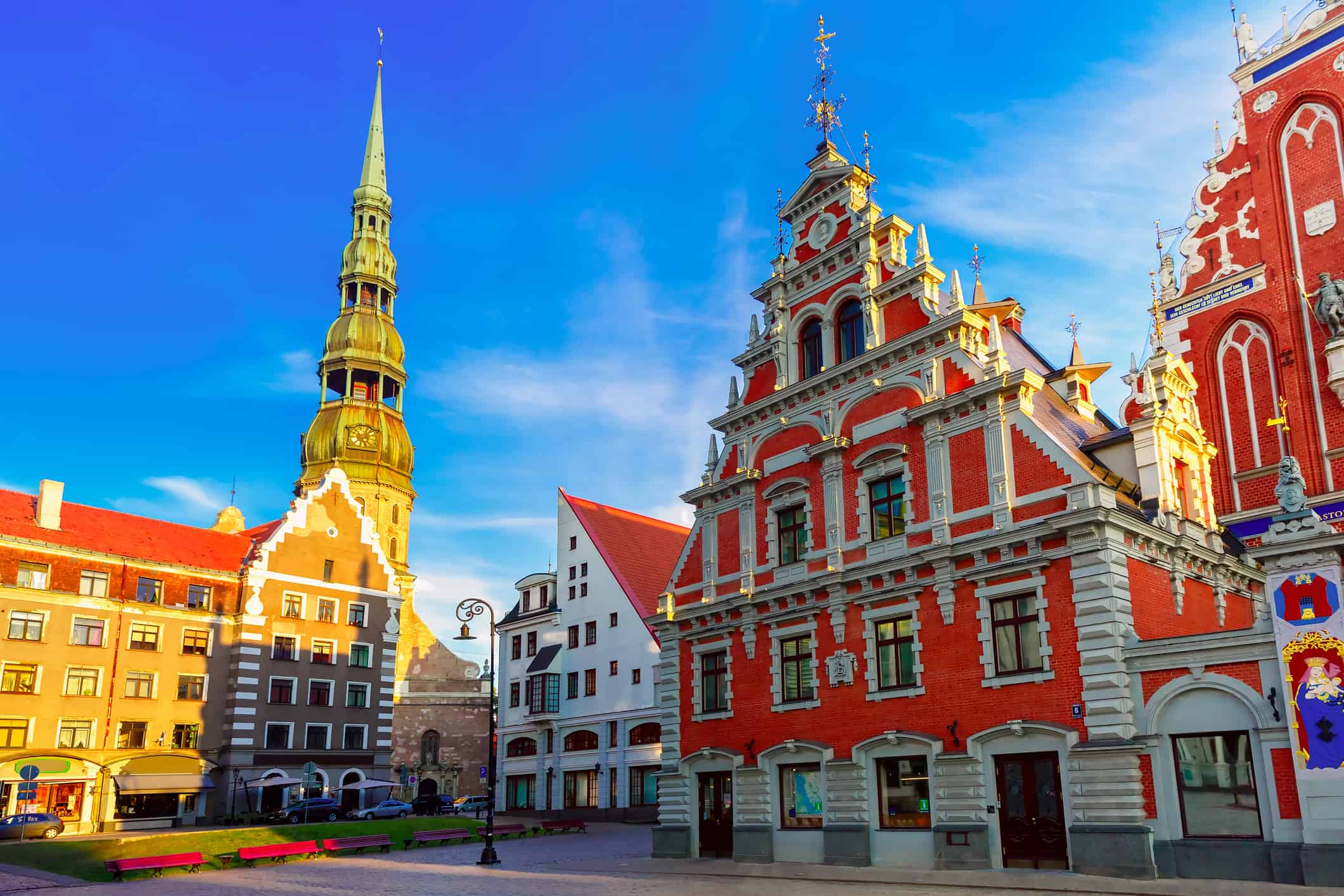
Latvia
World Bank data put life expectancy in Latvia at about 73.0 years in 2021.
Latvia suffered a steep pandemic-era decline in life expectancy, but the number has since moved upward again. The broader health gap has not disappeared. OECD data show that Latvia continues to have substantially higher preventable and treatable mortality than the OECD average. Smoking and alcohol consumption are also comparatively high, while cardiovascular disease and cancer make up a large share of the country's disease burden.
Belarus
World Bank data put life expectancy in Belarus at about 72.1 years in 2021.
Belarus has made progress on some health measures over the long run, but chronic disease remains a major problem. WHO says noncommunicable diseases account for about 80% of deaths in the country. Smoking remains especially common among men, while alcohol, unhealthy diets, physical inactivity, and other metabolic and behavioral risks continue to receive attention from public-health officials. Alcohol consumption has declined from earlier levels, so it is too simplistic to pin the country's life-expectancy gap on drinking alone.
Bulgaria
World Bank data put life expectancy in Bulgaria at about 71.2 years in 2021.
Life expectancy in Bulgaria fell sharply during the worst of the COVID-19 pandemic and has since recovered. The country's health challenges are broader than any single measure such as maternal mortality. Bulgaria continues to have one of the highest rates of avoidable mortality among countries measured by the OECD, reflecting a combination of chronic disease, health risk factors, gaps in prevention, and opportunities to improve timely diagnosis and treatment. Cardiovascular disease remains an especially heavy burden.
Ukraine
World Bank data put life expectancy in Ukraine at about 71.6 years in 2021.
Ukraine's 2021 figure predates Russia's full-scale invasion in February 2022, so the war cannot explain that particular number. Even before the invasion, Ukraine carried a high burden of cardiovascular disease and other noncommunicable diseases, alongside major risk factors including tobacco use, alcohol use, and high blood pressure. Since 2022, the war has created an additional health crisis by damaging medical facilities and infrastructure, displacing millions of people, and making care harder to reach in many parts of the country.
Russia
World Bank data put life expectancy in Russia at about 69.9 years in 2021.
Russia experienced a particularly large life-expectancy drop during the COVID-19 pandemic, and the 2021 number was well below its pre-pandemic level. The figure has since recovered substantially. Longer-term health challenges include a heavy burden from noncommunicable diseases and risk factors such as tobacco use, harmful alcohol consumption, unhealthy diets, high blood pressure, and physical inactivity. WHO data also show a particularly large life-expectancy gap between Russian men and women.
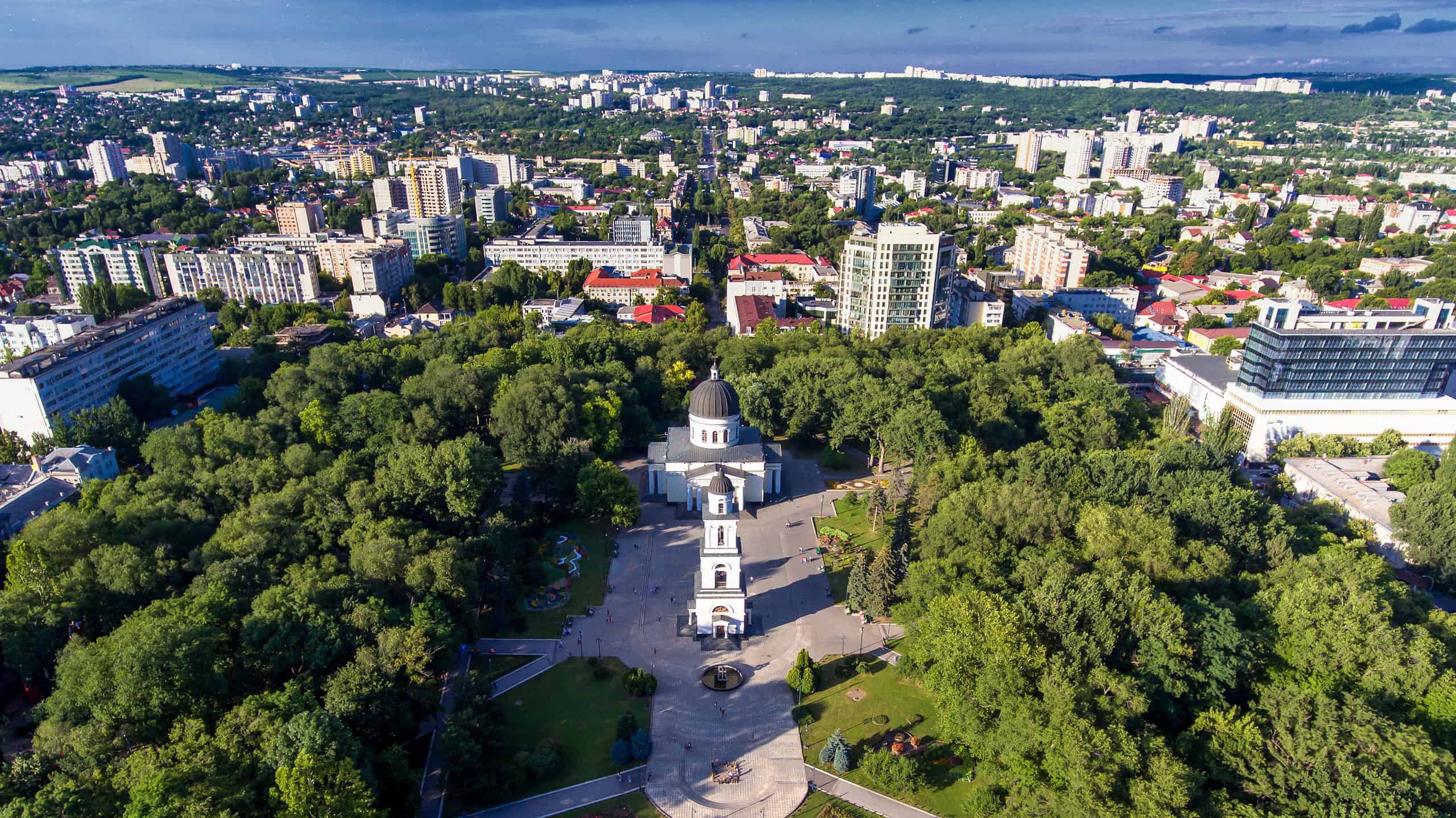
Moldova
World Bank data put life expectancy in Moldova at about 69.0 years in 2021.
Moldova's 2021 life expectancy was well below the European regional average, although the number has improved since the pandemic. Cardiovascular disease has long been the country's leading cause of death, while tobacco, alcohol use, high blood pressure, diet, and other noncommunicable disease risk factors contribute to premature mortality. Moldova has mandatory health insurance and has worked with WHO on strengthening primary care and disease prevention, but access and quality remain uneven. The country's healthcare system also faced substantial additional pressure after the arrival of large numbers of refugees from neighboring Ukraine beginning in 2022.