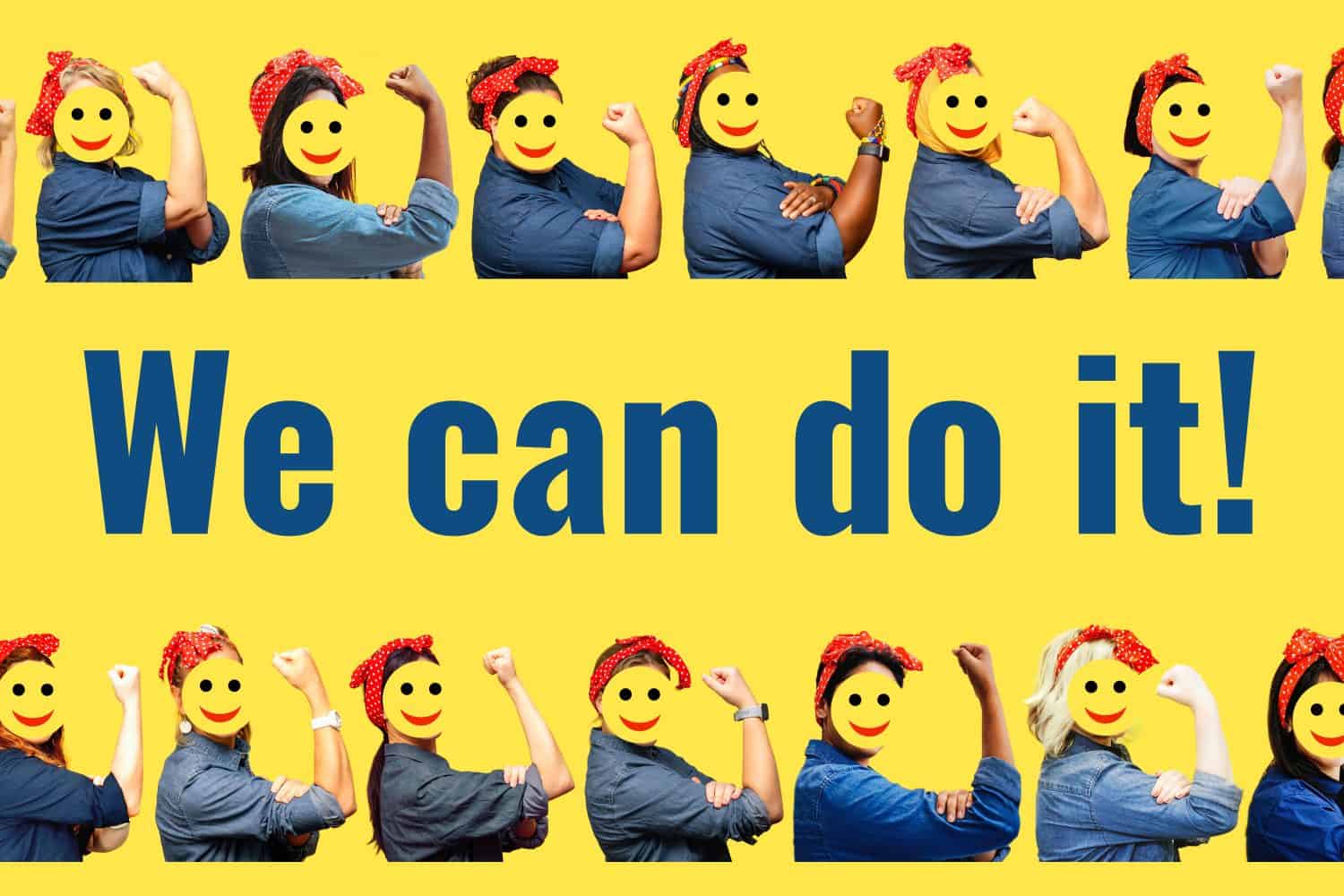
Rosie the Riveter’s story is a lot longer and more complicated than you’d think. Firstly, Rosie isn’t one person, but instead a concept. You’ve probably seen the poster we call Rosie the Riveter. But what if we told you this iconic bright yellow poster was never named Rosie? Actually, it wasn’t used throughout the war at all. Click through the slideshow to learn about the secret history of Rosie the Riveter along with a few incredible women who helped during World War 2.
Who Was Rosie the Riveter?
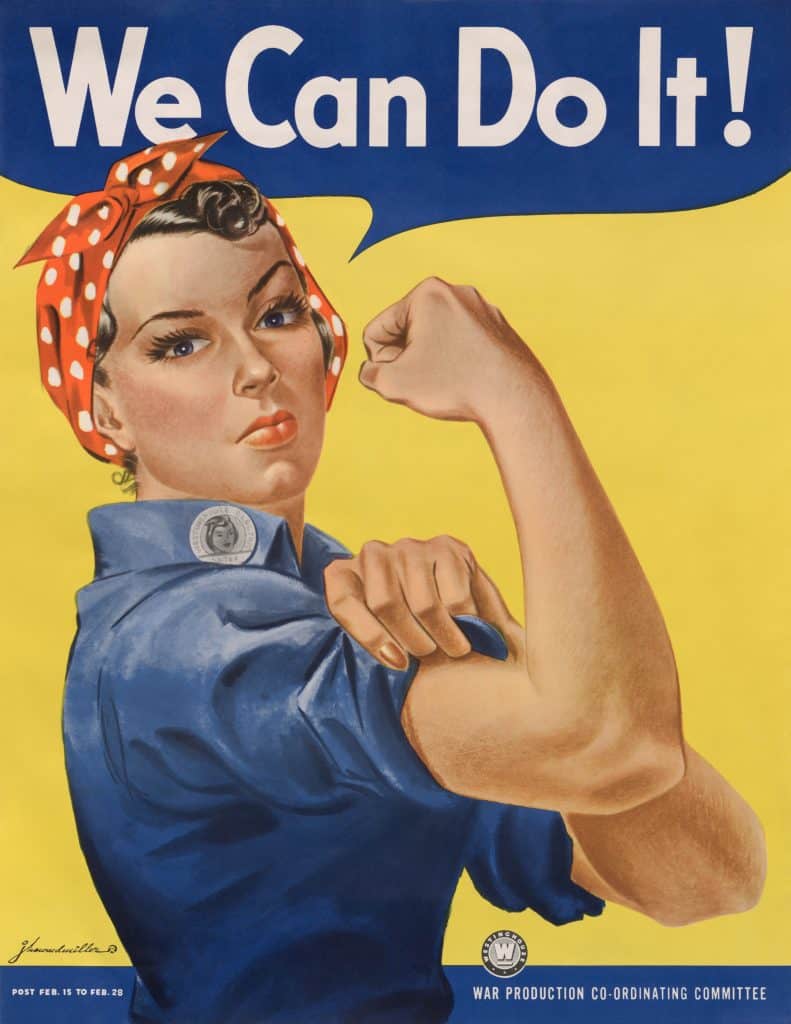
Rosie the Riveter, contrary to popular belief, wasn’t just one person. Instead, Rosie the Riveter is a cultural icon plastered on advertisements, posters, and more.
World War 2
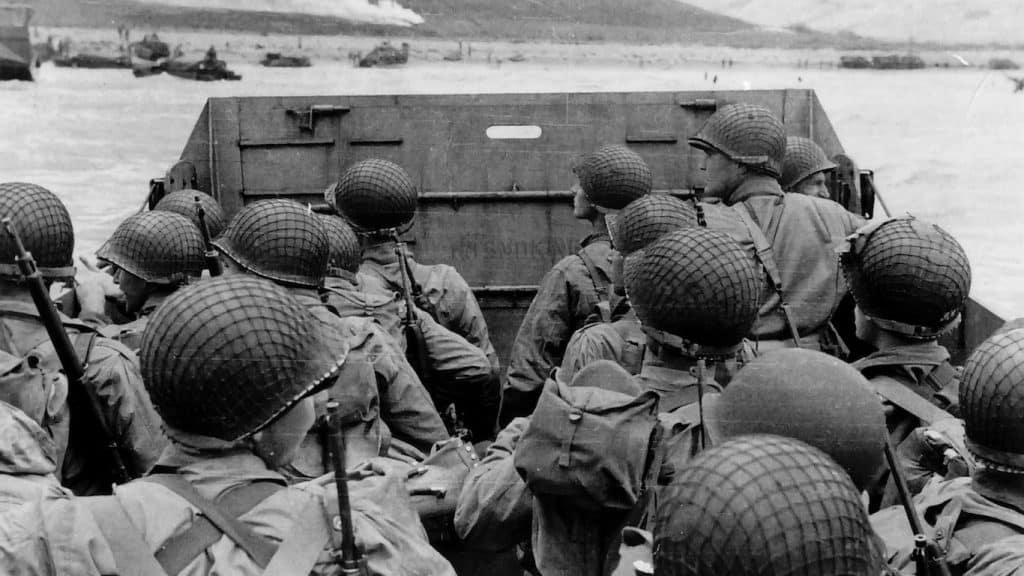
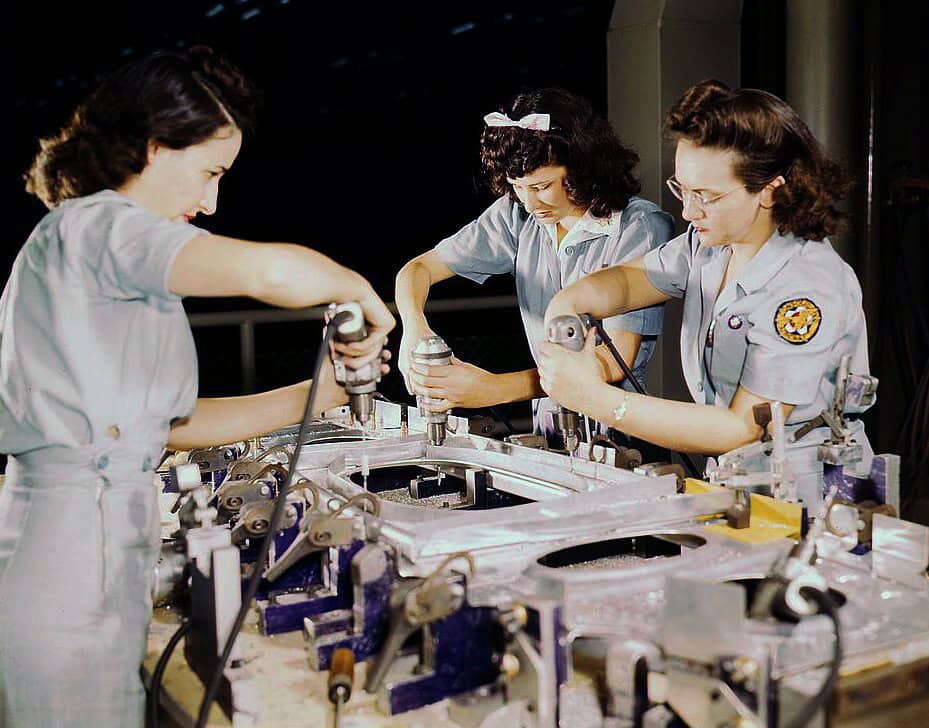
The influence and need for this cultural icon dates back to around World War 2, when the role women had was changing quickly. As most men were fighting overseas, the United States needed factory workers for weapons and basic goods.
Jobs
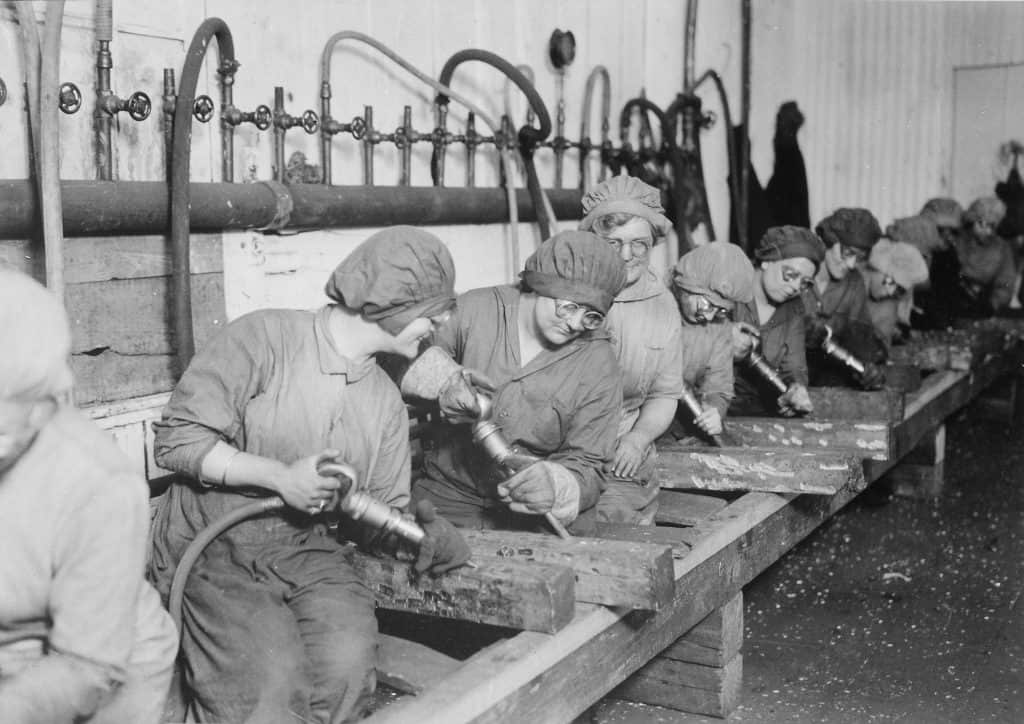
Many women held jobs during World War 2 (approximately 19 million). They worked manual labor jobs like in lumber and steel mills, construction, factory work, and building airships.
When Was Rosie the Riveter Created?
The idea of Rosie the Riveter originated from a song of the same name. In 1942, Redd Evans and John Jacob Loeb produced a song called “Rosie the Riveter”; however, they didn’t expect it to be associated with the image of a woman wearing a red bandana or the “We Can Do It” slogan. Instead, the image we know now as Rosie was created by Pittsburgh artist J. Howard Miller. Westinghouse Company’s War Production Coordinating Committee hired him to create colorful posters to promote the war effort at work. It was a motivational piece only first seen by the employees at Westinghouse.
Rosie the Riveter Disappears

The poster we all know as Rosie the Riveter was not known throughout the U.S. during World War 2. Instead, only the people who worked at the company saw the posters, and for just two weeks. Actually, after the posters were used at Westinghouse they disappeared. In the 1980s, four decades after J. Howard Miller created the poster, they reappeared again.
Norman Rockwell’s Version

In 1943, Norman Rockwell illustrated another image that came to be known as Rosie the Riveter. The illustration was of a brawny woman holding her arm up while taking a lunch break. She also had a rivet gun sitting on her lap. Her lunch box had the name Rosie, likely inspired by the popular song. This patriotic image was mass distributed on the cover of The Saturday Evening Post on May 29, 1943 (Memorial Day).
Mary Louise Doyle

Mary Louise Doyle was Norman Rockwell’s inspiration and model for his Rosie illustration. She was 19 and not a riveter, but instead a telephone operator. She posed with a fake gun and actually held a sandwich. Interestingly, Rockwell illustrated Rosie as a brawny woman. Mary was a lot smaller. Rockwell changed her body to fit the message of the poster and apologized to her.
“The Life and Times of Rosie the Riveter”

In 1980, Connie Field released a powerful documentary film about the women in World War 2, titled, “The Life and Times of Rosie the Riveter.” During the same decade, the iconic “We Can Do It” poster became popular, likely because of the film.
Notable Women of World War 2

Now that we know a little bit more about Rosie the Riveter, let’s discuss some incredible women who contributed a lot during World War 2.
Jacqueline Cochran
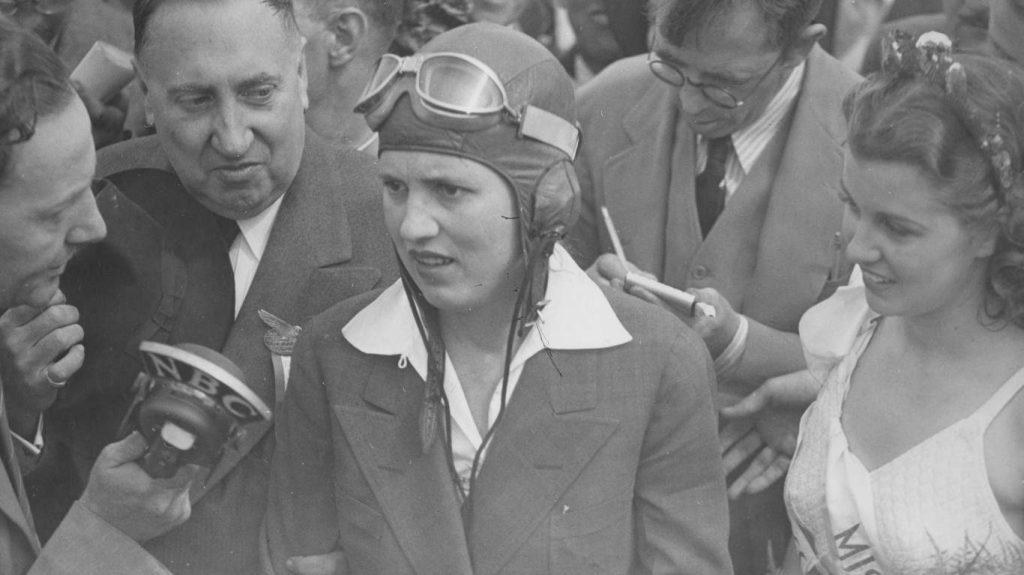
Jacqueline Cochran didn’t let her gender stand in her way. She fought for women to have the right to become pilots and serve in the military. She’s also broken many records, including being the first woman to break the sound barrier in 1953.
During World War 2, Jacqueline Cochran was the director of the Women Airforce Service Pilots (WASP). She trained over 1,000 women during her time in WASP.
Josephine Baker

Quite a few women during World War 2 worked as spies. One of these is Josephine Baker, who worked with the French military intelligence agency. During her time as a spy, she earned a pilot´s license and collected intelligence on German troop movements and plans in unique ways.
Before and after World War 2, Baker was an actress, working in large pictures like “Princess Tam Tam” and “Siren of the Tropics.” For her role in World War 2, was awarded the Resistance Medal by the French Committee of National Liberation.
Virginia Hall
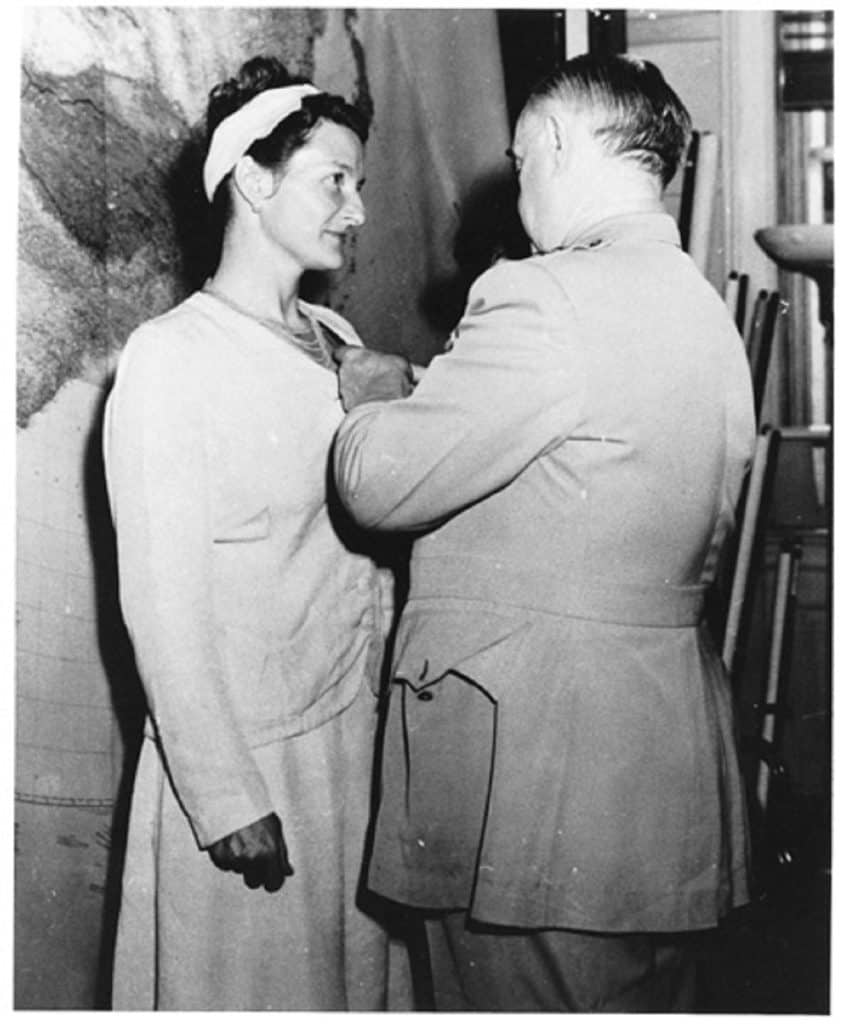
Another woman spy to make a big difference during World War 2 was Virginia Hall. During World War 2, she worked with the Special Operations Executive (SOE) and the American Office of Strategic Services (OSS) in France.
She’s best known for helping break out 12 agents from prison and her incredible work as ‘the limping lady.’ All while wearing a prosthetic leg she named Cuthbert, she stole information, organized agent networks, and helped start and run safe houses across France. After World War 2, her work wasn’t done. Instead, she worked for the National Committee for a Free Europe (NCFE) and CIA.