DebraMillet / Getty Images

Ken Lund / BY-SA 2.0

Tim Kiser (w:User:Malepheasant) / BY-SA 2.5
denisbin / BY-ND 2.0
James Willamor / BY-SA 2.0

Belinda Hankins Miller from U.S.A., upload by Herrick 10:33, 15 November 2007 (UTC) / BY 2.0
Charles Delano of LouisvilleUSACE - Louisville District of the US Army Corp of Engineers / BY 2.0

Ken Lund / BY-SA 2.0

cyanocorax / BY-SA 2.0
Wonderlane / BY 2.0

SNEHIT PHOTO / Shutterstock.com

Kit Leong / Shutterstock.com
Arch_Sam / BY 2.0
Tim Pearce, Los Gatos / BY 2.0

Mihai_Andritoiu / Shutterstock.com
szeke / BY-SA 2.0




The 15 Worst States to Live In, According to Americans
Choosing where to live can shape nearly every part of daily life, from job opportunities and housing costs to health care, education, safety, and long-term financial stability. Every state has its advantages, including distinctive communities, natural beauty, cultural attractions, and pockets of affordability. Still, some consistently rank lower than others when Americans are asked where they would least want to settle.
Those opinions are often influenced by broader challenges such as high poverty rates, limited access to medical care, weak job growth, underfunded schools, aging infrastructure, crime, or rapidly rising housing and insurance costs. These problems do not affect every city or resident equally, but they can make life more difficult for families, workers, and retirees searching for stability.
To identify the states viewed least favorably, 24/7 Tempo examined the places Americans frequently rank among the worst to live in. The results reveal where quality-of-life concerns are most pronounced and which states prospective residents may want to research more carefully before making a move.
Mississippi
Mississippi often ranks at the bottom in national quality-of-life metrics, including healthcare, education, and income. Poverty rates are some of the highest in the country, and access to basic services can be limited in rural areas. Public infrastructure suffers from underinvestment, and the state has some of the worst health outcomes nationwide. Educational attainment levels are also lower than average, which impacts job prospects and economic mobility.
West Virginia
West Virginia struggles with a shrinking population, economic decline, and a significant opioid crisis. Many residents face limited job opportunities, especially outside of the coal industry. Health outcomes are poor, with high rates of obesity, diabetes, and smoking. The state's mountainous terrain can also make transportation and access to services difficult.
Louisiana
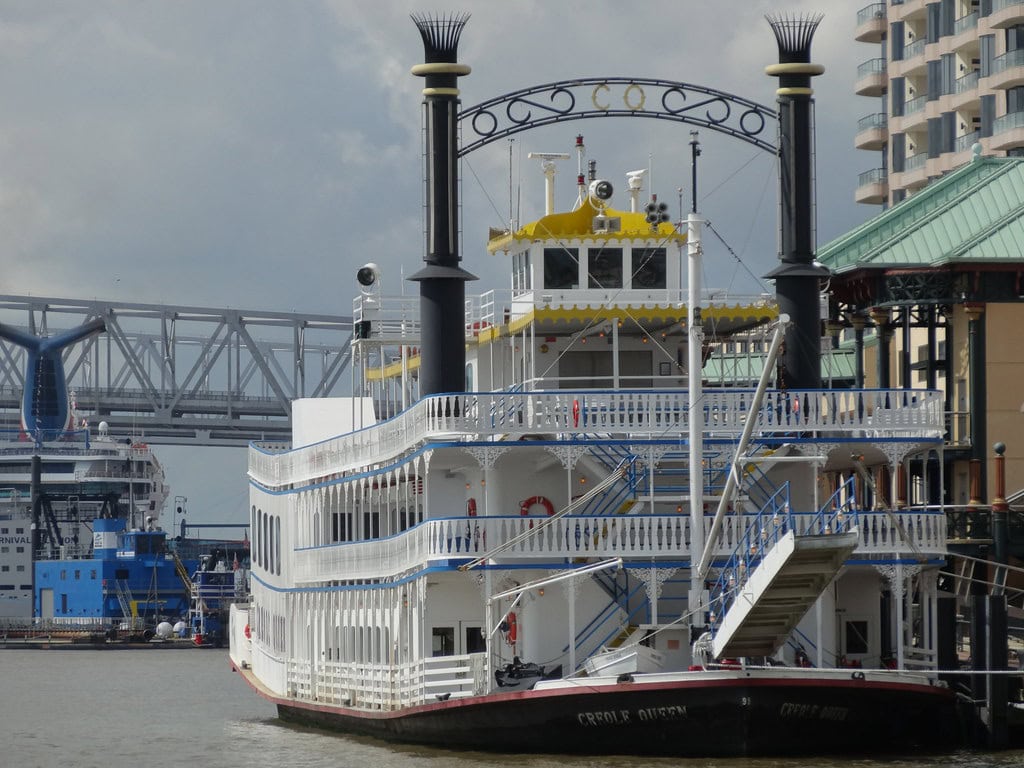
Louisiana has long battled poverty, crime, and environmental disasters. The state has one of the highest incarceration rates and frequently ranks low in education and healthcare. Its infrastructure is vulnerable to hurricanes and flooding, leading to frequent disruptions and long-term economic consequences. Despite rich culture and food, daily life can be a struggle for many.
Alabama
Alabama faces systemic challenges, including underfunded public schools, poor healthcare access, and racial disparities. Many rural areas suffer from limited job markets and stagnant economic growth. Public health rankings are among the worst in the nation, with high rates of chronic disease. Infrastructure also lags behind much of the country.
Arkansas
Arkansas experiences widespread poverty and has some of the lowest median household incomes in the U.S. The state ranks poorly in public health, with high obesity and smoking rates. Education quality varies significantly, and many rural areas face declining job opportunities. Despite beautiful natural scenery, daily living conditions can be harsh for many residents.
Kentucky
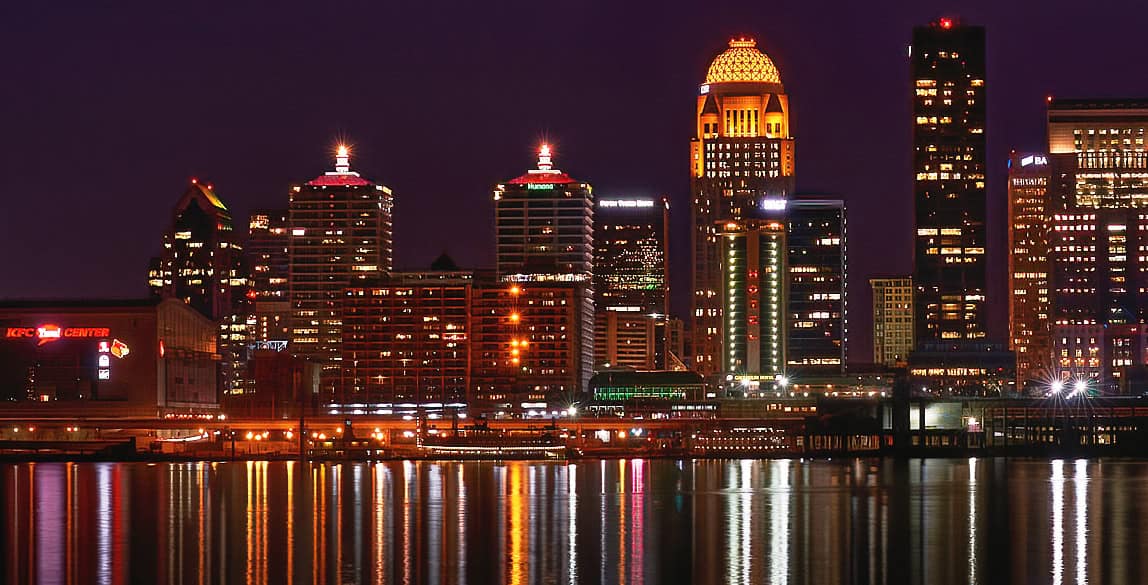
Kentucky deals with economic difficulties, especially in the Appalachian region. Drug addiction, particularly opioids, remains a critical issue. Healthcare and education access are limited in many areas, and poverty rates are high. The coal industry’s decline has left many communities struggling to reinvent themselves.
New Mexico
New Mexico has stunning landscapes but also faces serious social challenges. Crime rates, particularly in Albuquerque, are among the highest in the country. The state ranks low in education and child welfare metrics, and poverty is widespread. Healthcare access, especially in rural areas, is limited.
Indiana
Indiana ranks low in public health, with high obesity and smoking rates. Air and water quality concerns persist due to industrial pollution. Many cities struggle with crime and crumbling infrastructure. Economic disparities are wide, particularly between urban and rural communities.
Alaska
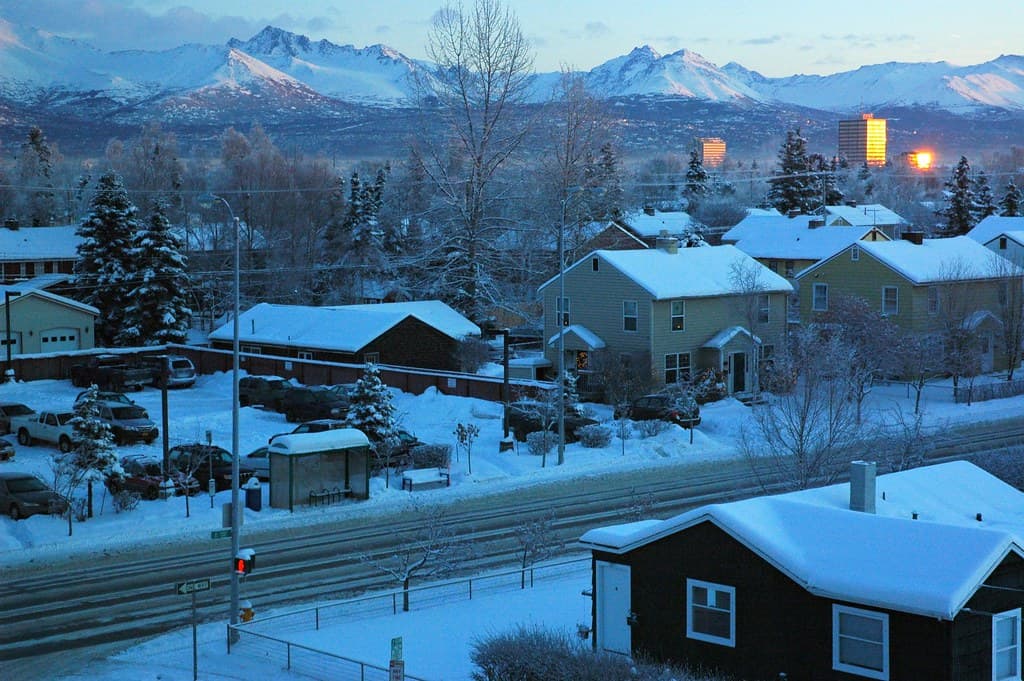
Alaska offers natural beauty but comes with extreme isolation and high costs of living. Access to healthcare, groceries, and even basic services can be difficult outside major hubs. Weather is harsh and daylight hours vary drastically, contributing to mental health challenges. Economic opportunities are limited in many regions.
Michigan
Michigan, particularly in cities like Detroit and Flint, continues to struggle with economic revitalization and public health issues. Infrastructure is aging, and water quality has been a major concern. Crime remains high in some urban areas. While parts of the state are thriving, others face systemic neglect.
Oklahoma
Oklahoma frequently ranks poorly in healthcare, education, and public safety. Tornadoes and extreme weather add to the challenges of living here. Rural hospitals have been closing, reducing access to critical services. Poverty and unemployment persist in many areas.
Missouri
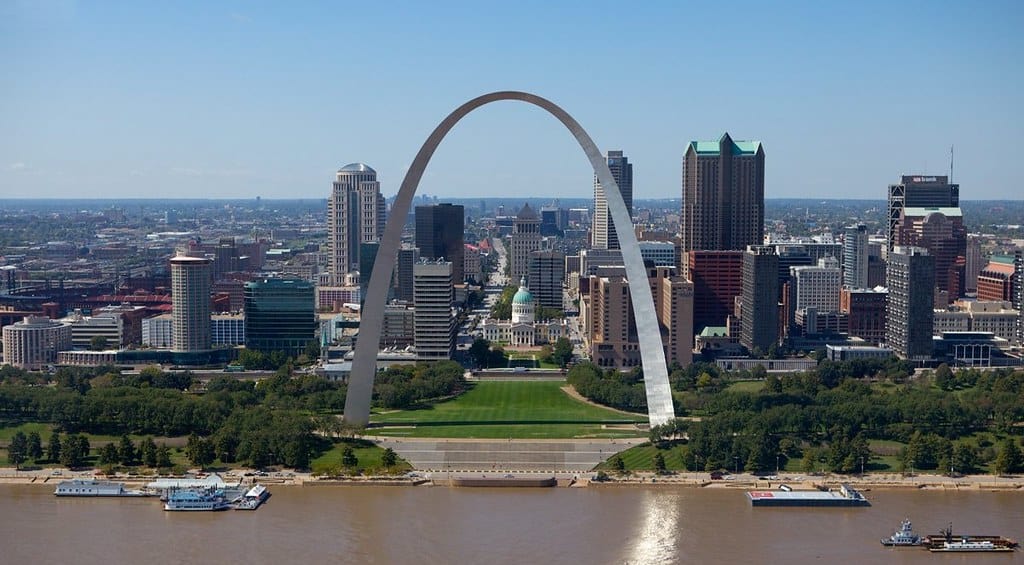
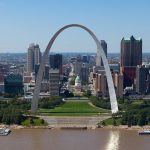
Missouri has seen growing crime rates in cities like St. Louis, along with racial and economic tension. Public education quality varies dramatically across districts. The state also struggles with healthcare access and rural poverty. Its central location doesn’t always translate to opportunity.
Nevada
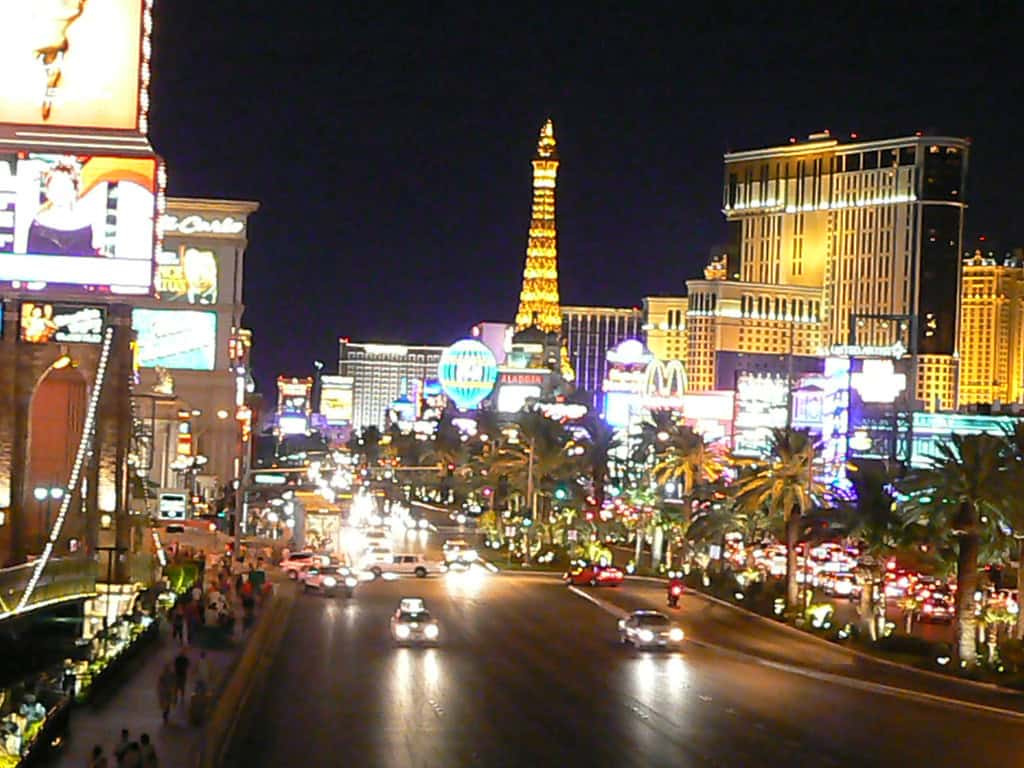
Outside of the bright lights of Las Vegas, Nevada struggles with education, crime, and environmental issues. Water scarcity and rapid urbanization have put a strain on infrastructure. Many rural communities are underserved. The gap between rich and poor is stark.
South Carolina
South Carolina's economy has improved, but rural areas continue to face poverty and lack of services. Public health rankings are poor, and access to education is uneven. Infrastructure in many areas is outdated. Natural disasters like hurricanes pose recurring threats.
Illinois
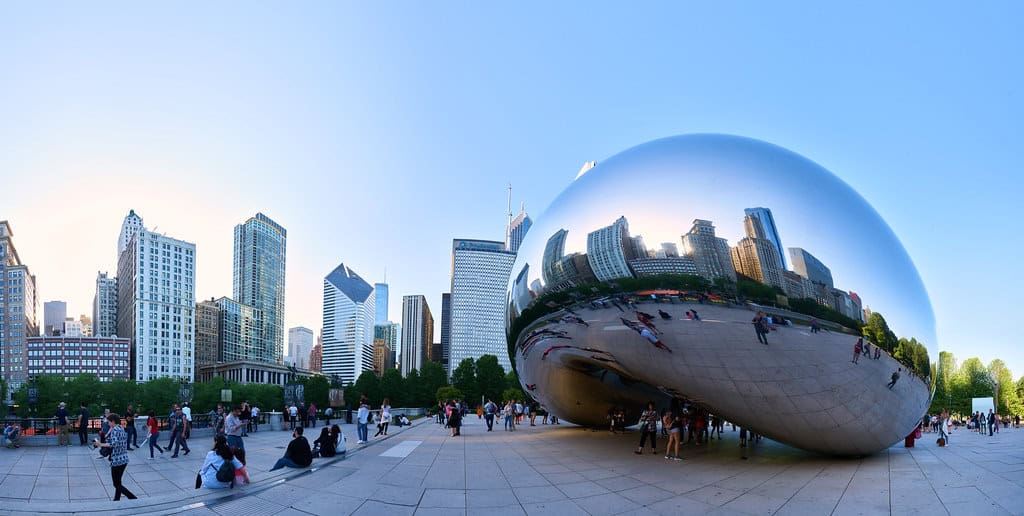
Illinois, especially Chicago, grapples with crime, high taxes, and political corruption. Budget crises have plagued the state government, impacting public services. While some regions thrive, others face job loss and depopulation. Public infrastructure needs significant investment.