Barbecue is one of those foods where a completely reasonable sentence can start an argument before you’ve finished chewing. Tell someone from Texas that sauce is the most important part, or tell a North Carolinian that all Carolina barbecue tastes basically the same, and you may want to move your chair back a few feet.
The easiest shorthand is that Texas barbecue leans heavily toward beef while the Carolinas built their traditions around pork. From there, things get considerably more complicated. Central Texas barbecue is different from what you’ll find in East Texas or along the Mexican border. North Carolina has its famous Eastern and Lexington traditions, while South Carolina manages to turn barbecue sauce into its own regional map.
Modern barbecue restaurants borrow from each other constantly, so none of these rules is absolute. You can find brisket in North Carolina and pulled pork all over Texas. Still, the older regional traditions are easy to spot once you know what you’re looking for. Here are eight differences that help explain why a Texas barbecue tray and a Carolina barbecue plate can feel like entirely different meals.
1. The Meat: Texas Leans Beef, the Carolinas Lean Pork
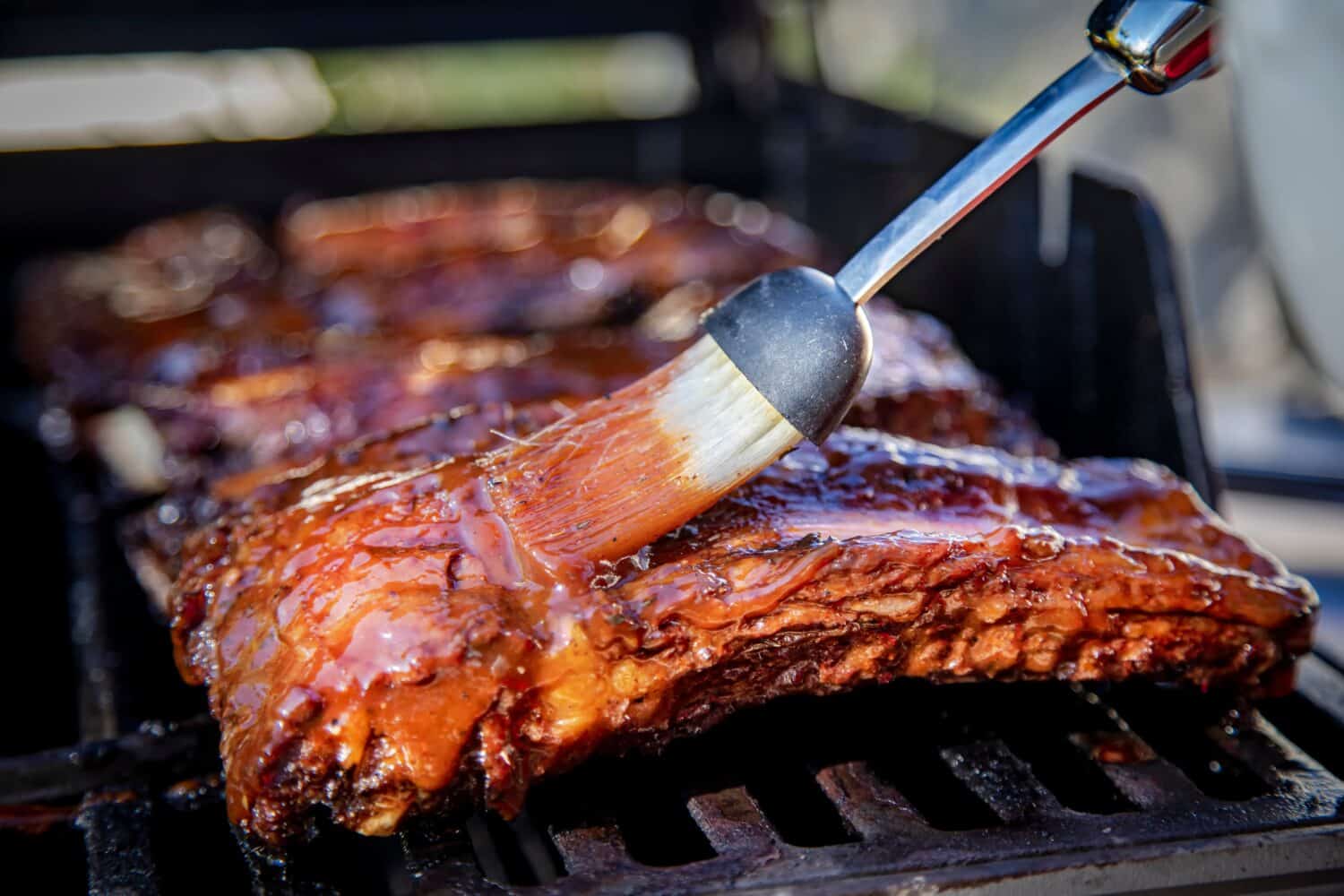
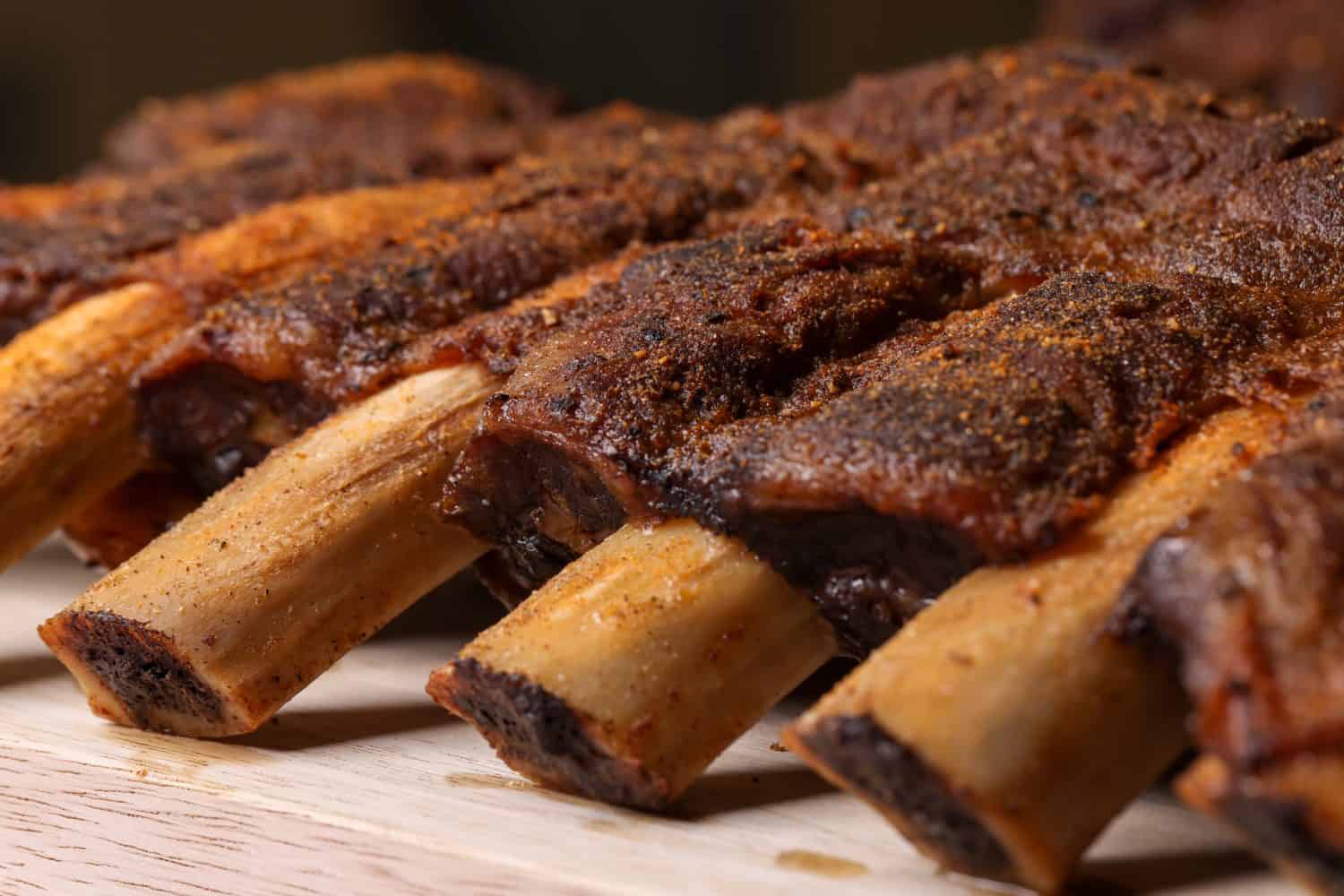
If you need the 10-second explanation, start here: Texas barbecue is famous for beef, while traditional Carolina barbecue revolves around pork. Beef became especially important in Texas after the Civil War, and today a Central Texas spread without brisket would feel like something important had gone missing. Beef ribs have also become a showcase item at many modern Texas smokehouses.
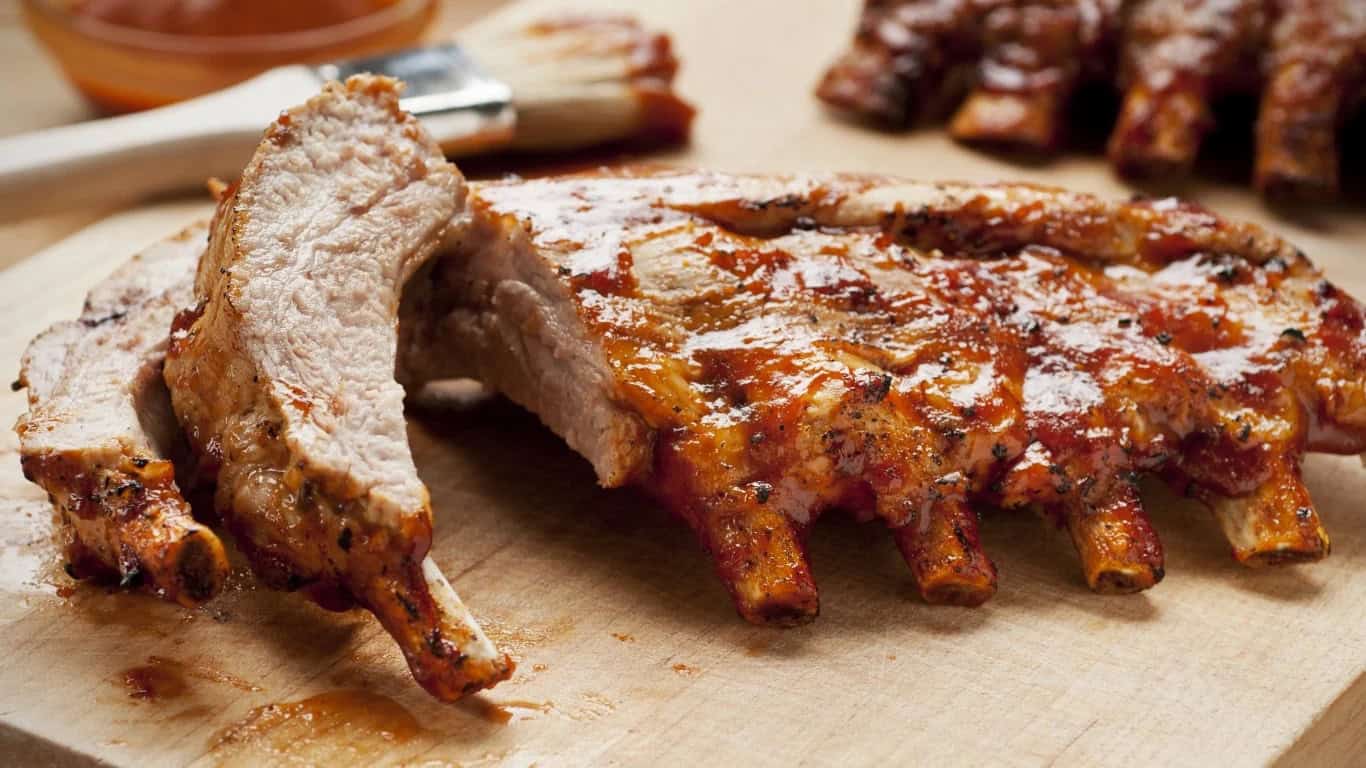
In North Carolina, pork remains the foundation. Eastern-style pitmasters traditionally cook the whole hog, while Lexington and the surrounding Piedmont are famous for pork shoulder. South Carolina’s traditional barbecue identity is similarly pork-heavy. Of course, barbecue has become far less territorial than it once was. Texas restaurants sell pork and chicken, and plenty of Carolina smokehouses make excellent brisket. The difference is really about which meat sits at the center of the regional tradition.

2. The Signature Cut: Brisket vs. Whole Hog and Shoulder
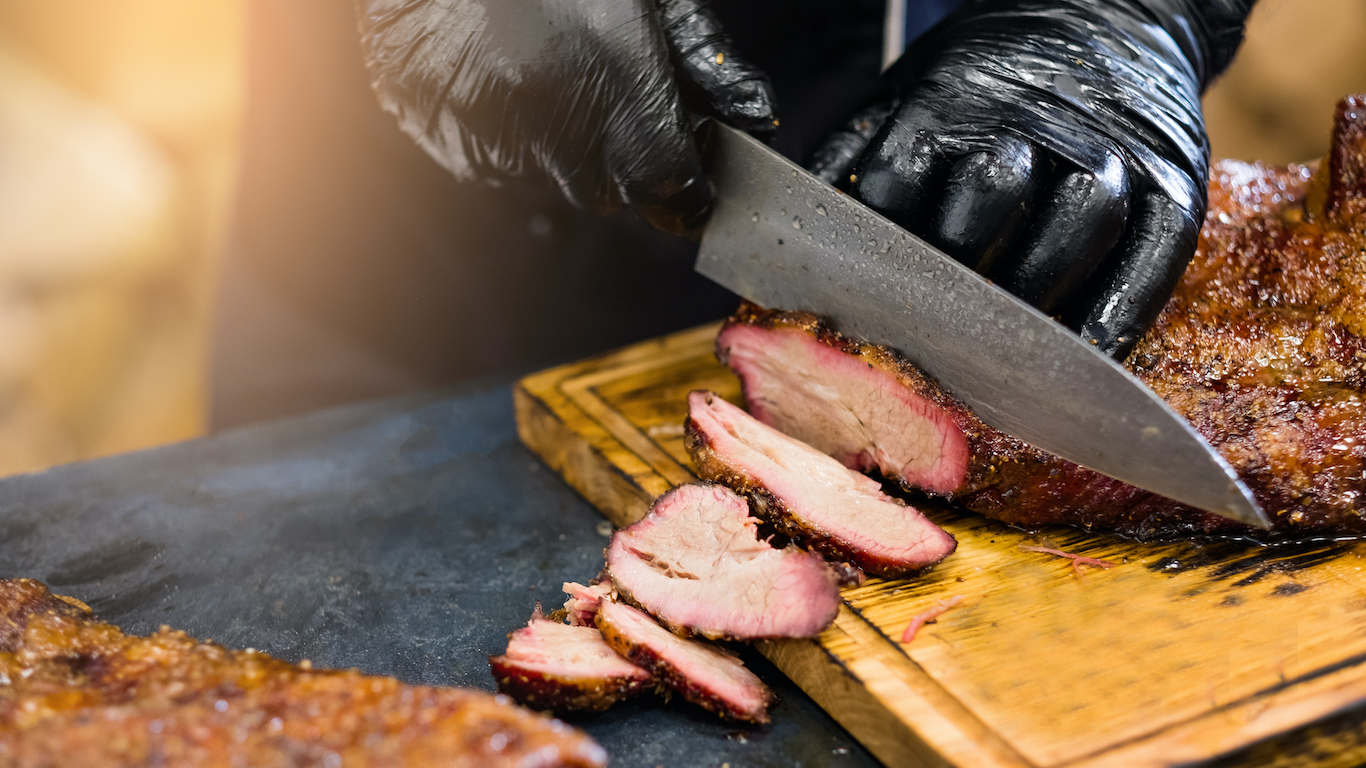
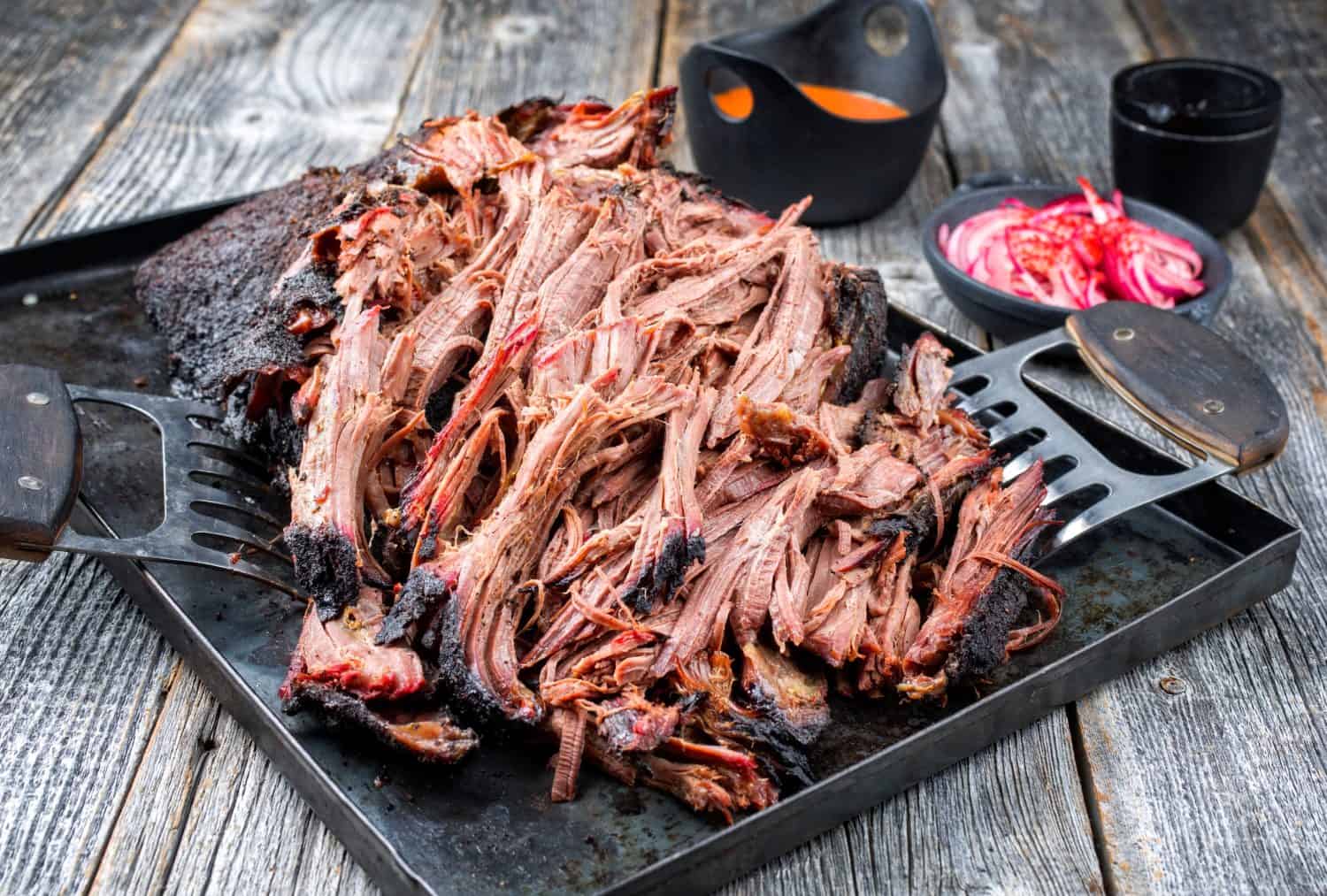
Brisket has become the undisputed celebrity of Central Texas barbecue. The cut comes from a cow’s chest, where heavily worked muscle and connective tissue make it tough if cooked quickly but incredibly tender after hours in a smoker. Great brisket should slice cleanly while remaining moist, with rendered fat and a dark peppery bark carrying plenty of smoke flavor. The Carolinas do not have one equivalent cut because geography changes the answer.
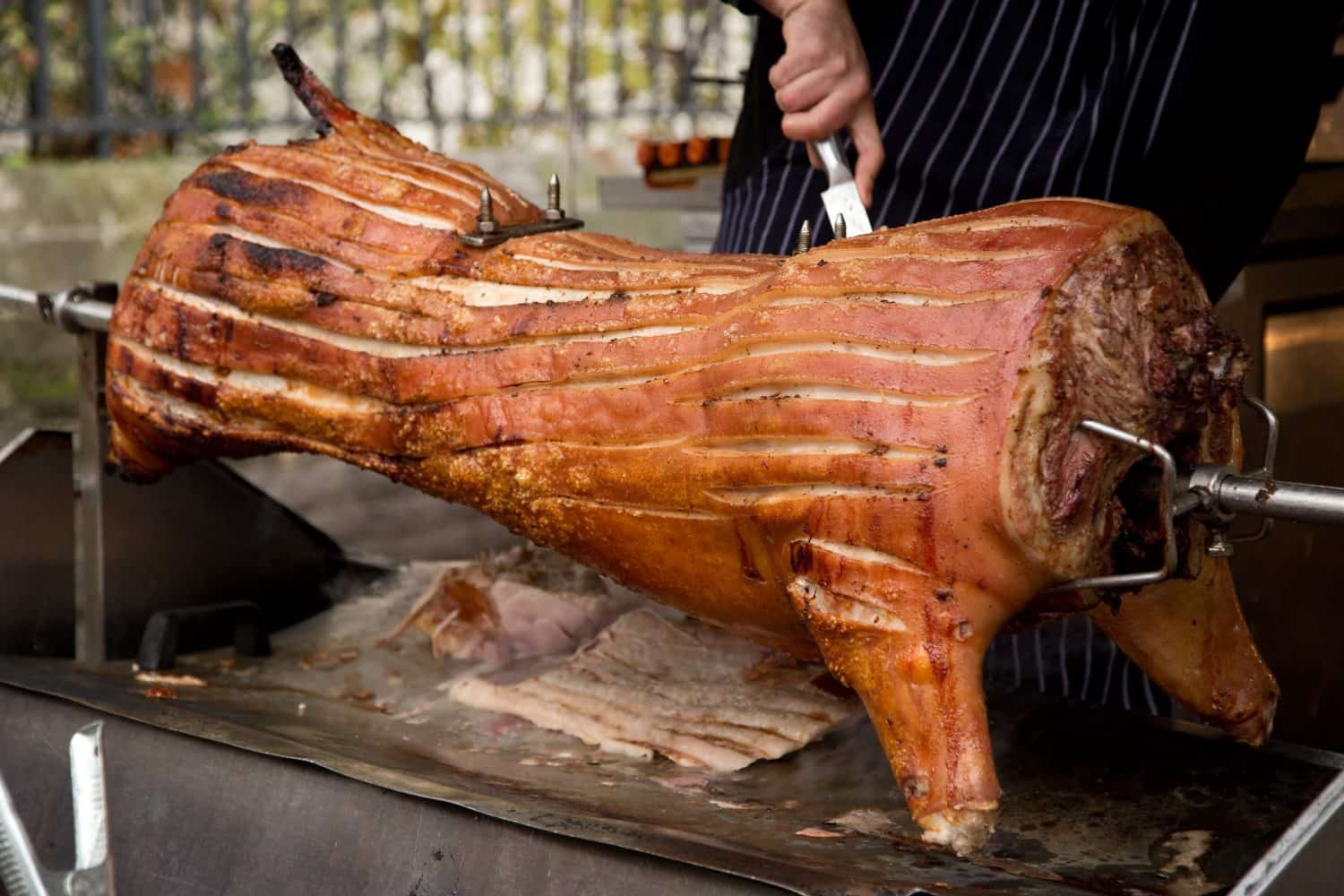
Eastern North Carolina is whole-hog country, where virtually the entire animal cooks slowly and the finished meat can combine lean pork, richer fatty sections and bits of crisp skin. Around Lexington, the tradition focuses instead on pork shoulder, generally chopped or sliced and served with the region’s vinegar-and-tomato “dip.” South Carolina also maintains strong whole-hog and pulled-pork traditions. Calling Carolina barbecue simply “pulled pork” misses half the fun.
3. The Supporting Cast on the Smoker Looks Different Too
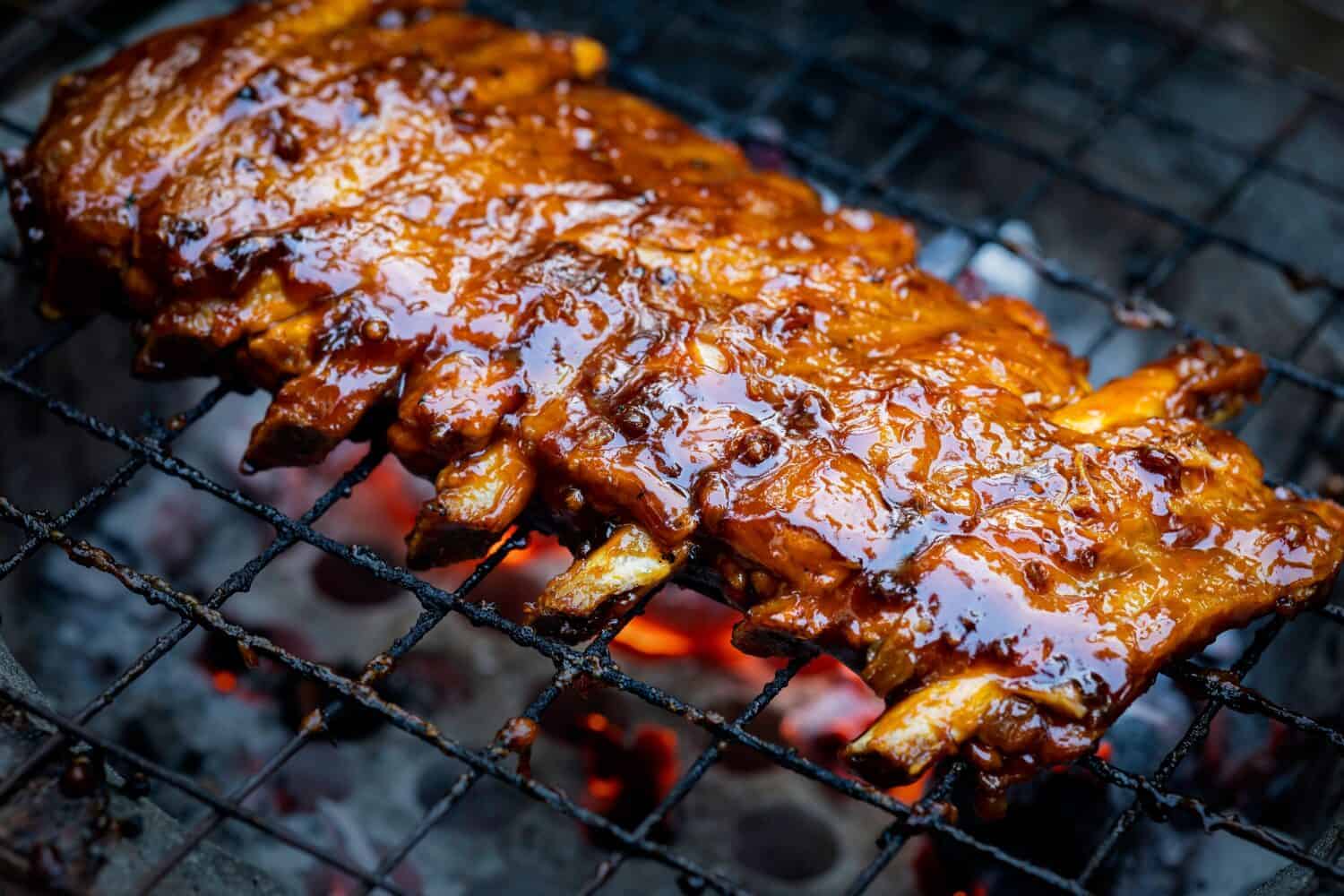
Brisket gets most of the attention in Texas, but stopping there would be a mistake. Sausage is deeply tied to the state’s barbecue history, particularly the Central Texas meat-market tradition shaped in part by German and Czech immigrants. Pork ribs, enormous beef ribs, turkey and chicken are now common at serious smokehouses as well. Head farther south and Texas barbecue begins crossing paths with Mexican and Tejano cooking traditions, including barbacoa made from slow-cooked beef head or cheek.
The Carolinas have expanded their menus too. Pork ribs and chicken are common, and modern pitmasters increasingly cook brisket, turkey and sausage. The difference is that those meats traditionally play supporting roles. In much of the Carolinas, asking for “barbecue” without naming a meat has historically meant pork. In Texas, there is a good chance the first thing everyone pictures is a slab of brisket.
4. The Wood Is Part of the Recipe
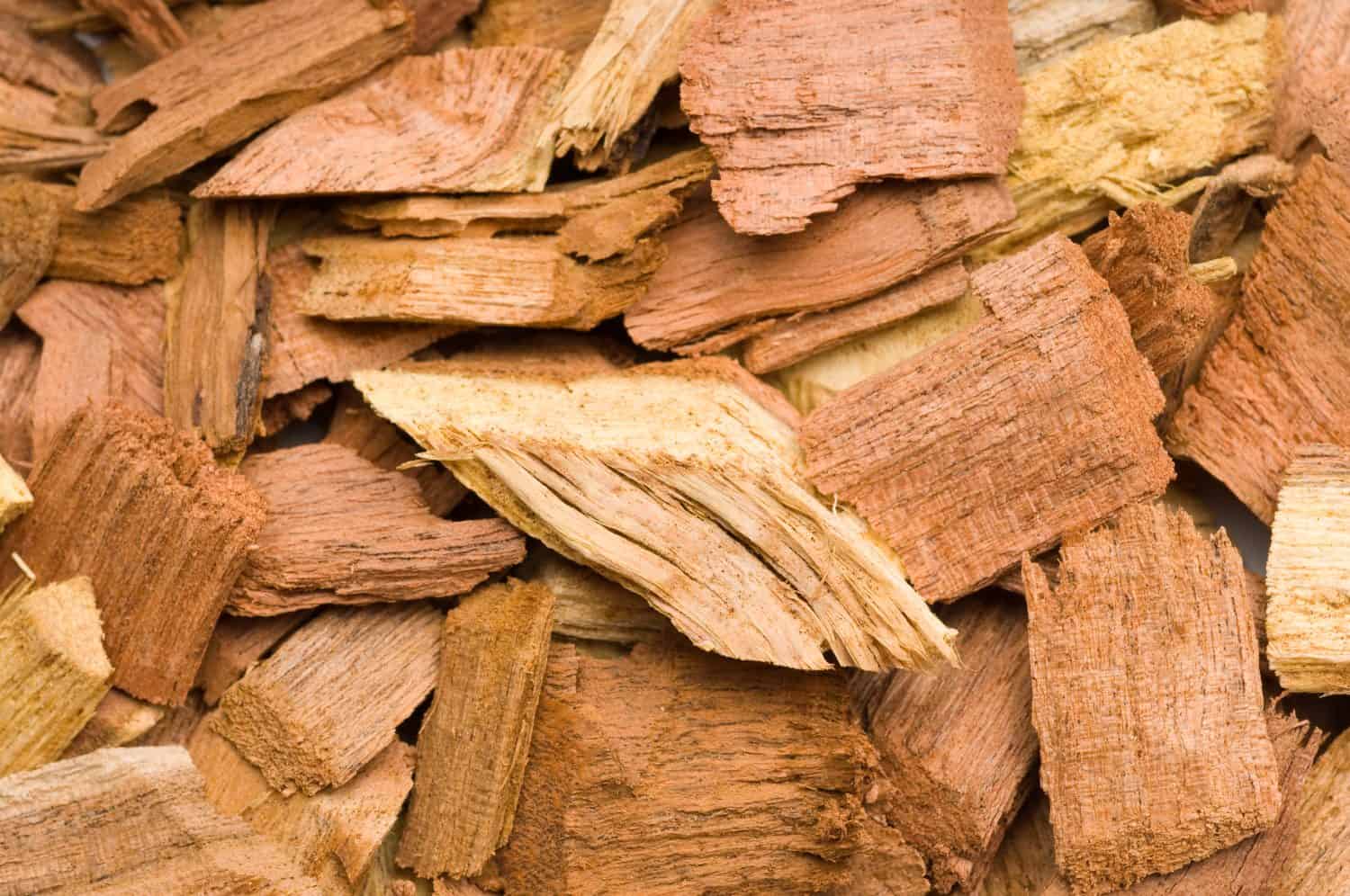
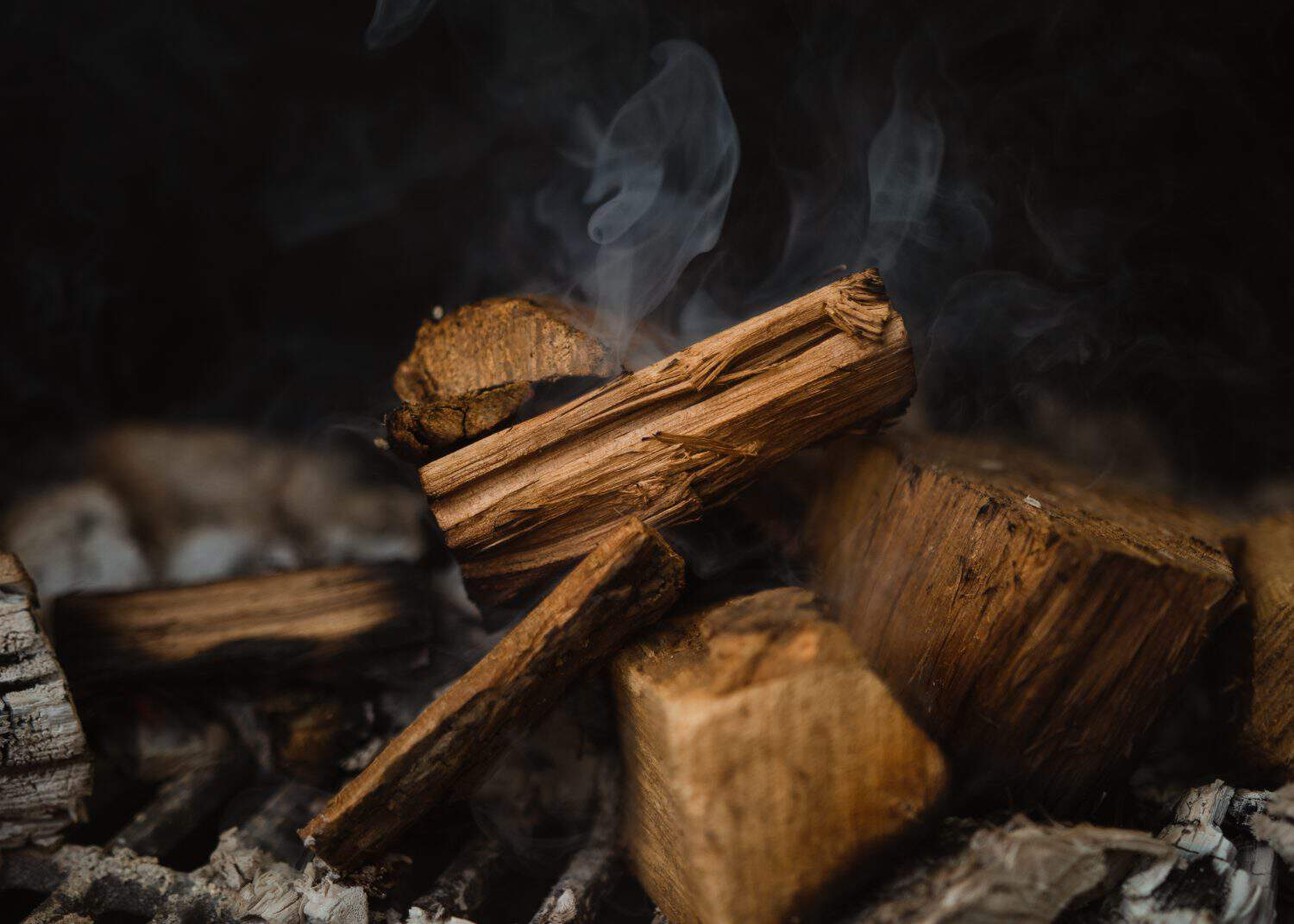
Wood is not just fuel in traditional barbecue. It is an ingredient, and changing it can noticeably change the finished meat. In Central Texas, post oak is probably the wood most closely associated with classic brisket. It burns steadily and produces a relatively clean smoke that can flavor a large piece of beef for hours without completely taking it over.
Mesquite has a much stronger personality and has long been associated with other parts of Texas, particularly farther south and west, while pecan and hickory also show up around the state. Carolina barbecue traditionally leans heavily on oak and hickory. Whole-hog cooks may burn hardwood separately and shovel hot coals beneath the meat rather than simply throwing logs into an offset smoker. Fruitwoods such as apple or cherry certainly get used today, but calling them defining Carolina woods over oak and hickory gives them more regional importance than they really have.
5. Texas Lets the Rub Talk, Carolina Lets the Pork and Sauce Talk
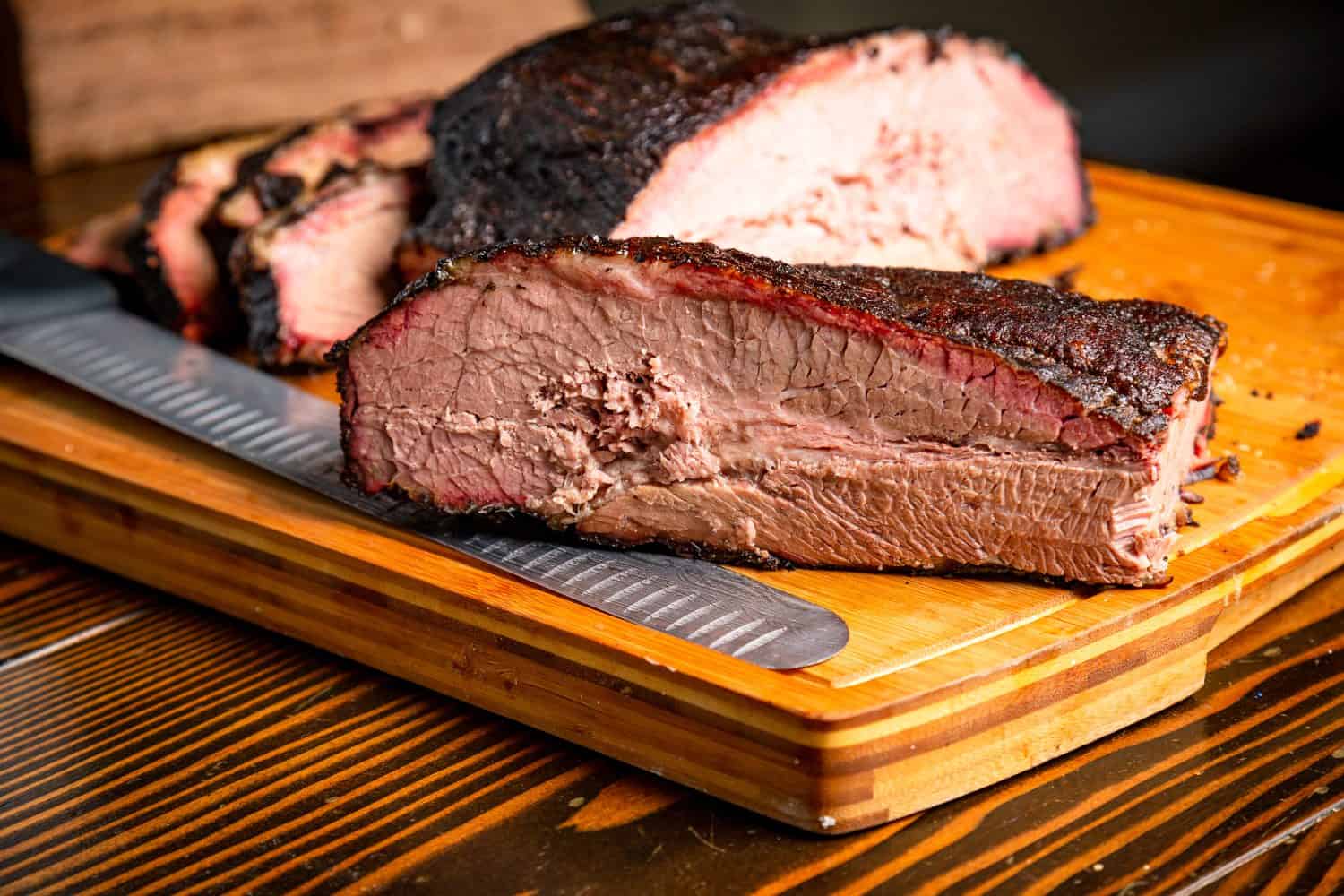
The famous Central Texas seasoning formula is almost comically simple: salt and coarse black pepper. Plenty of pitmasters add garlic, cayenne or other spices, and modern Texas barbecue is far more experimental than the stereotype suggests, but the old philosophy is basically that good beef, wood and fire should do most of the work. Carolina barbecue is not accurately summed up by one standard dry rub of brown sugar, cumin and paprika.
Those flavors certainly appear at barbecue restaurants, but they are not what historically defines the region. Traditional Carolina pork can be seasoned relatively simply because much of its personality comes from the sauce or mop added during or after cooking. Eastern North Carolina’s sharp vinegar-and-pepper dressing cuts through rich whole-hog pork, while Lexington’s thin dip adds vinegar, pepper and a small amount of tomato. In other words, Texas often puts its identity in the bark. Carolina frequently puts more of it in what touches the meat afterward.
6. Sauce Is Where the Carolina Argument Really Begins
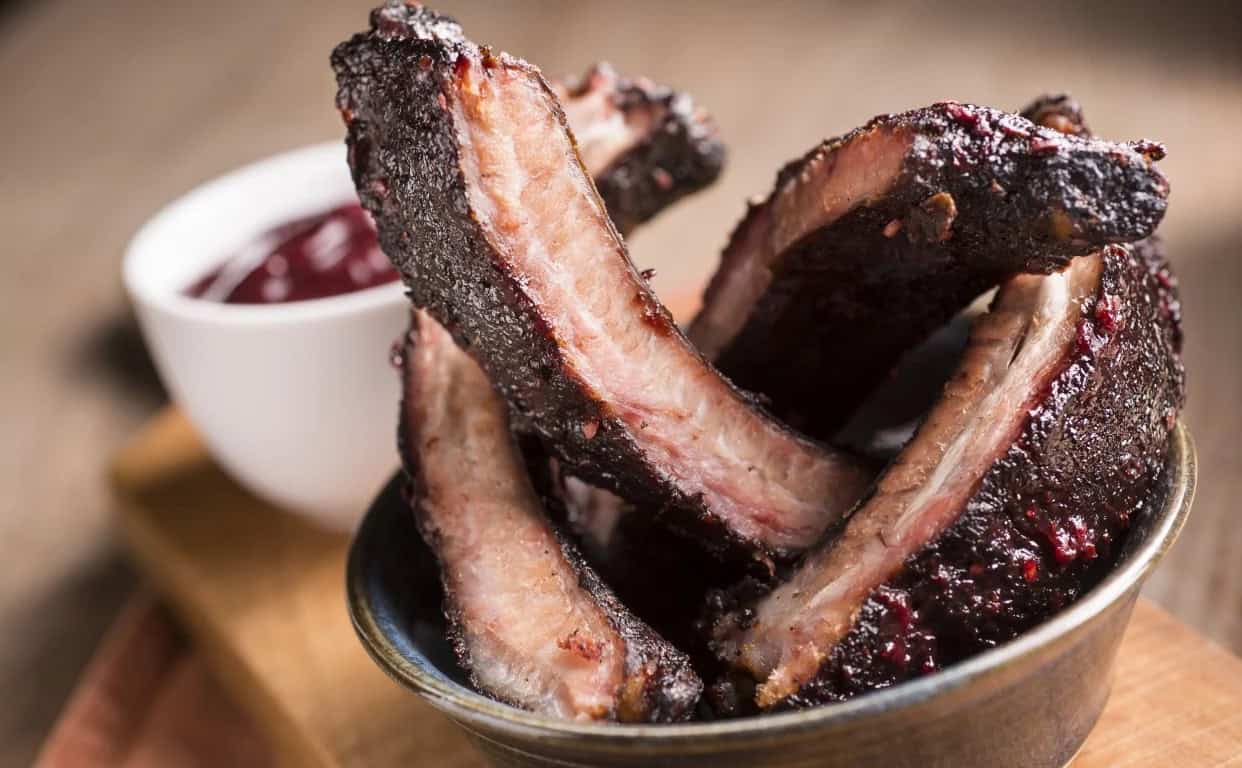
Central Texas barbecue has long embraced the idea that properly smoked meat should not need to be drowned in sauce. Some old-school joints historically offered little or none, while plenty of others serve a tomato-based sauce on the side. East Texas barbecue has traditionally been more comfortable with sauce, and today’s Texas smokehouses run the gamut from thin, savory mixtures to sweeter tomato-heavy versions. The Carolinas are where you need a map. Eastern North Carolina is famous for a thin vinegar-and-pepper sauce with essentially no tomato. Move west toward Lexington and the sauce becomes a vinegar-based “dip” with ketchup or tomato added. Cross into South Carolina and things get even more complicated. The state recognizes four major traditions: vinegar-and-pepper, mustard, light tomato and heavy tomato. The bright yellow mustard sauce people often call “Carolina gold” is especially associated with the South Carolina Midlands, not the entire region.
7. The History Is Much More Complicated Than Texas vs. Carolina
Trying to assign American barbecue to one culture or one state is where food history starts getting messy. The word itself traces back to barbacoa, a term Europeans used for cooking methods they encountered in the Caribbean. Indigenous cooking techniques, European livestock and preservation practices, and generations of African and African American pitmasters all helped shape what eventually became Southern barbecue.
The regional branches developed from there. Texas added its own layers. German and Czech butchers helped shape the smoked-meat and sausage traditions associated with Central Texas meat markets, while Black and Hispanic Texans were also part of the culture that transformed smoked meat into the barbecue tradition people recognize today. Mexican and Tejano foodways remain especially visible in South Texas through dishes such as barbacoa. Carolina barbecue followed a different path around hog farming, whole-hog cooking and vinegar-based seasoning. Neither tradition came from one neat origin story.
8. The Sides Can Give Away Where You Are
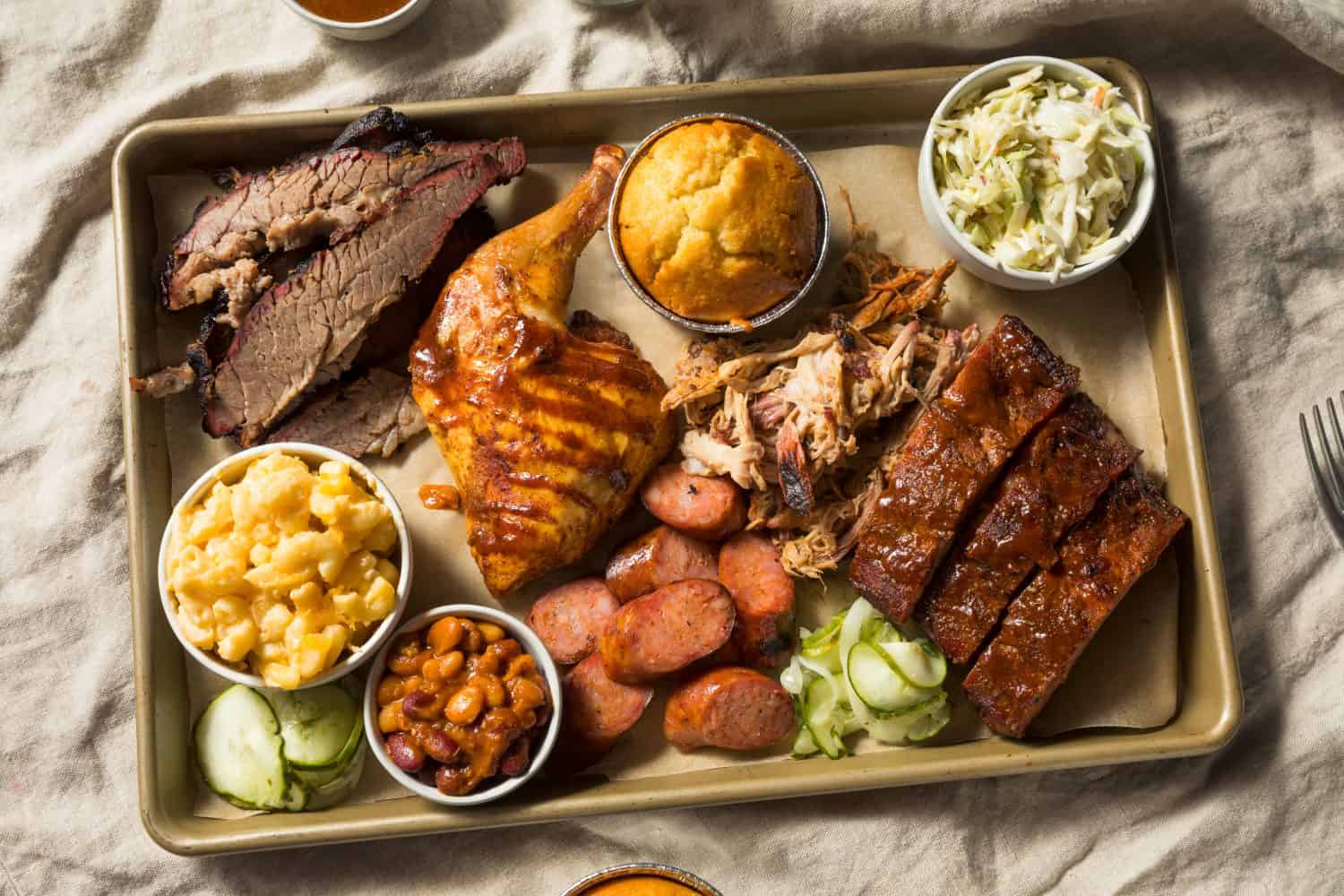
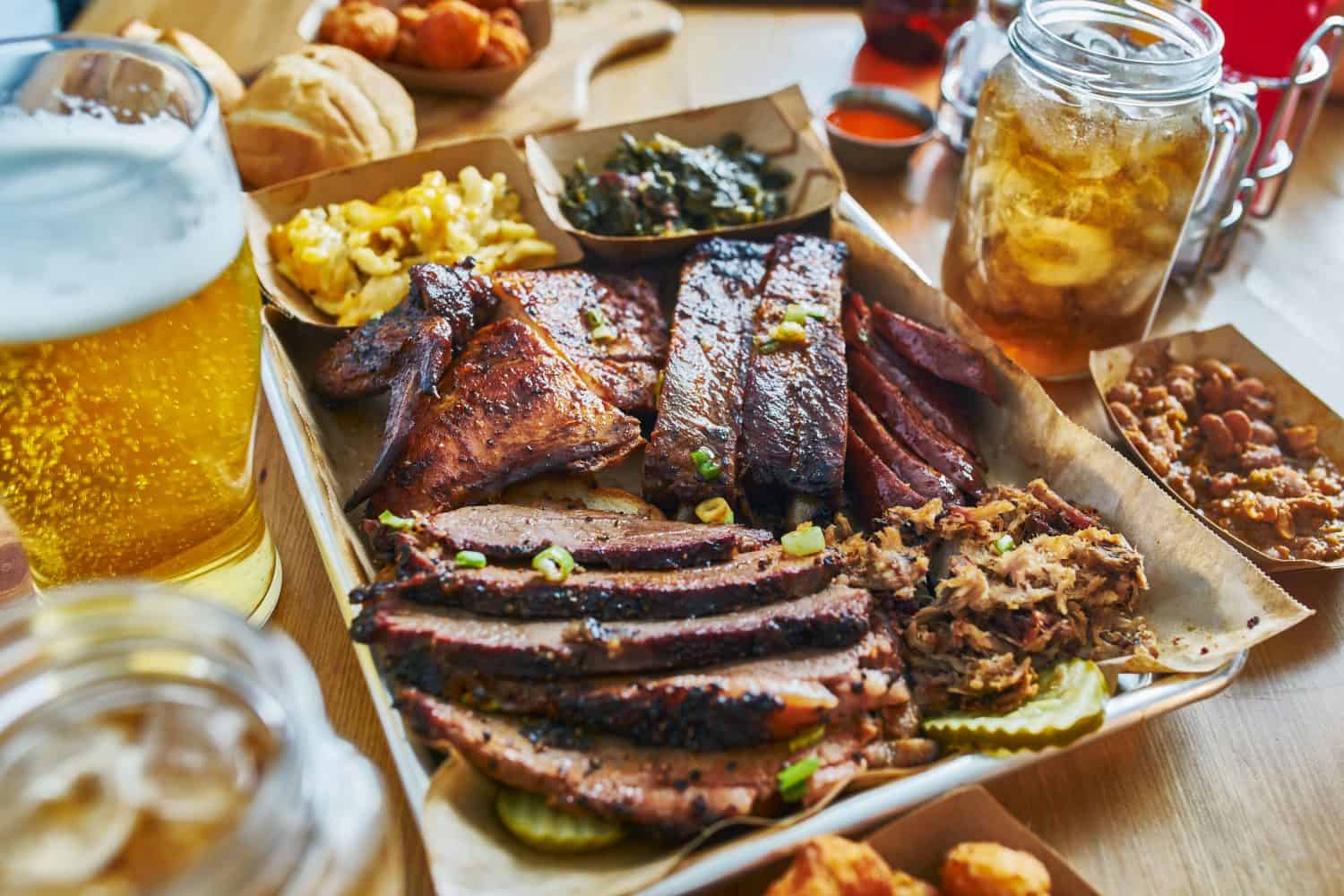
By the time the sides arrive, the regional clues can become just as obvious as the meat. A classic Central Texas barbecue tray might come with sliced white bread or crackers, raw onion, pickles and jalapeños, with pinto beans, potato salad or coleslaw filling out the plate. Those simple accompaniments are connected to the old meat-market style of buying smoked meat by the pound and eating it with whatever basic foods were available.
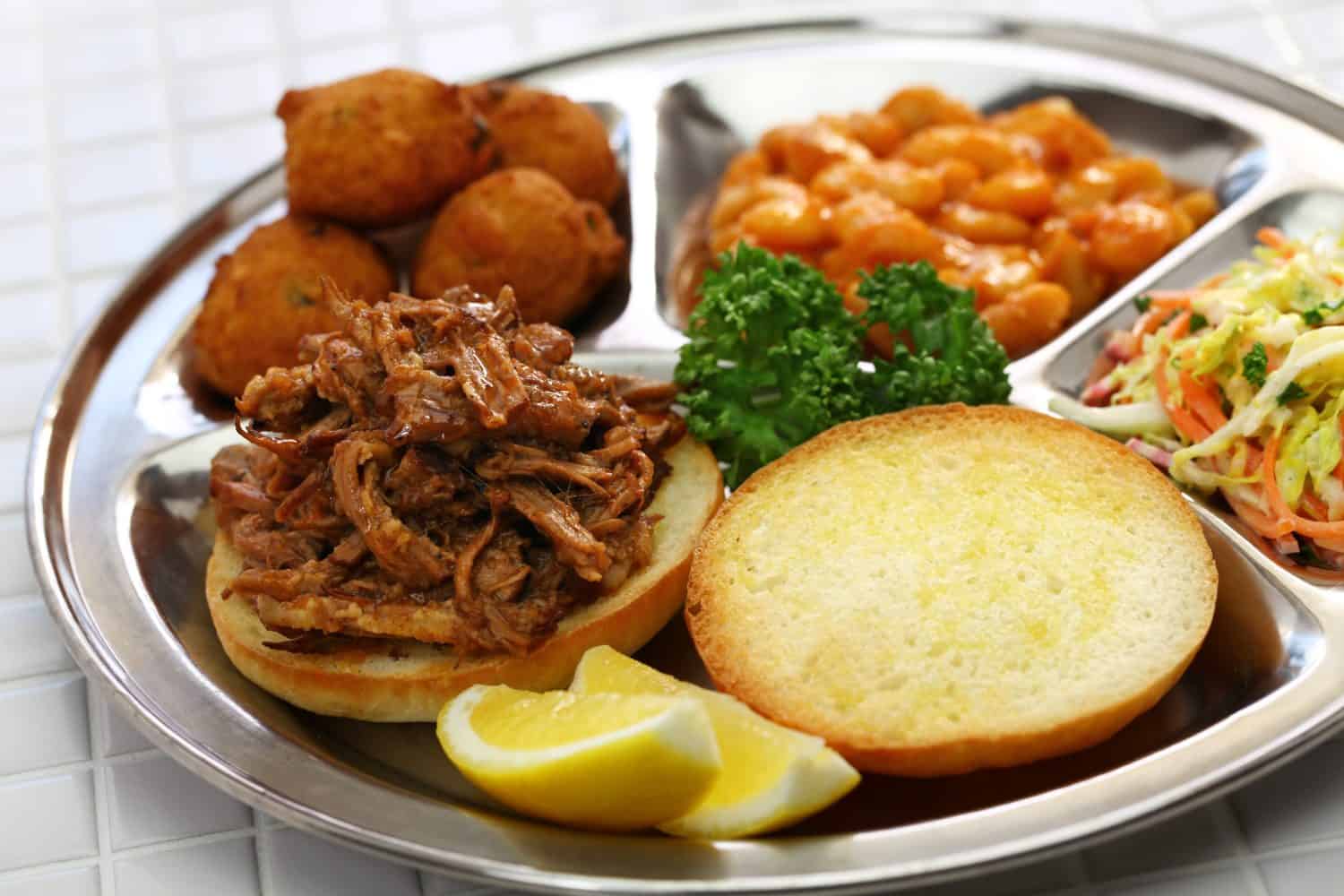
In North Carolina, hush puppies and slaw are much harder to escape, and that is a good thing. Lexington is especially famous for red slaw, which gets its color and tang from the same ketchup-laced vinegar mixture used with the pork. Eastern North Carolina plates might add white slaw, cornbread or boiled potatoes depending on the restaurant. South Carolina adds another tradition entirely with barbecue hash, a slow-cooked meat stew or gravy usually served over rice. Hash recipes vary dramatically and may contain pork, beef, organ meat or combinations of several meats, so calling it simply a “pork and offal stew” is way too narrow.
The fun part is that none of this requires picking a winner. Texas brisket and Carolina whole hog are solving different problems with different meats, woods, sauces and histories. If anything, arguing over which one is “real barbecue” misses the best part. Order both, bring extra napkins and conduct your own extremely scientific research.