









9 Once Common Funeral Practices That Becoming More Rare
Before the twentieth century, most Americans handled death and burial at home, without the help of funeral industry professionals. Elaborate services simply weren't an option for the average family, both culturally and financially. But as the 20th century unfolded, that began to change. Funeral services became more accessible and commercialized, leading to a new industry built around death, one where embalming, caskets, and professionally managed ceremonies became the norm. What families once did themselves became something people outsourced.
Now, in the 21st century, we're seeing yet another shift. As values change and traditions evolve, many long-standing American funeral customs are falling out of practice, giving way to simpler, more personal, or eco-conscious alternatives. In this piece, we explore the funeral traditions that are starting to fade, and the outdated ways of thinking about death that are disappearing with them.
To put this list together, we examined current trends in modern funeral practices, then traced them back through 20th-century traditions to identify what's being left behind in today's changing cultural landscape.
Funerals, In General
Death industry specialists, Endly, have found that more than half of all those who have died in the past few years have opted for a cremation burial instead of the more traditional embalming, wake, and funeral. The funeral, in and of itself, has started to go out of style in favor of more informal social gatherings to share stories, grieve, and remember our loved ones. In the past, people sometimes prepared for additional social gatherings if they desired to have one to celebrate their life. However, now, this informal social event is the primary event of the deaths of many Gen X and millennials.
There are many reasons one might wish to opt for a funeral-free death proceeding. One is that traditional burial grounds use a massive amount of land and many have called into question the ethics of using so much land for this reason when cremation is now widely available for death proceedings. Additionally, these proceedings can be quite pricey and many millennials and Gen Xers simply lack the appropriate savings necessary to fund such a grand event. Even just purchasing a casket is out of the question for many who are facing death in the 21st century, leaving them no choice but to pursue cremation or a shroud burial if they're looking for a traditional burial.
Viewing and Visitation
One of the most poignant parts of dying in the 20th century was your viewing and visitation period. During this time, friends and family could visit with your body and grieve together or alone. However, as the traditional funeral starts to fall by the wayside, so do the viewing and visitation periods of the death proceedings of many modern individuals. After all, with more than half of the deceased choosing cremation, there is simply nobody to view and visit with.
Funeral Attire
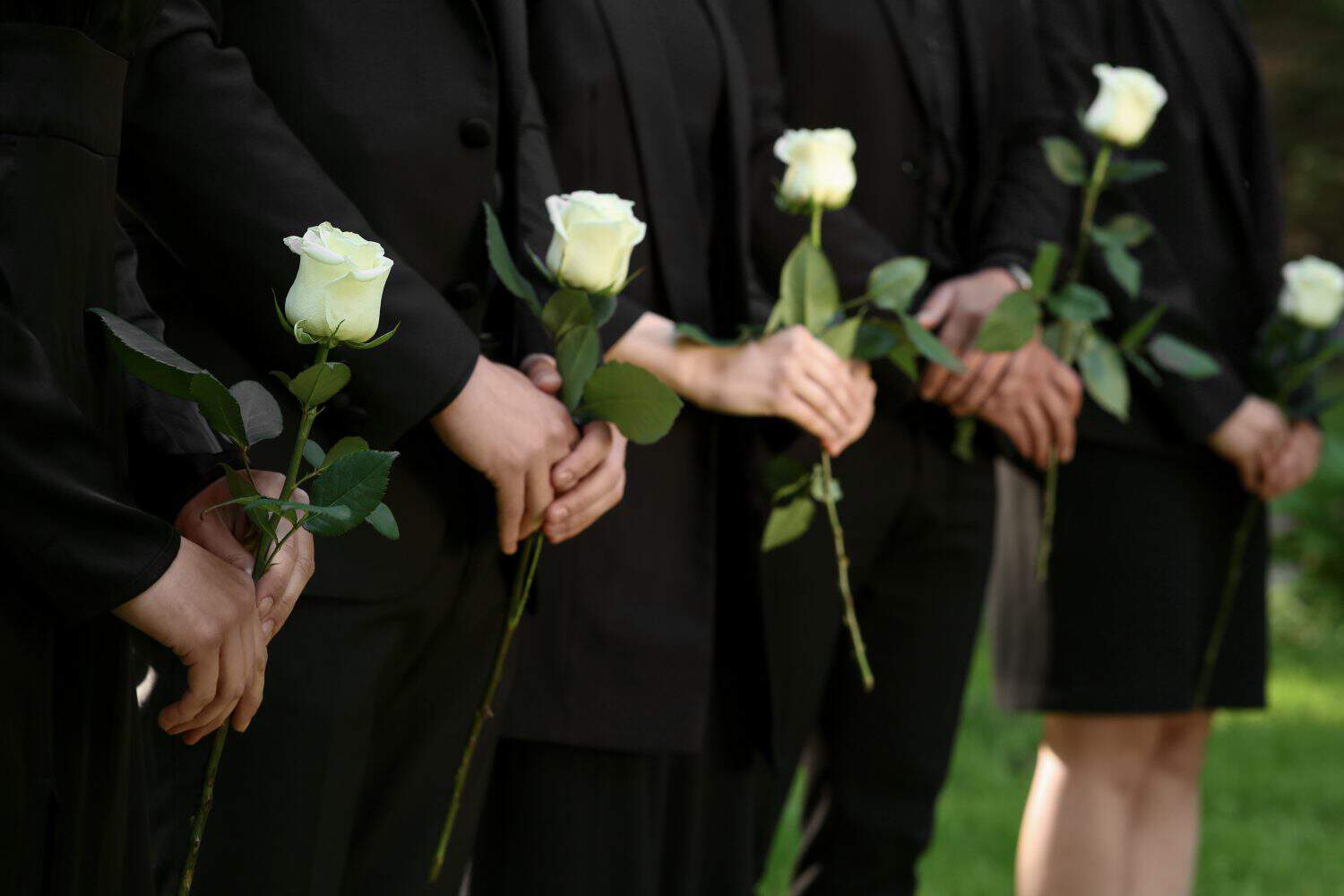
Formal funeral attire is no longer a requirement for the proceedings of many young deceased. In part, again, due to the lack of formal funeral services, there is no need for the grieving to get all dressed up for what will likely amount to an informal gathering of friends and family. While most people still seem to dress in solemn attire, options for darker, neutral colors, the need to look nice and fancy while you're sobbing and dripping snot everywhere seems to be becoming a thing of the past.
Burial Ceremony
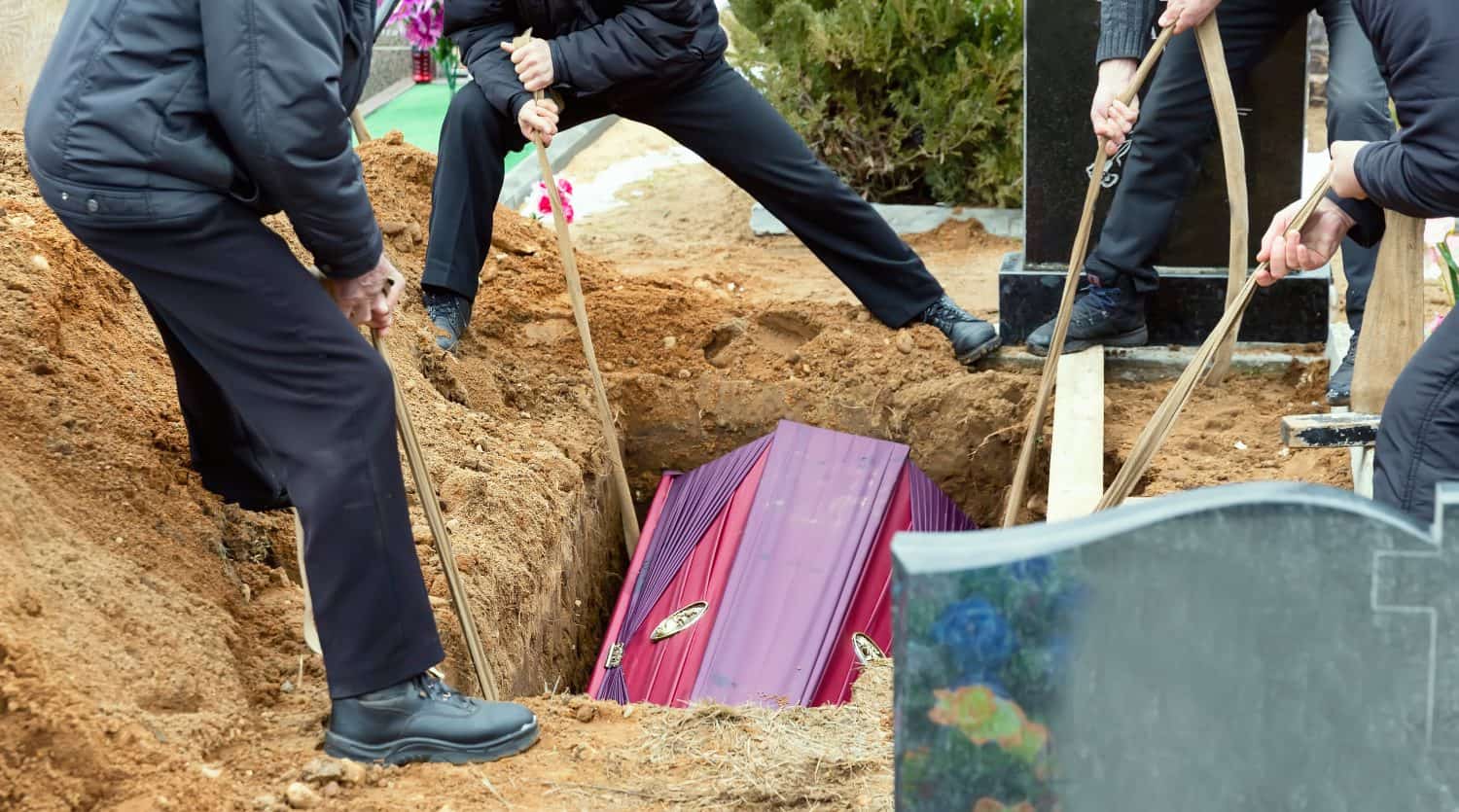
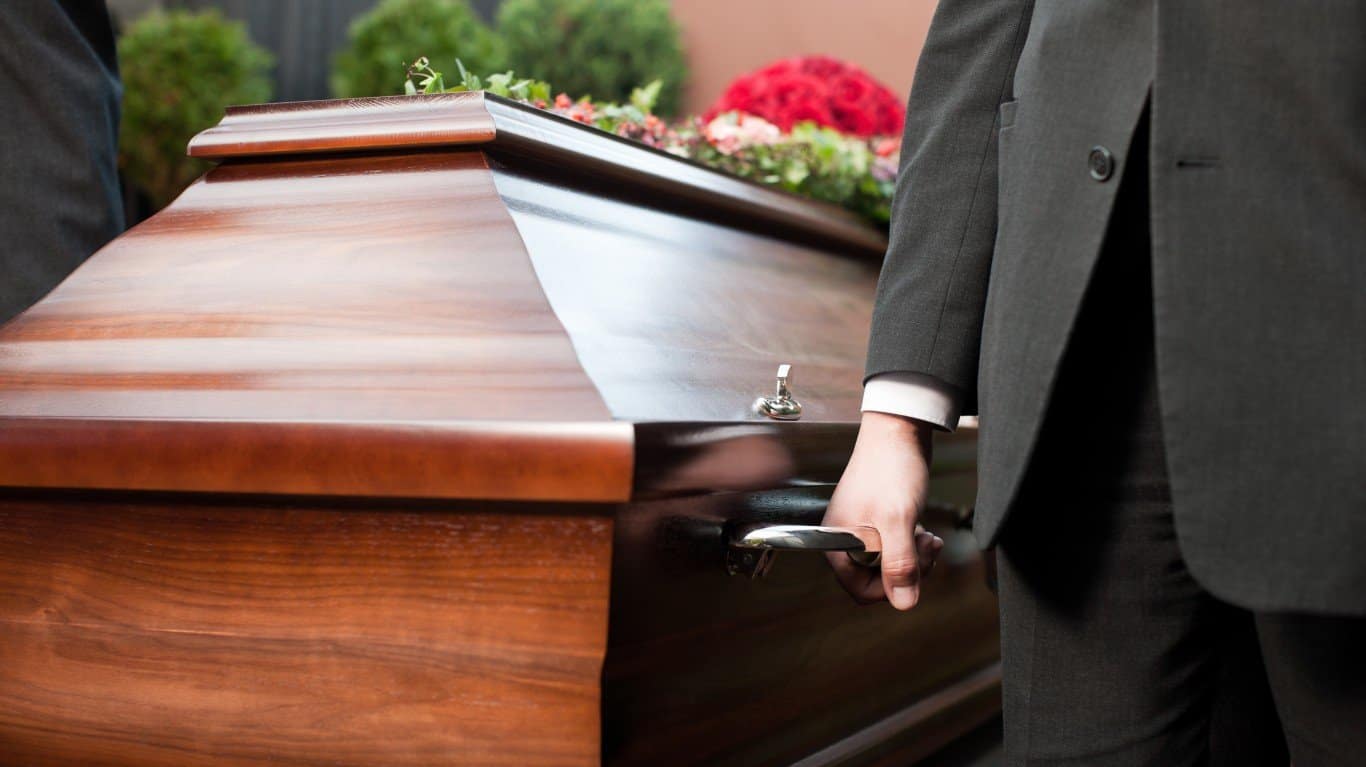
With cremation being more widely available, more people are choosing to be cremated instead of performing a traditional burial ceremony. In the past, the burial ceremony had many parts. First, the casket would be lowered into the gravesite. Then, there would be readings of various prayers and other passages to remember the deceased. After the readings, there would be a short period where friends and family could say their last goodbyes to the deceased, and then the grave would be ceremonially covered to end the event. However, with nobody to bury, these traditions are becoming rarer in the modern day.
Sometimes, friends and family would perform a "burial ceremony" at a crematorium, shortly before the body was cremated. However, many deceased now are going straight into the cremator and forgoing the interpersonal fanfare.
Eulogies, Hymns, and Readings
The burial ceremony isn't the only part of the death industry where reading passages for the deceased is seen. It can also be a part of the funeral proceedings along with the eulogies and hymns. While eulogies, prayer, and readings were traditionally a part of several funeral proceedings, they are becoming less common. Additionally, in services that have intentionally removed several parts of the traditional proceedings, there may be a period of eulogies and readings but it may be shorter than it would have been in the past.
In the modern day, a lot of eulogies and readings take place at informal gatherings meant to celebrate the deceased's life and accomplishments rather than at a dedicated funeral. These get-togethers might have several speakers lined up or simply allow people to share as they desire.
Somberness
Another thing that has become less prevalent in the modern day of death care is the inherent somberness that many older folks associate with funerals. With the traditional funeral portion of death care quickly becoming less prevalent, so too has the somberness that goes along with it. Many young people who die are now opting to throw a "Life Celebration" which takes a less somber approach to death. Instead of mourning for the loss of the person, attendees are encouraged to celebrate and be happy that the person was ever alive to begin with. It's a unique tradition that has a decorated history in many cultures before being adopted by modern Americans.
"One-Size-Fits-All" Death Care
The death industry is seeing a change in the way people view memorialization. In the 20th century, much of the memorialization process was undertaken by the funeral home/parlor and the funeral director. The services were packages that offered little customization despite how expensive they were. The modern view in America is strongly toward personalized experiences. Young people are willing to put serious money behind a project if it feels personalized to their needs and expectations. This mentality has even extended into death care where modern people are paying more for "DIY" death care services where they can create the event they envision their loved ones appreciating.
There has also been a marked return to 19th-century funeral traditions where the funeral is prepared, hosted, and executed primarily by the family of the deceased. These family-led funerals are becoming more common in America, but they have an extensive history in culture with more robust Western historical presences.
Ends and family would perform a "burial ceremony" at a crematorium, shortly before the body was cremated. However, many deceased now are going straight into the cremator and forgoing the interpersonal fanfare.
Religious Death Ceremonies
According to statistics from just before the acute stages of the COVID pandemic, non-religious people —atheists, agnostics, and those who identify as "nothing in particular" religiously — accounted for around 23% of all deaths. With the number of religiously non-affiliated people rising in America, there are more options than ever to have a non-religious death proceeding. Many people are forgoing the church procession and readings by priests. While religiously affiliated ceremonies still comprise the majority of death industry ceremonies, the number of non-religious ceremonies and options therein has increased greatly since the inception of the death industry in the 19th century.
Corpse Brides
This has been out of style for a relatively long time compared to some of the other things on this list which are only recently becoming less common. However, this practice was still relatively common until the middle of the 20th century and certainly deserves a mention for just how strange it might seem to a modern audience.
In the 19th and 20th centuries, it wasn't uncommon to view women as "less than", people whose only value to the world was getting married and having children. Thus, a woman who died before getting married was often viewed as having been a "failure" of some sort, even if she did not influence her death.
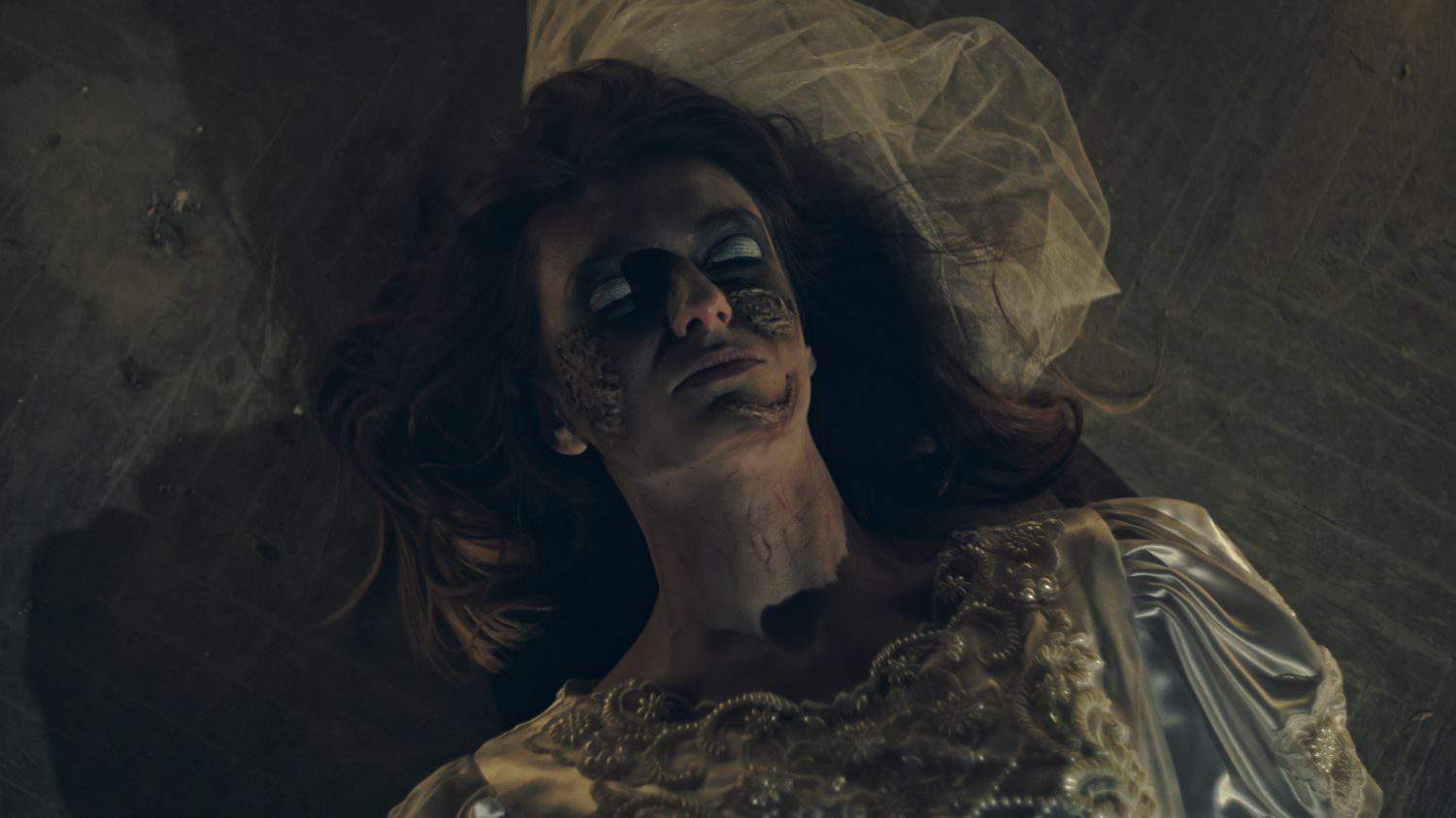
In these situations, the deceased woman might be considered "married" to a male family member. She would be dressed in bridal attire at all of her funeral proceedings and treated as the spouse of whichever family member was chosen as her "husband."