Pavel1964 / Shutterstock.com
Donald Miralle / Getty Images Sport via Getty Images

Ezra Shaw / Getty Images Sport via Getty Images
anatoliy_gleb / Shutterstock.com
Sergii Kumer / Shutterstock.com
Jamie Squire / Getty Images Sport via Getty Images
Eric Gevaert / Shutterstock.com
Master1305 / Shutterstock.com
Real Sports Photos / Shutterstock.com
KOTOIMAGES / Shutterstock.com
Daria Voronchuk / Shutterstock.com


As any athlete can attest, training to be in peak condition takes a lot of hard work and dedication. There are also significant challenges they often face, from injuries and mental health issues to a fear of failure or burning out at a young age. For some athletes, the added challenge of extreme heat can impact how they perform. Especially those not used to warmer climates.
Certain fields of sport can greatly test an athlete's capacity to perform well in extreme heat. Endurance sports, those activities that require a lot of physical effort over a long period, can test an athlete's ability in normal circumstances but when temperatures go above the norm, it can add to their challenges and test their reserve. It can be difficult to acclimate to the sun's intense heat, putting many at risk of heat stroke and dehydration.
This is an even greater risk for athletes who live and train in cooler temperatures and who aren't used to excessive heat, making them more prone to developing heat illnesses. This leads them to get creative with their training. (Don't miss the most iconic Summer Olympics moments in history.)
To put together this list of how extreme heat tests the resolve of athletes in endurance competitions, 247 Tempo reviewed several sources, including the official Olympics website, the National Institutes of Health (NIH), Forbes, The New York Times, and Psychology Today.
Road Cycling
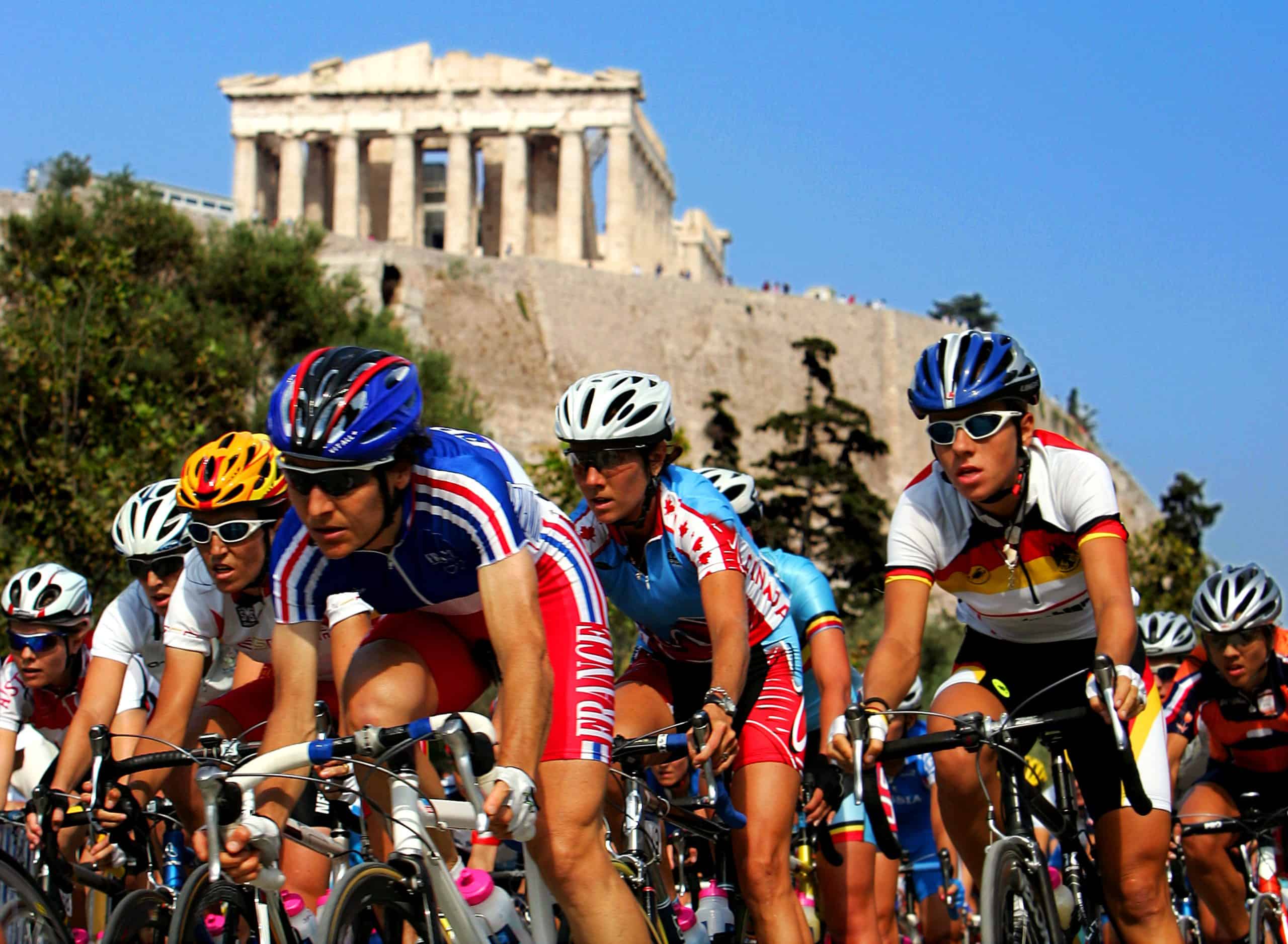
There are multiple cycling types, but the sport's first iteration was road cycling. With road cycling, there are two main events: The actual road race and the individual time trial. Olympians will be facing the heatwave in Paris in 2024 and must be able to overcome the challenges they face.
Athletes equip themselves with hydration systems and use cooling tools like neck coolers to prevent overheating. Their rehydration protocols are precise, so they know how to keep themselves fueled and cooled. The preparedness training Olympians are going through is not done flippantly—it's a science.
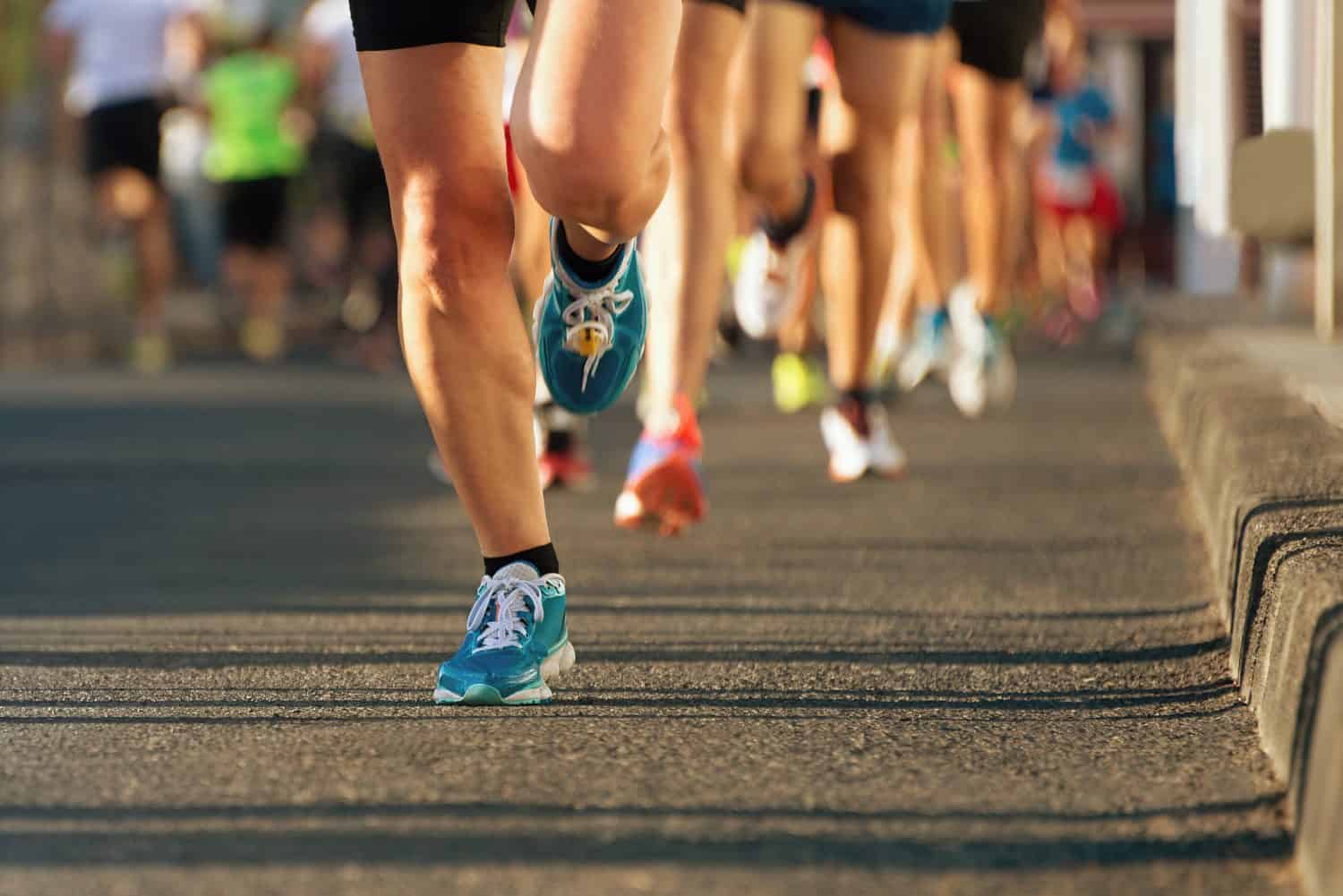
Marathon and Race Walking
Olympians are aware of their upcoming undertaking and are taking precautions. For example, Rhydian Cowley, an Australian race walker for the 20km walk, is incorporating heat acclimation sessions into his training. Each week, he has multiple sessions in a heat chamber so that his body can get used to the intensity of the heat. This is yet another aspect of endurance building.
Mountain Biking
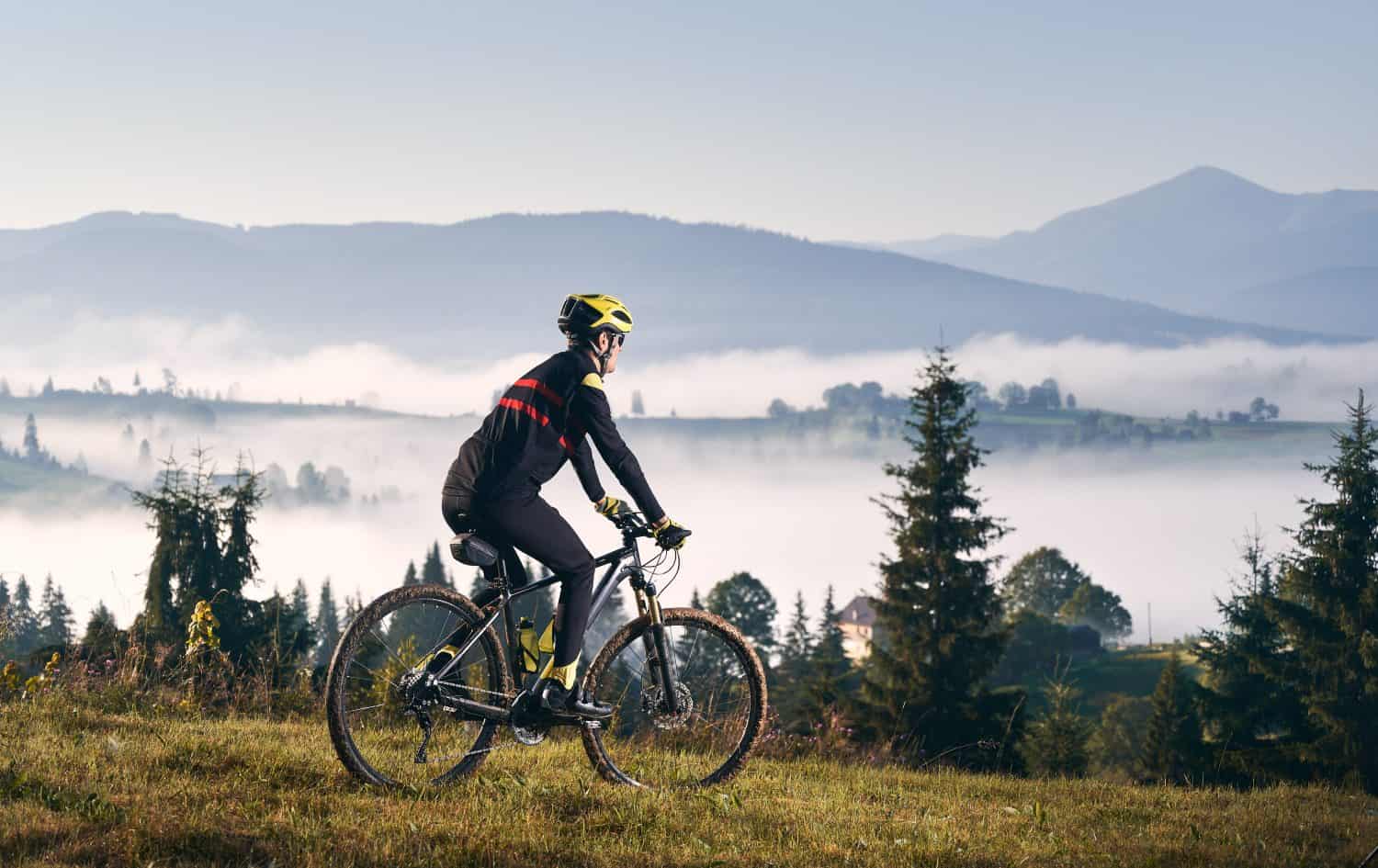
When cycling goes off-road, it's called mountain biking. This sport is still somewhat new, having started in the 1970s. Within those first two decades, riders realized they needed better equipment to handle the rougher trails. In the Olympics, there are two mountain biking events and they're not separated by terrain. They're separated by gender.
Mountain biking athletes have to keep up their endurance while also testing out their techniques. Dr. Carolyn Broderick who works as the medical director of the Australian Olympic team told The New York Times that acclimatization is the only way for athletes to prepare. Training in the heat allows them to endure these extreme temperatures.
For some athletes, that means moving to a hot and humid location so they can immerse themselves in the conditions they'll be facing.
Equestrian
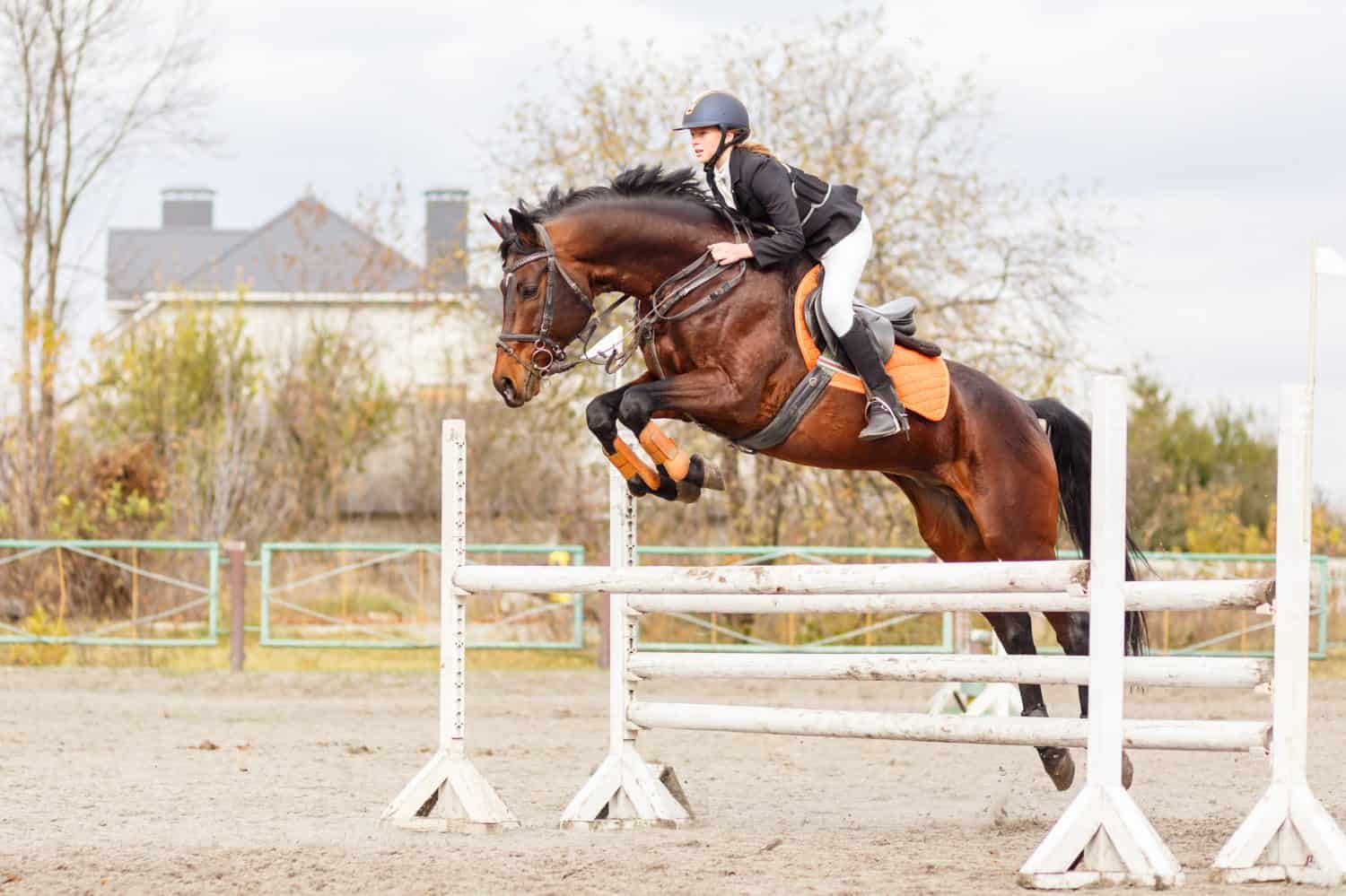
The modern discipline observed today in equestrian events was established in 1729 by the Spanish Riding School located in Vienna, Austria. Whereas some sports are separated by gender, equestrian disciplines are not. The Paris 2024 Olympics included the jumping discipline, dressage, and an equestrian triathlon, which covers the previous two events, as well as a cross-country event.
It's not just the athletes who need to stay cool. The horses do, too. To help cool down a horse, cold water cooling is best. Cold water can also be helpful for riders who may choose to soak their hair with water as cold as they can handle before heading out to the event. With scheduling that accounts for heat at different times of day, Olympians can ensure they're not facing the most extreme hours of the day.
Triathlon
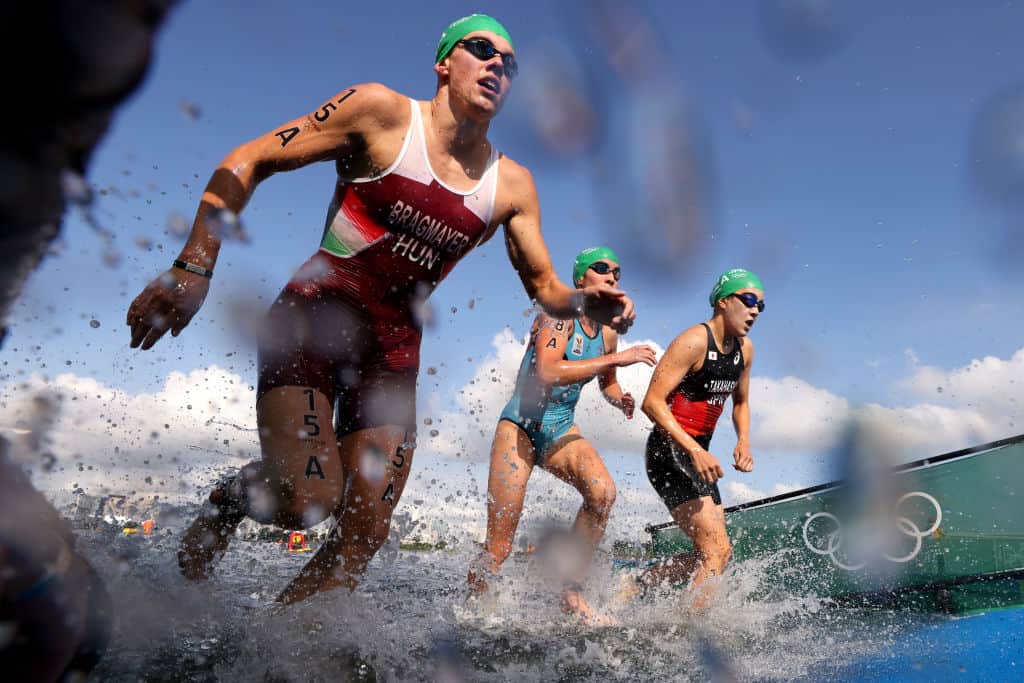
Triathlons involve three separate events completed right after the other. It's still relatively new, having been invented in the 1970s. There are men's events and women's events and the three disciplines include a 1500m swim, a 40km cycle, and a 10km run.
To prepare, Olympians must focus on preparedness for excessive heat. Part of that involves in-race fueling and cooling protocols. Their approach to the events must be calculated and comprehensive, focused on performance, nutrition, and hydration.
Pentathlon
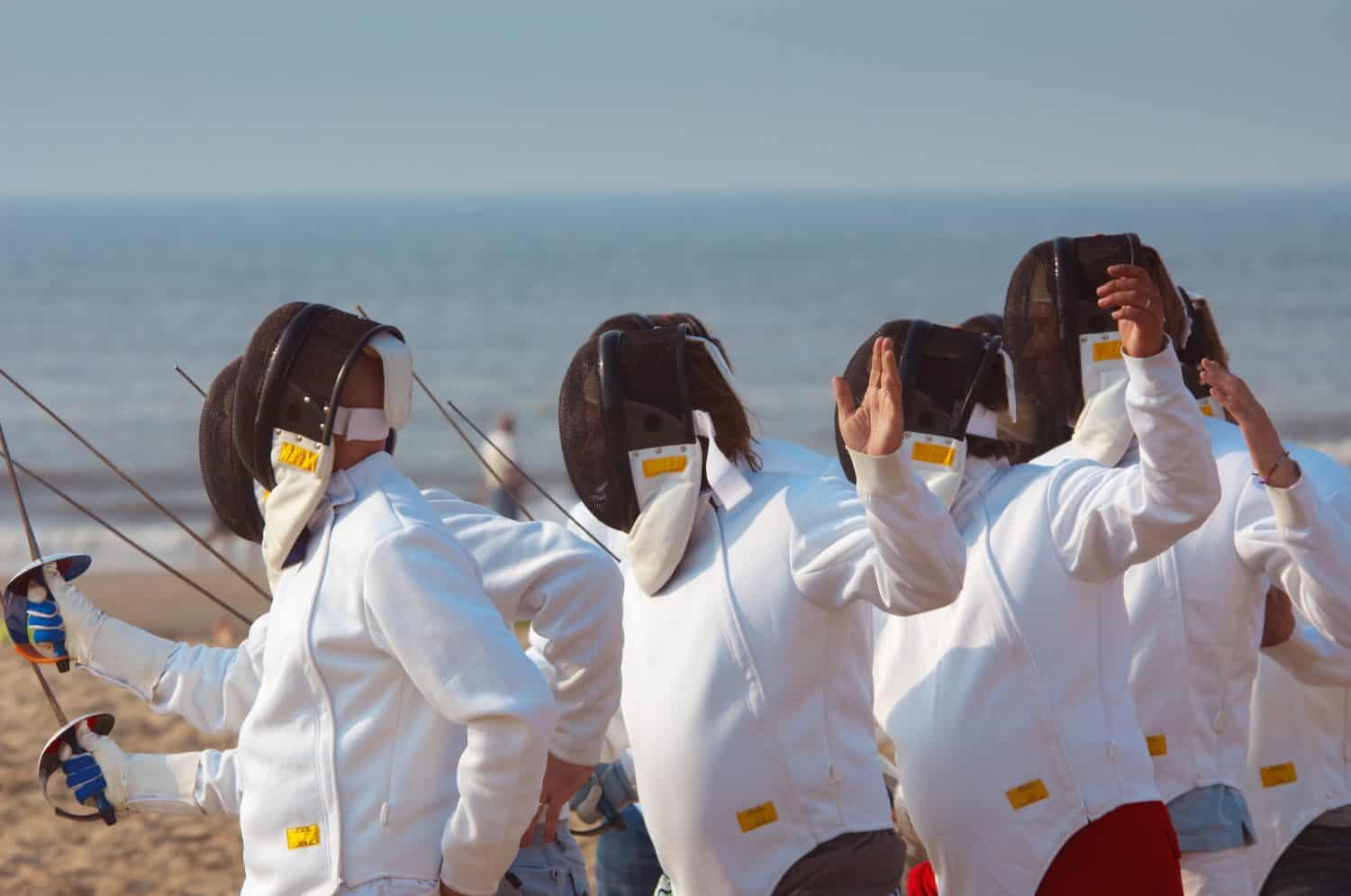
The Olympic Modern Pentathlon is a competition that comprises a total of five sports spread over four events. The events include riding, fencing, swimming, running, and shooting. With so much diversity, athletes must prepare to handle not just the physical toll of the competition, but also the mental toll of such a demanding set of events.
Athletes are preparing in various ways. Some are practicing heat acclimation via sauna post-workouts. They are also using special outfits with non-breathable fabrics to increase their endurance in severe heat and prepare their body to handle what's to come.
Sport Climbing
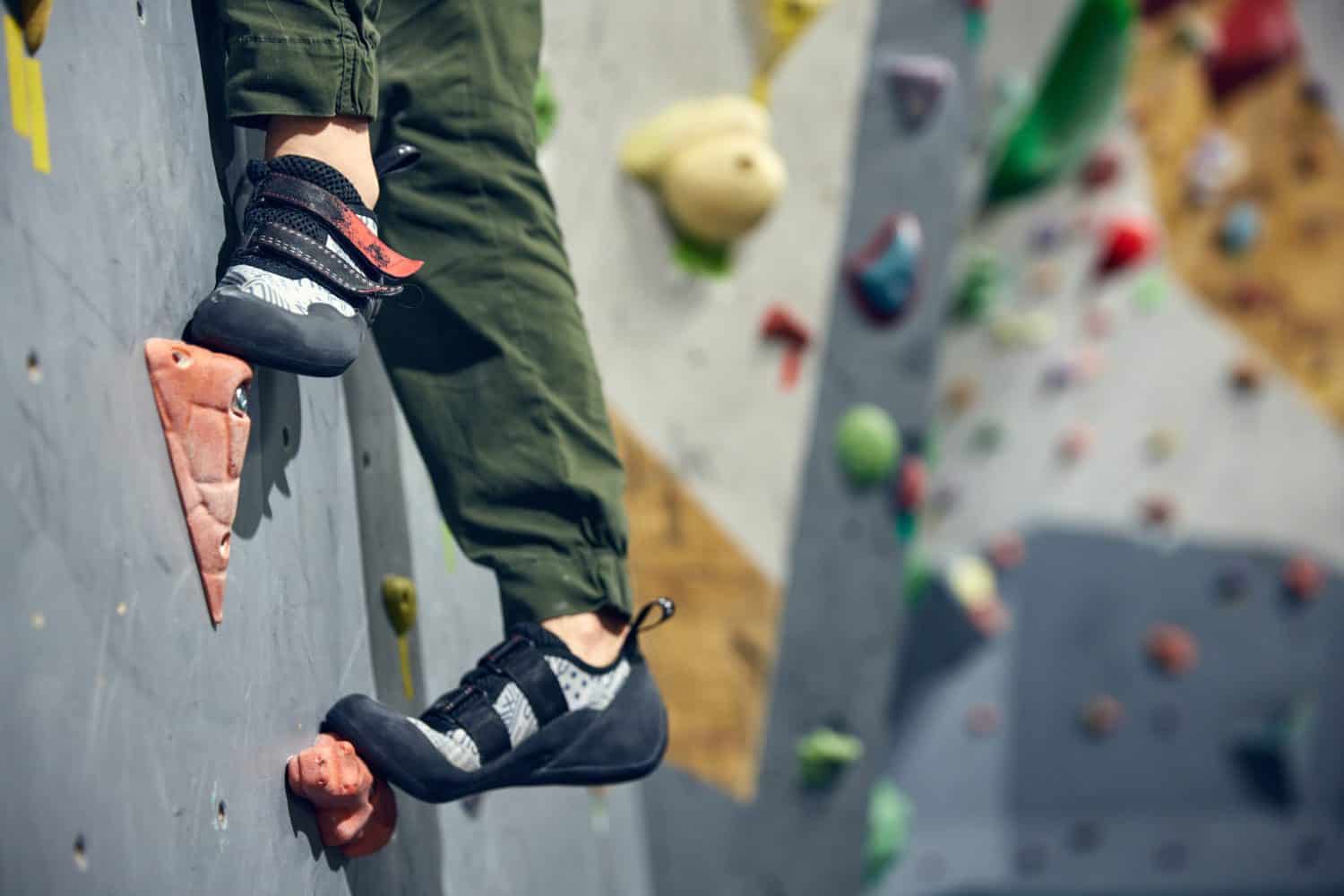
This sport grew in popularity quickly in the 2000s and attracted young athletes. In the Olympics, there were three formats of sport climbing: bouldering, speed, and lead. In Paris 2024, there were two competitions. The first combined bouldering and lead and the other focused on only speed.
Though some sport climbing was held indoors during warm-up, athletes must still prepare for the heat when they competed on the outdoor walls.
Canoe/Kayak Sprint
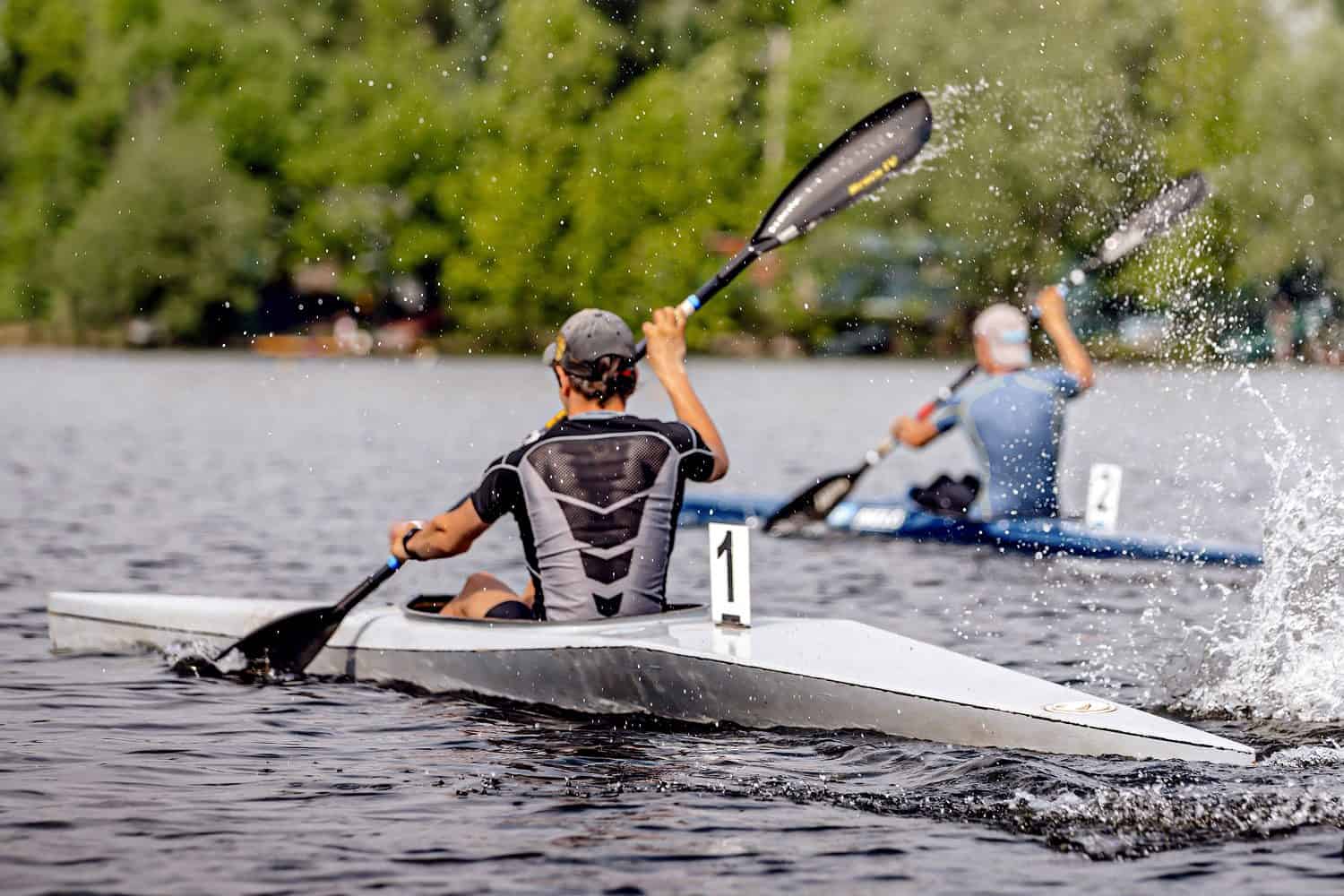
With canoeing, athletes prepare to compete in races. Those in canoes kneel while those in kayaks sit. The races have their own set of rules. For women, the races are over 200m or 500m, and for men, those distances are longer. They are either over 500m or 1000m. As athletes prepare to compete in the heat, they must be mindful of the moments leading up to the event.
Eating well and staying hydrated alone can help prepare Olympians. But so do cooling tools like ice vests or techniques like passing frozen balloons among teammates to lower their body temperature before the event. Misting is also a welcome cooling method for athletes competing in these events.
Rowing
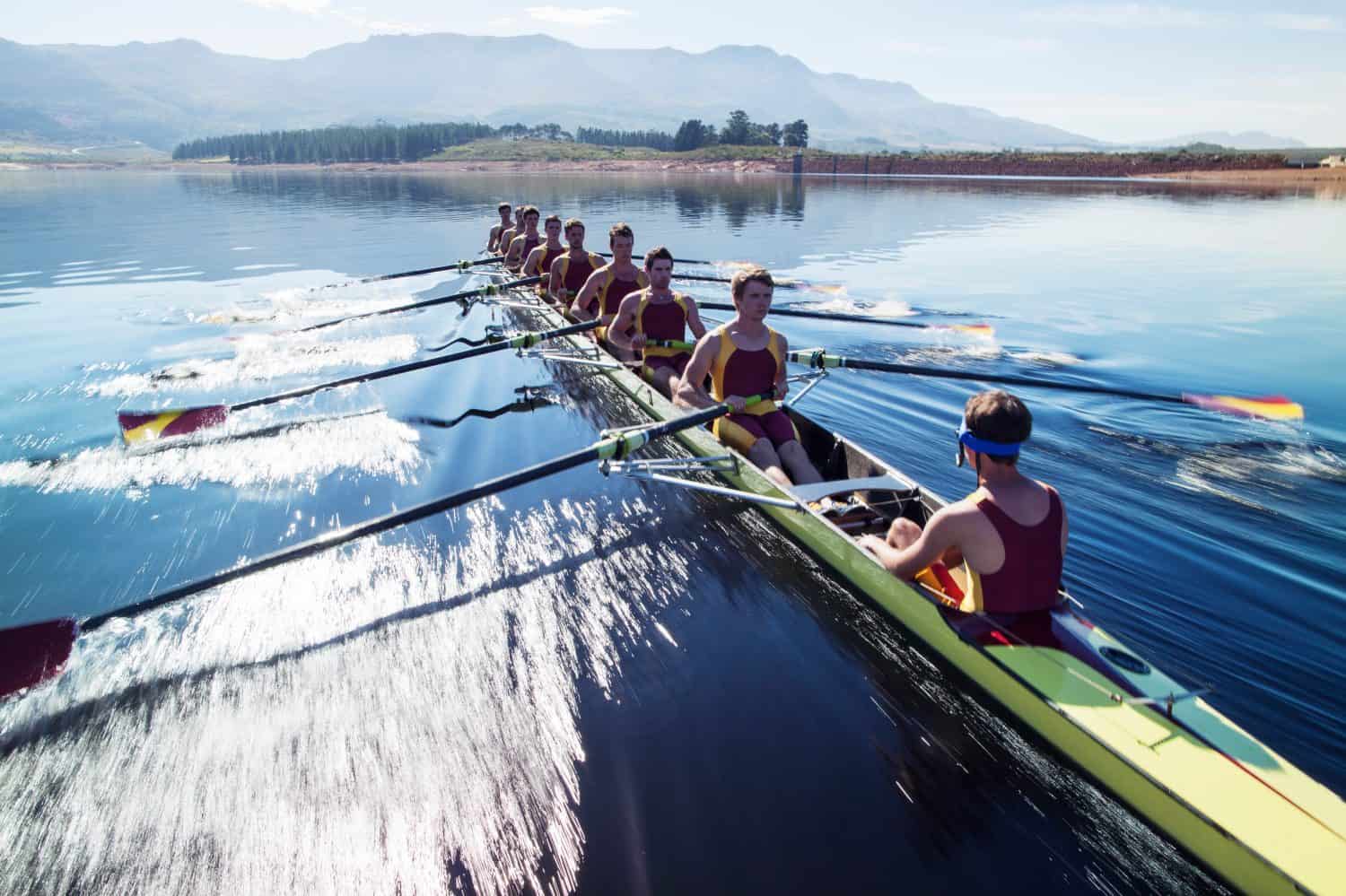
Although rowing was first a practical means of transportation, over time it became a sport popular enough for the Olympic Games. Athletes competing must row a boat together, traversing 2000m. There are those who compete solo and those who compete in groups. There were two different disciplines this year. The first was the double scull and the second was sweep rowing.
Considering rowing requires both hands, athletes must focus on pre-cooling to beat the heat. Clothes dunked in cold water, fans, ice vests, and ice packs or towels around the neck can help with keeping the body cool. Of course, athletes must ensure proper nutrition, hydration, and training leading up to the competition.
Surfing
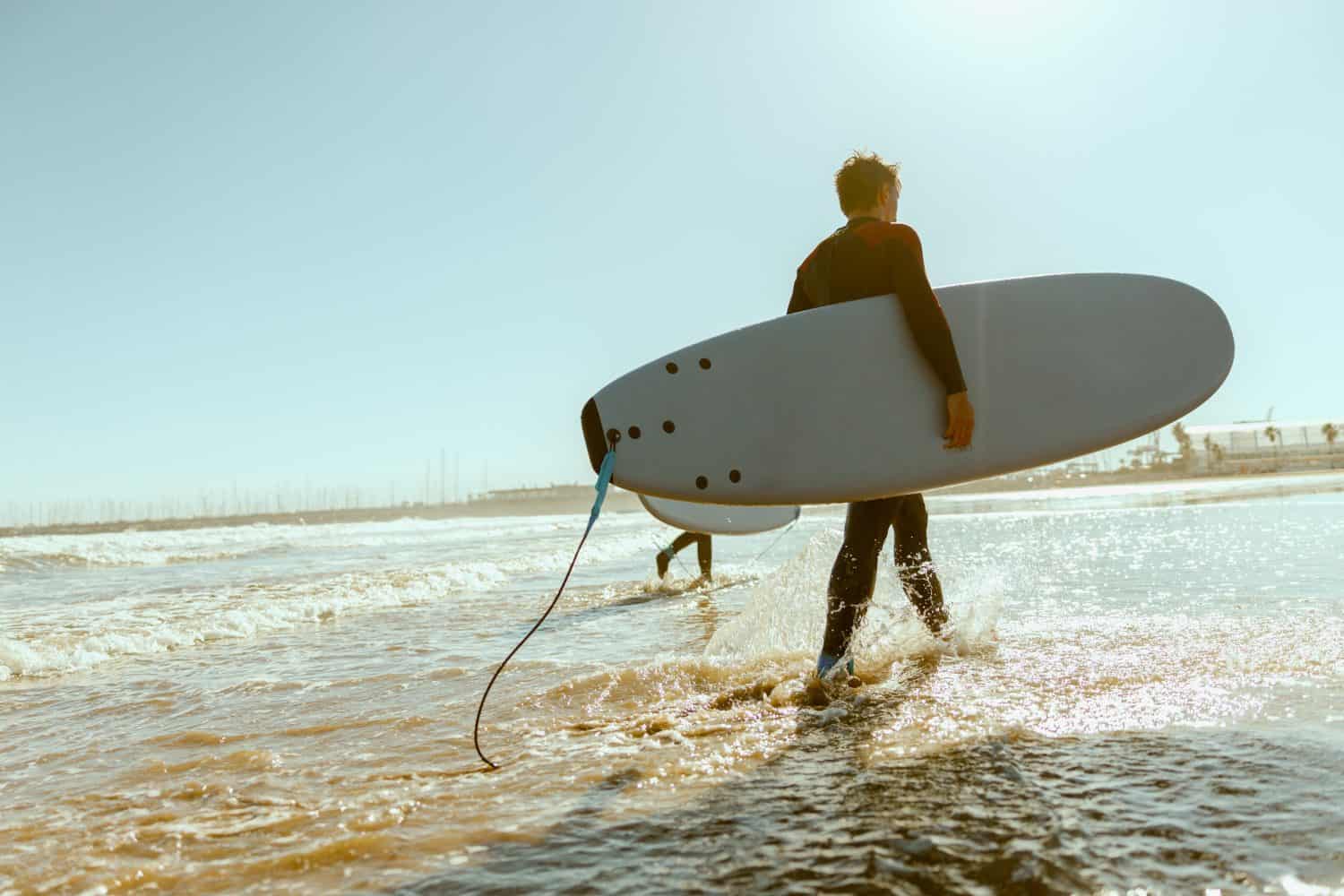
The surfing events in Paris occurred across four days. Surfers were judged based on the tricks they performed. Not just how difficult they are, but also the type and the variety each athlete presents. Additional factors that judges consider include the speed with which surfers glide on the water and how well each new move flows with the others.
Though surfers have the advantage of water and a constant mist, they are also navigating the unpredictability and power of the ocean. For surfers, it's not just about preparing for competing in the heat. It's also about keeping their mindset right.
Elite athletes focus on their mental health just as much if not more, than their physical health to conquer the unique challenges of the Olympics—especially when the heat is unforgiving. (Next read about Famous US Athletes Who Failed to Qualify for the Summer Olympics.)