Andrew clemente
Public Domain / Wikimedia Commons

Milan Sommer / iStock via Getty Images

Archive Photos / Archive Photos via Getty Images
JSTOR Daily / Wikimedia Commons
Hulton Archive / Hulton Archive via Getty Images

Public Domain / Wikimedia Commons
Public Domain / Wikimedia Commons

John Collier, Public domain, via Wikimedia Commons

Janece Flippo/Shutterstock.com
Public Domain / Wikimedia Commons
Wikimedia Commons
wallix / iStock via Getty Images

Public Domain / Wikimedia Commons
Public Domain / Wikimedia Commons
Public Domain / Wikimedia Commons

James Wilson Carmichael, Public domain, via Wikimedia Commons
Public Domain / National Library of Australia / Wikimedia Commons
Public Domain / Wikimedia Commons

Adolphus Greely / Public Domain / Wikimedia Commons
Gösta Florman / Public Domain / Wikimedia Commons
Public Domain / Wikimedia Commons
Public Domain / Wikimedia Commons
Public Domain / Wikimedia Commons
Public Domain / Wikimedia Commons
Public Domain / Wikimedia Commons
Public Domain / Wikimedia Commons
Illustrated London News / Hulton Archive via Getty Images

Cacophony / Wikimedia Commons
Public Domain

Public Domain / Wikimedia Commons

Wesley / Hulton Archive via Getty Images








31 Famous Explorers Who Vanished or Died on Expeditions Gone Wrong
Exploration has always carried serious risks. Long before satellite phones, GPS, modern weather forecasting, and rapid search-and-rescue operations, expeditions could disappear beyond reliable communication for months or years. Some of history's best-known navigators, polar explorers, mountaineers, and overland adventurers died while pushing into remote regions. Others simply stopped sending word and were never conclusively found.
Not every case on this list is still a mystery. The deaths of explorers such as Ferdinand Magellan, James Cook, and Robert Falcon Scott are well documented, while the final fates of people such as Henry Hudson, Percy Fawcett, and Roald Amundsen remain unresolved. In several cases, archaeology, recovered journals, Indigenous oral histories, and modern forensic work have changed what historians can responsibly say about what happened.
24/7 Tempo reviewed primary records and authoritative historical sources, including government agencies, national museums, archives, academic biographical dictionaries, and archaeological research, to examine explorers and adventurers whose final expeditions ended in death or disappearance. These are the details that can be established, along with the questions that remain unanswered.
Eudoxus of Cyzicus
Vanished in: Late 2nd century B.C.
Where: African coast, exact location unknown
Eudoxus of Cyzicus was a Greek navigator whose travels are known mainly from an account by Poseidonius preserved in the writings of Strabo. According to that tradition, Eudoxus made two voyages between Ptolemaic Egypt and India. After finding wreckage on the east African coast that he believed came from a vessel out of Gades, modern Cádiz, he became convinced that Africa could be circumnavigated. He later launched voyages from Gades to sail around the continent. Strabo questioned parts of the story, and the surviving account does not establish what happened to Eudoxus on his final attempt.
Vandino and Ugolino Vivaldi
Vanished in: 1291
Where: Atlantic Ocean, after sailing down the Moroccan coast
Genoese brothers Ugolino and Vandino Vivaldi led two galleys from Genoa in May 1291 in one of the earliest recorded European attempts to reach India by an ocean route. Contemporary Genoese annals say the expedition passed through the Strait of Gibraltar and continued down the Atlantic coast of Morocco. After sailing beyond a place recorded as Gozora, no reliable report of the brothers or their crews survives.
John Cabot
Final documented voyage: 1498
Where: North Atlantic
Giovanni Caboto, better known in English as John Cabot, was an Italian navigator who sailed under English sponsorship. His 1497 voyage from Bristol reached the coast of North America, although the exact landing site remains debated. Cabot sailed from Bristol again in May 1498 with a larger expedition. One storm-damaged ship returned to Ireland, but the surviving record does not establish what happened to Cabot or the rest of the fleet. The outcome of Cabot's final expedition remains unknown. The image above shows Cabot Tower in Bristol, a monument to his voyages.
Gaspar and Miguel Corte-Real
Vanished in: 1501-1502
Where: North Atlantic, off northeastern North America
Portuguese brothers Gaspar and Miguel Corte-Real disappeared on separate voyages connected with the exploration of northeastern North America. In 1501, Gaspar sailed with three ships and explored lands generally associated with Newfoundland and Labrador. Two vessels returned to Portugal with captured Indigenous people, but Gaspar's ship never came back. Miguel sailed in 1502 to search for his brother and also disappeared. Neither man's fate has been established.
Ferdinand Magellan
Died in: 1521
Where: Mactan, Philippines
Ferdinand Magellan was a Portuguese navigator sailing for Spain who led the 1519 expedition that became the first to circumnavigate the globe. His fleet found the passage through the southern end of South America now known as the Strait of Magellan and then crossed the Pacific. On April 27, 1521, Magellan was killed at the Battle of Mactan while fighting forces led by Lapulapu. Magellan therefore did not personally complete the circumnavigation. Survivors under Juan Sebastián Elcano returned to Spain aboard the Victoria in 1522 and completed the first recorded voyage around the world.
Hugh Willoughby
Died in: 1554
Where: Kola Peninsula, present-day Russia
English soldier and expedition leader Hugh Willoughby sailed in 1553 in search of a Northeast Passage to Asia. A storm separated his ships from the vessel commanded by Richard Chancellor, which reached the White Sea. Willoughby's two ships sought shelter on the Kola Peninsula and were later found at anchor with their crews dead. Surviving records show that at least some of the men were still alive in January 1554, but the precise cause of their deaths is unknown.
Richard Chancellor
Died in: 1556
Where: Off Aberdeenshire, Scotland
English seaman Richard Chancellor served as pilot general on Hugh Willoughby's 1553 expedition in search of a Northeast Passage. After becoming separated from Willoughby in a storm, Chancellor continued to the White Sea, traveled to Moscow, and helped establish direct commercial relations between England and Russia. On a return voyage to England in 1556, his ship was wrecked off the coast of Aberdeenshire, Scotland. Chancellor died in the wreck, although the Russian ambassador traveling with him survived.
Henry Hudson
Vanished in: 1611
Where: James Bay, Canada
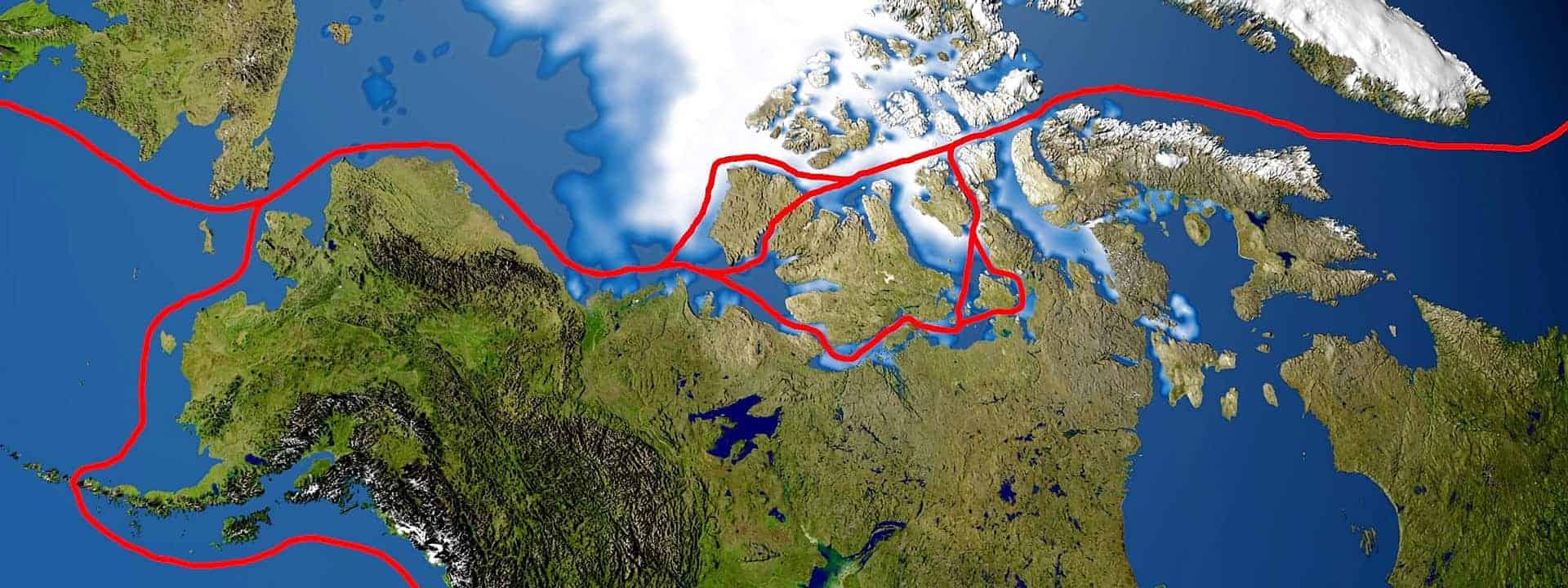
English navigator Henry Hudson disappeared during his fourth voyage in search of a Northwest Passage. His ship, Discovery, entered the strait and bay that now bear his name in 1610 and spent a difficult winter trapped in James Bay. In June 1611, after disputes over rations and the voyage home, members of the crew mutinied. Hudson, his teenage son John, and several other men were forced into a small boat and set adrift. They were never seen again.
René-Robert Cavelier, Sieur de La Salle
Died in: 1687
Where: East Texas
French explorer René-Robert Cavelier, Sieur de La Salle, had previously traveled the Mississippi River to its mouth when he returned from France in 1684 with an expedition intended to establish a colony near the river from the Gulf of Mexico. The expedition missed the Mississippi and landed on the Texas coast, where a settlement was established near Matagorda Bay. During an overland journey east in search of the Mississippi and French posts, discontent within the party erupted into violence. La Salle was killed by follower Pierre Duhaut on March 19, 1687, in what is now East Texas.
James Knight
Vanished in: 1719
Where: Marble Island, Hudson Bay
Hudson's Bay Company governor and explorer James Knight sailed north in 1719 with the Albany and Discovery to search for a Northwest Passage, mineral deposits, and new commercial opportunities. The expedition never returned. Nearly half a century later, Samuel Hearne found the remains of two ships, a dwelling, and other wreckage at Marble Island. Inuit accounts indicated that members of the party survived on the island for a time before all of them died. The exact sequence of events and Knight's individual fate remain uncertain.
Vitus Bering
Died in: 1741
Where: Bering Island, Commander Islands
Danish-born navigator Vitus Bering served in the Russian Navy and led major expeditions to the North Pacific. In 1741, his ship St. Peter reached the coast of Alaska during the Great Northern Expedition. On the difficult return toward Kamchatka, illness spread through the crew and the ship was forced onto an uninhabited island in the Commander Islands. Bering died there in December 1741. Survivors spent the winter on the island, built a smaller vessel from the wreck of St. Peter, and eventually returned to Kamchatka. The island was later named Bering Island.
James Cook
Died in: 1779
Where: Kealakekua Bay, Hawaii
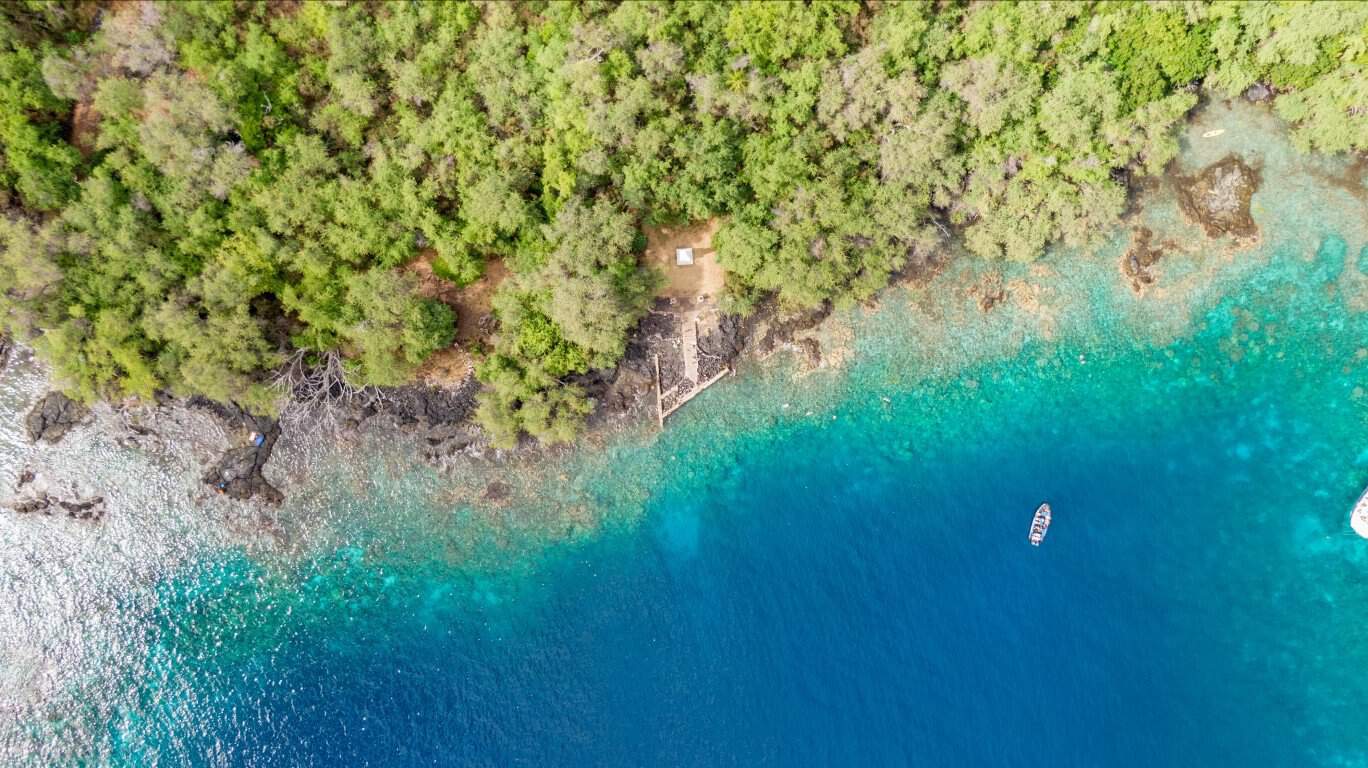
Captain James Cook was a British naval officer, navigator, and explorer whose Pacific voyages mapped large stretches of coastline and many islands. His third voyage made the first documented European visit to the Hawaiian Islands in 1778. When Cook returned to Kealakekua Bay the following year, tensions rose after the theft of a ship's cutter. On February 14, 1779, Cook went ashore in an attempt to take Hawaiian ruler Kalaniʻōpuʻu hostage until the boat was returned. A confrontation followed, and Cook and four marines were killed. Hawaiians later returned some of Cook's remains to his crew, which buried them at sea.
Jean-François de Galaup, comte de Lapérouse
Vanished in: 1788
Where: Vanikoro, Solomon Islands
French naval officer Jean-François de Galaup, comte de Lapérouse, left France in 1785 on a scientific and exploratory voyage commissioned by King Louis XVI. His two ships surveyed parts of the Pacific from Alaska to East Asia and reached Botany Bay, Australia, in early 1788. After leaving Australia, the expedition disappeared. Evidence found in the 1820s and later archaeological work established that both ships were wrecked at Vanikoro in the Solomon Islands. Local oral traditions indicate that some survivors lived on the island for a time and that some may have later tried to leave, but their ultimate fate is unknown.
Daniel Houghton
Disappeared in: 1791
Where: West Africa, en route toward Timbuktu
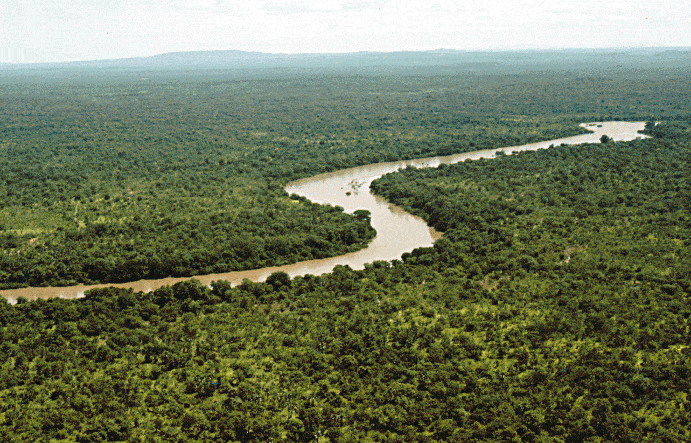
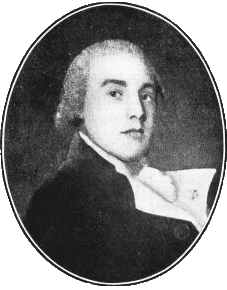
Irish army officer and explorer Daniel Houghton traveled to West Africa in 1790 for the African Association, which wanted more reliable information about the Niger River and the interior. Houghton moved inland from the Gambia and in 1791 set out toward Timbuktu. He was never seen again by Europeans. Reports gathered later, including by Mungo Park, indicated that Houghton had been robbed or abandoned and died in the interior, but the precise circumstances of his death remain uncertain.
George Bass
Vanished in: 1803
Where: Pacific Ocean, on a voyage from Australia toward South America
English surgeon, mariner, and explorer George Bass helped survey the southeastern coast of Australia and, with Matthew Flinders, demonstrated that Tasmania was separated from the mainland by the strait that now bears Bass's name. He later turned to private trade. On February 5, 1803, Bass sailed from Port Jackson aboard the Venus on a voyage connected with trade in the Pacific and South America. No authenticated report of Bass or the ship was received afterward. Later stories that he was imprisoned in Spanish South America remain unproven.
Sir John Franklin and Francis Crozier
Final expedition: 1845-1848
Where: King William Island region, Nunavut, Canada
In 1845, Sir John Franklin commanded a British Royal Navy expedition to complete the Northwest Passage, with Francis Crozier serving as captain of HMS Terror and second in command. HMS Erebus and Terror became trapped in ice near King William Island in September 1846. A note later found on the island recorded that Franklin died on June 11, 1847, and that 105 survivors abandoned the ships in April 1848 under Crozier and James Fitzjames and headed south. None is known to have survived. Archaeological and forensic evidence shows that some crew members resorted to survival cannibalism, while lead exposure, disease, malnutrition, and extreme conditions may all have contributed to the disaster. Guided in part by Inuit knowledge, Parks Canada found Erebus in 2014 and Terror in 2016.
Ludwig Leichhardt
Vanished in: 1848
Where: Australian interior
German-born explorer Ludwig Leichhardt disappeared in 1848 while attempting an east-to-west crossing of Australia. His final party consisted of Leichhardt and six companions, along with horses, about 20 mules, and roughly 50 bullocks. They were last seen by Europeans in April 1848 after leaving the settled districts of Queensland. Numerous searches failed to establish their route or fate. A small brass nameplate marked with Leichhardt's name, found decades later in the Australian interior and later authenticated, is the strongest physical evidence linked to the lost expedition. No verified account explains how the party died.
Eduard Vogel
Died in: 1856
Where: Wadai, present-day Chad
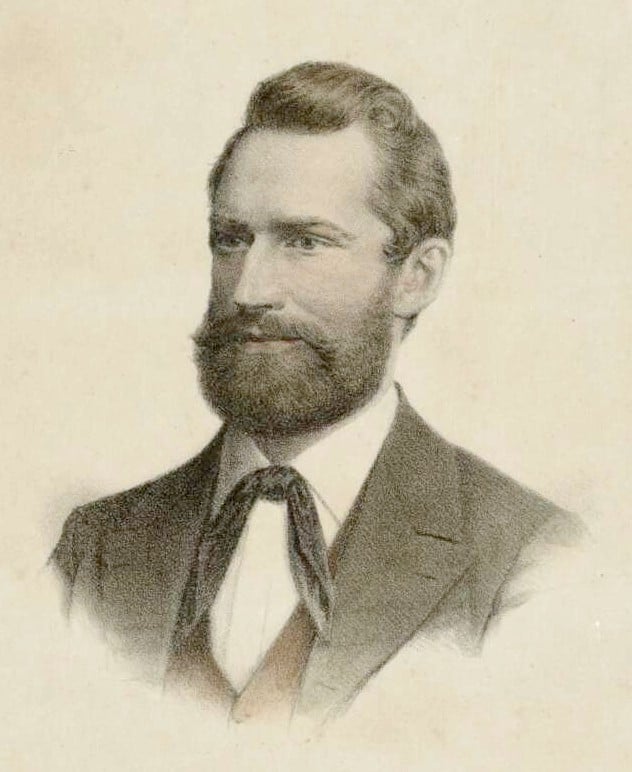
German astronomer and naturalist Eduard Vogel was sent to Central Africa in 1853 to support an expedition that included explorer Heinrich Barth. Vogel conducted scientific work around Lake Chad and explored parts of the region before traveling east toward the kingdom of Wadai. He was killed near Wara in 1856. Later explorers, especially Gustav Nachtigal in the 1870s, gathered local accounts that helped establish Vogel's fate, although the exact circumstances and motive for his killing remain uncertain.
George Washington De Long
Died in: 1881
Where: Lena River Delta, Siberia
U.S. Navy officer George Washington De Long led the Jeannette expedition, which left San Francisco in 1879 to explore the Arctic and attempt to reach the North Pole from the Bering Strait. USS Jeannette became trapped in pack ice and drifted for nearly two years before the ice crushed and sank it in June 1881. The crew then traveled south across the ice and by boat toward the Lena River Delta. Their boats became separated in a storm. One group under George Melville survived, but De Long and most of his party died from starvation and exposure in the delta. Searchers found De Long's body and those of several companions in 1882.
S.A. Andrée
Died in: 1897
Where: Kvitøya, Svalbard
Swedish engineer and polar explorer S.A. Andrée set out from Svalbard on July 11, 1897, with Nils Strindberg and Knut Frænkel in the hydrogen balloon Örnen, or Eagle, in an attempt to reach the North Pole. The balloon lost its ability to remain aloft and came down on the pack ice after less than three days. The three men then spent months hauling supplies across drifting ice before reaching the remote island of Kvitøya in early October. All three died there. Their camp, remains, diaries, and photographs were discovered in 1930, but the exact causes of their deaths are still debated.
Eduard von Toll
Vanished in: 1902
Where: Bennett Island region, East Siberian Sea
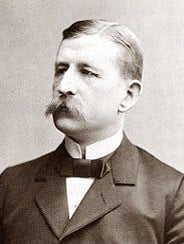
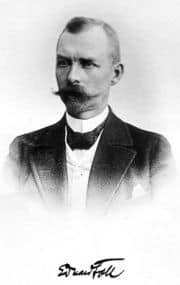
Baltic German geologist and Arctic explorer Baron Eduard von Toll led the Russian Polar Expedition of 1900 to 1902, which included a search for the supposed Sannikov Land. In 1902, Toll left the expedition ship Zarya with three companions and traveled by dogsled and kayak to Bennett Island. Heavy ice prevented Zarya from returning to pick them up. A later search found Toll's camp, scientific collections, and a note stating that the party intended to leave the island and travel south. No confirmed trace of Toll or his three companions was ever found after they departed.
Robert Falcon Scott
Died in: 1912
Where: Antarctica
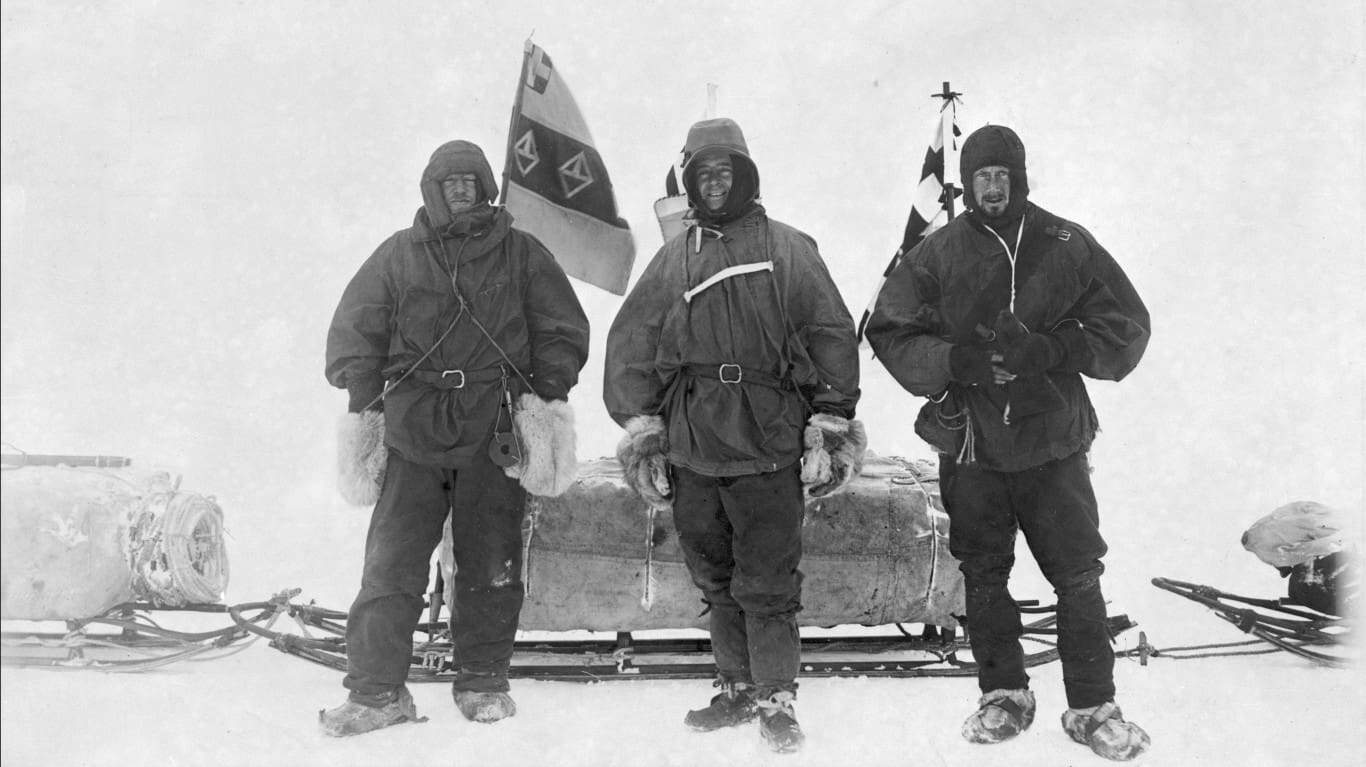
British Royal Navy officer Robert Falcon Scott led the Terra Nova Expedition, which left Britain in 1910 with the South Pole as one of its major goals. Scott and four companions reached the pole on January 17, 1912, only to learn that Roald Amundsen's Norwegian team had arrived first. All five men died on the return journey. Edgar Evans and Lawrence Oates died first; Scott, Edward Wilson, and Henry Bowers died in their tent in late March, about 11 miles from One Ton Depot, where food and fuel had been stored. A search party found the tent, bodies, journals, and records in November 1912.
Vladimir Rusanov
Vanished in: 1912
Where: Kara Sea, Russian Arctic
Russian geologist and explorer Vladimir Rusanov led a 1912 expedition to Svalbard to survey mineral resources. After completing the expedition's planned work, Rusanov continued east aboard the small vessel Gerkules in an attempt to explore the Northern Sea Route. The expedition's last known message, sent from the Novaya Zemlya area in 1912, indicated that the ship was heading east. Rusanov and his companions never returned. Artifacts discovered years later on islands off the Taymyr Peninsula showed that members of the expedition reached the Kara Sea region, but their final fate remains unknown.
Georgy Brusilov
Vanished in: 1914
Where: Arctic Ocean, north of Franz Josef Land
Russian naval officer Georgy Brusilov set out in 1912 aboard the St. Anna in an attempt to navigate the Northern Sea Route. The ship became trapped in the ice of the Kara Sea and drifted north for two winters. In April 1914, navigator Valerian Albanov and a group of crew members left the ship and attempted to reach Franz Josef Land on foot and by kayak. Only Albanov and sailor Alexander Konrad ultimately survived the journey and were rescued. Brusilov remained aboard St. Anna with the rest of the crew, and neither he nor the ship was ever seen again.
George Mallory
Died in: 1924
Where: Mount Everest
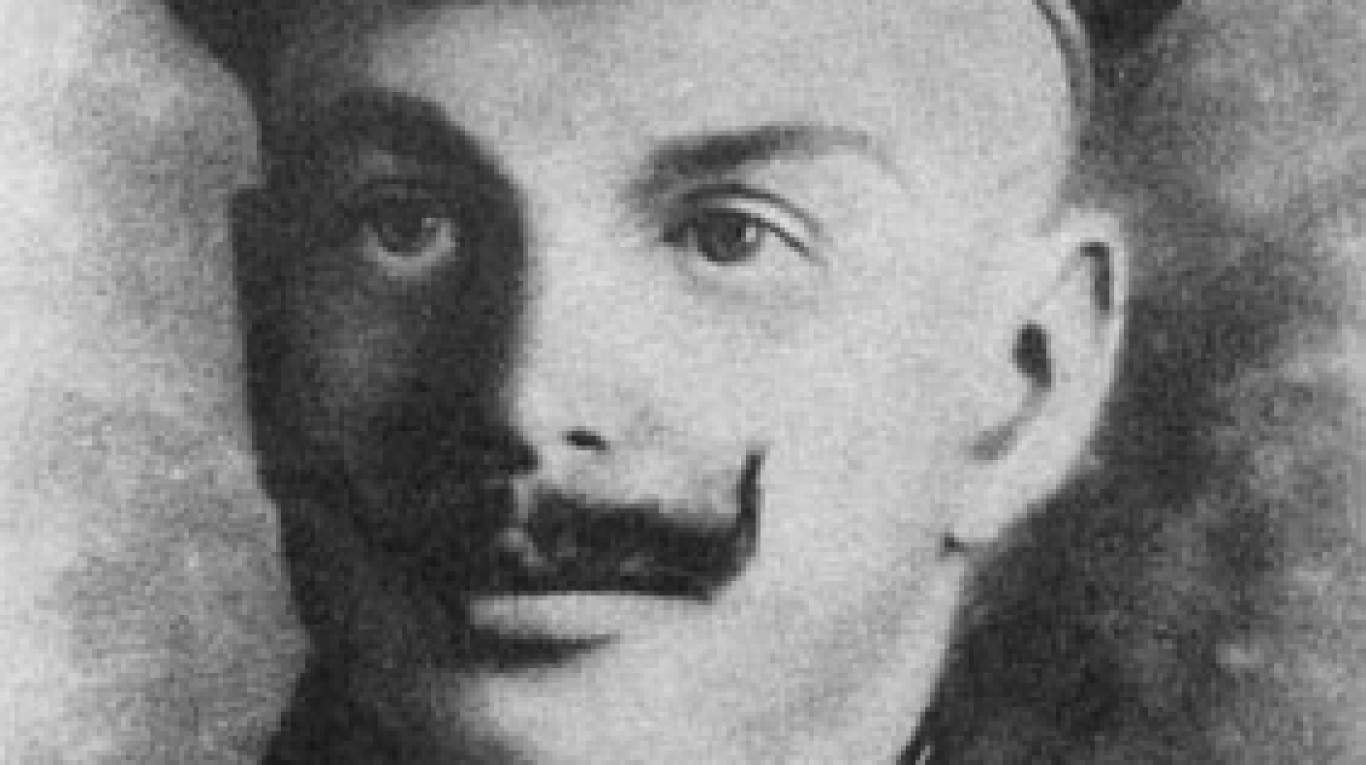
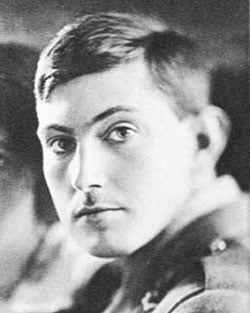
British mountaineer George Mallory took part in the pioneering British attempts to climb Mount Everest in the 1920s and famously answered a question about why he wanted to climb it with, "Because it's there." On June 8, 1924, Mallory and Andrew "Sandy" Irvine were last seen high on Everest's Northeast Ridge during a summit attempt before clouds hid them from view. Whether they reached the summit remains unknown. Mallory's body was found on the mountain in 1999 with injuries consistent with a serious fall. In 2024, a National Geographic expedition found a boot, sock, and partial human remains marked with Irvine's name and believed to be his, but the discovery did not resolve whether the pair reached the summit.
Percy Fawcett
Vanished in: 1925
Where: Mato Grosso, Brazil
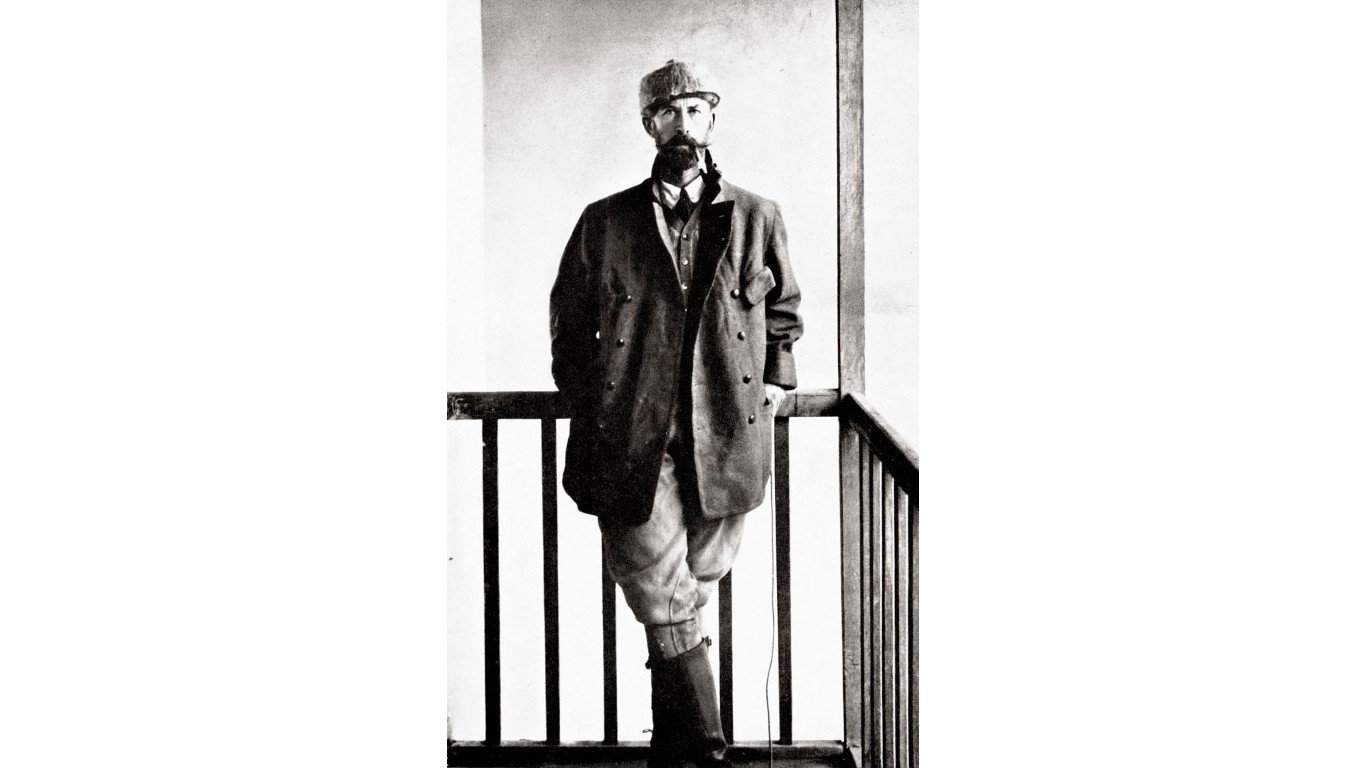
British surveyor and explorer Percy Fawcett spent years mapping parts of Brazil and Bolivia. In 1925, he entered Mato Grosso with his son Jack and Raleigh Rimmell to search for an ancient settlement he called "Z." Fawcett's last known dispatch was written in late May from a camp in the upper Xingu region, and no confirmed trace of the three men was found afterward. Kalapalo oral histories record that the party passed through their territory and continued east. Theories involving illness, starvation, accidents, or violence have all been proposed, but none has been proven.
Roald Amundsen
Vanished in: 1928
Where: Barents Sea, between Norway and Svalbard
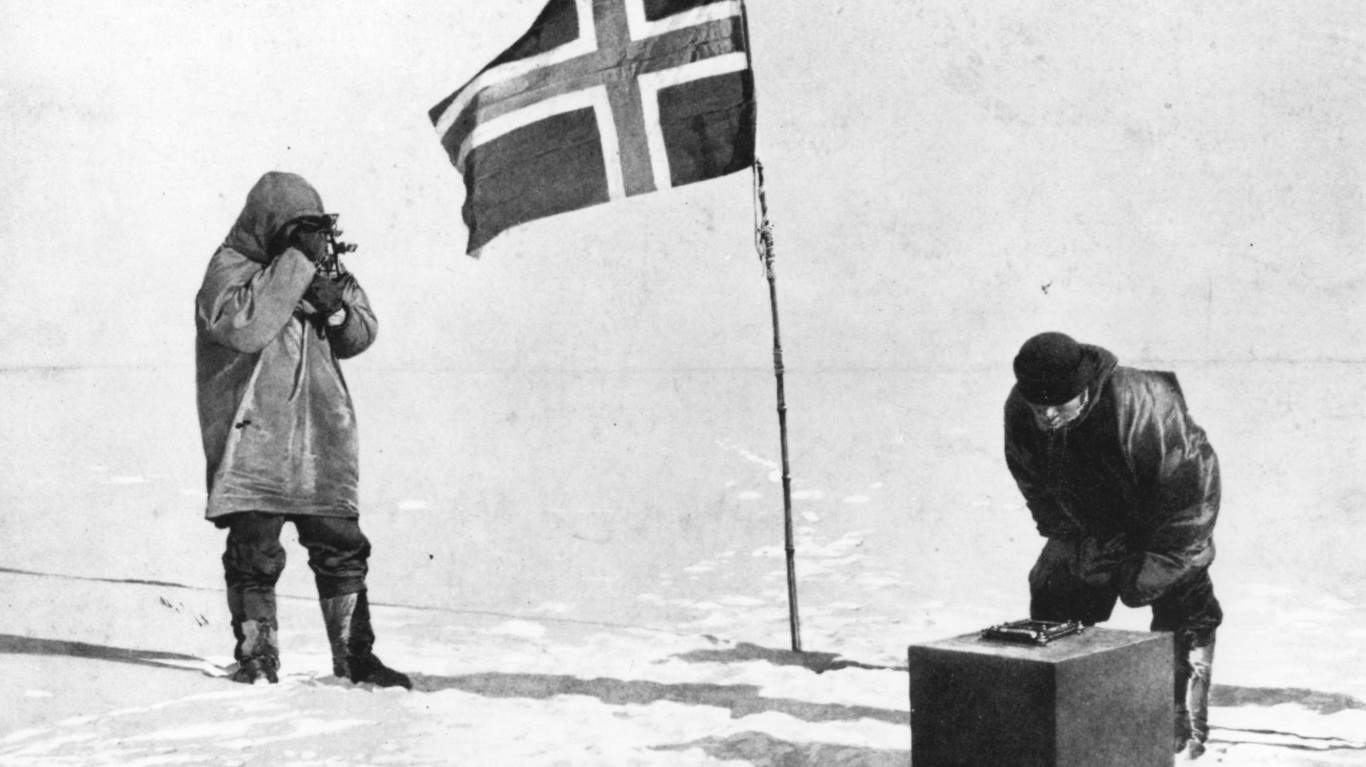
Norwegian polar explorer Roald Amundsen led the first successful navigation of the Northwest Passage and the first expedition to reach the South Pole. On June 18, 1928, he left Tromsø aboard the French Latham 47 flying boat with five other men to help search for survivors of the crashed airship Italia. Radio contact with the aircraft ceased after a few hours. Parts of the flying boat were later recovered from the sea, but the main wreckage and the men's remains were never found. The precise circumstances of the disappearance remain unknown.
Everett Ruess
Vanished in: 1934
Where: Davis Gulch area, southern Utah
American artist, writer, and outdoorsman Everett Ruess traveled alone through the American Southwest while documenting the landscapes he encountered. On November 20, 1934, the 20-year-old left Escalante, Utah, with two burros and was never seen again. Searchers later found the animals near Davis Gulch, along with evidence of his campsite and a nearby inscription reading "NEMO 1934." Human remains announced in 2009 as a possible match for Ruess were later excluded by DNA testing and identified as another person. His disappearance remains an open missing-person case, and his remains have never been found.
Amelia Earhart
Vanished in: 1937
Where: Central Pacific, near Howland Island
Pioneering American aviator Amelia Earhart disappeared with navigator Fred Noonan on July 2, 1937, during an attempt to fly around the world. They left Lae, New Guinea, bound for tiny Howland Island in the central Pacific. The U.S. Coast Guard cutter Itasca was stationed near the island to support the flight and received radio transmissions from Earhart, but two-way communication was never established and the aircraft did not arrive. The Coast Guard and U.S. Navy conducted a major search without finding the plane. The Smithsonian's National Air and Space Museum considers a fuel-exhaustion crash into the Pacific the most likely explanation based on the known evidence, but no wreckage has been conclusively identified.
Peng Jiamu
Vanished in: 1980
Where: Lop Nur, Xinjiang, China
Chinese biochemist and researcher Peng Jiamu took part in repeated scientific expeditions to Xinjiang and the Lop Nur region. In 1980, he led a scientific expedition across central Lop Nur, where the team collected biological, soil, and mineral specimens. When the group faced a water shortage, Peng left camp alone on June 17 to search for water and disappeared. Large-scale searches failed to locate him, and his fate remains unknown.
Naomi Uemura
Vanished in: 1984
Where: Denali, Alaska
Japanese adventurer Naomi Uemura had already made the first solo ascent of Denali in 1970 when he returned to Alaska in 1984 for a solo winter climb. He reached the summit on February 12, becoming the first person to make a solo winter ascent of the mountain. A pilot saw him descending several days later, but Uemura was never seen again. Search efforts failed to find him, and his body has never been recovered. He is believed to have died during the descent, although exactly what happened is unknown.