
Courtesy of Columbia Pictures
Courtesy of Universal Pictures
Courtesy of Miramax
Courtesy of Warner Bros.
Courtesy of GKIDS

Courtesy of Miramax
Courtesy of Warner Bros.
Courtesy of Buena Vista Distribution Company
Courtesy of Artisan Entertainment

Courtesy of Twentieth Century Fox
Courtesy of New Line Cinema

Courtesy of Roadside Attractions
Courtesy of Focus Features

Courtesy of Buena Vista Pictures
Courtesy of Columbia Pictures
Courtesy of Paramount Pictures
Courtesy of Paramount Pictures
Courtesy of Universal Pictures

Courtesy of Warner Bros.
Courtesy of Paramount Pictures
Courtesy of Paramount Pictures










20 Movie Endings That Still Break Our Hearts
Some movies make you laugh, some scare the life out of you, and some wait until the final few minutes to emotionally flatten you. You can know exactly what is coming, swear you are not going to fall for it again, and then find yourself staring at the credits wondering why you voluntarily put yourself through that.
The movies on this list earned their place in different ways. Some end with death. Others leave characters alive but carrying losses they cannot simply shake off. A few manage to sneak a little hope into the devastation, which somehow does not make them hurt any less.
We're getting directly into the endings here, so consider this your warning: major spoilers ahead.
“Schindler’s List” (1993)
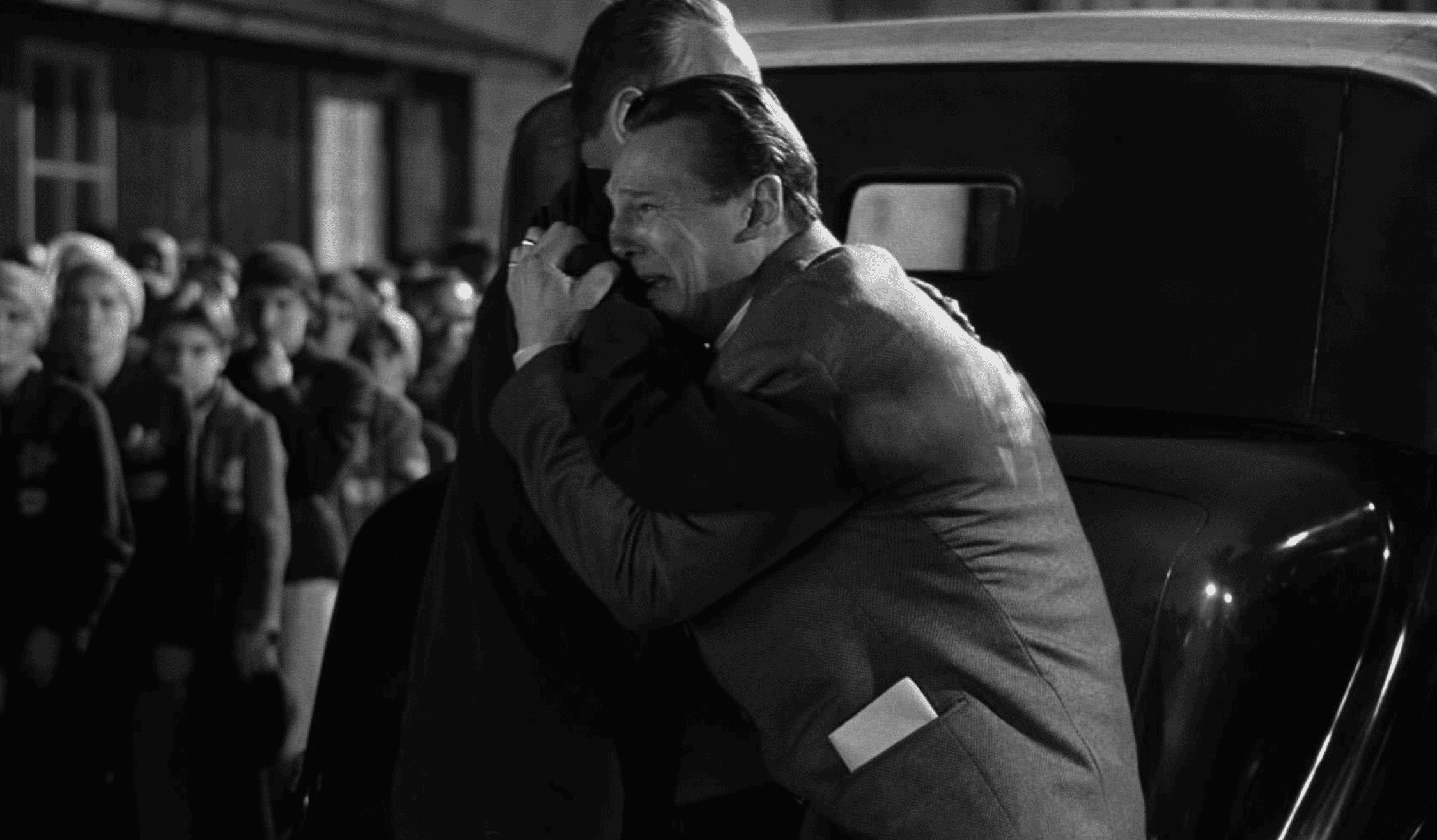
Steven Spielberg's “Schindler's List” dramatizes the story of Oskar Schindler, the German businessman who helped save more than 1,000 Jews during the Holocaust by employing and protecting prisoners in his factories. The film is brutal long before the final scene arrives, but Liam Neeson's Schindler finally breaks down as he prepares to leave, tortured by the thought that he might have saved more people. The survivors around him know what he accomplished. Schindler can only think about what he did not.
“Life Is Beautiful” (1997)
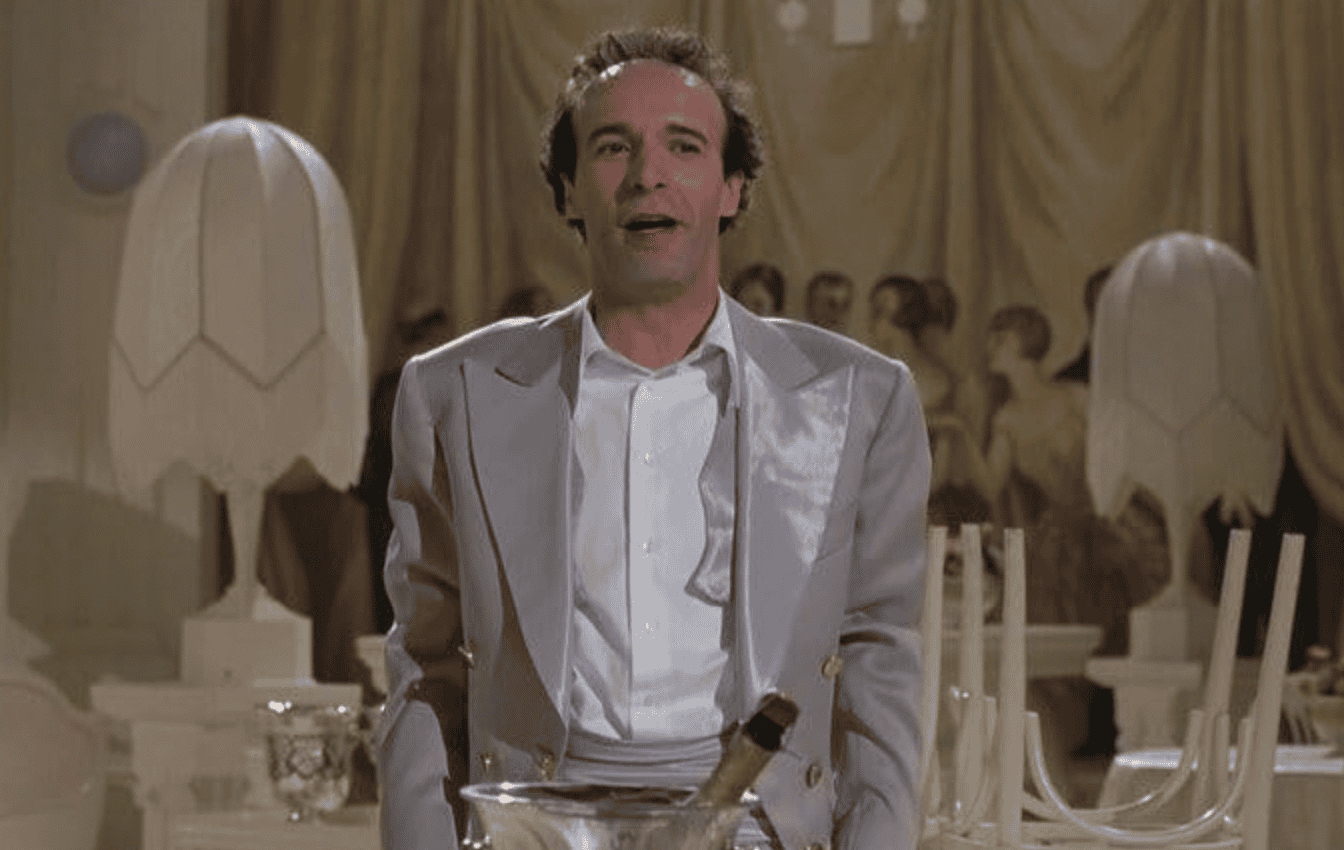
Roberto Benigni directed, co-wrote and starred in “Life Is Beautiful,” winning the Academy Award for Best Actor. Benigni plays Guido, a Jewish father imprisoned with his young son during the Holocaust. He convinces the boy that their terrifying surroundings are part of an elaborate game, desperately shielding him from the reality of what is happening. Guido is eventually captured and killed by a German guard, but he keeps up the act until his final moments so his hidden son will not panic. The boy survives and is reunited with his mother, making the ending both triumphant and absolutely crushing.
“The Green Mile” (1999)
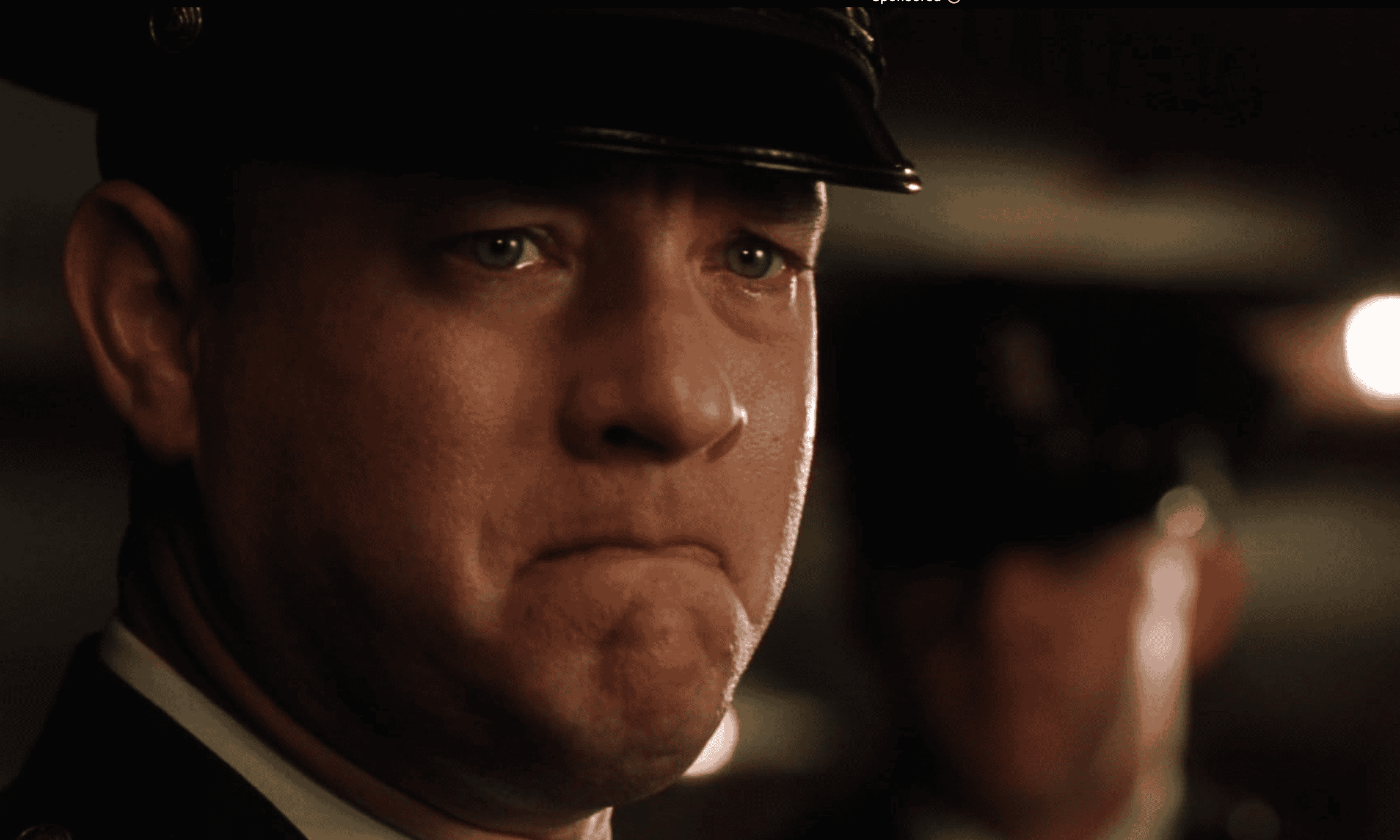
“The Green Mile” follows death-row guard Paul Edgecomb, played by Tom Hanks, and John Coffey, the enormous but gentle prisoner played by Michael Clarke Duncan. Coffey has been convicted of murdering two young girls, but the film eventually reveals that he is innocent and possesses a supernatural ability to heal others. Paul knows the truth and even offers Coffey a chance to escape. Coffey refuses. Exhausted by the cruelty he sees in the world, he accepts his execution, leaving Paul to live with the fact that he helped kill an innocent man.
“Grave of the Fireflies” (1988)
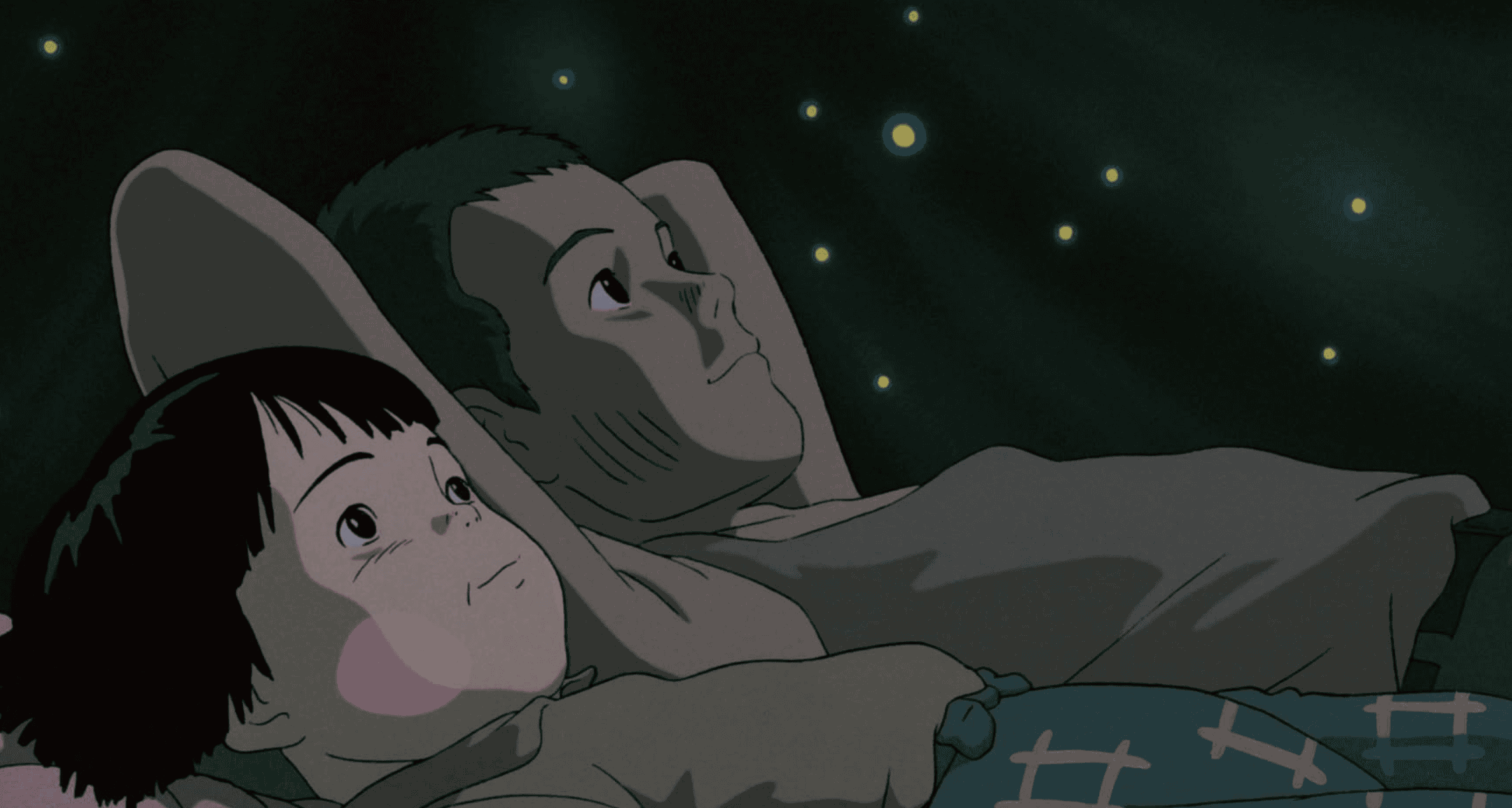
Isao Takahata's animated “Grave of the Fireflies” follows teenage Seita and his little sister Setsuko as they struggle to survive in Japan during the final months of World War II. Their mother is killed after an air raid, food becomes increasingly scarce, and the siblings eventually try to survive on their own. Setsuko dies from severe malnutrition. Seita survives only a short while longer before dying at a train station. The movie actually reveals Seita's fate at the beginning, but somehow knowing where it is headed does nothing to make the journey easier.
“The Boy in the Striped Pajamas” (2008)
“The Boy in the Striped Pajamas” is a fictional Holocaust drama centered on Bruno, the young son of a Nazi commandant, and Shmuel, a Jewish boy imprisoned on the other side of a concentration-camp fence. Bruno does not understand what the camp really is and secretly befriends Shmuel. Near the end, Bruno crawls beneath the fence to help his friend search for his missing father. Both boys are swept into a group of prisoners and killed in a gas chamber before Bruno's family can reach him.
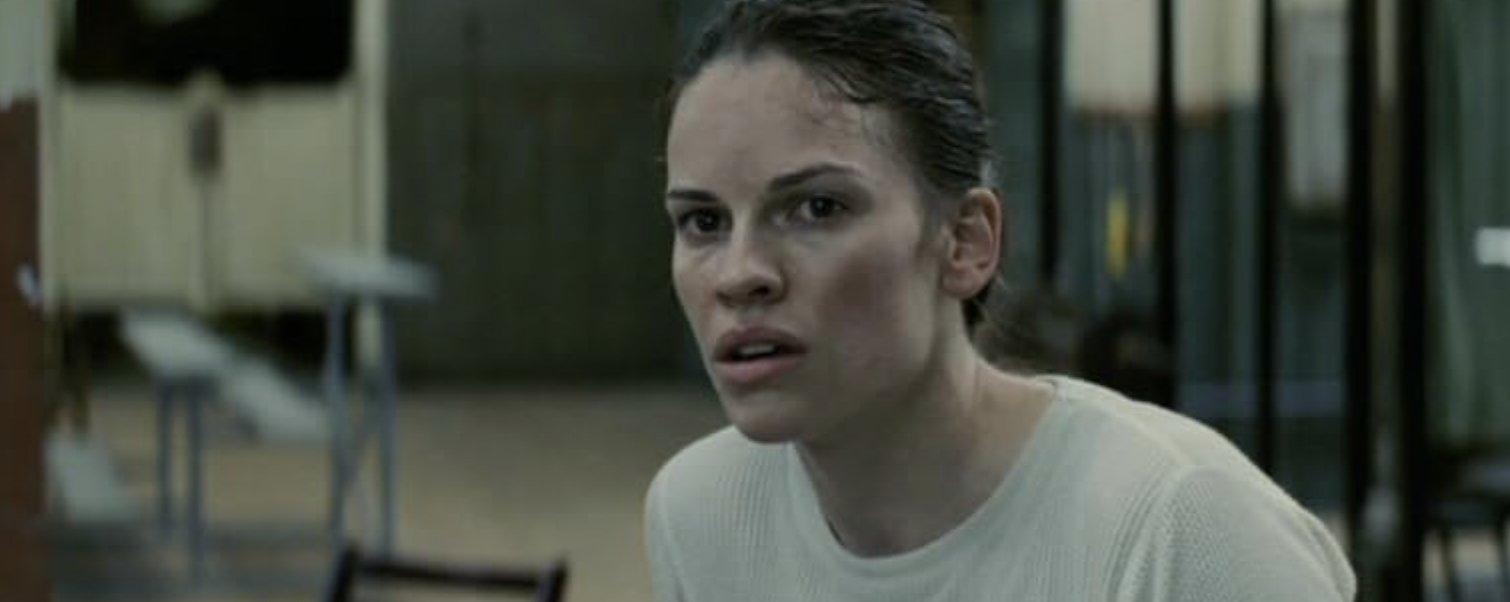
“Million Dollar Baby” (2004)
Clint Eastwood's Best Picture winner begins as the story of Maggie Fitzgerald, an underdog boxer played by Hilary Swank, and the reluctant trainer who becomes the closest thing she has to a father. Then one fight changes everything. Maggie's opponent hits her illegally after the bell, sending her backward onto a stool and leaving her paralyzed from the neck down. After her condition deteriorates and Maggie repeatedly asks to die, Frankie eventually grants her wish. Before doing so, he finally tells her what the Gaelic nickname he gave her means: his darling, his blood.
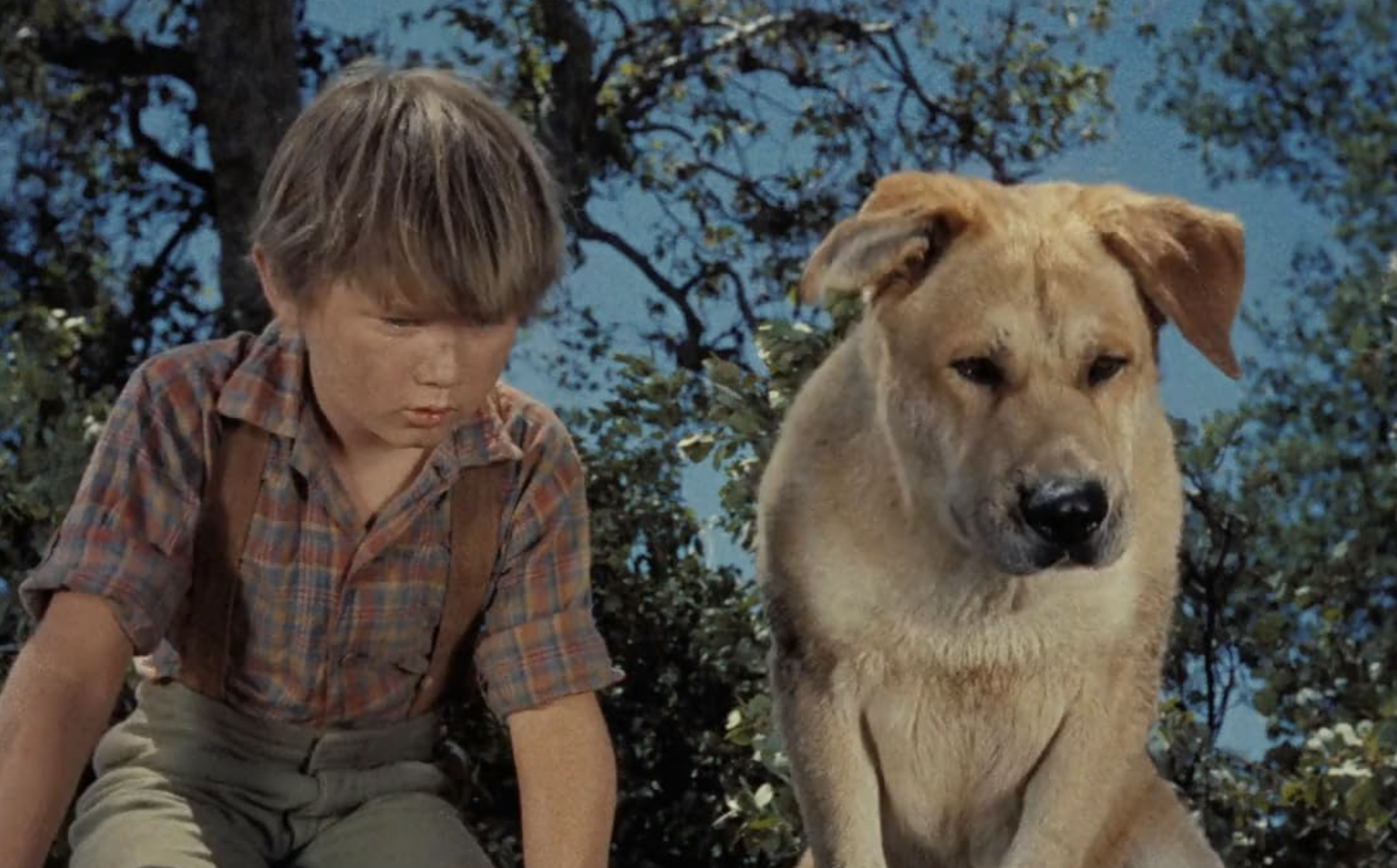
“Old Yeller” (1957)
Disney really did this to generations of children. “Old Yeller” follows Travis Coates and the stray dog that gradually becomes an indispensable member of his family on the Texas frontier. Old Yeller protects the family from a rabid wolf but becomes infected in the process. When the disease begins to take hold, Travis is forced to shoot the dog himself. The movie eventually gives him one of Old Yeller's puppies, but there is no putting that emotional toothpaste back in the tube.
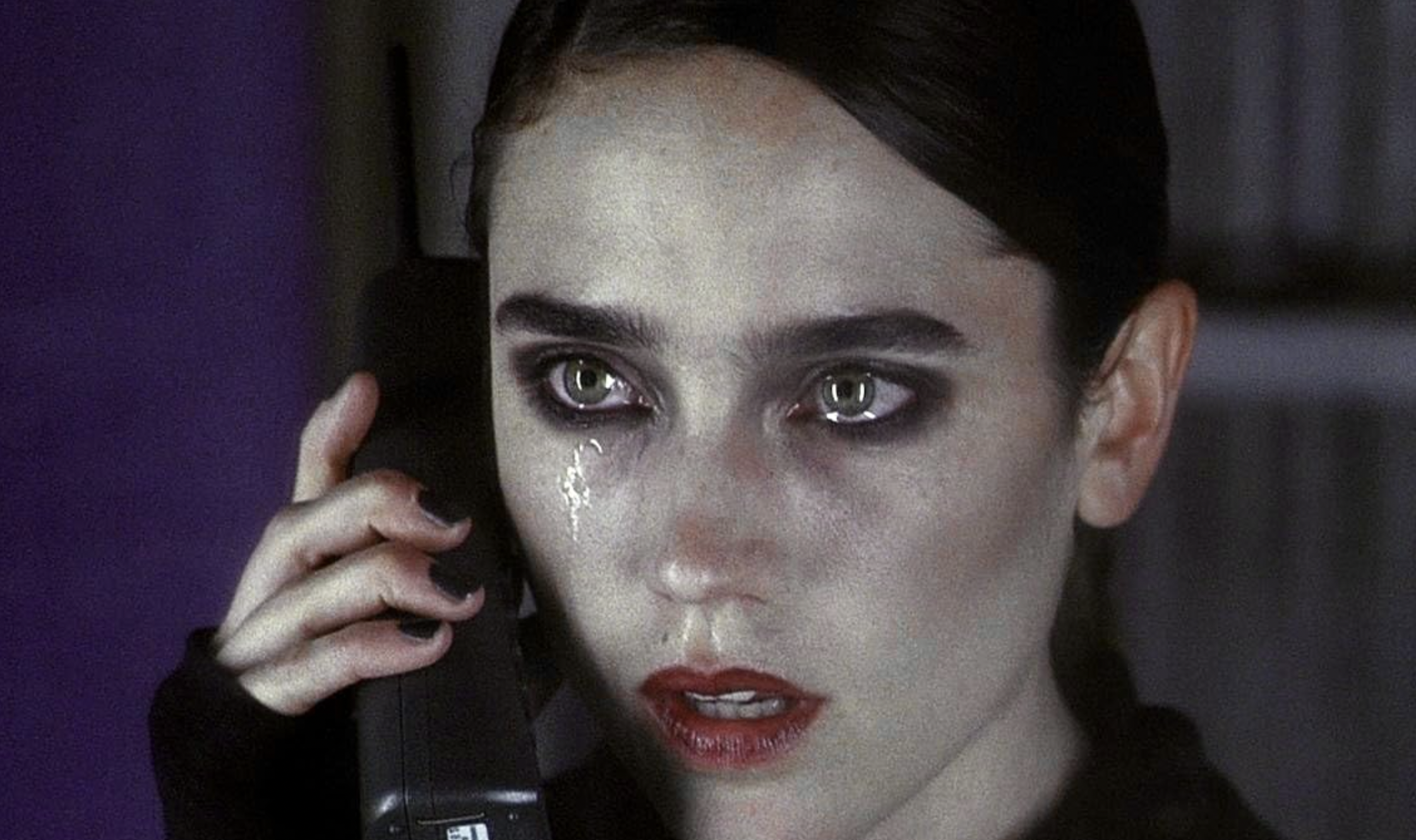
“Requiem for a Dream” (2000)
Darren Aronofsky's “Requiem for a Dream” follows four people whose addictions gradually consume their lives. By the final sequence there is no last-minute rescue coming. Harry loses an arm after a severe infection, Tyrone ends up imprisoned, Marion sinks deeper into exploitation to feed her addiction, and Sara is hospitalized and subjected to electroconvulsive treatment after her dependence on prescription stimulants destroys her grip on reality. The four characters curl into nearly identical fetal positions as the movie ends. Subtle it is not. Effective it absolutely is.
“Marley & Me” (2008)
“Marley & Me” spends most of its runtime convincing you that you are watching a funny family movie about an uncontrollable Labrador. That is how it gets you. John and Jenny Grogan, played by Owen Wilson and Jennifer Aniston, build a family while Marley grows from a destructive puppy into an elderly dog who has been there through nearly every major moment of their lives. After a second serious bout of gastric dilatation-volvulus, surgery is no longer a realistic option. Marley is euthanized with John beside him, and the family later buries him beneath a tree at home. Anyone who has ever loved a dog already knows how this ends emotionally.
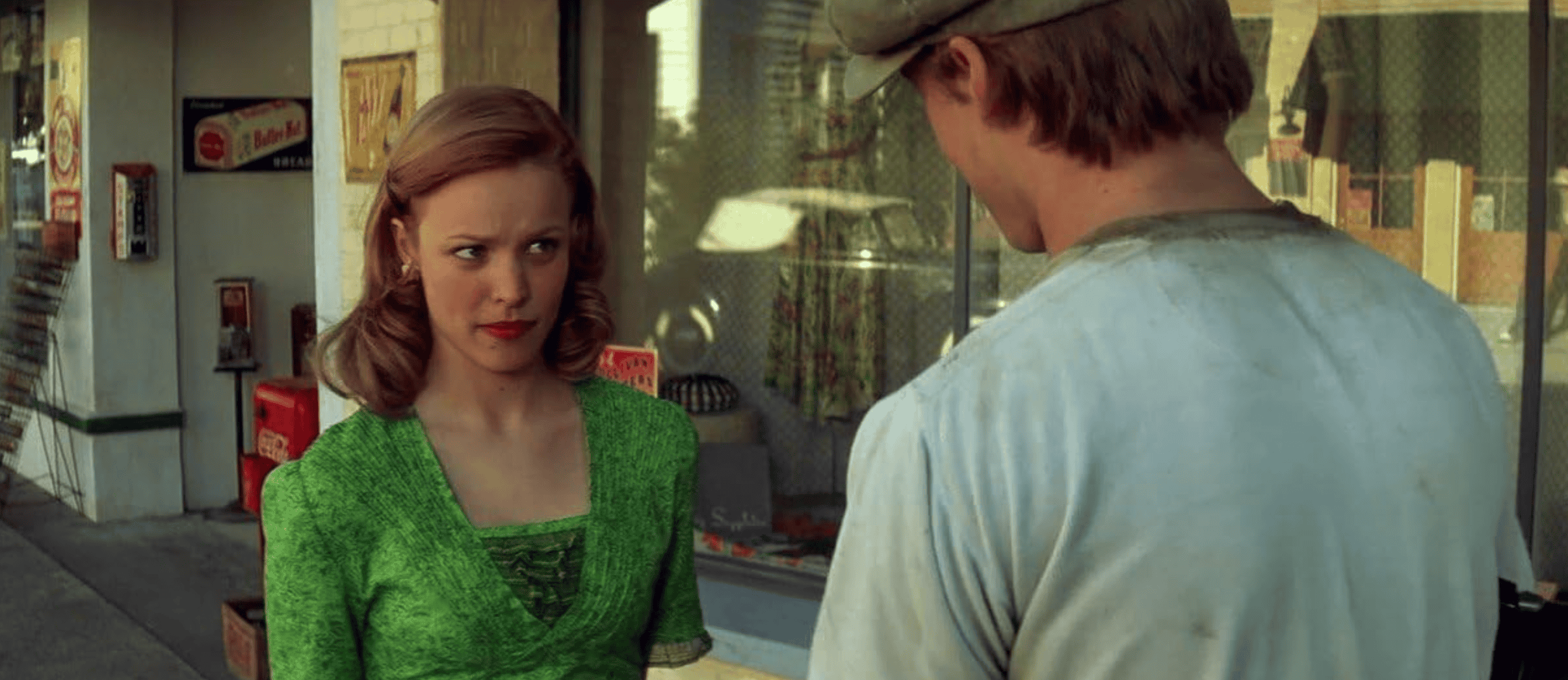
“The Notebook” (2004)
For most of “The Notebook,” we watch the decades-spanning romance of Noah and Allie. Eventually we learn that the elderly man reading the story is Noah himself and that the woman listening is Allie, now living with dementia. His reading occasionally brings her memories back, but never for long. In their final scene, Allie recognizes Noah once more and the two fall asleep beside each other. A nurse finds them the following morning, dead together and still holding hands. Nicholas Sparks did not exactly come here to send everyone home cheerful.
“Manchester by the Sea” (2016)
“Manchester by the Sea” refuses to give Lee Chandler the kind of neat emotional recovery movies often hand their characters before the credits. Lee returns to Massachusetts after his brother dies and becomes responsible for his teenage nephew, Patrick. We eventually learn that Lee accidentally caused the house fire that killed his three children, a loss that destroyed his marriage and nearly destroyed him. By the end, Lee admits he cannot remain in Manchester because he simply cannot overcome what happened there. He arranges for Patrick to stay with family friends but finds a Boston apartment with room for his nephew to visit. It is progress, just not a miracle cure for grief.
“Atonement” (2007)
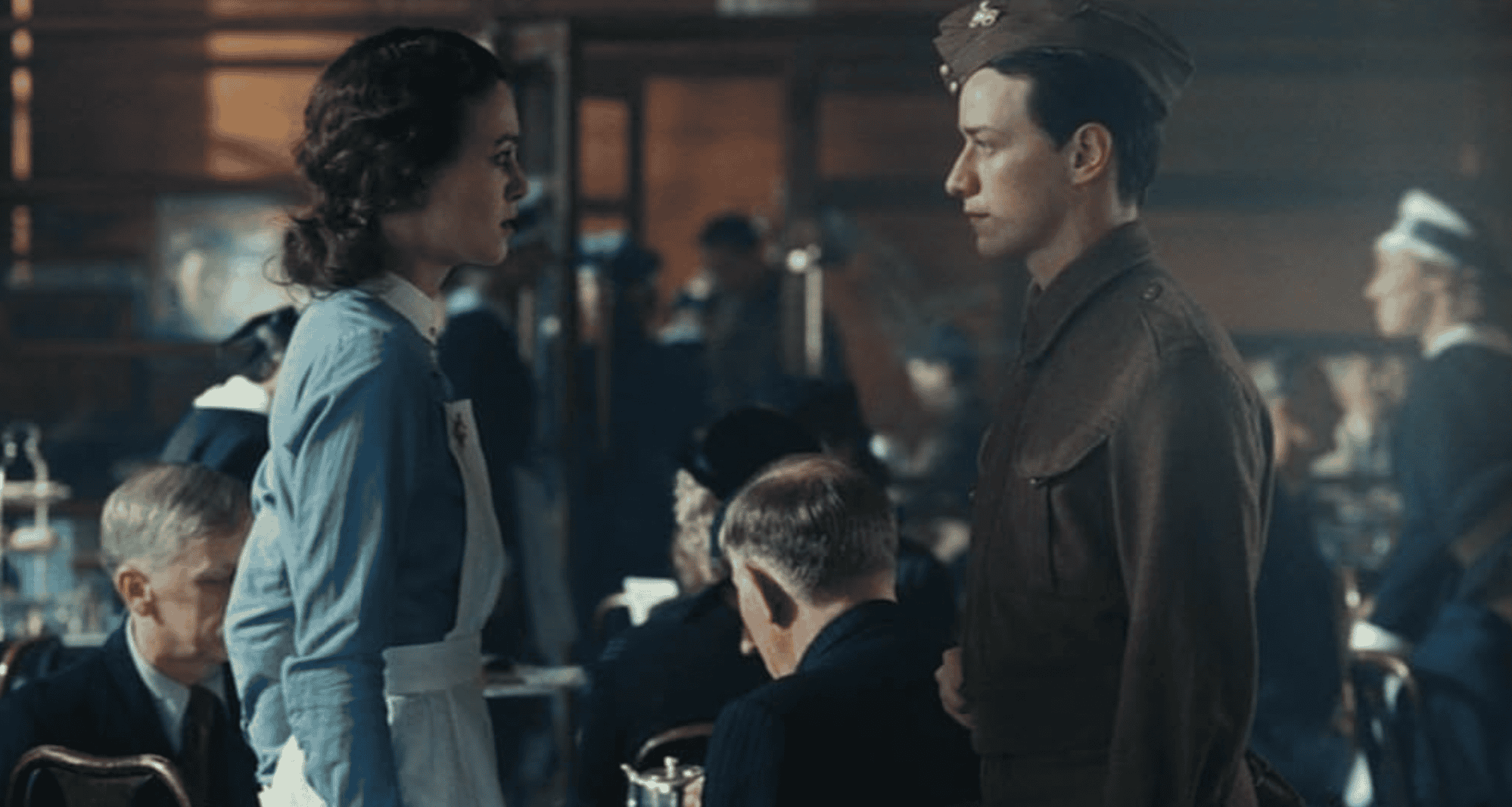
“Atonement” spends much of its runtime letting us believe Robbie and Cecilia eventually found their way back to each other after a false accusation destroyed their lives. Then elderly Briony Tallis reveals the truth. She invented their reunion in the book she wrote about what happened. Robbie actually died from septicemia while awaiting evacuation near Dunkirk in 1940, and Cecilia was later killed when Balham Underground station was bombed during the Blitz. Briony could not reunite them in life, so she gave them the ending she had stolen from them in fiction. Brutal.
“Bridge to Terabithia” (2007)
“Bridge to Terabithia” looks like a fantasy adventure about Jess and Leslie, two lonely kids who create an imaginary kingdom in the woods. Then Jess spends a day at an art museum without Leslie and returns home to horrifying news. Leslie tried to cross the swollen creek using their rope swing, but the rope broke. She hit her head and drowned. Jess eventually works through his guilt and builds a bridge across the creek, inviting his younger sister into the world he and Leslie created. It is a hopeful ending built directly on top of one of the nastiest emotional sucker punches in family-movie history.
“My Girl” (1991)
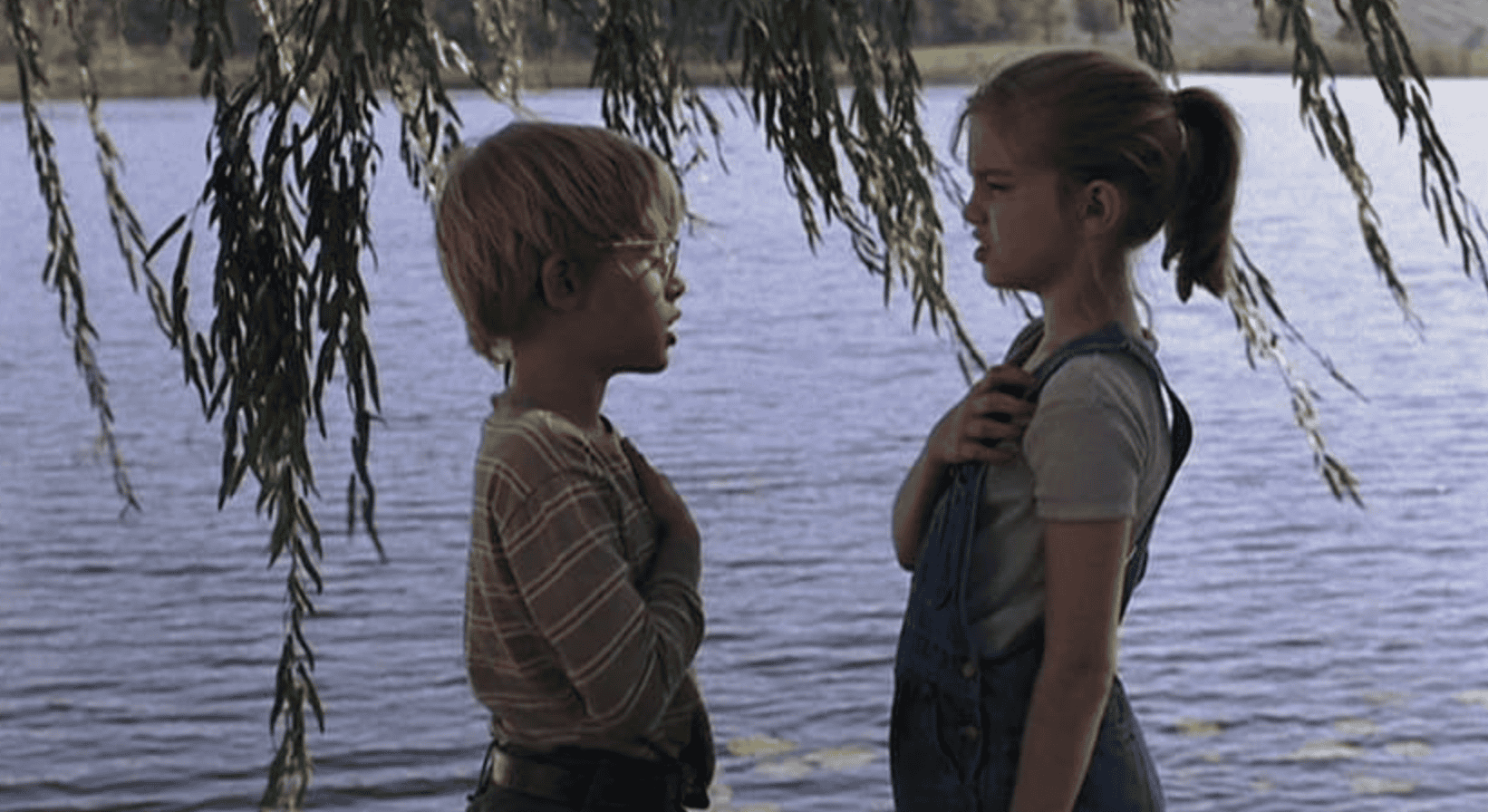
“My Girl” follows 11-year-old Vada Sultenfuss and her best friend Thomas J. during the summer of 1972. Their friendship slowly edges toward first love until Thomas returns to the woods looking for a ring Vada lost. He disturbs a beehive and suffers a fatal allergic reaction after being repeatedly stung. Vada's grief finally erupts at his funeral when she sees his body in the casket. If you saw this as a kid, there is a very good chance that scene is still occupying some permanent piece of your brain.
“Terms of Endearment” (1983)
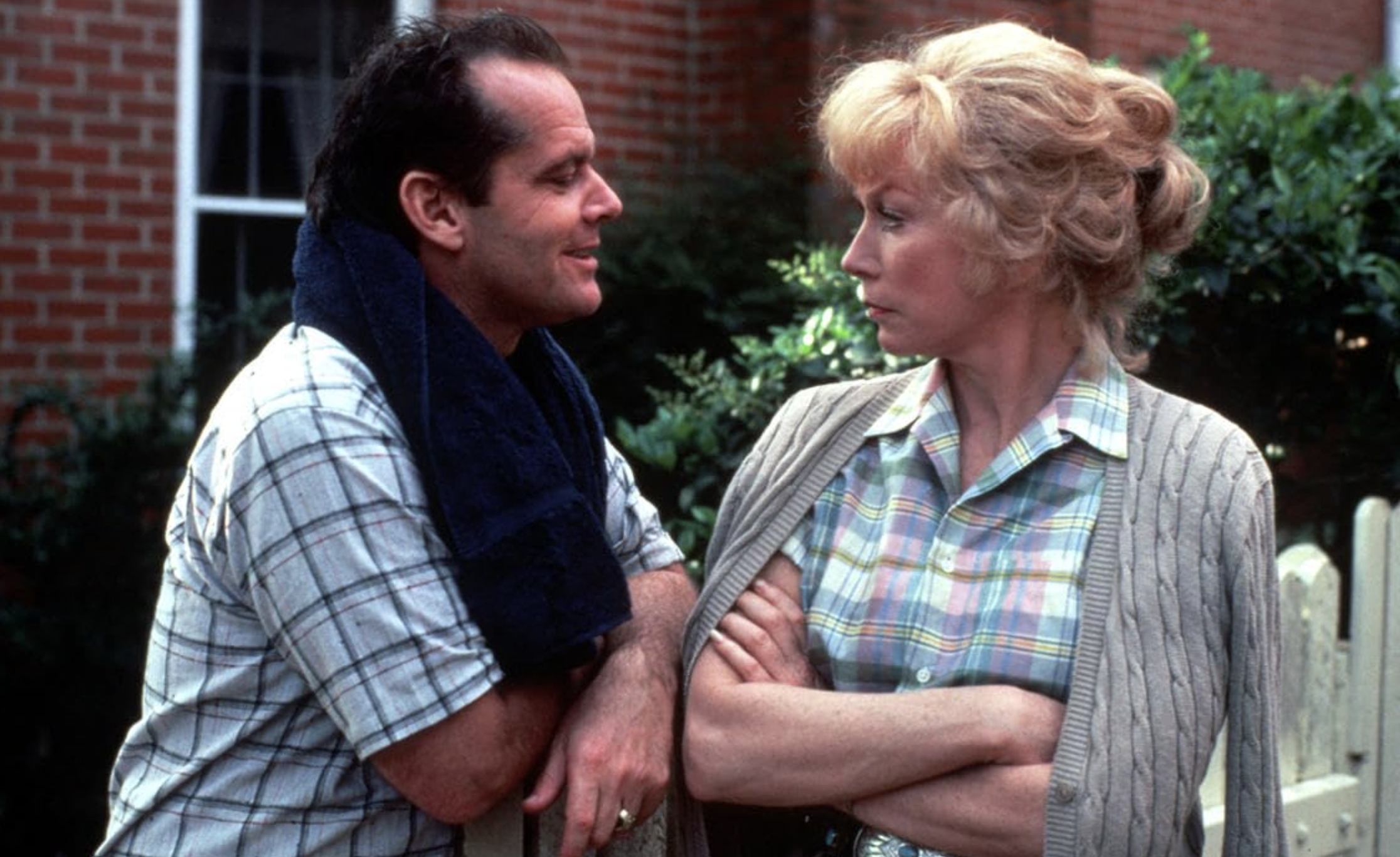
“Terms of Endearment” follows the messy, loving relationship between Aurora Greenway, played by Shirley MacLaine, and her daughter Emma, played by Debra Winger, across decades of marriages, children, arguments and reconciliations. Emma is eventually diagnosed with cancer, and treatment fails. Knowing she is dying, she has painful final conversations with her children and family before dying in the hospital. The film continues briefly afterward, showing the people around her beginning the impossible job of moving forward without her.
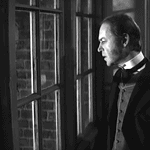
“The Elephant Man” (1980)
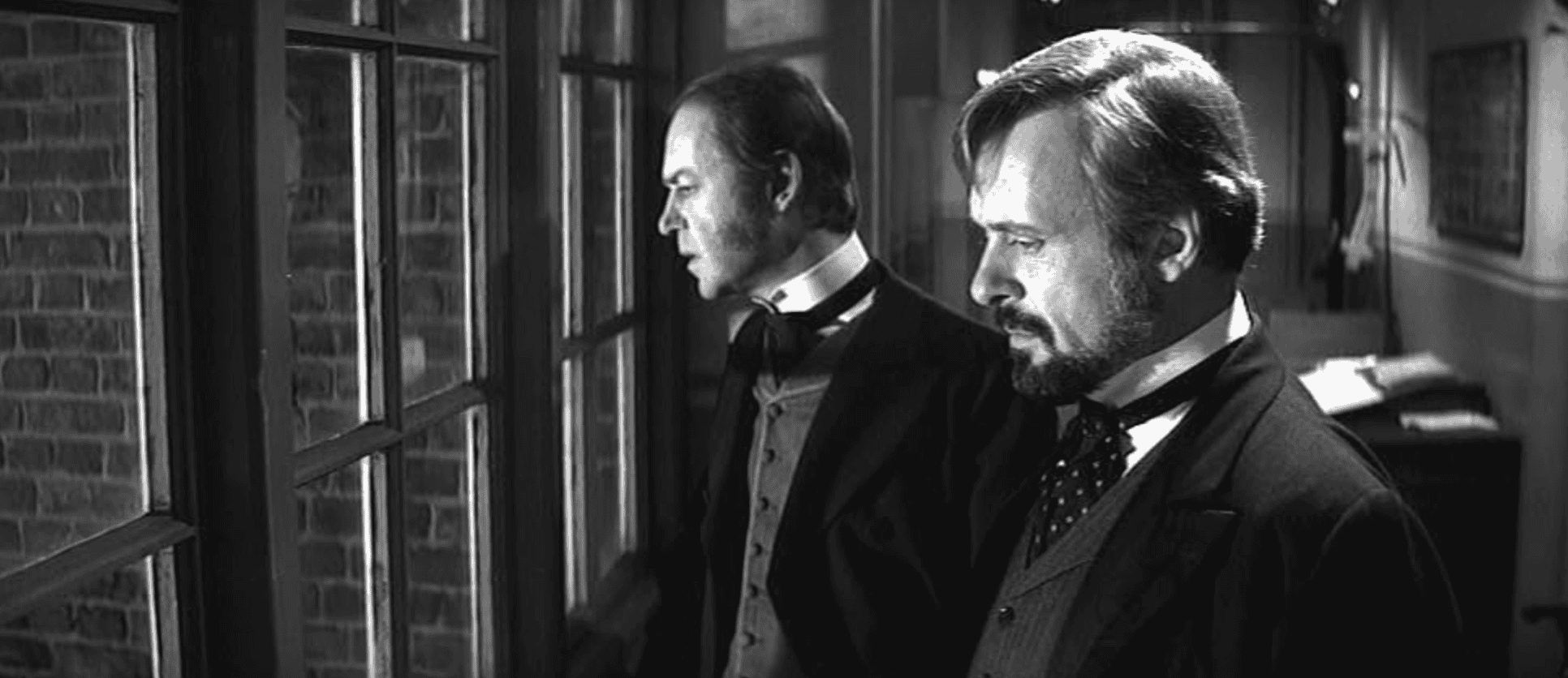
David Lynch's “The Elephant Man” was inspired by the life of Joseph Merrick, although the film calls him John Merrick. Played by John Hurt, Merrick goes from being exploited as a sideshow attraction to finding friendship and a degree of acceptance at the London Hospital. Because of his physical condition, he normally has to sleep sitting upright. In the film's final scene, Merrick removes the pillows supporting him and lies flat in bed, knowing the position can suffocate him. His death is presented as a deliberate final attempt to sleep like everyone else. Historians cannot say with the same certainty that the real Merrick intended to die when he was found dead in bed in 1890.
“Sophie’s Choice” (1982)
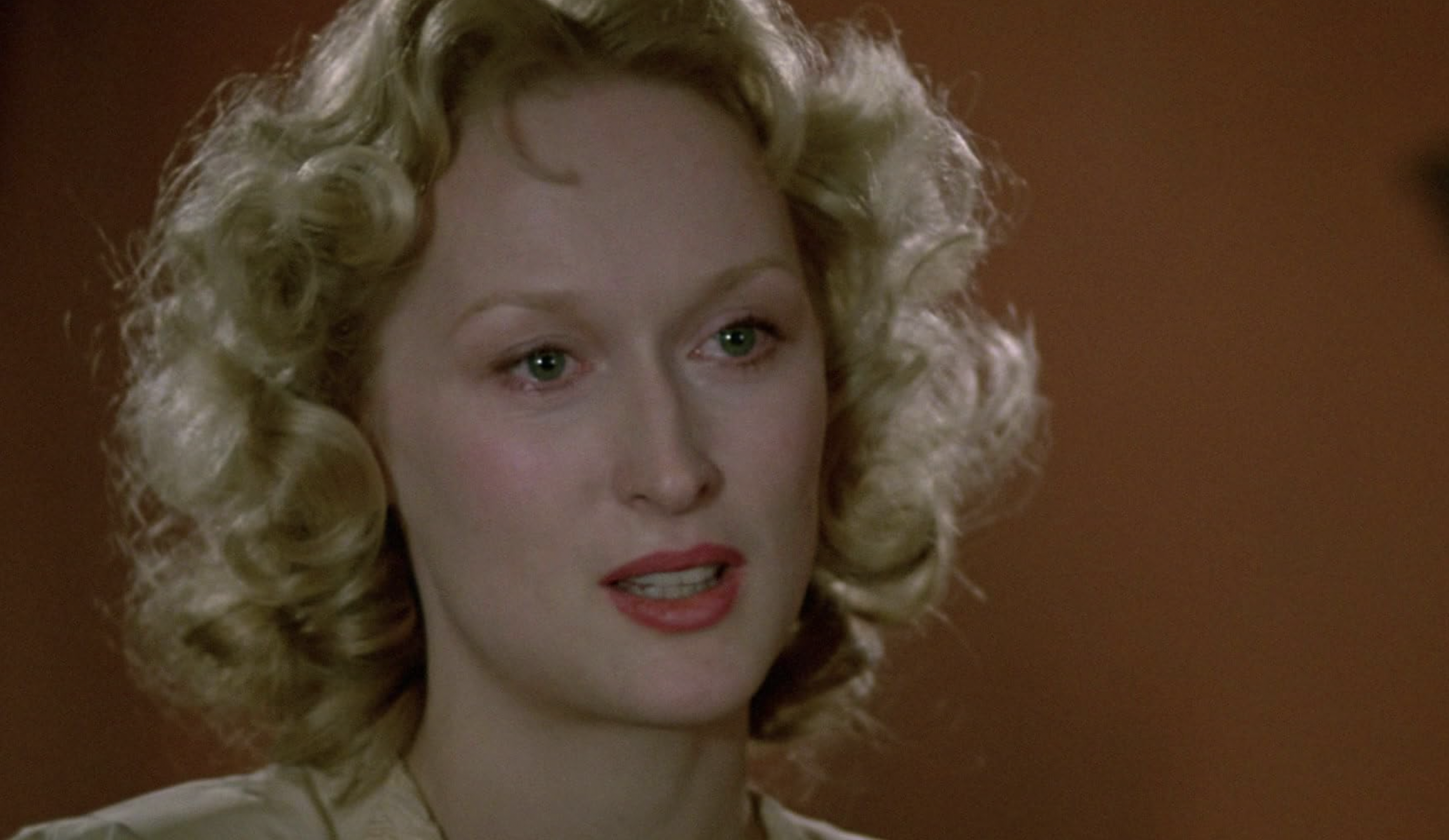
Meryl Streep won the Academy Award for Best Actress for playing Sophie, a Polish Holocaust survivor living in Brooklyn after the war. Gradually, she reveals the trauma she has been carrying, including the unbearable moment at Auschwitz when a Nazi officer forced her to choose which of her two children would be sent away to die. Her postwar relationship with the brilliant but deeply unstable Nathan is destructive as well. Near the end, Sophie returns to Nathan despite Stingo's attempt to give her another life. Stingo later discovers that Sophie and Nathan have died by suicide together.
“A Walk to Remember” (2002)
“A Walk to Remember” pairs rebellious high school senior Landon Carter, played by Shane West, with Jamie Sullivan, the minister's daughter played by Mandy Moore. Their unlikely friendship turns into love before Jamie reveals that she has leukemia and is no longer responding to treatment. Landon stays with her and helps fulfill several of the things she has always wanted to do, eventually marrying her in her father's church. They spend the summer together before Jamie dies. Four years later, Landon is preparing for medical school and still carrying what she taught him into the rest of his life.
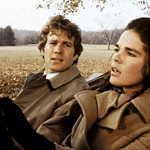
“Love Story” (1970)
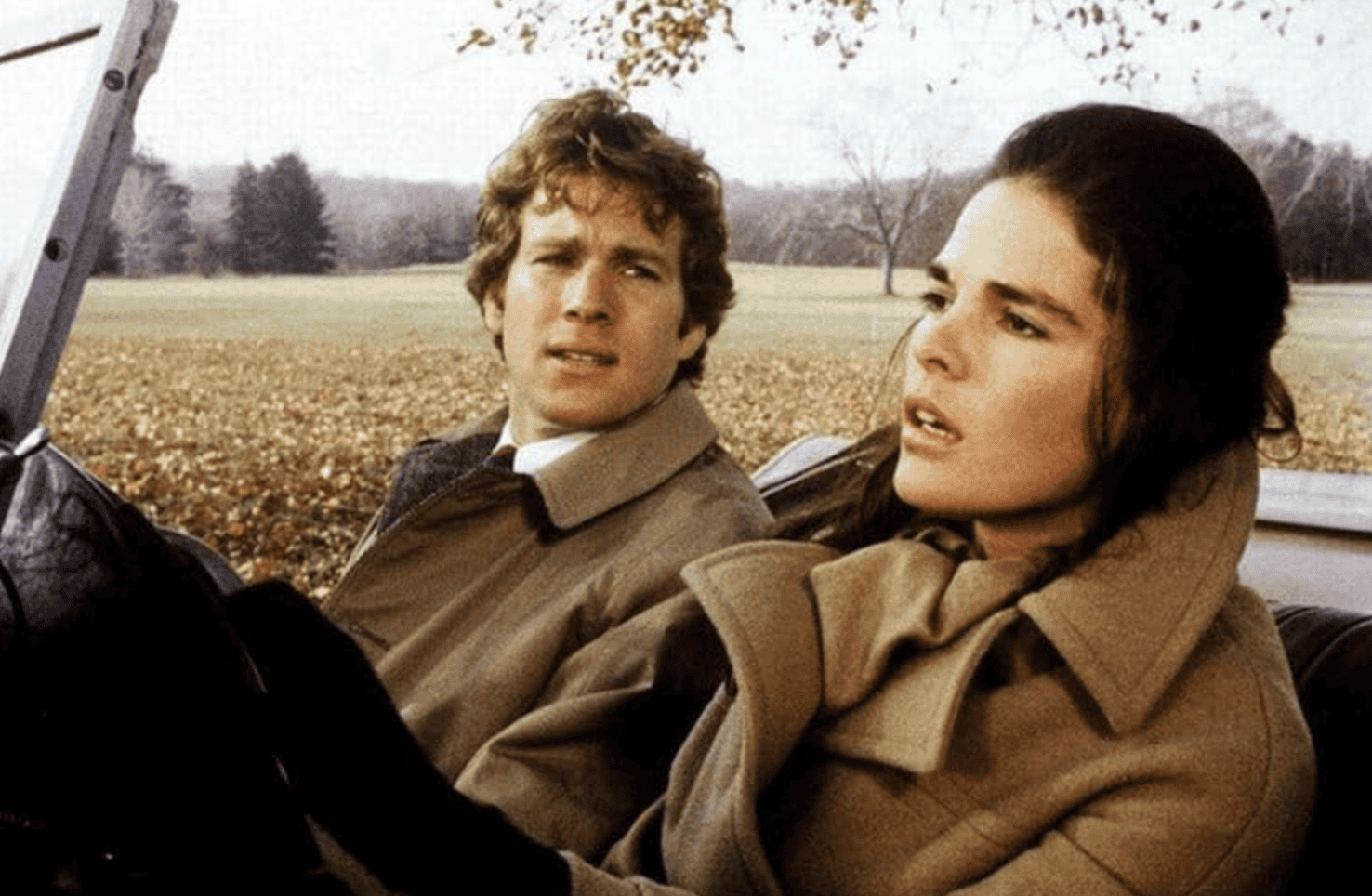
“Love Story” follows wealthy Harvard student Oliver Barrett IV, played by Ryan O'Neal, and working-class Radcliffe student Jenny Cavilleri, played by Ali MacGraw. They marry despite Oliver's father's opposition and build a life together before Jenny develops an unnamed terminal illness. One of the movie's most famous lines, “Love means never having to say you're sorry,” actually appears earlier in their relationship when Jenny says it to Oliver. After Jenny dies, Oliver repeats the line to his estranged father when his father tries to apologize. It was melodrama built with surgical precision, and audiences absolutely fell for it.
“Titanic” (1997)
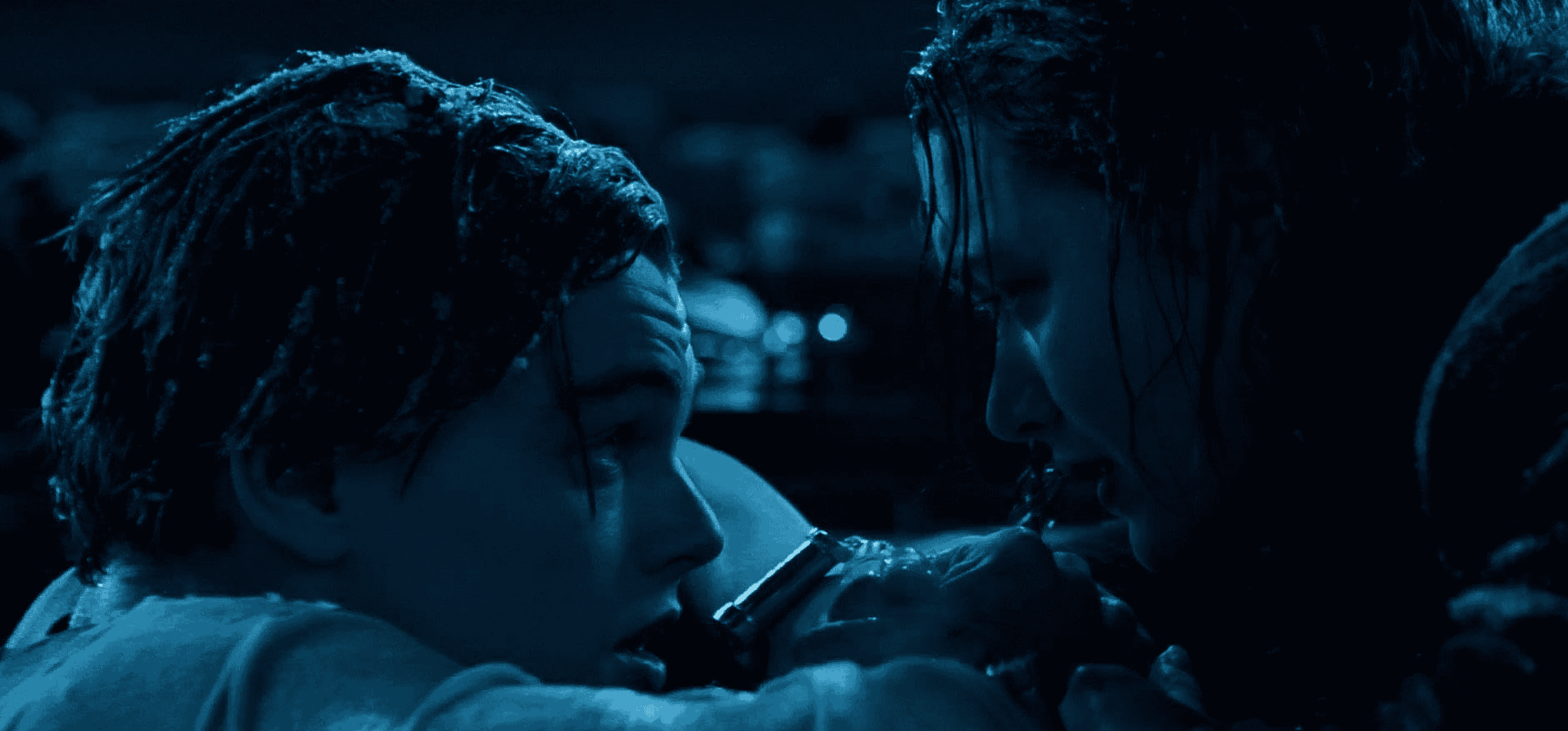
James Cameron built “Titanic” around the real 1912 sinking of the RMS Titanic but placed the fictional romance of Rose DeWitt Bukater and Jack Dawson at its center. Kate Winslet's Rose survives the sinking on a piece of wreckage while Leonardo DiCaprio's Jack dies from exposure in the freezing Atlantic. Rose goes on to live the adventurous life Jack encouraged her to pursue.
After the elderly Rose dies, or perhaps simply falls asleep, the movie returns to Titanic's Grand Staircase, where the passengers who died aboard the ship appear to welcome her and she reunites with Jack. The sequence is commonly read as an afterlife reunion, although the film deliberately leaves room for it to be interpreted as a dream or vision. Either way, it is one of the reasons “Titanic” remains a movie we love to watch over and over again despite knowing perfectly well what is waiting for us at the end.