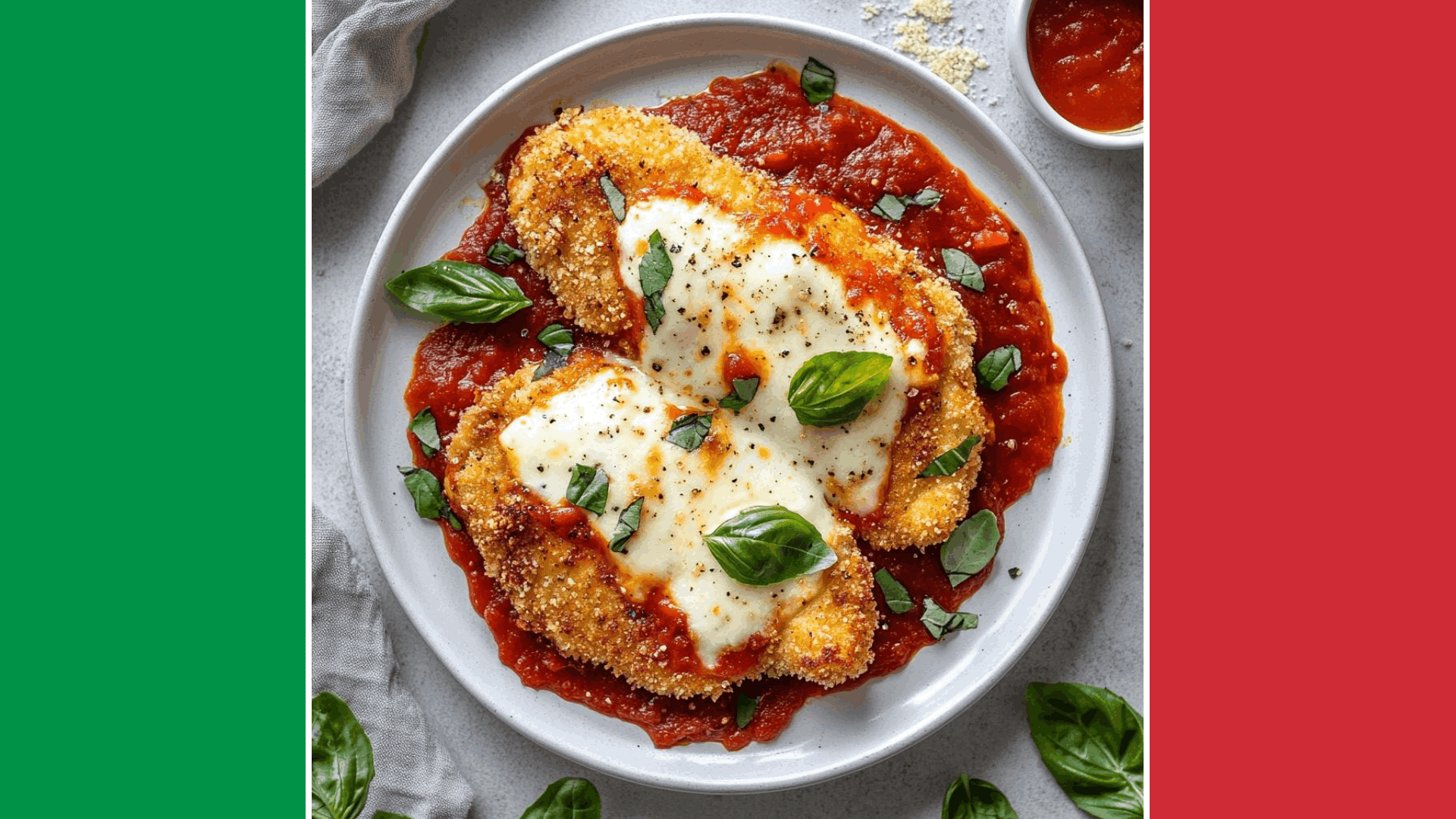
Order a plate of chicken Parmesan, a basket of garlic bread, and a bowl of spaghetti and meatballs, and most Americans would consider themselves to be enjoying a traditional Italian dinner. However, that same meal might look a little unfamiliar to someone who grew up in Italy.
When Italian immigrants arrived in the United States, particularly during the late 19th and early 20th centuries, they brought generations of culinary traditions with them. Access to different ingredients, more affordable meat, and changing tastes helped transform many of those recipes into something uniquely Italian-American.
Of course, that doesn’t make these dishes any less delicious. Italian-American cuisine has developed a rich history and identity of its own. From familiar pizza toppings to some of our favorite pasta dishes, here are 19 foods commonly associated with Italy that have a somewhat different story behind them.
Chicken Parmesan

A crispy breaded chicken breast covered in tomato sauce and melted mozzarella might be the quintessential Italian restaurant meal for many Americans. However, chicken Parmesan likely evolved from traditional Italian eggplant parmigiana, a dish consisting of layers of eggplant, tomato sauce, and cheese. The precise regional origins of eggplant parmigiana are themselves a matter of debate.
As Italian immigrants adapted their recipes to life in America, meat became a more prominent ingredient. Chicken eventually became a popular alternative to eggplant and veal. Serving the entire creation alongside an enormous helping of spaghetti further distinguishes the American version from its Italian relatives.
Caesar Salad

Considering its name, generous helping of Parmesan cheese, and presence on countless Italian restaurant menus, you’d be forgiven for assuming Caesar salad originated somewhere near Rome. Surprisingly, its birthplace is generally recognized as Tijuana, Mexico. Italian-born restaurateur Caesar Cardini is widely credited with creating the salad in 1924.
According to the popular account, Cardini improvised the dish when his restaurant began running short of ingredients during a busy Fourth of July celebration. While competing stories surround its exact creation, the combination of romaine lettuce, cheese, toasted bread, and a tangy dressing became an international favorite. The salad celebrated its 100th anniversary in 2024.
Pepperoni Pizza

Here’s something worth remembering if you ever find yourself ordering pizza in Italy. The Italian word peperoni refers to peppers, not the spicy cured sausage Americans love piling onto their pizzas. American-style pepperoni developed from Italian cured-meat traditions but acquired a distinctive flavor and identity of its own in the United States.
If you’re looking for something resembling American pepperoni pizza in Italy, try ordering a pizza alla diavola or one topped with spicy salami. You’ll also notice considerable regional variation in Italian pizza itself, from the soft, airy crusts of Naples to the thin, crispy pizzas commonly found in Rome. There isn’t one universal Italian approach to making pizza, either.
Garlic Bread

Few things are quite as tempting as a loaf of warm bread slathered in garlic butter, particularly when there’s a layer of melted cheese involved. While American-style garlic bread has recognizable Italian roots, the buttery, heavily seasoned version served alongside pasta at American restaurants is a different preparation.
Traditional Italian bruschetta begins with toasted or grilled bread, often rubbed with fresh garlic and drizzled with extra-virgin olive oil. In Tuscany, a particularly simple version is known as fettunta. Tomatoes, basil, and other toppings can also be added. Both versions accomplish essentially the same thing, although the American interpretation tends to be considerably more indulgent.
Spaghetti and Meatballs

Spaghetti, tomato sauce, and meatballs all have legitimate Italian roots. However, the familiar American combination of long pasta topped with enormous meatballs became particularly popular among Italian immigrant communities in the United States. Greater access to affordable meat allowed families to prepare more substantial versions of traditional meatballs, known in Italy as polpette.
That said, the popular claim that Italians never combine pasta and meatballs isn’t entirely accurate. In the Abruzzo region, spaghetti alla chitarra with tiny meatballs called pallottine is a traditional specialty. The difference is largely in the size, preparation, and presentation rather than the combination of ingredients itself.
Creamy Fettuccine Alfredo

Unlike some of the other dishes on this list, fettuccine Alfredo really did originate in Italy. Roman restaurateur Alfredo Di Lelio popularized his version during the early 20th century, combining fresh pasta with butter and Parmigiano Reggiano. The dish became particularly popular with American visitors, including Hollywood celebrities Douglas Fairbanks and Mary Pickford.
The American interpretation frequently incorporates heavy cream, garlic, chicken, shrimp, or mushrooms. The original Roman preparation relies on butter, cheese, and the moisture from the freshly cooked pasta to create its silky consistency. You can still order the original version at historic restaurants in Rome.
Stromboli

Despite sharing its name with a volcanic island off the coast of Sicily, stromboli is generally recognized as an Italian-American creation. One of the best-known origin stories credits Nazzareno Romano, who introduced the stuffed sandwich at his pizzeria in Essington, Pennsylvania, near Philadelphia, around 1950.
The dish is closely related to the Italian calzone, although modern stromboli is generally rolled into a loaf rather than folded into a semicircle. Filled with cured meats, cheese, vegetables, or various combinations of the three, it’s essentially a portable collection of everything people love about pizza.
Shrimp Scampi

Interestingly, scampi isn’t originally the name of a sauce or cooking technique. In Italian, scampi refers to langoustines, small lobster-like crustaceans found in European waters. Italian immigrants adapted familiar seafood preparations to the shrimp available in American markets while retaining the original name.
Over time, scampi became associated in the United States with a preparation involving garlic, butter or olive oil, white wine, and lemon. Serving the shrimp over a substantial helping of linguine or spaghetti is particularly common in American restaurants, although the dish can also be enjoyed without pasta.
Italian Wedding Soup

The name Italian wedding soup is a somewhat misleading translation of minestra maritata, meaning married soup. The marriage in question refers primarily to the combination of meat and vegetables rather than a bride and groom.
Traditional versions associated with southern Italy, particularly Campania, frequently incorporate leafy greens, pork, sausage, and other cuts of meat simmered together. The familiar American version typically features small meatballs, spinach or escarole, and tiny pieces of pasta floating in a flavorful broth. Both are comforting dishes, although their ingredients and preparation can differ substantially.
Italian Sub Sandwiches

Whether you call it a sub, hoagie, grinder, or hero, the generously stuffed Italian sandwich is a staple of American delicatessens. Layers of salami, ham, provolone, lettuce, tomatoes, onions, and peppers are commonly packed into a long roll and finished with oil, vinegar, and seasonings.
Although its exact origins remain disputed, the sandwich is closely associated with Italian immigrant communities in the northeastern United States. Italy certainly has its own sandwich culture, including delicious panini filled with cured meats and cheeses. The enormous American deli-style creation, however, developed an identity of its own.
Pasta Primavera

The Italian word primavera means spring, making it a particularly appropriate name for a pasta dish overflowing with colorful vegetables. Despite its Italian name, the version Americans recognize became famous at Le Cirque, an upscale New York City restaurant, during the 1970s.
The dish is commonly associated with restaurateur Sirio Maccioni and a trip to Canada, although accounts differ regarding precisely who created it. Its early restaurant preparation included cream, butter, Parmesan, and fresh vegetables. Modern versions range from rich, creamy preparations to lighter combinations of seasonal vegetables and olive oil.
Cioppino

Seafood lovers might assume this hearty tomato-based stew originated in one of Italy’s picturesque coastal communities. Its actual birthplace, however, is San Francisco, where Italian immigrant fishermen adapted familiar seafood recipes to the ingredients available along the California coast.
Cioppino likely takes its name from ciuppin, a traditional Ligurian fish soup. The Californian version frequently includes Dungeness crab, clams, mussels, shrimp, and whatever fresh fish is available. It’s an excellent example of how immigrant communities created distinctive regional specialties while maintaining a connection to their culinary heritage.
American-Style Baked Ziti

There’s little more comforting than pulling a bubbling casserole of baked ziti out of the oven. Contrary to popular belief, baked ziti isn’t entirely an American invention. Italy has a long tradition of pasta al forno, or oven-baked pasta, and traditional regional recipes specifically use ziti.
The familiar Italian-American version, however, has developed its own characteristics, particularly the combination of tomato sauce, ricotta, mozzarella, and generous portions of pasta. Italian baked ziti recipes can include everything from small meatballs and scamorza cheese to hard-boiled eggs. The two versions are more closely related than many people realize.
Chicken Piccata

With its combination of tender chicken, butter, lemon juice, and tangy capers, chicken piccata certainly incorporates flavors associated with Italian cooking. The dish also shares similarities with Italian scaloppine, which typically consist of thin slices of meat cooked quickly in a pan and served with a flavorful sauce.
The widely recognized American restaurant version featuring chicken breasts and a lemon-caper sauce is generally considered an Italian-American adaptation. Its precise origins are unclear, although veal preparations provide an obvious culinary connection. It’s another example of a familiar Italian cooking technique evolving into a distinct American favorite.
Lobster Fra Diavolo

Despite its wonderfully Italian-sounding name, lobster fra diavolo is generally associated with Italian-American restaurants in the northeastern United States. The dish combines lobster with a tomato sauce seasoned with garlic and hot peppers, often served over linguine or another long pasta.
Several restaurants have been associated with its creation, and its exact origins remain disputed. Although Italy has plenty of traditional lobster dishes and spicy regional specialties, the combination of American lobster and fiery tomato sauce became particularly recognizable in New York’s Italian-American dining scene during the 20th century.
Italian Salad Dressing

Walk down the condiment aisle of practically any American supermarket, and you’ll encounter numerous varieties of Italian dressing. The familiar combination of oil, vinegar, herbs, garlic, seasonings, and sometimes sugar became a commercial success in the United States during the mid-20th century.
Brands such as Ken’s and Wish-Bone helped popularize bottled Italian dressing, drawing inspiration from family recipes and restaurant preparations. In Italy, salads are commonly dressed more simply with extra-virgin olive oil, wine vinegar or lemon juice, and a little salt. Sometimes, diners add these ingredients themselves at the table.
Chicken Tetrazzini

Chicken tetrazzini has an Italian name for a particularly interesting reason. The dish was named in honor of Luisa Tetrazzini, an internationally celebrated Italian opera singer who enjoyed considerable popularity in the United States during the early 20th century.
Both San Francisco and New York have been credited with its creation, although the exact circumstances remain disputed. Combining pasta, mushrooms, chicken or turkey, and a creamy sauce, tetrazzini eventually became a classic American casserole. Turkey tetrazzini remains a particularly popular way to repurpose Thanksgiving leftovers.
Bread With Oil and Vinegar for Dipping

There’s something particularly enjoyable about dipping a piece of crusty bread into a shallow dish of olive oil, balsamic vinegar, and herbs while waiting for dinner. Although all of those ingredients are associated with Italian cuisine, the practice of automatically serving a seasoned dipping mixture with a restaurant bread basket is particularly familiar to American diners.
Italy has its own bread-related traditions, including tasting fresh olive oil with bread and using a piece of bread to gather the remaining sauce from a plate, a practice affectionately known as fare la scarpetta. The ingredients aren’t foreign to Italy, but the American restaurant presentation is distinctive.
Italian Rainbow Cookies

With their distinctive red, white, and green layers, Italian rainbow cookies certainly look like a patriotic tribute to Italy. That’s precisely the idea, although the colorful treats are generally associated with Italian-American bakeries, particularly those in New York and the surrounding region.
Despite their name, rainbow cookies are actually closer to miniature almond-flavored layer cakes, held together with fruit preserves and coated in chocolate. They also became popular in Jewish-American bakeries, illustrating how culinary traditions can spread between neighboring immigrant communities. Today, they’re a familiar sight at bakeries, holiday gatherings, and family celebrations throughout the northeastern United States.