Missing attribution
Wikimedia Commons
Wikimedia Commons

Wikimedia Commons
Wikimedia Commons
Wikimedia Commons
Wikimedia Commons
Wikimedia Commons
Wikimedia Commons
Wikimedia Commons

Wikimedia Commons

Wikimedia Commons
Wikimedia Commons





12 American Museums With Unusual Collections
America has museums dedicated to some pretty impressive things. We've got priceless works of art, dinosaur skeletons, historic aircraft, and artifacts that tell the story of human civilization. And then we've got entire museums devoted to pencil sharpeners, umbrella covers, and the canned meat known as SPAM.
I'm not knocking any of them, either. There's something oddly entertaining about discovering that someone collected thousands of everyday objects and eventually decided the rest of the world needed to see them. Some of these collections are genuinely impressive, while others are a little ridiculous. Quite a few manage to be both.
From thousands of bobbleheads in Wisconsin to a room full of ventriloquist figures in Kentucky, these 12 American museums celebrate some wonderfully specific interests. Most are still welcoming visitors, although one memorable collection has since closed to the public. And who knows? You might even find one worth adding to your next road trip.
Umbrella Cover Museum - Maine
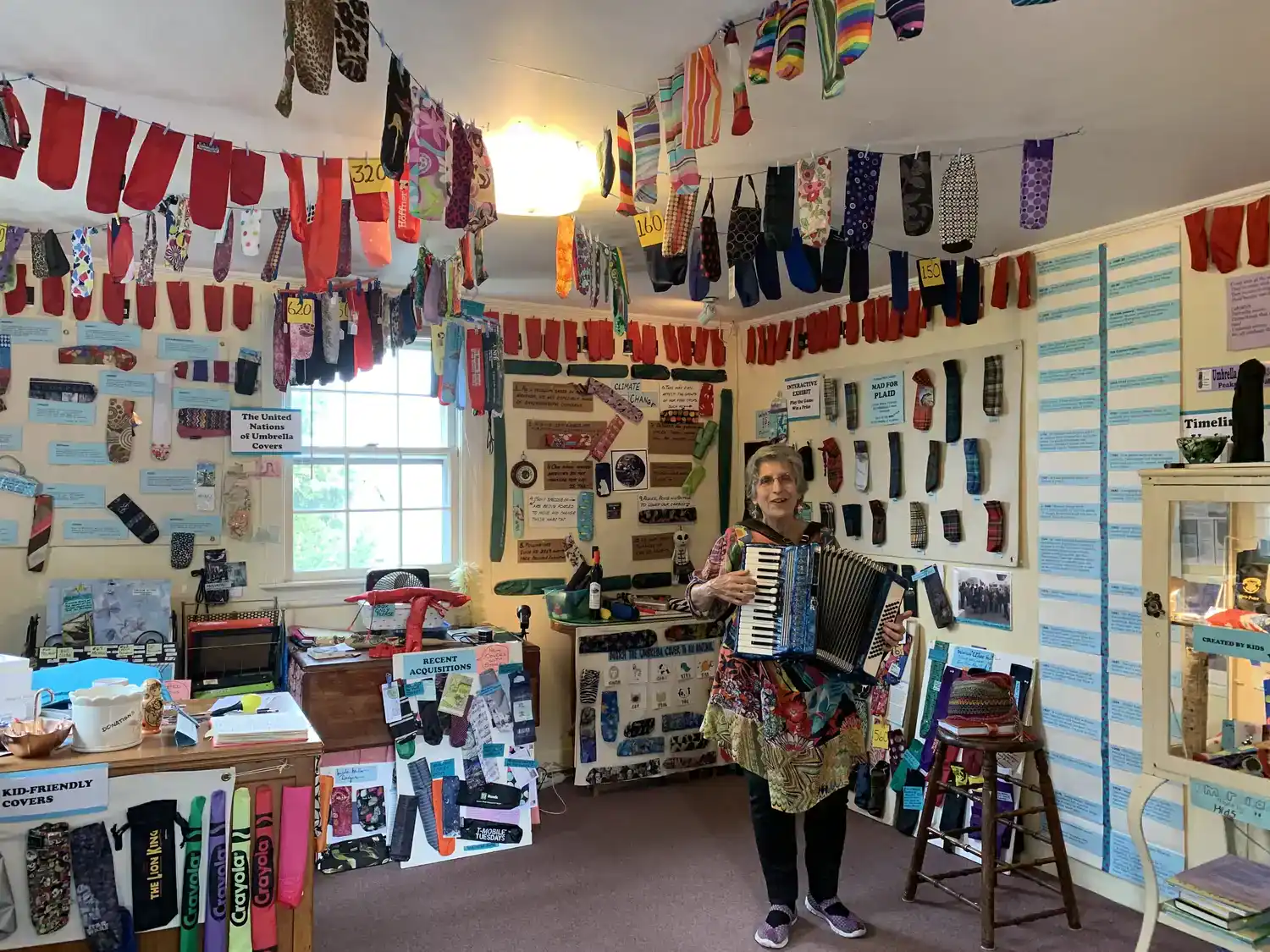
You know those little fabric sleeves that come with umbrellas? The ones most people lose, throw away, or stuff into a drawer and never think about again? Well, there's an entire museum dedicated to them on Peaks Island, Maine. Founded in 1996 by Nancy 3. Hoffman, the Umbrella Cover Museum celebrates one of the most overlooked objects in everyday life. Its collection includes umbrella covers from around the world, featuring unusual designs, patterns, and materials. The museum's philosophy is that even ordinary objects can be worth appreciating, which is certainly one way to look at something most of us consider disposable packaging. The attraction operates seasonally and has closed for the remainder of 2026, with plans to reopen in May 2027. If you happen to be visiting the Portland area during its operating season, it's easily one of the more unusual stops you could make.
Lunch Box Museum - Georgia
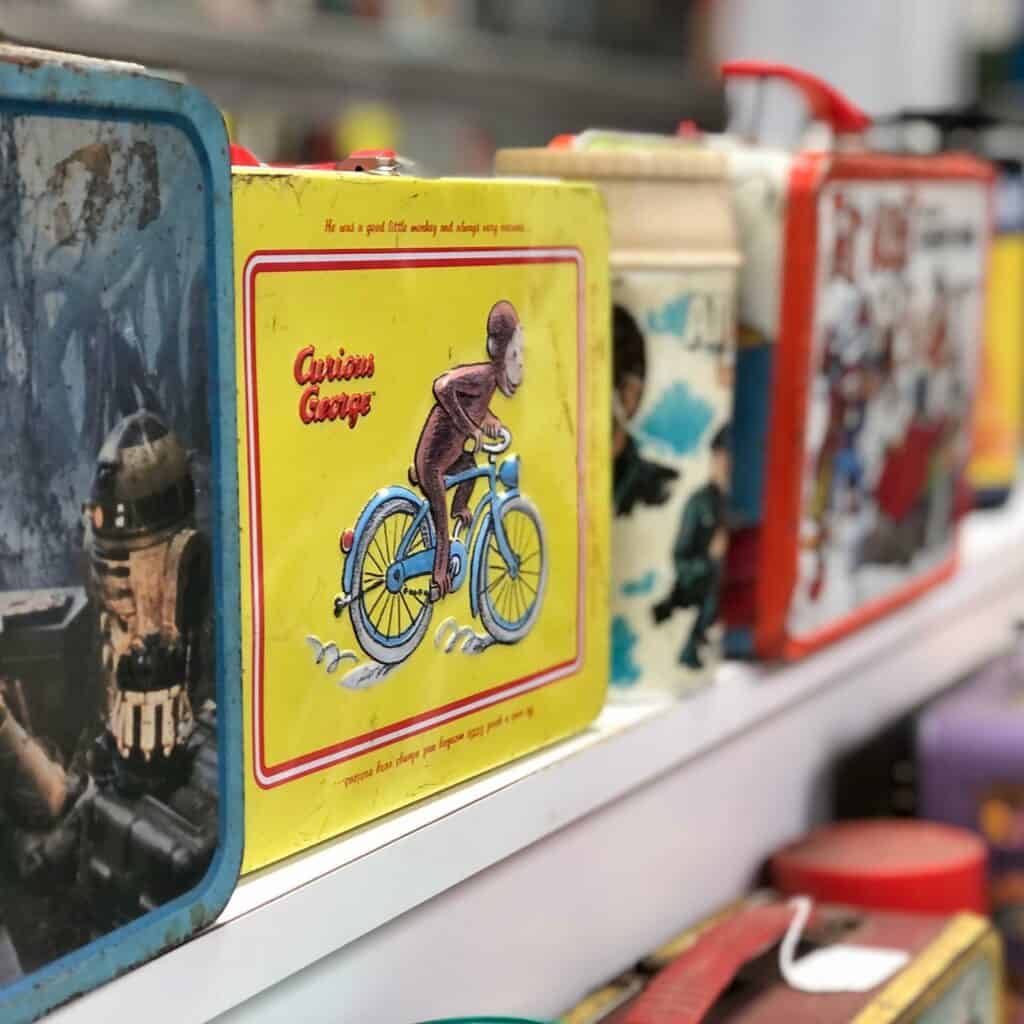
Remember when picking out a lunchbox for school was practically a major life decision? Whether you wanted Batman, Barbie, Star Wars, or your favorite Saturday morning cartoon, that little metal box was basically an advertisement for your entire personality. The Lunch Box Museum in Columbus, Georgia, preserves more than 5,000 lunchboxes, thermoses, and related collectibles, turning decades of school cafeteria nostalgia into one enormous pop culture collection. Collector Allen Woodall began building the collection in the 1980s after purchasing vintage Green Hornet and Dick Tracy lunchboxes. It eventually grew into one of the largest displays of its kind. Today, the collection is part of the Columbus Collective Museums, and visitors can trace changing trends in television, movies, advertising, and children's entertainment. Some of those old metal lunchboxes have also become surprisingly valuable collectibles.
Kansas Barbed Wire Museum - Kansas
At first glance, barbed wire doesn't seem like a subject that needs an entire museum. It's metal fencing with sharp points. How much more is there to know? Apparently, quite a bit. The Kansas Barbed Wire Museum in La Crosse houses thousands of different wire varieties, along with antique fencing tools and historical exhibits. Visitors can learn about the different designs, the inventors who developed them, and how this relatively simple product helped transform agriculture and ranching across the American West. Before barbed wire became widely available in the late 1800s, fencing large sections of open prairie was expensive and difficult. The new technology helped farmers and ranchers contain livestock and divide property, although it also contributed to conflicts over land use. The museum even has a Barbed Wire Hall of Fame. Yes, a Hall of Fame for barbed wire. And to be fair, the invention did change American history.
National Mustard Museum - Wisconsin
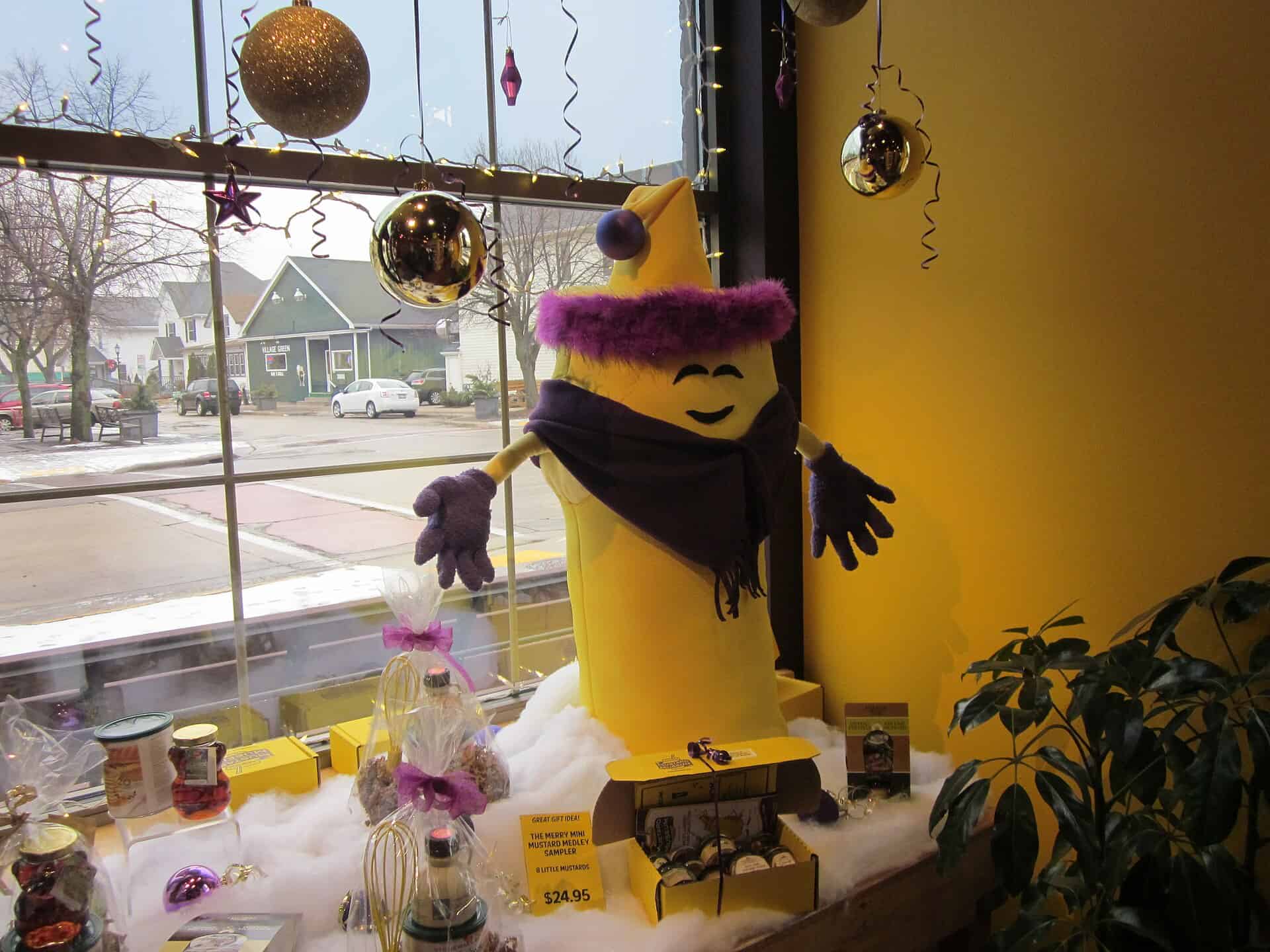
Some people prefer ketchup. Others swear by mustard. And apparently, some people take their mustard appreciation far enough to build an entire museum around it. Located in Middleton, Wisconsin, the National Mustard Museum houses more than 6,000 jars, bottles, and tins representing every U.S. state and dozens of countries. The collection includes everything from traditional yellow mustard to unusual regional varieties that probably wouldn't be the first thing you'd reach for when making a sandwich. Visitors can explore mustard history, learn about different ingredients and manufacturing traditions, and browse an enormous assortment of specialty products. There's even a tasting bar where guests can sample different varieties before deciding what to bring home. Admission is free, making it an easy stop if you're visiting the Madison area. Just don't blame us if you leave with six jars of mustard you didn't know you needed.
Paul A. Johnson Pencil Sharpener Museum - Ohio
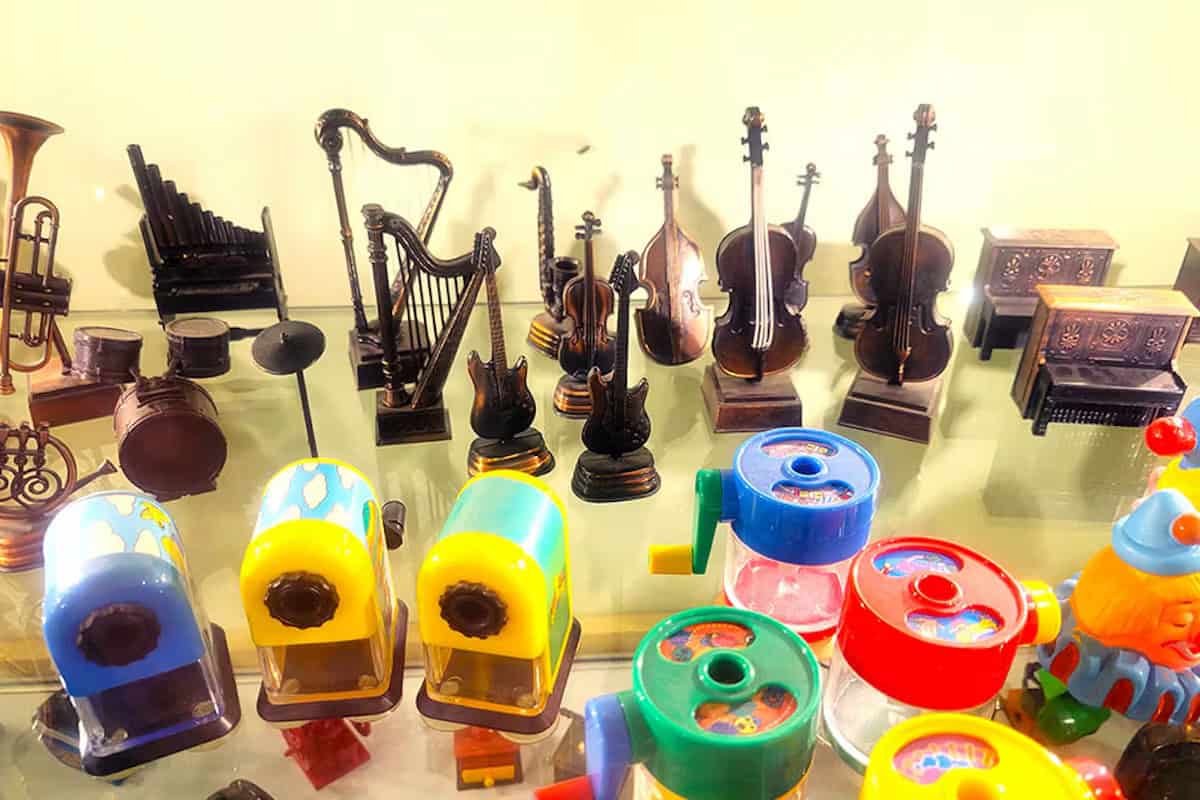
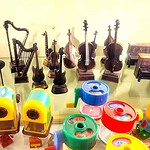
If you've ever wondered how many different ways someone can design a pencil sharpener, there's a museum in Logan, Ohio, that can answer that question. The Paul A. Johnson Pencil Sharpener Museum displays approximately 5,000 sharpeners, including designs shaped like animals, vehicles, buildings, household appliances, and just about anything else that could conceivably hold a tiny blade. The original collection belonged to Reverend Paul Johnson, who began collecting the miniature objects after receiving a few as a gift. Apparently, he never quite reached the point where he decided he had enough. The collection eventually became a local attraction near Hocking Hills and has since expanded with additional sharpeners. A newer display facility opened in 2024, giving visitors a chance to appreciate the collection without rummaging through thousands of desk drawers. Admission is free, and you don't even need to bring a pencil.
American Toby Jug Museum - Illinois (Closed)
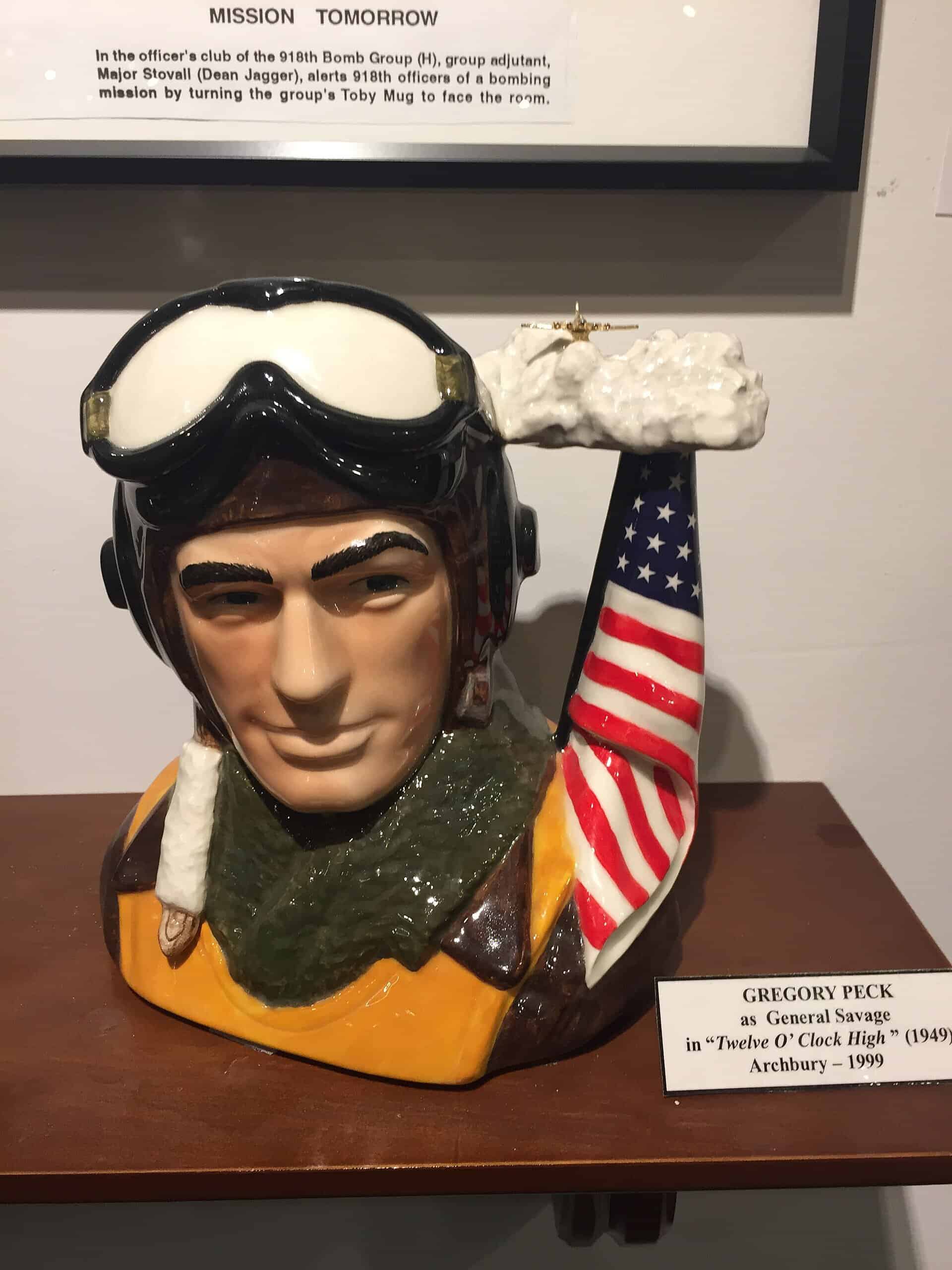
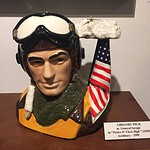
For years, visitors to Evanston, Illinois, could explore a museum dedicated to ceramic pitchers shaped like people. Known as Toby jugs, these unusual collectibles often depict seated figures, while related character jugs feature sculpted faces and shoulders. The American Toby Jug Museum housed thousands of examples, ranging from historical figures to recognizable celebrities and fictional characters. Imagine walking into a room filled with ceramic faces staring back at you. Depending on your perspective, that's either a collector's paradise or the beginning of a very strange horror movie. The museum grew from the personal collection of Stephen Mullins, who began collecting Toby jugs as a teenager and eventually assembled one of the largest collections of its kind. Unfortunately, the museum permanently closed in March 2025, and its collection was subsequently dispersed. Although you can no longer visit, it remains a remarkable example of how far an unusual collecting hobby can go.
Museum of Clean - Idaho
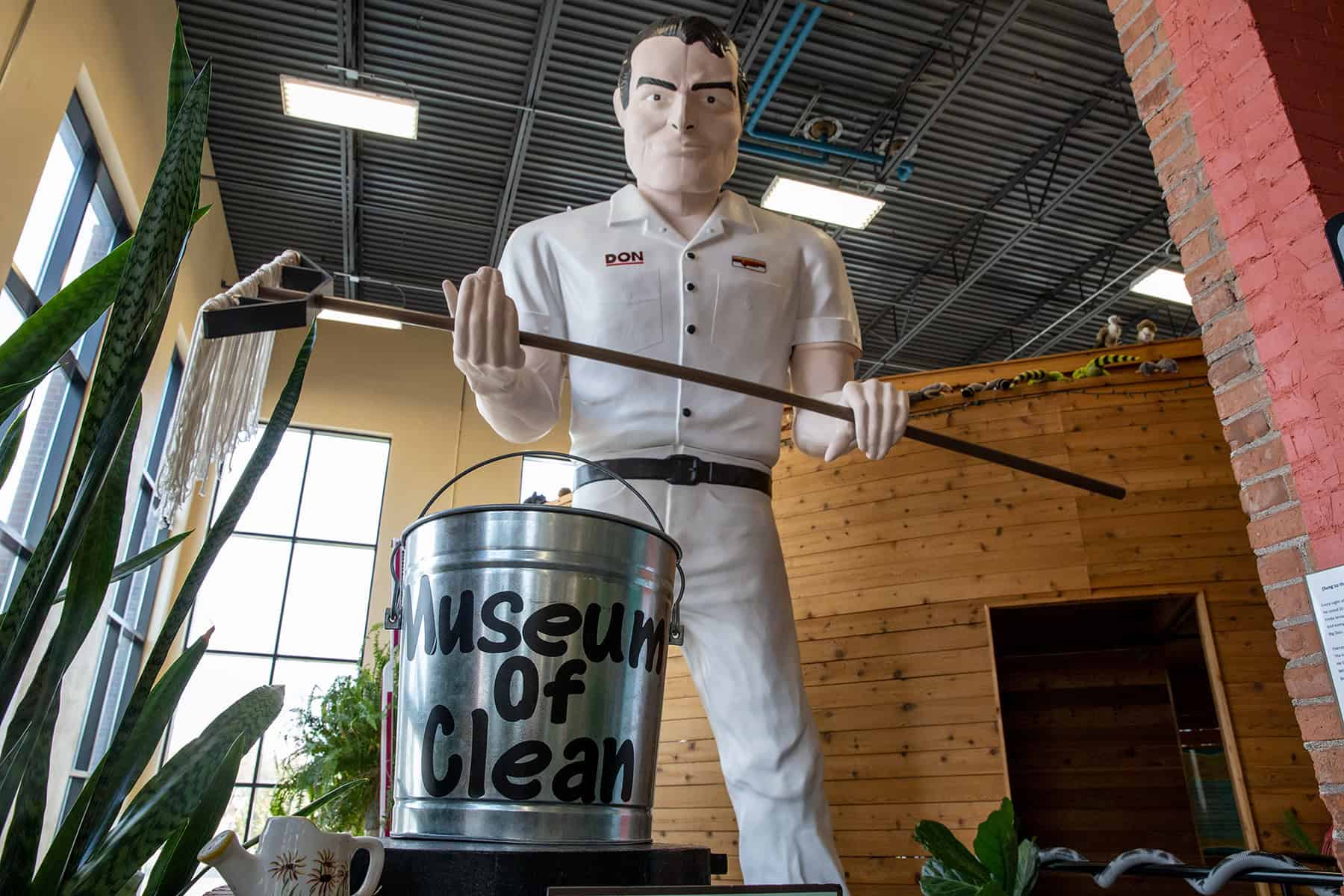
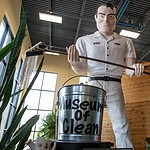
Most of us consider cleaning a chore. Don Aslett apparently considered it a calling. The cleaning industry entrepreneur founded the Museum of Clean in Pocatello, Idaho, creating a massive attraction dedicated to the history and importance of cleanliness. And we're not talking about a small room filled with old brooms. The museum occupies approximately 75,000 square feet and features collections of vacuum cleaners, washing equipment, cleaning tools, artwork, and interactive exhibits. Visitors can explore cleaning technology from different eras, including early mechanical vacuum cleaners that look nothing like the machines sitting in modern closets. The exhibits also examine subjects such as personal hygiene, environmental cleanliness, and the role sanitation has played in everyday life. There are even hands-on displays for children. Making cleaning interesting is a pretty ambitious goal, especially for those of us who would rather do almost anything than scrub a bathroom, but this museum makes a decent case for it.
Salt and Pepper Shaker Museum - Tennessee
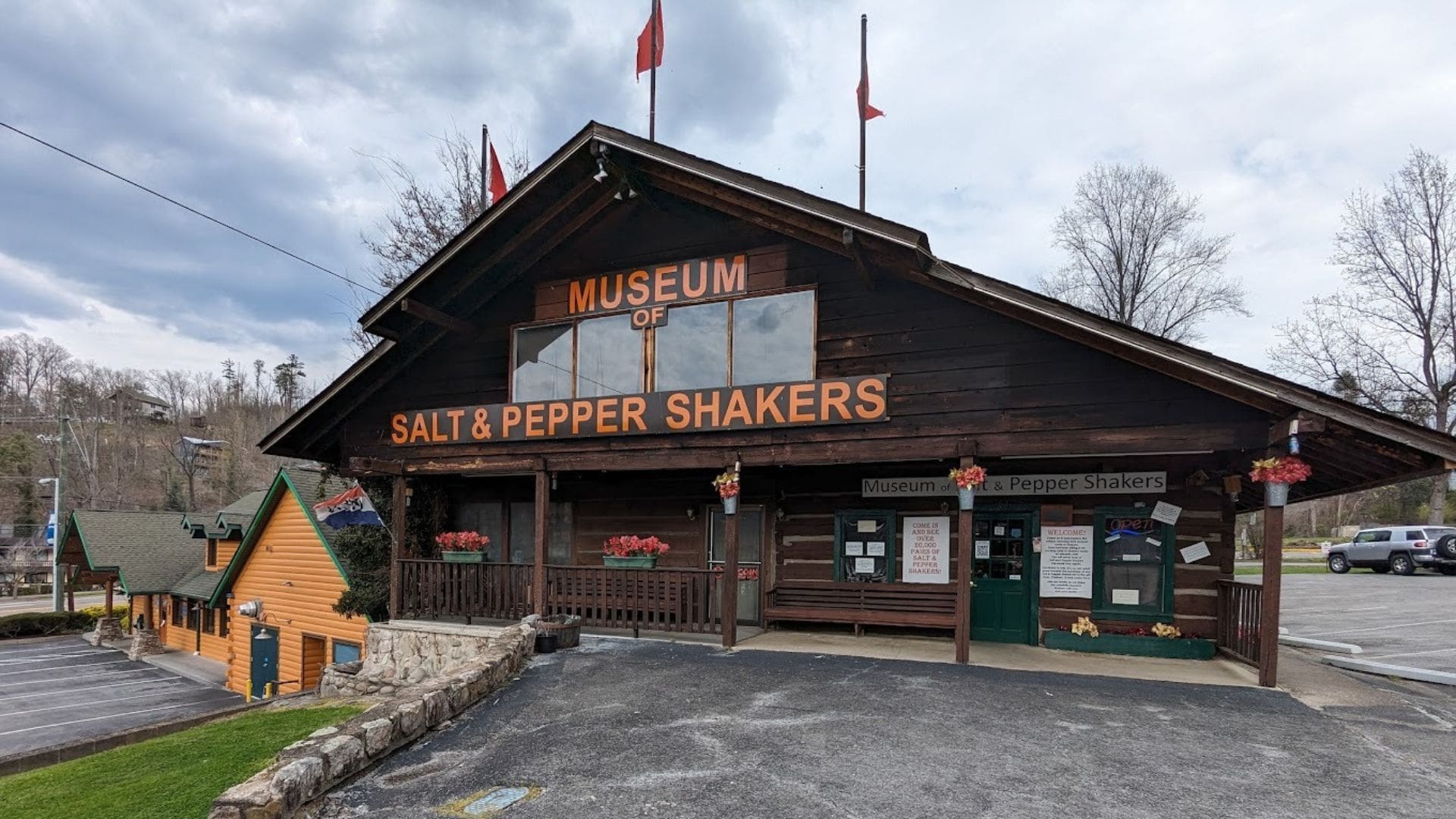
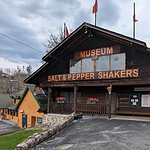
How many salt and pepper shakers does one person really need? If you ask the folks behind the Salt and Pepper Shaker Museum in Gatlinburg, Tennessee, the answer is apparently more than 20,000 sets. That's how many are displayed at this unusual attraction near Great Smoky Mountains National Park. The collection includes shakers shaped like animals, buildings, cars, food, famous people, and almost anything else that somebody thought might look good sitting on a dinner table. Some are beautiful examples of decorative art, while others are exactly the kind of novelty gifts you'd expect to find in an enthusiastic souvenir shop. What makes the museum interesting is how much the collection reveals about changing tastes, advertising, and everyday life. There's also an extensive pepper mill collection, because apparently the regular shakers weren't enough. If you're already visiting Gatlinburg, it's an inexpensive and entertaining detour from the area's more familiar attractions.
Matchstick Marvels Museum - Iowa
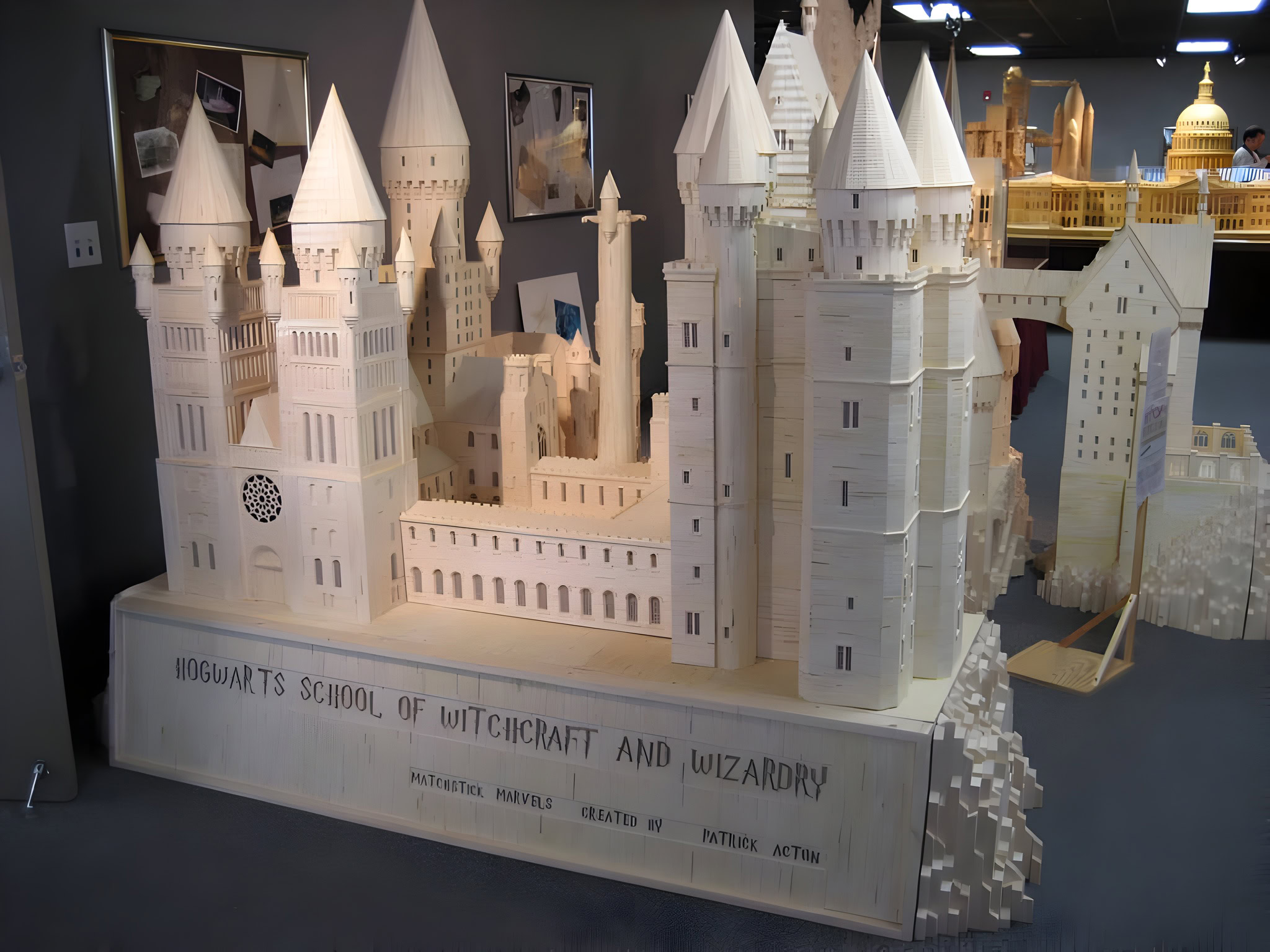
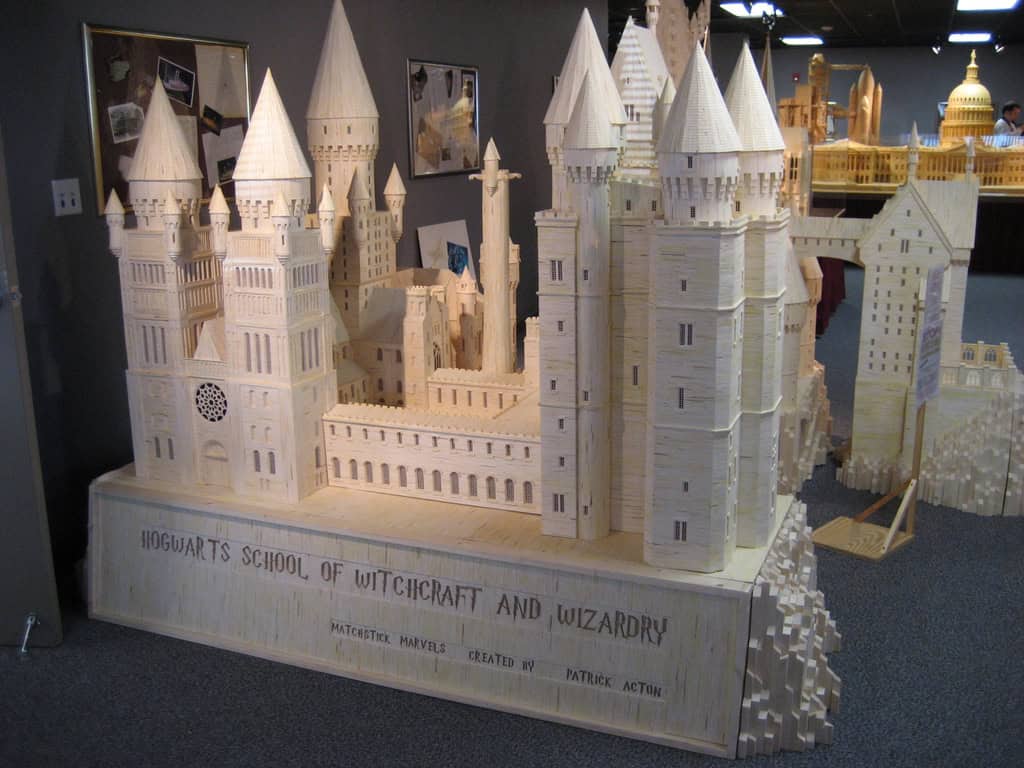
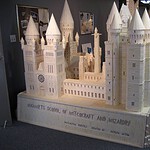
Most people use matchsticks to light a candle, start a fire, or occasionally build something that falls apart five minutes later. Artist Patrick Acton has spent decades turning them into extraordinarily detailed sculptures. His work is displayed at the Matchstick Marvels Museum in Gladbrook, Iowa, where visitors can see elaborate models of famous buildings, historic vehicles, and other recognizable structures. Some contain hundreds of thousands of individual matchsticks, carefully arranged and glued into place. If you think assembling furniture from a box is frustrating, imagine constructing a battleship one tiny wooden stick at a time. The museum's collection includes models of the United States Capitol, Notre Dame Cathedral, and other recognizable landmarks. Several of Acton's creations have also appeared at Ripley's Believe It or Not attractions. The finished models are impressive, but the patience required to make them might be even more remarkable.
National Bobblehead Hall of Fame and Museum - Wisconsin
Somebody apparently decided that collecting a few bobbleheads wasn't enough, so Milwaukee ended up with an entire museum dedicated to them. The National Bobblehead Hall of Fame and Museum features more than 11,000 bobbleheads representing athletes, celebrities, politicians, mascots, and fictional characters. The collection includes everything from classic sports giveaways to elaborate modern designs, with display cases filled with tiny faces that nod whenever somebody bumps the shelf. Opened in 2019, the museum also explores the history of bobbleheads and how they've evolved from traditional collectibles into a major part of sports and entertainment merchandising. Milwaukee sports teams are particularly well represented, although the collection extends far beyond baseball and basketball. There's also an extensive gift shop, because naturally a museum with thousands of bobbleheads would like you to take another one home.
SPAM Museum - Minnesota
SPAM has been a pantry staple, a military ration, and the subject of more jokes than most canned foods could ever hope to inspire. In Austin, Minnesota, the product even has its own museum. The SPAM Museum celebrates the history of the Hormel Foods product, which was introduced in 1937 and went on to become popular around the world. Through interactive exhibits, historical displays, and colorful presentations, visitors can learn how the canned meat became closely associated with American military history, international cuisine, and generations of enthusiastic consumers. One of the more interesting aspects is how SPAM developed devoted followings in places such as Hawaii, South Korea, and parts of the Pacific, where it became an ingredient in regional dishes. The museum offers free admission and tours led by employees known as SPAMbassadors. Yes, that's their actual title. For something that began as processed canned meat, SPAM has built a surprisingly impressive legacy.
Vent Haven Museum - Kentucky
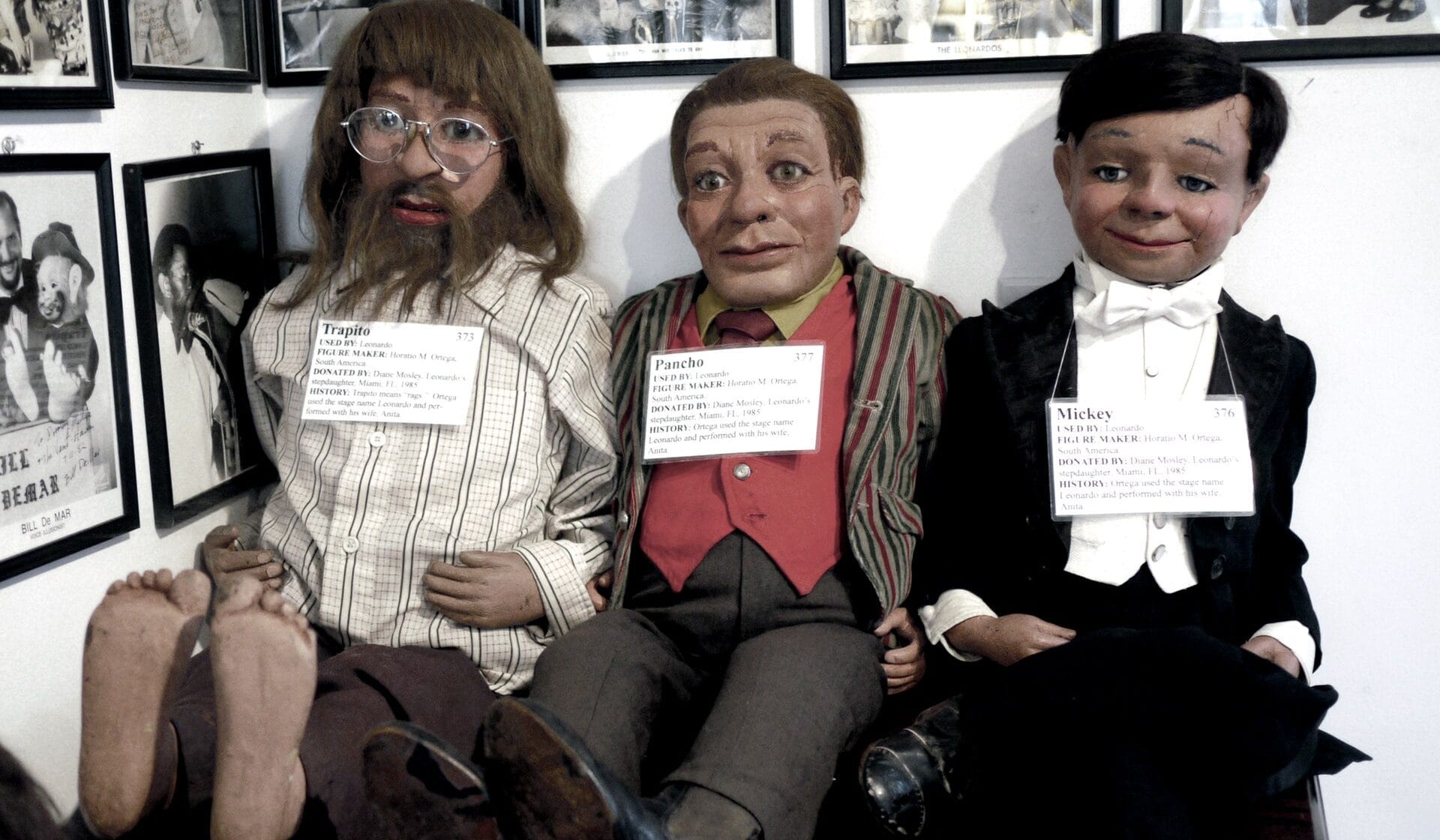
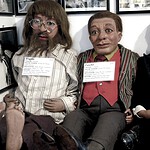
There's something a little unsettling about a room filled with old ventriloquist dummies. Now imagine an entire museum devoted to them. That's Vent Haven Museum in Fort Mitchell, Kentucky, an attraction dedicated to the history of ventriloquism and the performers who made the art form popular. The collection includes hundreds of ventriloquist figures, along with photographs, scripts, performance materials, and other memorabilia. Some of the figures are charming examples of old-fashioned entertainment. Others look like they'd be perfectly comfortable starring in a horror movie where nobody survives the second act. But there's genuine show-business history behind those wooden faces. Ventriloquism was once a major part of American vaudeville, radio, and television, with performers developing recognizable characters who became celebrities in their own right. The museum offers guided visits during its seasonal operating period, giving guests plenty of time to appreciate the collection. Just try not to think about all those little eyes following you around the room.