f11photo / iStock via Getty Images
railway fx
Thomas James Caldwell / BY-SA 2.0
dvande / Shutterstock.com
Akchamczuk / Getty Images
f11photo / iStock via Getty Images

marada / BY-ND 2.0

Jacqueline Nix / iStock Editorial via Getty Images
Marshall Astor, CC BY-SA 2.0 , via Wikimedia Commons

Drifter Ken / BY-SA 4.0
Michael Dubenetsky/Shutterstock.com
Tom Robertson/Shutterstock.com

wackybadger / BY-SA 2.0
Brunswick Records, Public domain, via Wikimedia Commons

Evening Standard / Hulton Archive via Getty Images
StockPhotosArt / Getty Images
Michael Hanson / The Image Bank via Getty Images

Luca Santilli / Shutterstock
pabradyphoto / iStock via Getty Images
Loco Steve / BY 2.0
Wikimedia













20 Fascinating Facts That Make Iowa Unlike Anywhere Else
Iowa's reputation as corn country is well earned. The state produced a record 2.77 billion bushels of corn in 2025, and agriculture still shapes a huge part of its identity. But corn barely scratches the surface of what makes Iowa interesting. The state also has the nation's largest hog inventory, one of America's most famous state fairs, an island city, a surprisingly important place in swimming history, and enough wonderfully odd roadside attractions to keep a road trip interesting.
Some of Iowa's best stories are hiding in plain sight. A future Starfleet captain has an official hometown here. One of America's best-known apple varieties began with a stubborn seedling in an Iowa orchard. There is a giant wooden nickel with a political backstory, a street famous for its switchbacks, and a religious shrine built from an astonishing collection of stone and minerals. Here are 20 facts that show there is a lot more to the Hawkeye State than endless rows of corn.
1. It’s the Hawkeye State
Iowa has been known as the Hawkeye State for generations, although the exact origin of the nickname is not completely settled. Iowa's Legislative Services Agency notes several explanations. One connects the name to Black Hawk, the Sauk leader who fought against U.S. forces during the Black Hawk War. Another credits Burlington lawyer and newspaper publisher David Rorer with promoting "Hawkeye," possibly borrowing the name from the character Hawkeye in James Fenimore Cooper's The Last of the Mohicans. What is clear is that the nickname was in use long before Marvel gave the word a bow and arrow.
2. The State Bird Is the Eastern Goldfinch
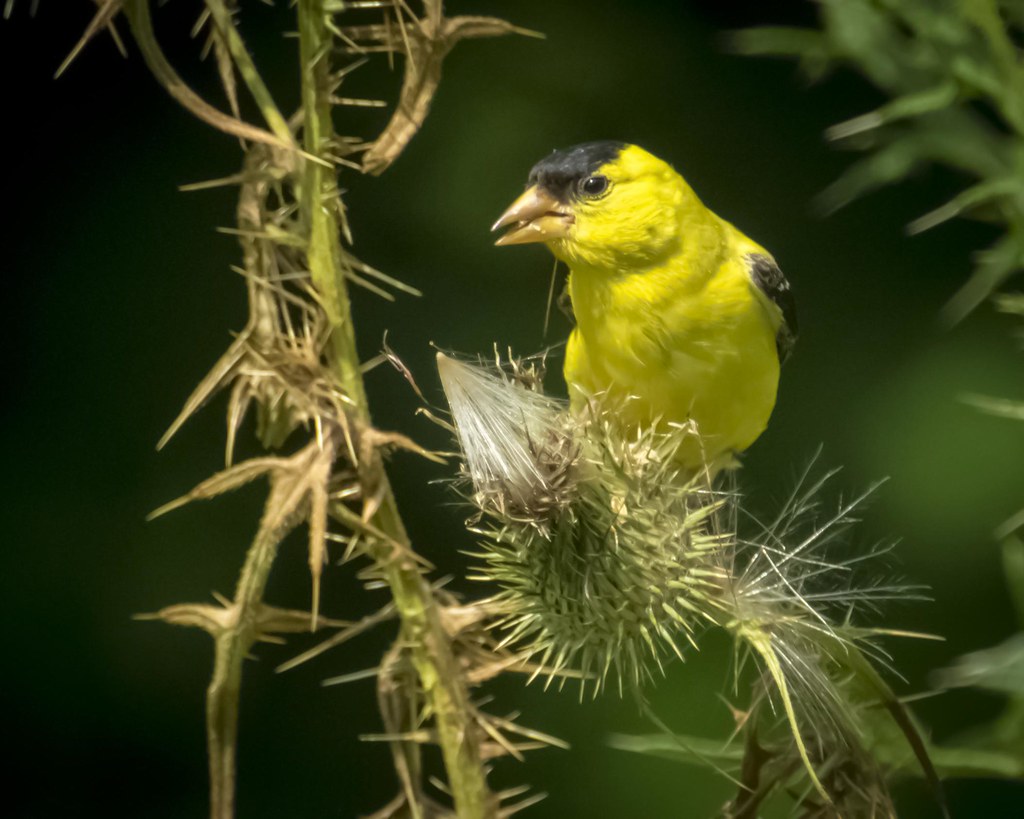
Iowa officially adopted the eastern goldfinch as its state bird in 1933. It is also commonly called the American goldfinch or wild canary. Adult males are especially easy to recognize during breeding season, when their plumage turns bright yellow with a black cap and black-and-white wings. Females and winter males are much more subdued, with olive, yellow, and brown coloring. The Iowa Legislature says the bird was selected in part because it is common across the state and can remain in Iowa through the winter.
3. There Is an Island City
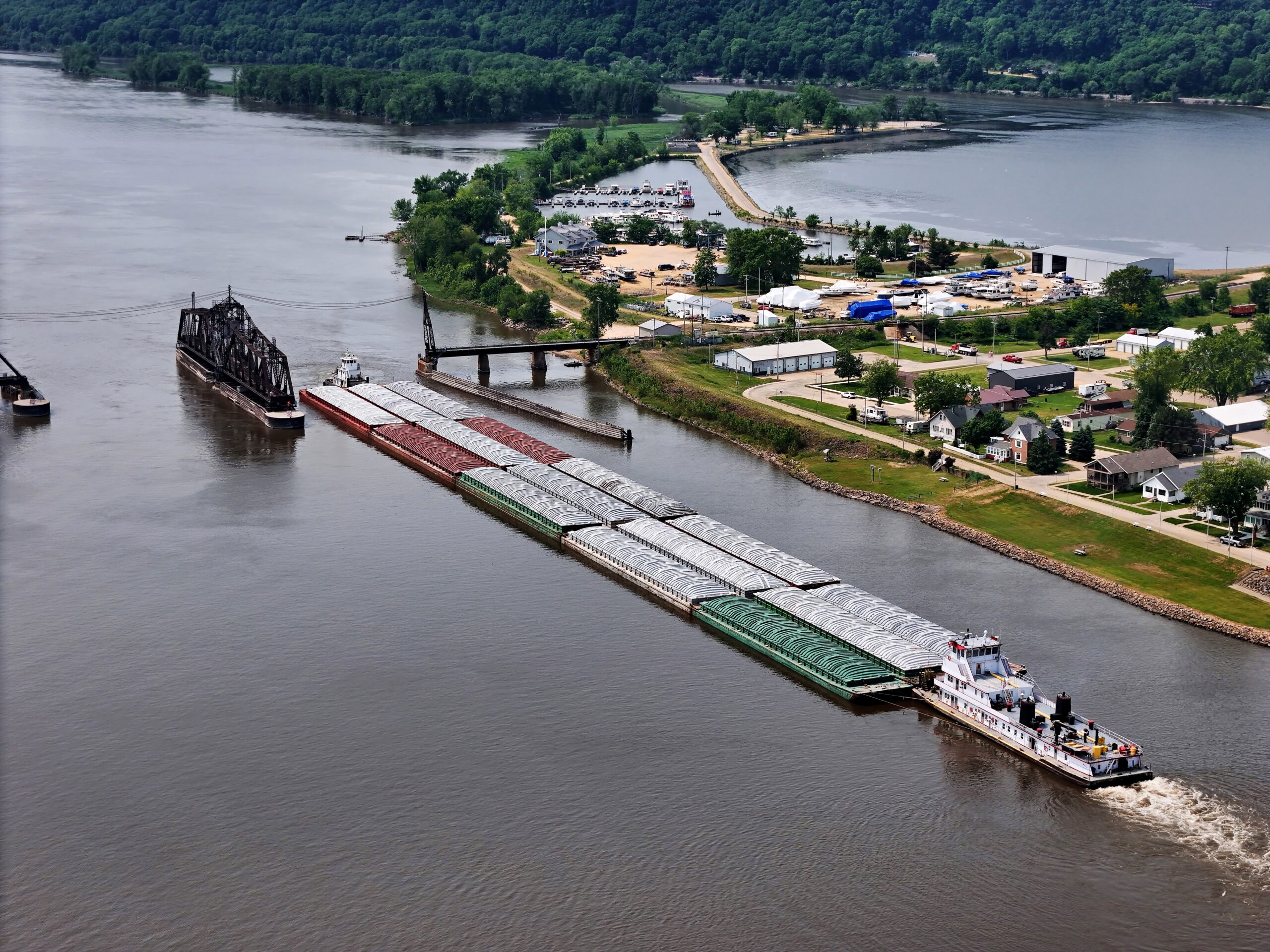
Landlocked Iowa does, in fact, have an island city. Sabula sits along the Mississippi River in Jackson County and is recognized as Iowa's only city located on an island. It was not always surrounded by water. Construction of the Upper Mississippi lock-and-dam system in the 1930s flooded lowlands around the community and helped create the island that exists today. Sabula remains tiny even by small-town standards. The 2020 Census counted 506 residents, and the community has become a destination for boating, fishing, camping, and anyone who wants the novelty of taking an island getaway in Iowa.
4. Iowa Has More Pigs Than People
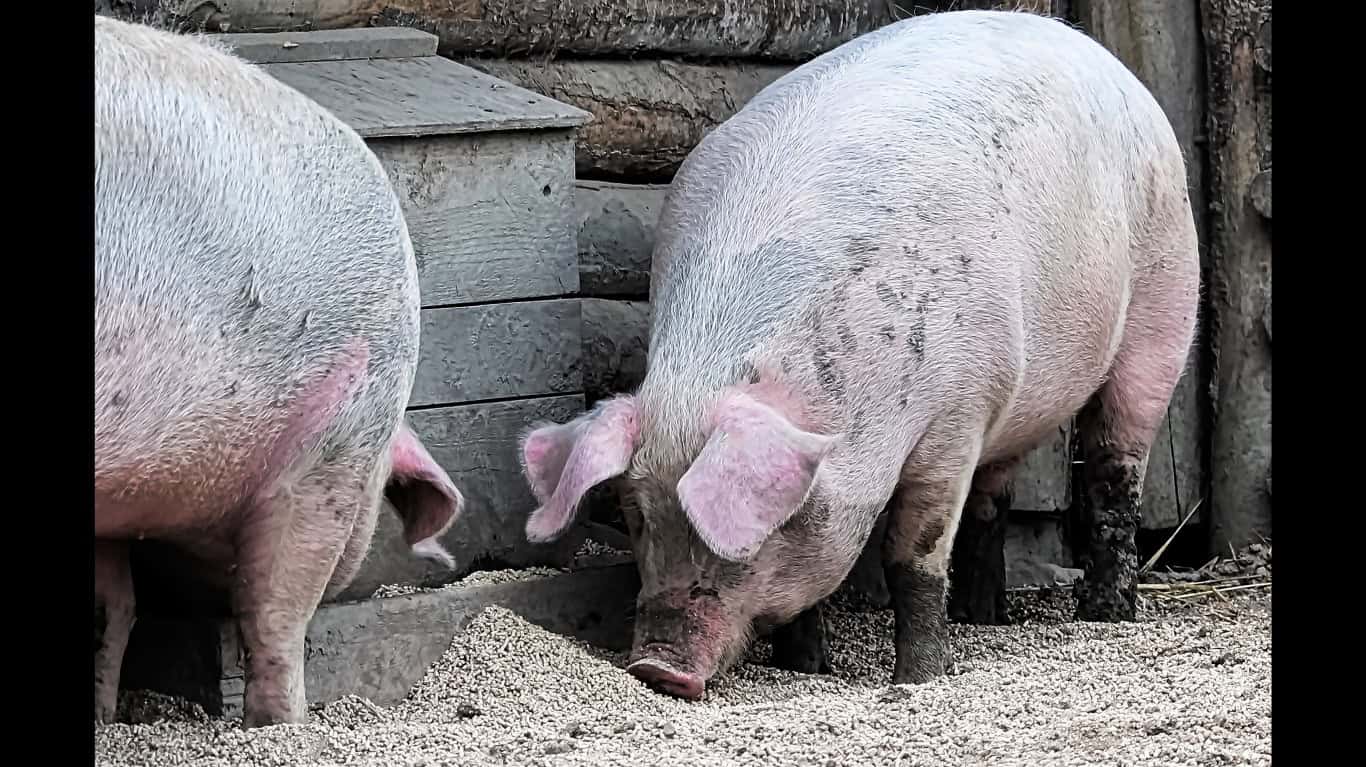
This one is not even close. The U.S. Department of Agriculture estimated that Iowa farms held 24.7 million hogs and pigs on June 1, 2026, the largest inventory of any state. For comparison, the Census Bureau estimated Iowa's human population at about 3.24 million in 2025. Minnesota ranked a distant second in the USDA's June count with 9.3 million hogs. Iowa's enormous swine industry is one reason pork production is so closely associated with the state, and it also means the four-legged population comfortably outnumbers the two-legged variety.
5. Iowa Is the Only State Name That Starts with 2 Vowels
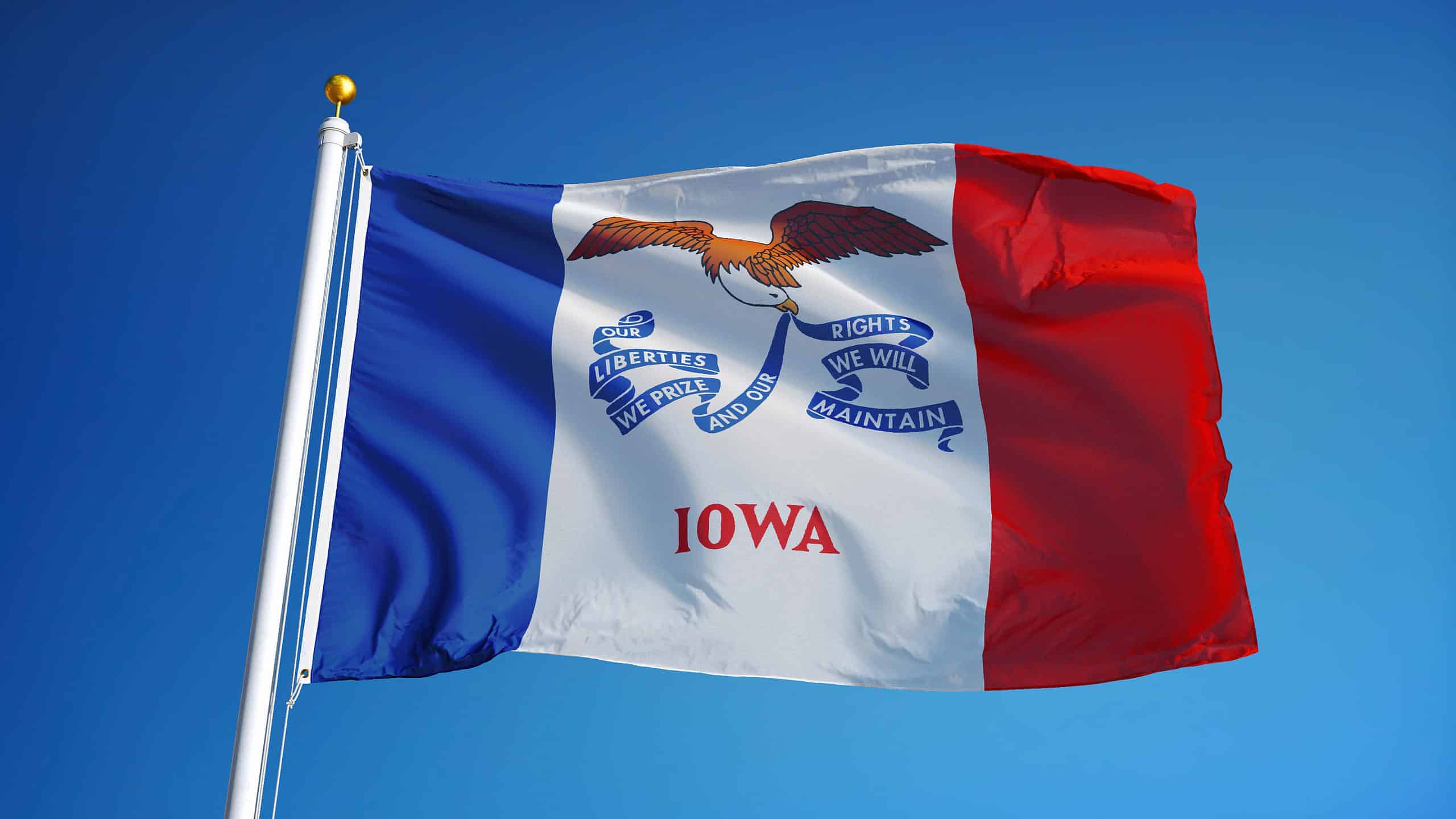
Run through all 50 state names and Iowa manages a linguistic trick that none of the others can match. It is the only one that begins with two vowels: I followed immediately by O. Ohio starts with a vowel but follows it with H, while Utah begins with U and then T. It is a tiny distinction, admittedly, and probably not something anyone in Iowa is putting on a license plate anytime soon. Still, among a country full of state-name trivia, Iowa gets this particular oddity entirely to itself.
6. It’s Home to One of the Biggest State Fairs
The Iowa State Fair has been around since 1854, when the first fair was held in Fairfield. It has since become Iowa's largest annual event, and the 2026 edition set a new attendance record with 1,218,834 fairgoers. Then there is the Butter Cow, because apparently regular livestock was not enough. Butter sculptures became a fair tradition in 1911, and today's life-size cow uses roughly 600 pounds of Iowa butter layered over a frame. Most of that butter is recycled for future sculptures rather than ending up on several thousand pieces of toast.
7. Iowa Was the 29th State To Join the Union
Iowa officially became the 29th state on December 28, 1846. Its path to statehood was a little messier than that clean date suggests. Congress had approved an act in 1845 providing for the admission of both Iowa and Florida, with Iowa entering as a free state and Florida as a slave state during an era when lawmakers tried to preserve the sectional balance in the Senate. Florida moved ahead that year, but Iowa voters rejected an earlier proposed constitution amid a dispute over the state's boundaries. A new constitution was approved in 1846, clearing the way for Iowa to finally join the Union.
8. It’s the (Future) Birthplace of Captain Kirk
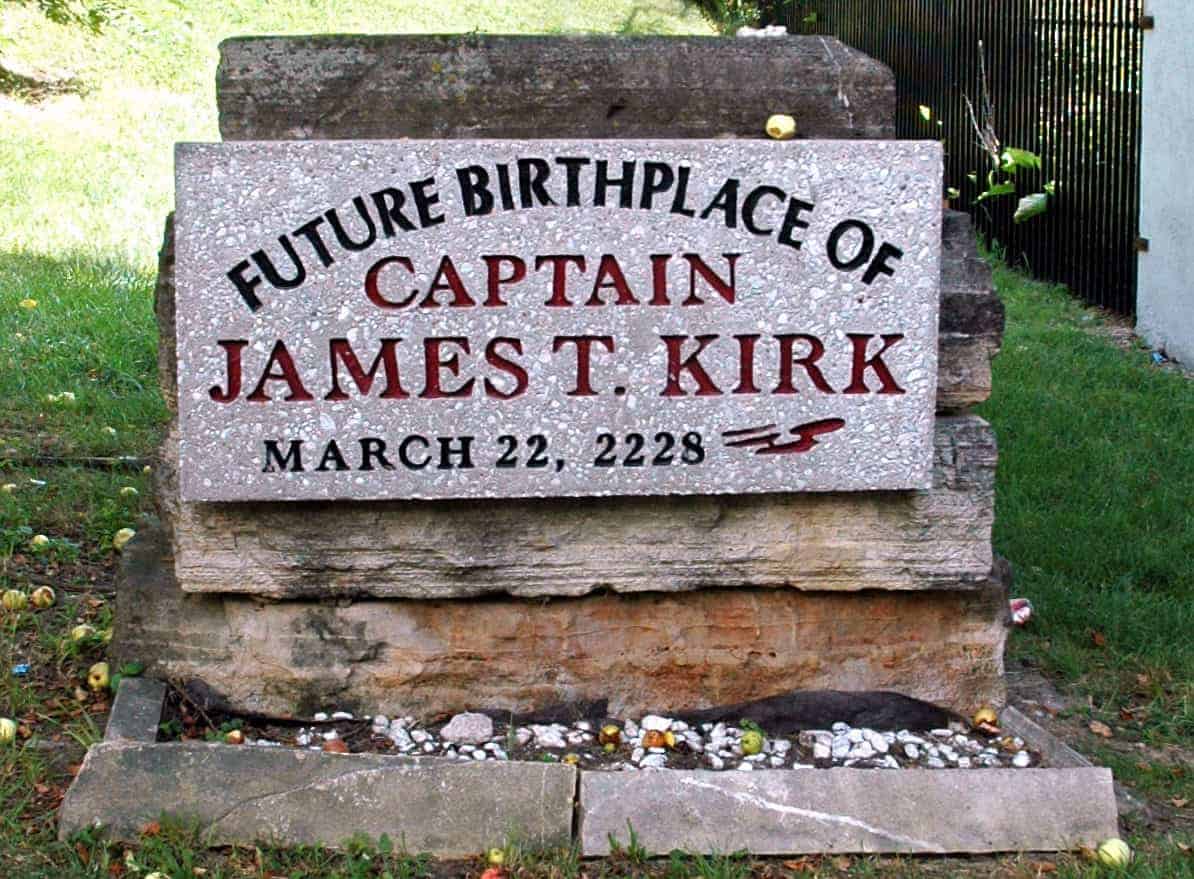
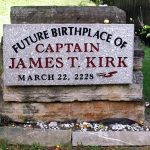
Riverside, Iowa, has managed to turn the birthplace of someone who has not technically been born yet into a local landmark. In 1985, City Council member Steve Miller proposed that Riverside declare itself the future birthplace of Star Trek hero James T. Kirk after existing Star Trek material placed Kirk's origins in Iowa without naming a hometown. The council went with it, and the idea stuck. Riverside now proudly calls itself Kirk's future birthplace and celebrates TrekFest each summer with costumes, a parade, exhibits, and enough Star Trek references to make the town's position pretty difficult to miss.
9. It’s Home to the National Hobo Convention
Britt, Iowa, has hosted the National Hobo Convention since 1900, and the tradition continues during the city's annual Hobo Days celebration. Historically, hobos were migratory workers who traveled in search of jobs, often using the railroad system to move around the country. Britt's event preserves that culture through the National Hobo Museum, a convention jungle, entertainment, crafts, a parade, and the traditional election of a Hobo King and Queen. The convention is normally held during the second weekend of August and remains one of the more unusual pieces of living Americana you will find anywhere in Iowa.
10. It’s Home to the Red Delicious
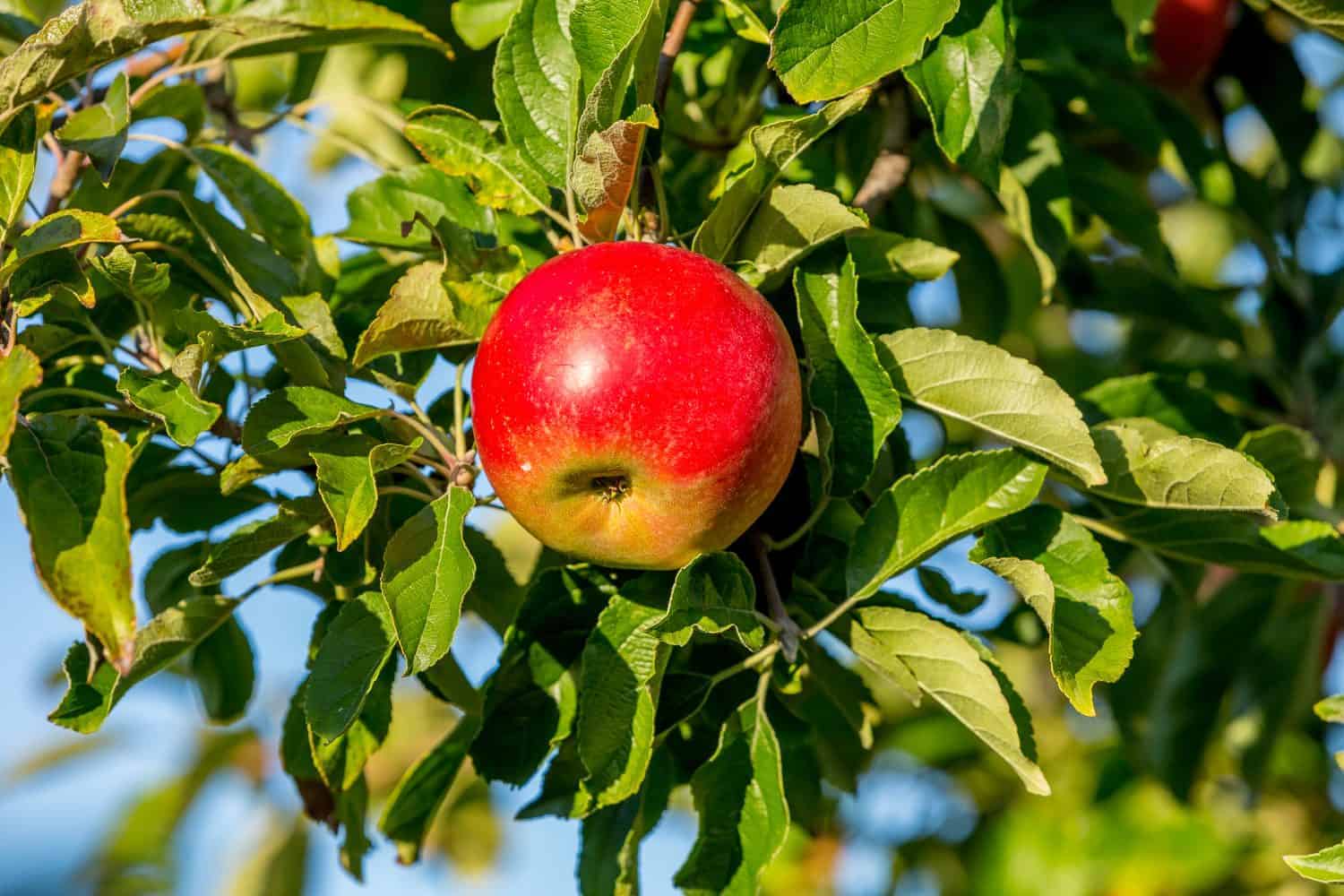
The Red Delicious apple has Iowa roots, and the story began with a seedling that refused to take a hint. Farmer Jesse Hiatt discovered the tree growing in his orchard near Peru, Iowa, and cut it down before it sprouted again. He eventually let the tree grow and named its fruit the Hawkeye apple. Nursery owner Clarence Stark later encountered Hiatt's apple during a competition and acquired the rights to propagate it. The variety became known as Delicious and eventually Red Delicious, growing into one of the most recognizable apples sold in American grocery stores.
11. A Shrine in Iowa Is Sometimes Called the 8th Wonder of the World
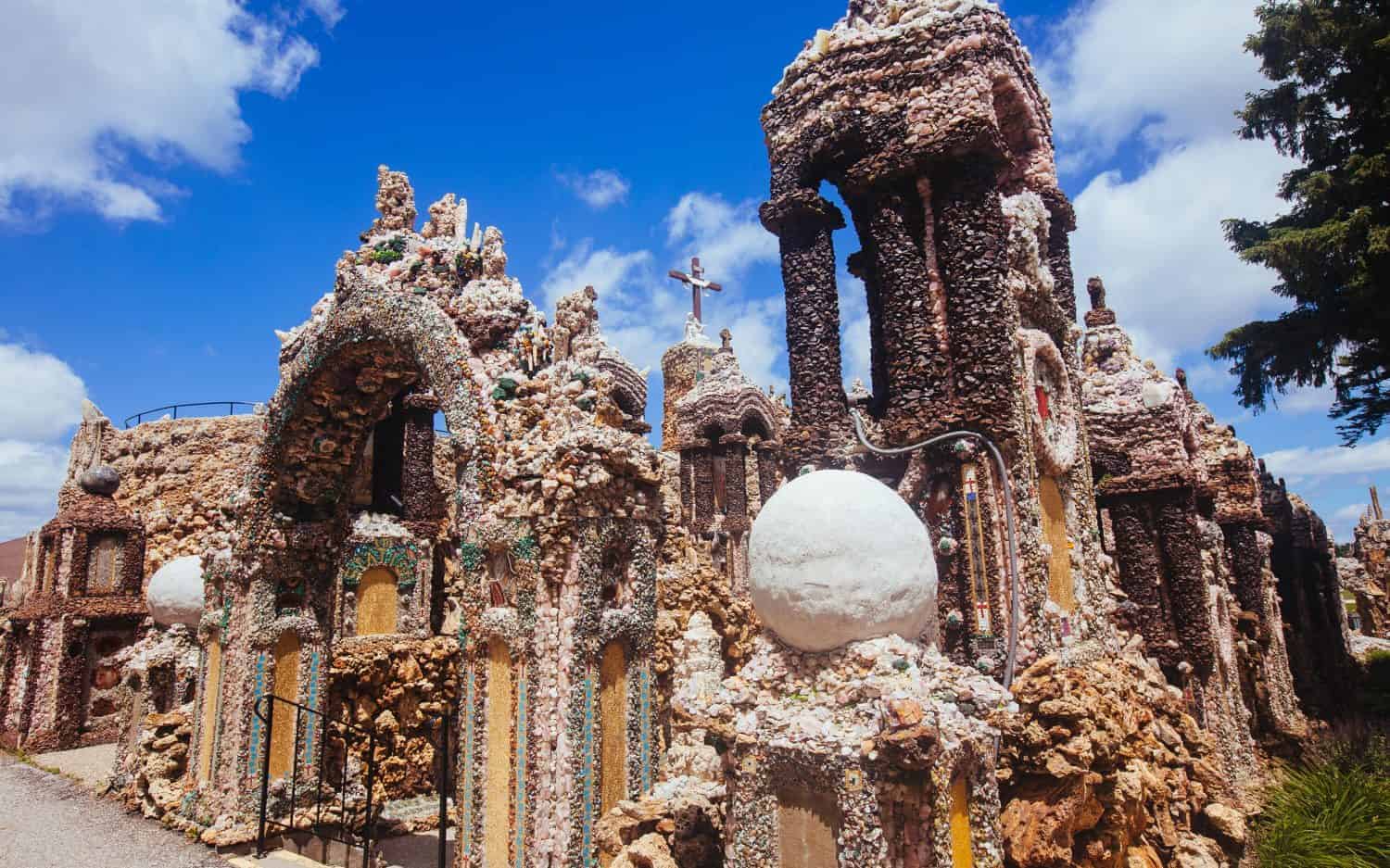
The Shrine of the Grotto of the Redemption in West Bend is regularly promoted as one of Iowa's most unusual landmarks, and the shrine itself notes that it is sometimes called the "Eighth Wonder of the World." More concretely, it describes itself as the world's largest man-made grotto. The sprawling religious site is composed of nine connected grottos depicting scenes from the life of Jesus and incorporates an enormous collection of minerals, precious and semiprecious stones, fossils, shells, and other geological material. Construction began under Father Paul Dobberstein in 1912 and continued for decades.
12. The State Flower Is the Prairie Rose
Iowa officially designated the wild rose as its state flower in 1897. The legislature did not select a single species, although the wild prairie rose is commonly associated with the designation. The choice has an interesting connection to another Iowa symbol: the flower appeared on a silver service presented by the state for use aboard the battleship USS Iowa. Wild roses grow naturally across the state and typically produce pink blossoms surrounding prominent yellow stamens. It is considerably less famous than the corn, but officially speaking, the rose gets the floral honors.
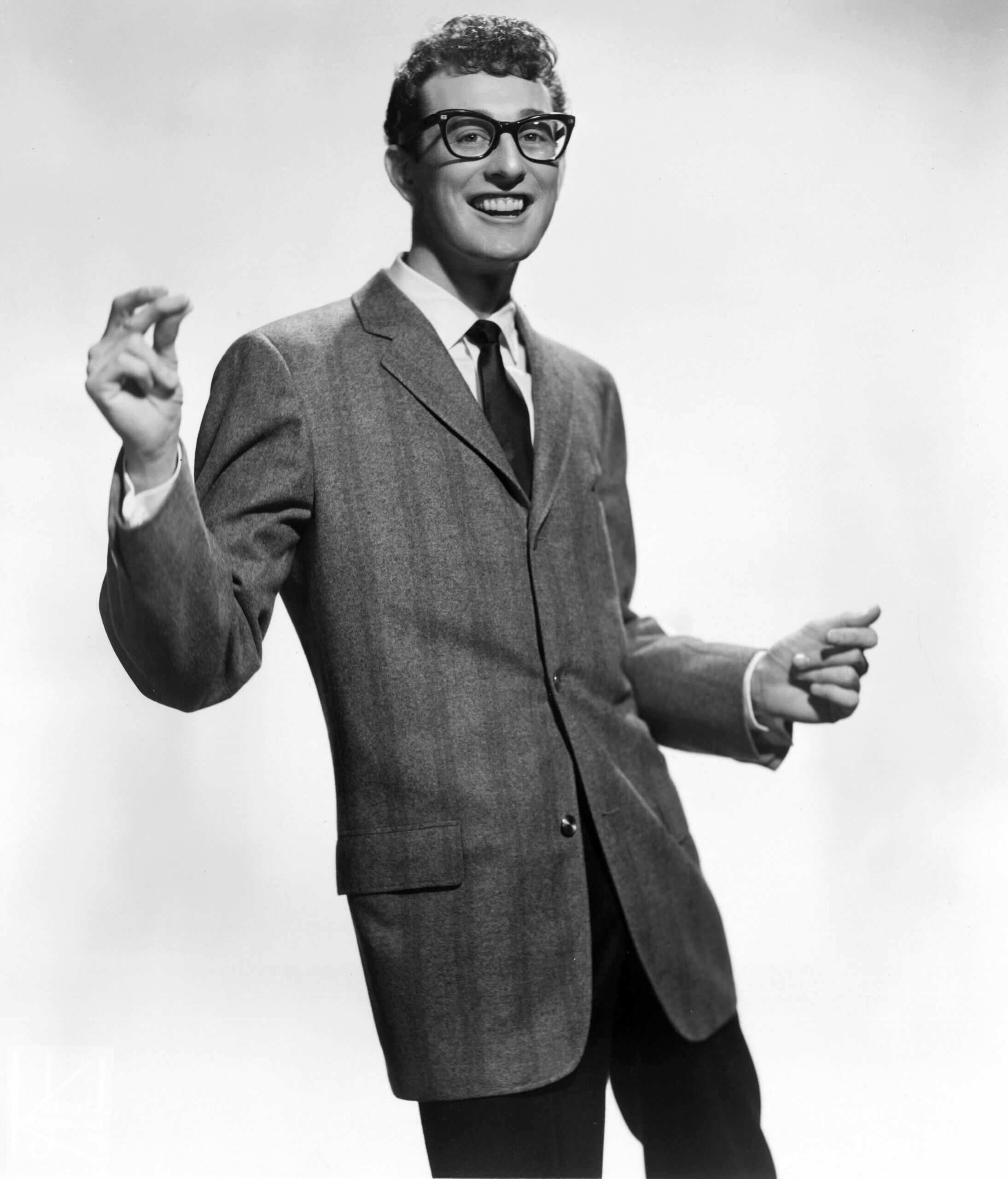
13. Buddy Holly’s Plane Crashed in Iowa
One of the darkest moments in rock-and-roll history happened near Clear Lake, Iowa, on February 3, 1959. Buddy Holly, Ritchie Valens, and J.P. "The Big Bopper" Richardson had performed at the Surf Ballroom the previous night before boarding a small plane at Mason City Municipal Airport. The aircraft crashed shortly after takeoff, killing all three musicians and pilot Roger Peterson. The National Transportation Safety Board notes that the original investigation attributed the accident to the pilot's decision to fly into instrument conditions without being qualified to do so. Memorials now mark the crash site north of Clear Lake.
14. It’s the Home of John Wayne
Long before he became one of Hollywood's most recognizable Western stars, John Wayne was Marion Robert Morrison, a boy born in Winterset, Iowa, on May 26, 1907. His original four-room family home has been restored to resemble the way it looked around the time of his birth. Next door, the John Wayne Birthplace & Museum houses movie costumes, scripts, posters, correspondence, artwork, and other pieces from his career. Winterset has leaned into the connection, and the birthplace has become one of the Madison County town's best-known attractions.
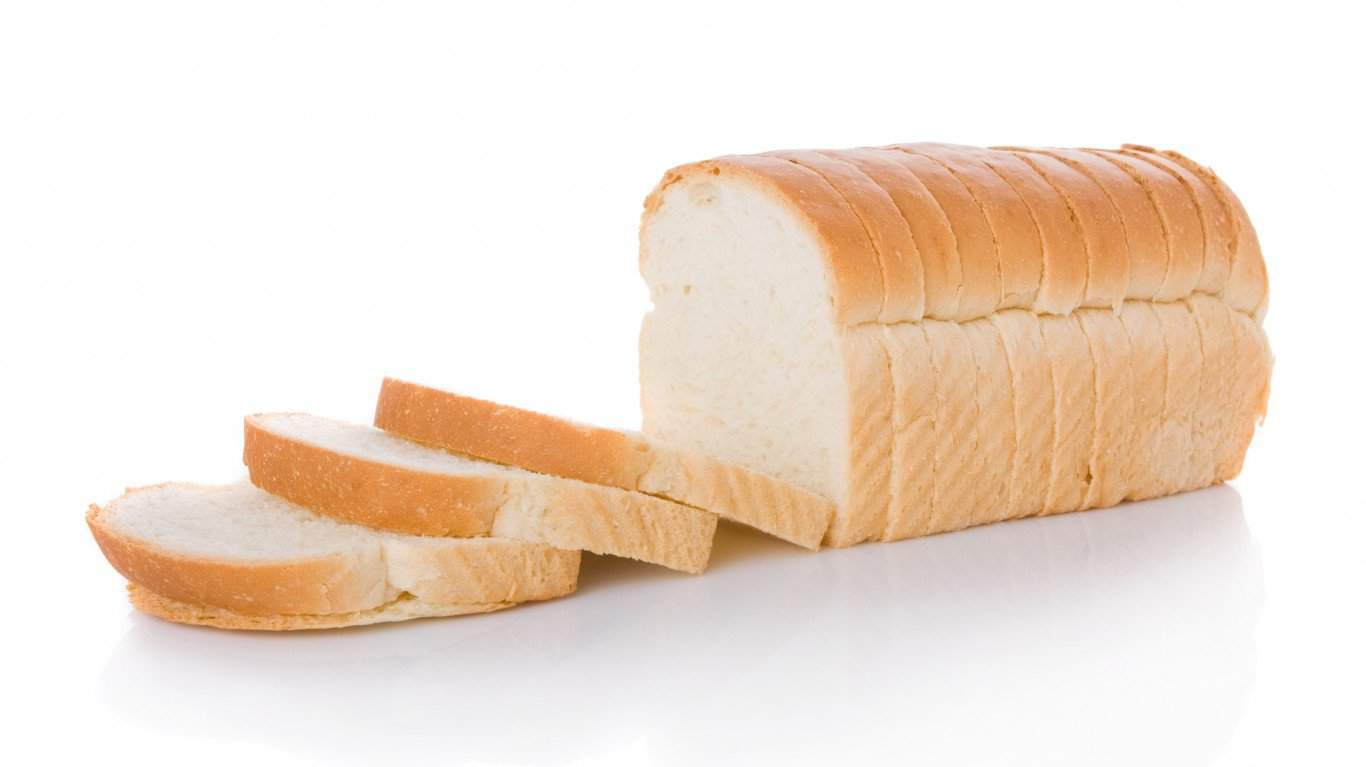
15. The Bread-Slicing Machine Has Iowa Roots
The first commercially successful automatic bread slicer has a strong Iowa connection, although the first commercially machine-sliced loaves were actually sold in Missouri. Inventor Otto Frederick Rohwedder was born in Des Moines and grew up in Davenport. He began working on a bread-slicing machine in the 1910s, only to lose an early prototype and his blueprints in a 1917 factory fire. Rohwedder rebuilt the idea, and in 1928 his machine went into service at the Chillicothe Baking Company in Chillicothe, Missouri. Another of his early machines was later used at Korn's Bakery back in Davenport and is now held by the Smithsonian.
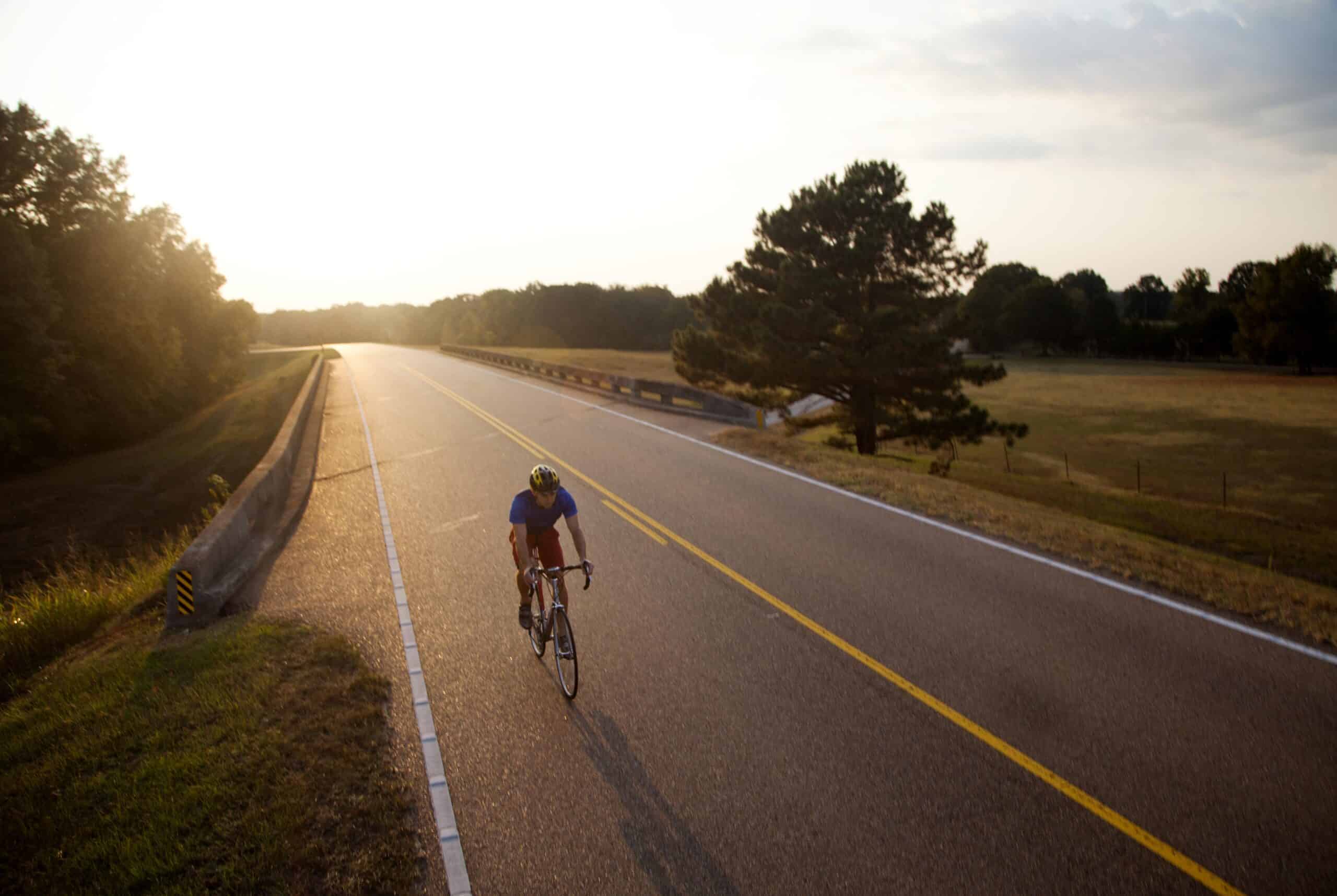
16. It’s Home to the World’s Longest Recreational Bicycle Event
RAGBRAI, short for the Register's Annual Great Bicycle Ride Across Iowa, has been sending cyclists across the state since 1973. Organizers describe it as the world's longest, largest, and oldest recreational bicycle touring event. The route changes every year, so there is no single permanent mileage figure. The 2026 edition ran from Onawa to Dubuque and covered 391.4 miles over seven riding days, making it the shortest route in RAGBRAI history. "Shortest" is doing some work there, because riders still climbed a combined 16,027 feet along the way.
17. The Butterfly Stroke Has University of Iowa Roots
The butterfly stroke owes an important part of its development to the University of Iowa. Swimming coach David Armbruster experimented with bringing a breaststroker's arms forward above the water rather than underneath it, reducing drag. University records credit Armbruster with originating the butterfly stroke in the 1930s. Iowa swimmer Jack Sieg then helped develop the undulating dolphin-style kick that became associated with it. The arm technique and kick eventually came together as the modern butterfly, which is now one of the four competitive swimming strokes.
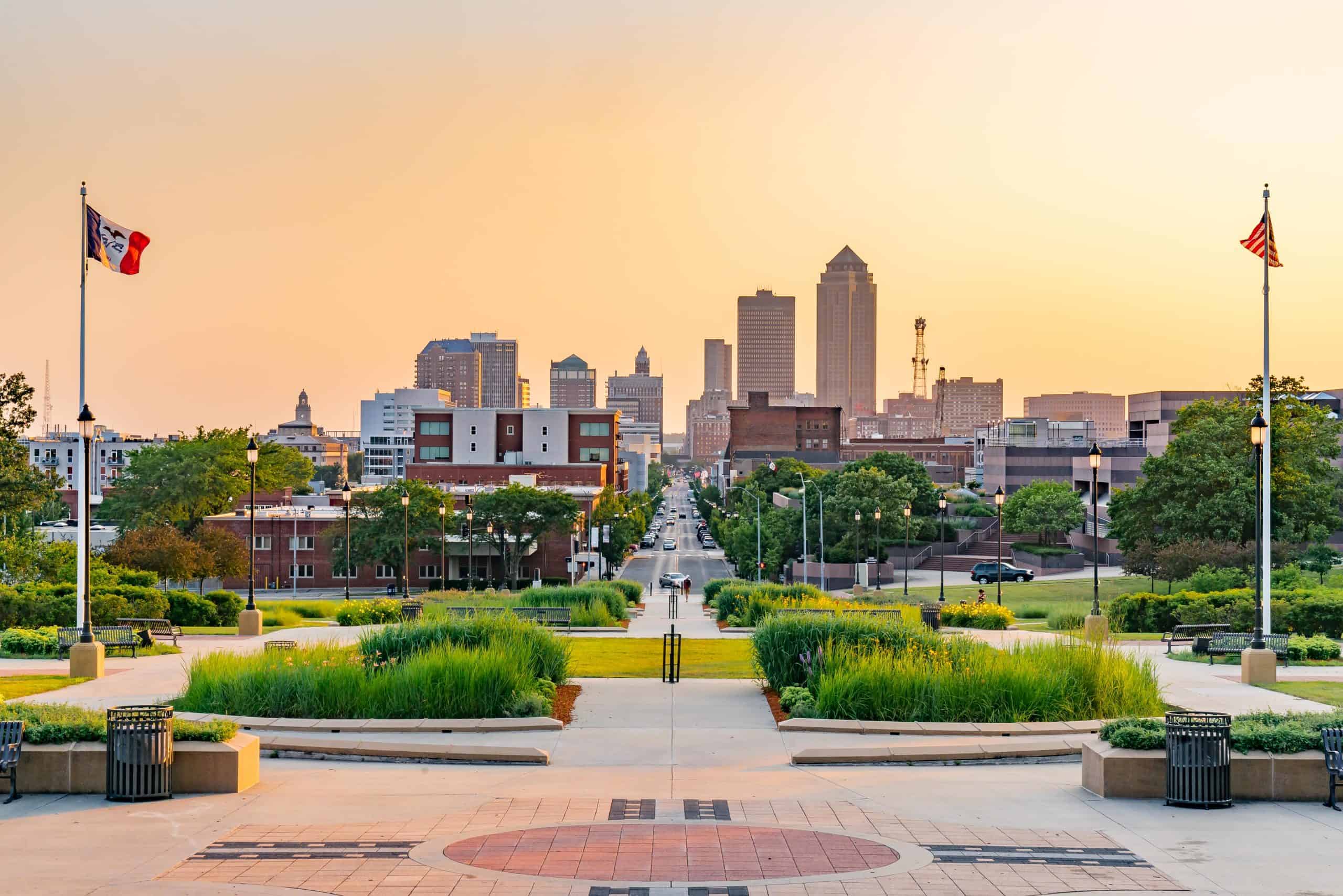
18. Iowa Has About 3.24 Million Residents
Iowa remains relatively small by population even though it ranks 26th among the states in land area. The U.S. Census Bureau estimated 3,238,387 people lived in Iowa as of July 1, 2025. For a strange bit of perspective, Los Angeles alone was estimated at 3,869,089 residents that same year. So yes, the entire population of Iowa could theoretically fit inside the population count of one very large California city, although traffic around Los Angeles is already doing just fine without another 3.2 million people showing up.
19. Snake Alley Was Once Dubbed the Crookedest Street in the World
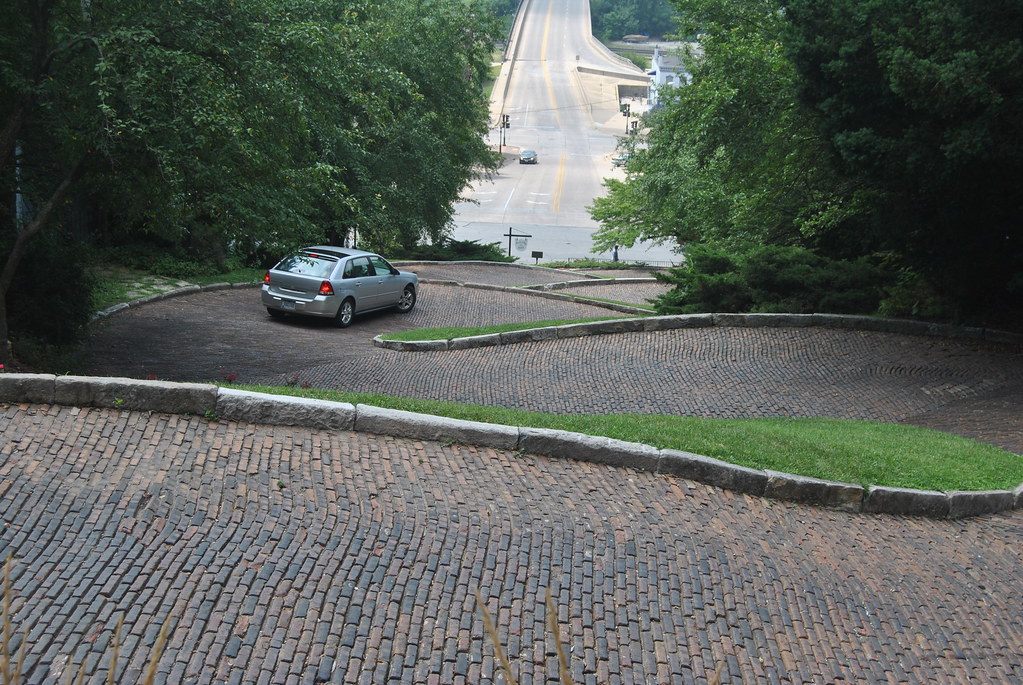
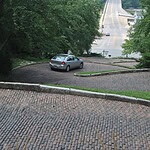
Snake Alley in Burlington packs seven tight curves into just 275 feet while climbing nearly 60 feet, so the name is pretty well earned. The brick street was once billed by Ripley's Believe It or Not! as the "Crookedest Street in the World," although Burlington's own historical material notes that San Francisco's Lombard Street eventually overtook that particular claim. Snake Alley has not exactly faded into obscurity. It remains one of Burlington's signature landmarks and hosts the annual Snake Alley Criterium, an uphill bicycle race held over Memorial Day weekend. That is one way to discover exactly how steep 21 percent feels.
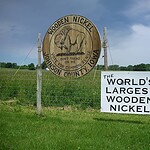
20. The World’s Largest Wooden Nickel Is in Iowa
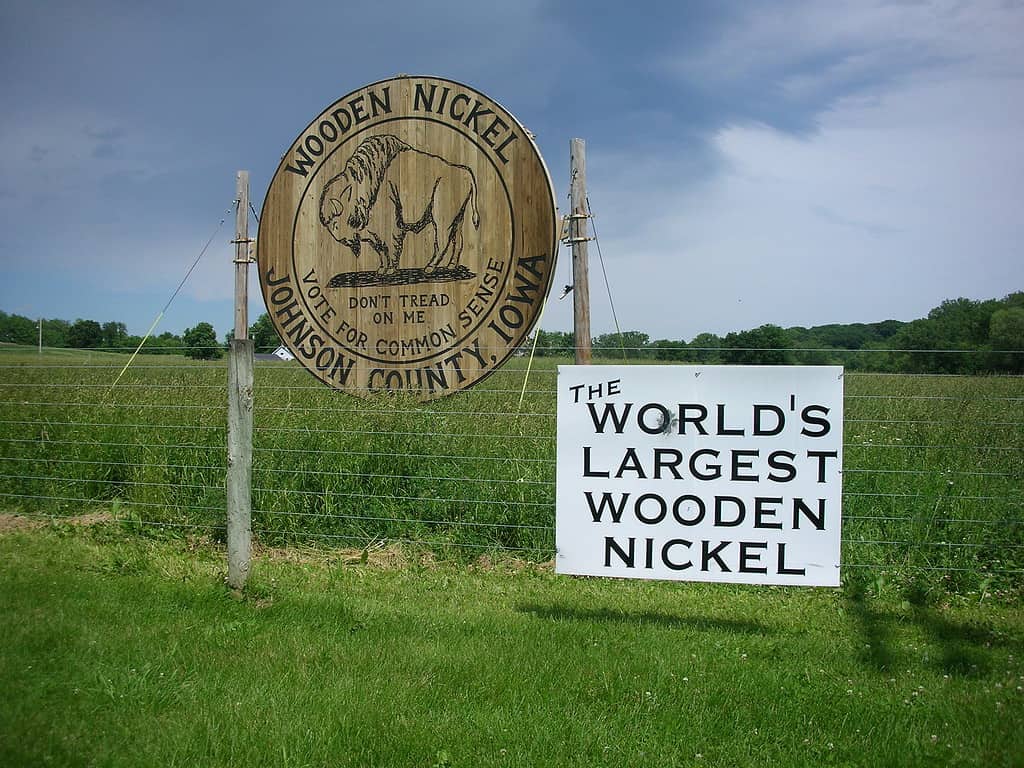
Iowa City has a roadside attraction that started as something considerably more serious than an attempt to create a giant coin. Resident Jim Glasgow built the World's Largest Wooden Nickel in 2006 as part of a local protest over a Johnson County road project. Iowa PBS reports that the approximately 16-foot-wide sculpture was tied to opposition to plans to pave Newport Road, which residents feared would damage the area's natural character. The county ultimately abandoned the project, while Glasgow's oversized nickel remained standing. Two decades later, the protest piece has become an Iowa roadside attraction in its own right.