TFC Stadiums
TkKurikawa/ via Getty Images
Crassic, CC BY-SA 3.0, via Wikimedia Commons
Brint03 / CC BY-SA 3.0
Neomrbungle, CC BY-SA 4.0, via Wikimedia Commons
Daniel Foster / CC BY-SA 2.0
Stuart Seeger / CC BY 2.0
Lectrician2 / CC BY-SA 4.0
reivax / CC BY-SA 2.0
Ken Lund / CC BY-SA 2.0
(3,656 × 2,039 pixels, file size: 1.94 MB, MIME type: image/jpeg);
10 of the World’s Largest Stadiums That Hold 100,000 Fans or More
There are big stadiums, and then there are places where 100,000 people can show up for a game and somehow still have trouble finding their car afterward. The United States has an unusual concentration of these enormous venues thanks largely to college football, while cricket gives Australia and India two of the biggest sporting arenas anywhere on Earth.
Stadium capacity is not quite as straightforward as it sounds. Renovations change the numbers, some venues count standing-room areas, and event configurations can push attendance beyond the official capacity. That makes a perfect worldwide ranking surprisingly messy. The 10 venues below all have current published capacities of at least 100,000, putting them among a very small group of stadiums capable of handling truly enormous crowds.
Some have been around for more than a century. Others were rebuilt specifically to push stadium design to a completely different scale. From the Melbourne Cricket Ground to Michigan's Big House and India's 132,000-capacity Narendra Modi Stadium, these are 10 sporting venues where even a normal-sized crowd would look strangely empty.
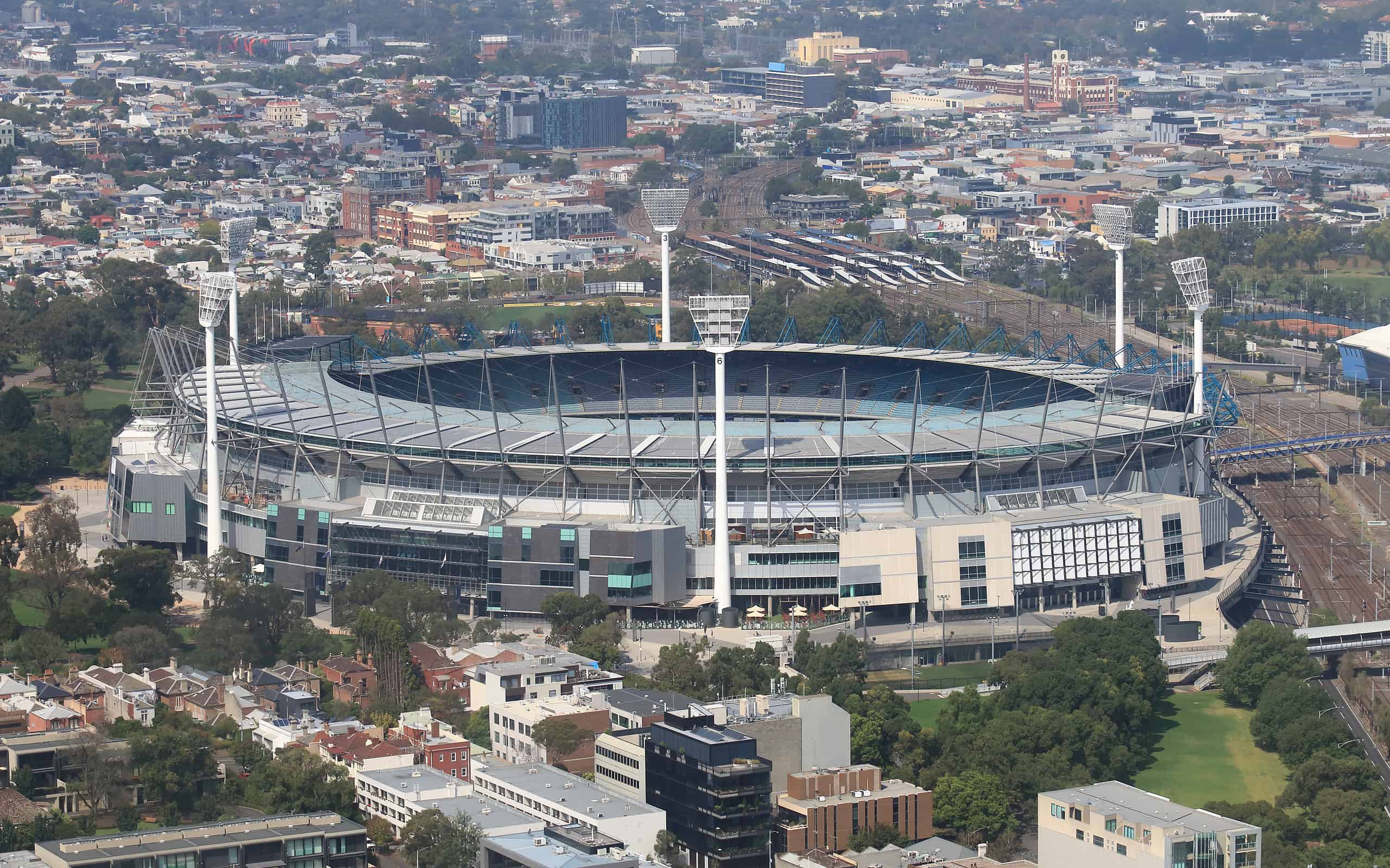
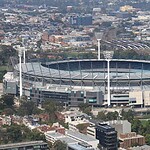
1. Melbourne Cricket Ground: 100,024 Capacity
The Melbourne Cricket Ground is Australia's largest stadium and one of the world's most famous venues for cricket and Australian rules football.
Melbourne Cricket Ground has been part of the city since 1853, which gives "The G" considerably more history than most stadiums on this list. Its current total capacity is 100,024, including about 95,000 seats and roughly 5,000 standing-room spaces. Cricket is a huge part of its identity, including Australia's annual Boxing Day Test, but the MCG is just as closely associated with Australian rules football and the AFL Grand Final. Its résumé goes far beyond either sport. The stadium served as the centerpiece of the 1956 Summer Olympics, hosted the 1992 Cricket World Cup final, and returned to international multi-sport duty as the main stadium for the 2006 Commonwealth Games.
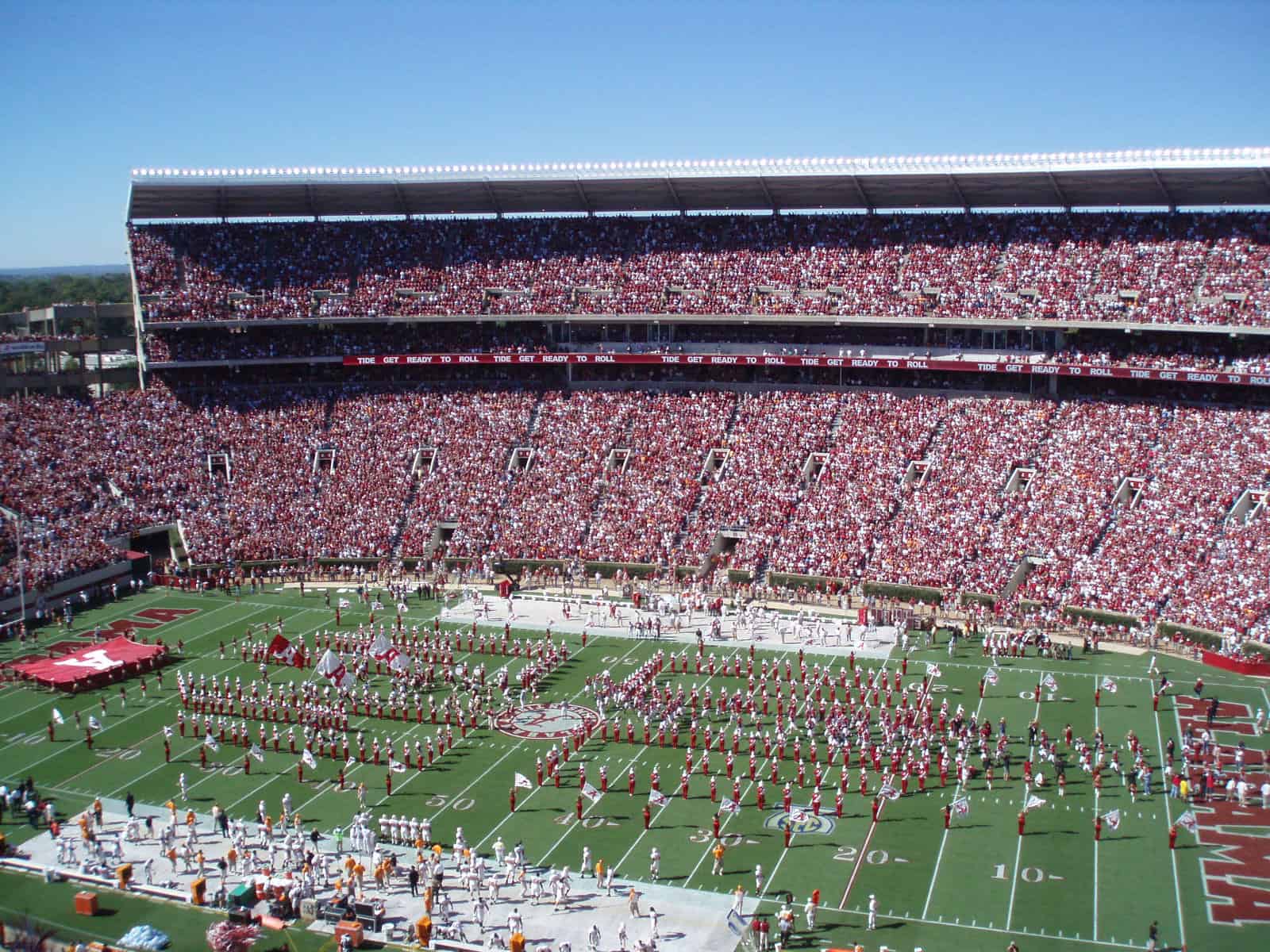
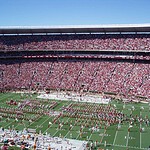
2. Bryant-Denny Stadium: 100,077 Capacity
Bryant-Denny Stadium has been home to University of Alabama football since 1929 and remains one of the largest stadiums in the country.
Alabama football played its first game at Bryant-Denny Stadium on October 5, 1929, when what was then Denny Stadium held only about 12,000 people. That would barely cover one end of the place today. Decades of expansion eventually pushed the official capacity to 100,077. The stadium took its current Bryant-Denny name in 1975 to honor legendary coach Paul "Bear" Bryant alongside former university president George Denny. In 2024, Alabama also named the playing surface Saban Field in honor of Nick Saban. The official attendance record is 101,821, a figure reached dozens of times before seating changes reduced the listed capacity from that same number to 100,077 in 2020.
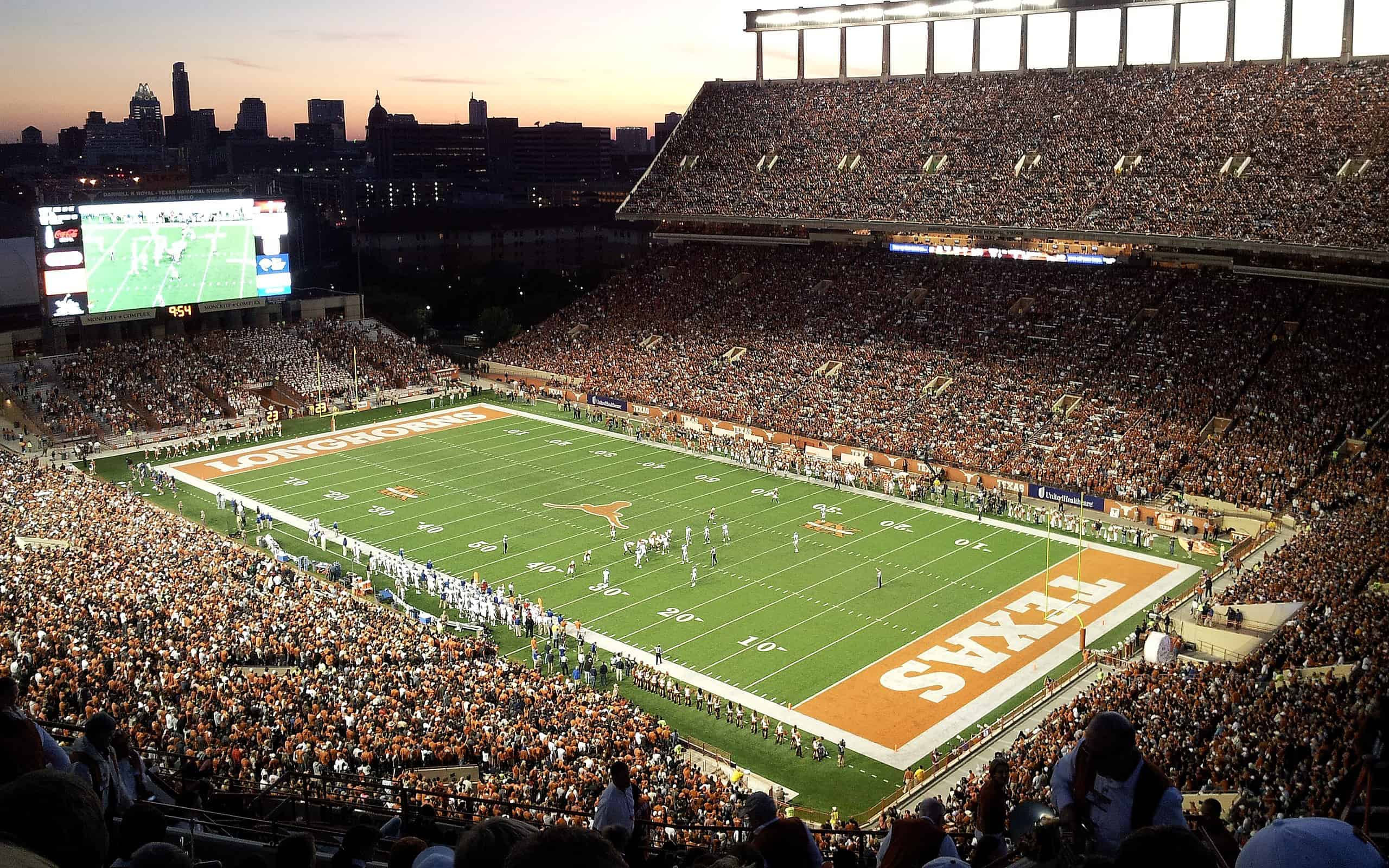
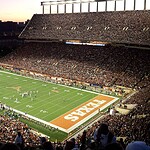
3. Darrell K Royal-Texas Memorial Stadium: 100,119 Capacity
Darrell K Royal-Texas Memorial Stadium has been home to the Texas Longhorns since 1924.
Darrell K Royal-Texas Memorial Stadium opened in 1924 with room for roughly 27,000 people. The first game came on November 8 of that year against Baylor, followed by its formal dedication on Thanksgiving Day. The original Texas Memorial Stadium honored Texans who served in World War I and was later rededicated to veterans of all wars. In 1996, the university added the name of legendary Texas coach Darrell K Royal. Expansion has been fairly relentless ever since the doors opened, and the University of Texas currently lists capacity at 100,119. Actual attendance can climb higher. A 2022 game against Alabama drew a stadium-record crowd of 105,213, squeezing thousands more people into the building than its listed capacity suggests.
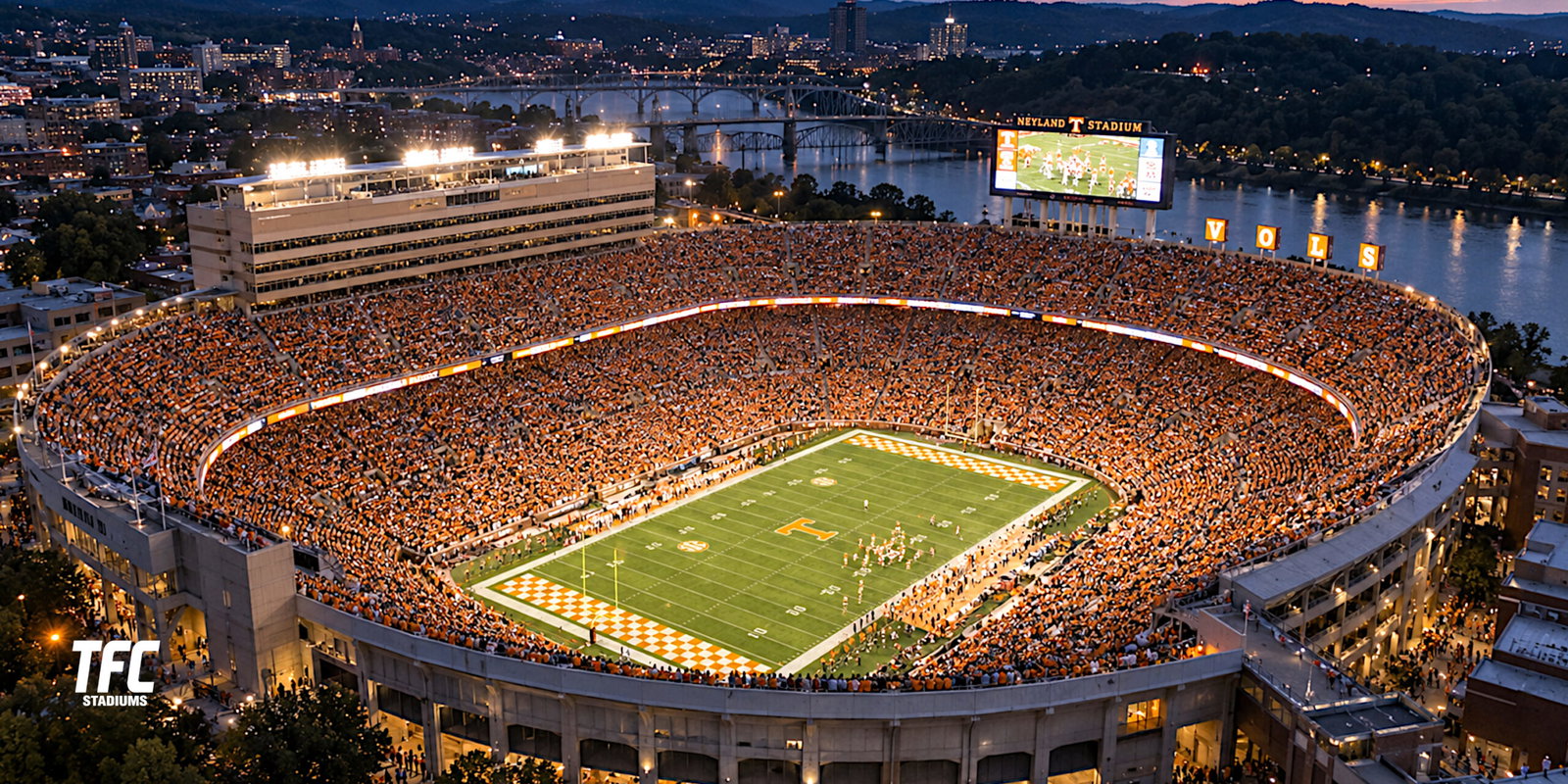
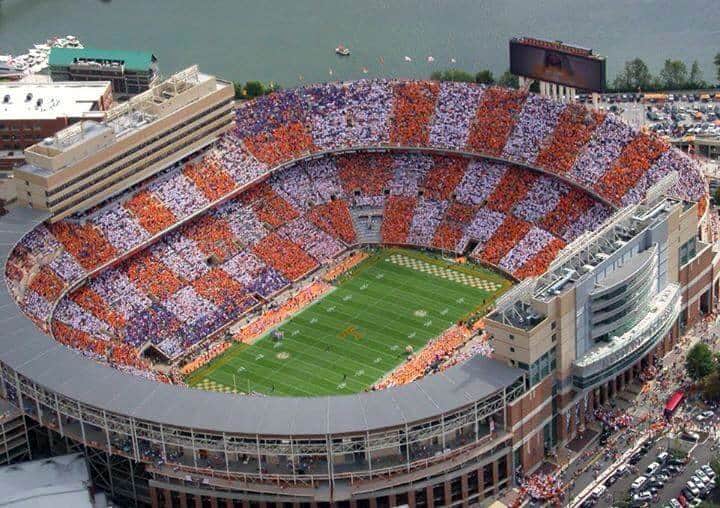
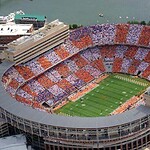
4. Neyland Stadium: 101,915 Capacity
Neyland Stadium has hosted Tennessee football since 1921 and now packs more than 100,000 people around its famous checkerboard end zones.
Tennessee's football home began much more modestly. Shields-Watkins Field opened on September 24, 1921, with only about 3,200 seats and was named for Col. W.S. Shields and his wife, Alice Watkins-Shields. The stadium later took the name of General Robert Neyland, the coach and athletic director who helped transform both Tennessee football and the facility surrounding the field. Today, Neyland Stadium holds 101,915 spectators. Tennessee's official record crowd remains 109,061 for a 2004 game against Florida. The stadium has continued to evolve, with a major modernization program adding new premium spaces, wider concourses, upgraded technology, and other improvements through the 2026 season without sacrificing the enormous bowl that makes the place instantly recognizable.
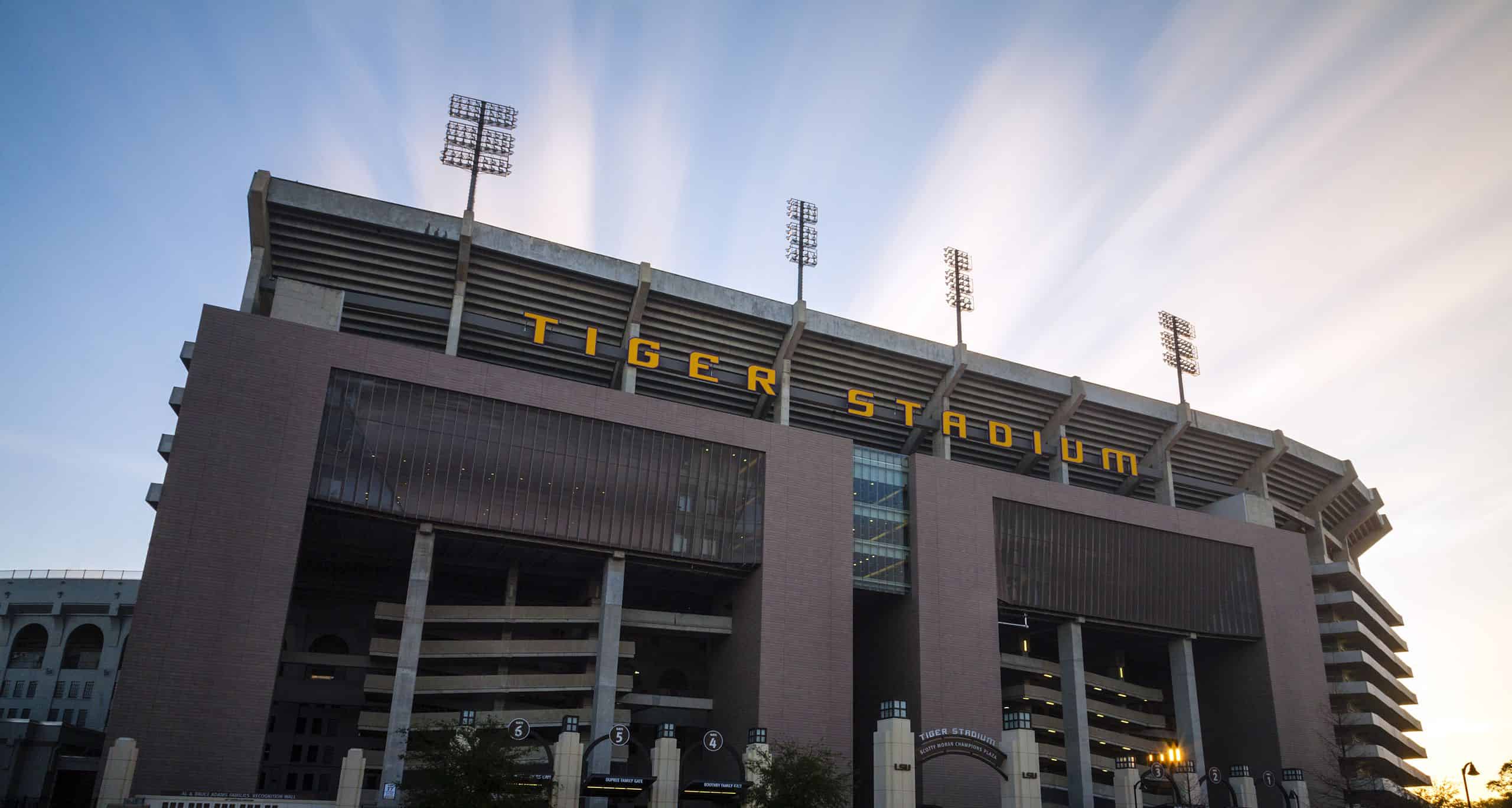
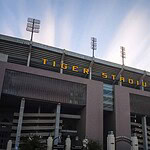
5. Tiger Stadium: 102,321 Capacity
Tiger Stadium in Baton Rouge has been LSU football's home since 1924 and now holds more than 102,000 people.
LSU played the first game at Tiger Stadium on November 27, 1924, against Tulane. The original facility held about 12,000 spectators, a number that now looks almost comically small compared with the building surrounding the field. Expansion after expansion eventually enclosed the stadium and stacked upper decks over the original structure. The biggest recent jump came in 2014, when a new south end zone addition pushed capacity to 102,321. Tiger Stadium also has a particularly long relationship with football under the lights. LSU played its first night game there in 1931, and nighttime football eventually became such a part of the stadium's identity that the place and its "Death Valley" nickname are now practically inseparable from Saturday nights in Baton Rouge.
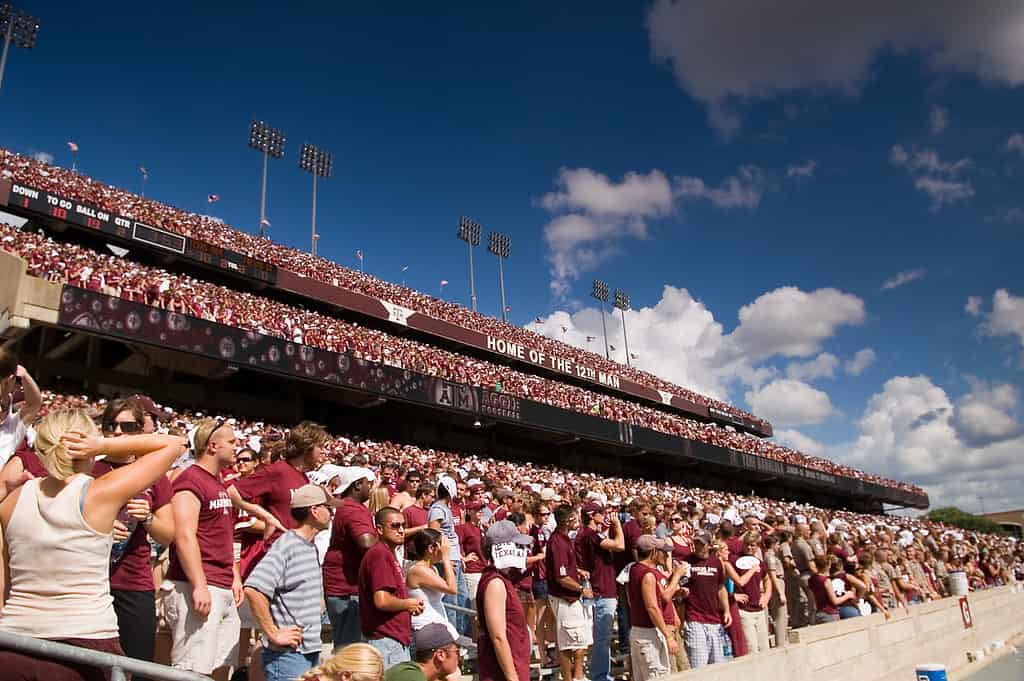
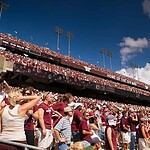
6. Kyle Field: 102,733 Capacity
Kyle Field is the enormous College Station home of the Texas A&M Aggies.
Texas A&M has played at Kyle Field since 1905, although the first setup was considerably less intimidating than today's stadium. Professor Edwin Jackson Kyle provided land for an athletic field and built basic bleachers that accommodated about 500 spectators. Permanent concrete construction began in 1927, and the stadium kept growing from there. A massive two-year redevelopment was completed for the 2015 season at a cost of about $485 million, leaving Kyle Field with its current capacity of 102,733 and making it the largest stadium in Texas by listed capacity. The attendance record is even bigger: 110,633 people packed the stadium for Texas A&M's 2014 game against Ole Miss while redevelopment work temporarily allowed for a larger crowd.
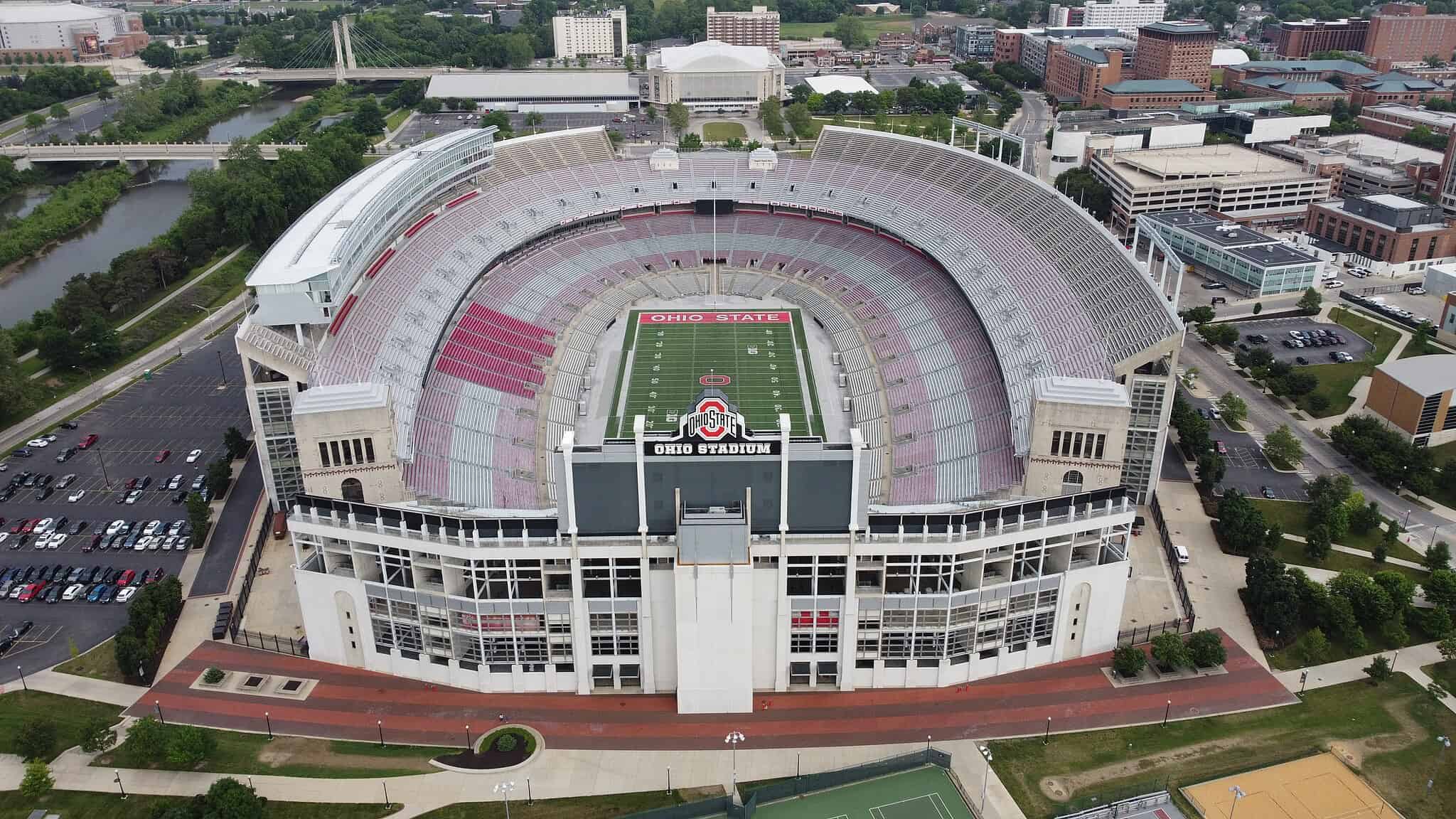
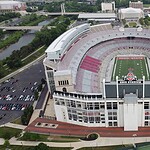
7. Ohio Stadium: 102,041 Capacity
Ohio Stadium's unmistakable horseshoe design has been part of the Ohio State campus since 1922.
Ohio Stadium opened on October 7, 1922, when Ohio State defeated Ohio Wesleyan. The original horseshoe held 66,210 spectators and cost about $1.3 million to build, which is not going to get you very far in modern stadium construction. The Buckeyes' home has since gone through major rounds of expansion and renovation while keeping the basic horseshoe that gave it "The Shoe" nickname. Ohio State currently lists capacity at 102,041. That is slightly lower than figures published in previous years as renovations and premium-seating changes have altered the count. The stadium's attendance record is 110,045, set when Michigan visited in November 2016, proving once again that an official capacity number can become surprisingly flexible when the right opponent comes to town.
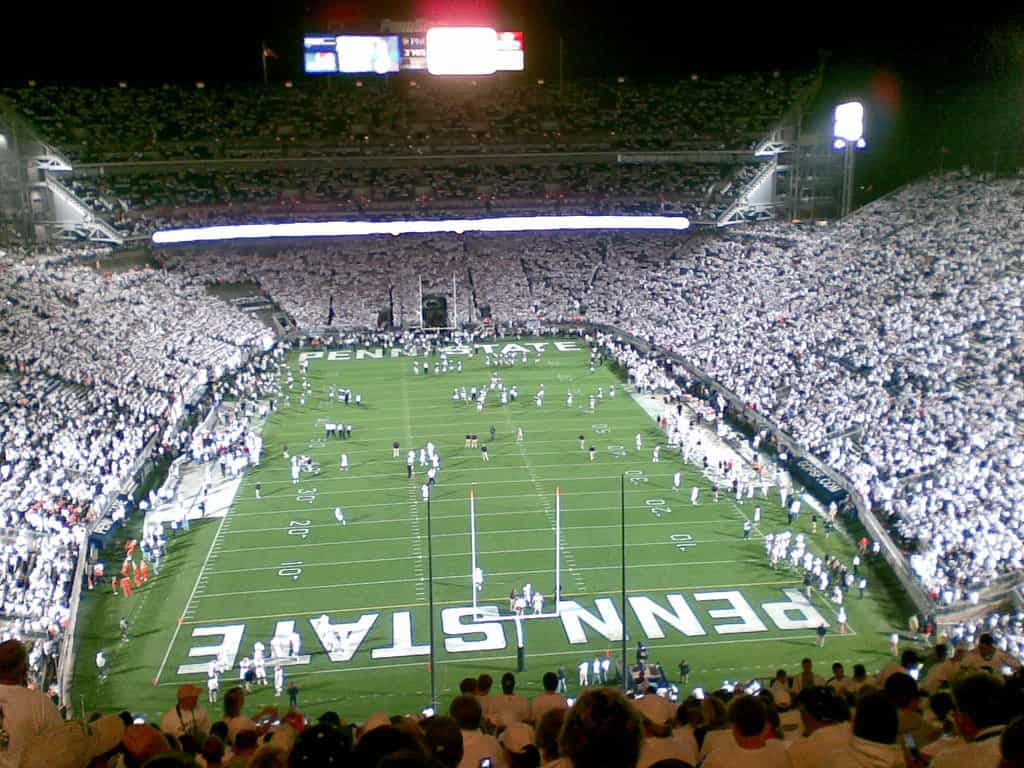
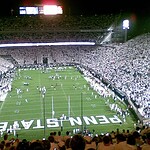
8. Beaver Stadium: 106,572 Capacity
Beaver Stadium can hold more than 106,000 Penn State fans and becomes especially recognizable during the school's full-stadium White Out games.
Penn State has played at Beaver Stadium since 1960, but the building has changed so dramatically that early photographs barely resemble the structure standing in University Park today. The most significant modern expansion came before the 2001 season, when more than 12,000 seats were added and official capacity reached 106,572. Penn State continues to list that figure while the stadium undergoes another major renovation project. Crowds regularly blow past the official number. The attendance record was set on September 29, 2018, when 110,889 people watched Penn State face Ohio State. Beaver Stadium is especially associated with Penn State's White Out games, when almost the entire bowl trades its usual blue for white and more than 100,000 people manage to coordinate an outfit.
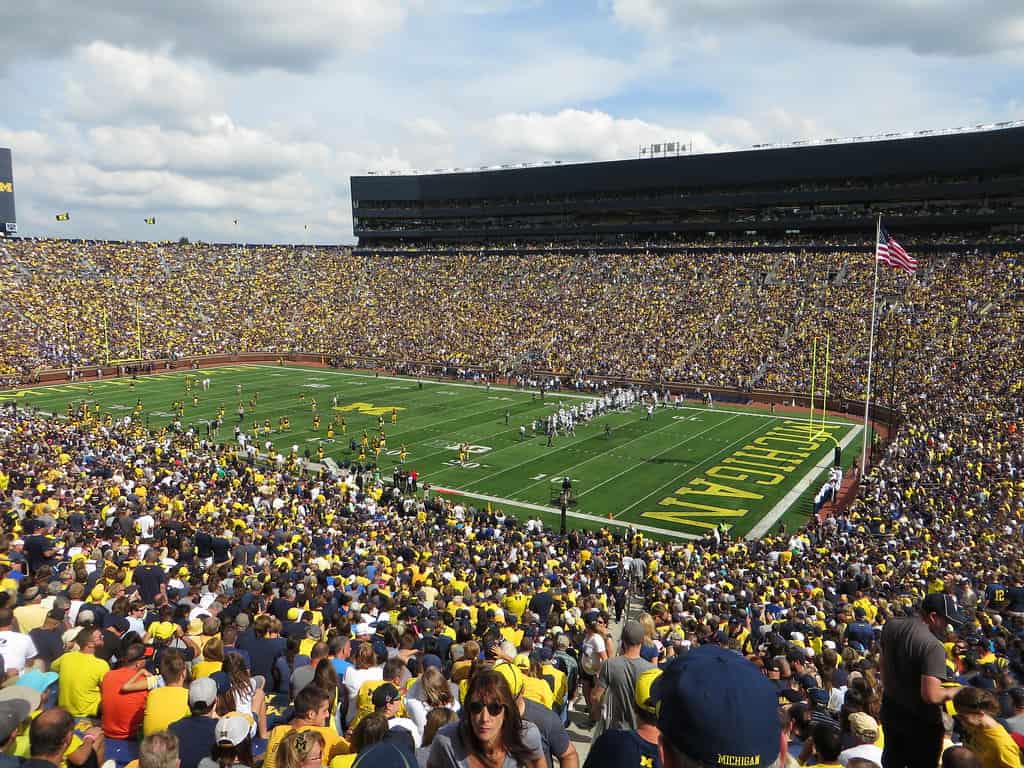
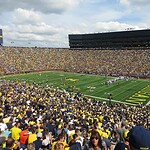
9. Michigan Stadium: 107,601 Capacity
Michigan Stadium, better known as the Big House, is the largest stadium in the United States by official capacity.
Michigan Stadium opened in 1927 with room for 72,000 people. Apparently that was not enough. The University of Michigan has altered the capacity repeatedly over the past century, and the Big House now officially holds 107,601, making it the largest stadium in the United States. The record football crowd came on September 7, 2013, when 115,109 fans watched Michigan defeat Notre Dame. The venue has also proved that it can handle more than football. It has hosted college and professional hockey, international soccer, and major concerts. In September 2025, Zach Bryan drew 112,408 people for Michigan Stadium's first concert, which the university described as the largest ticketed concert in U.S. history.
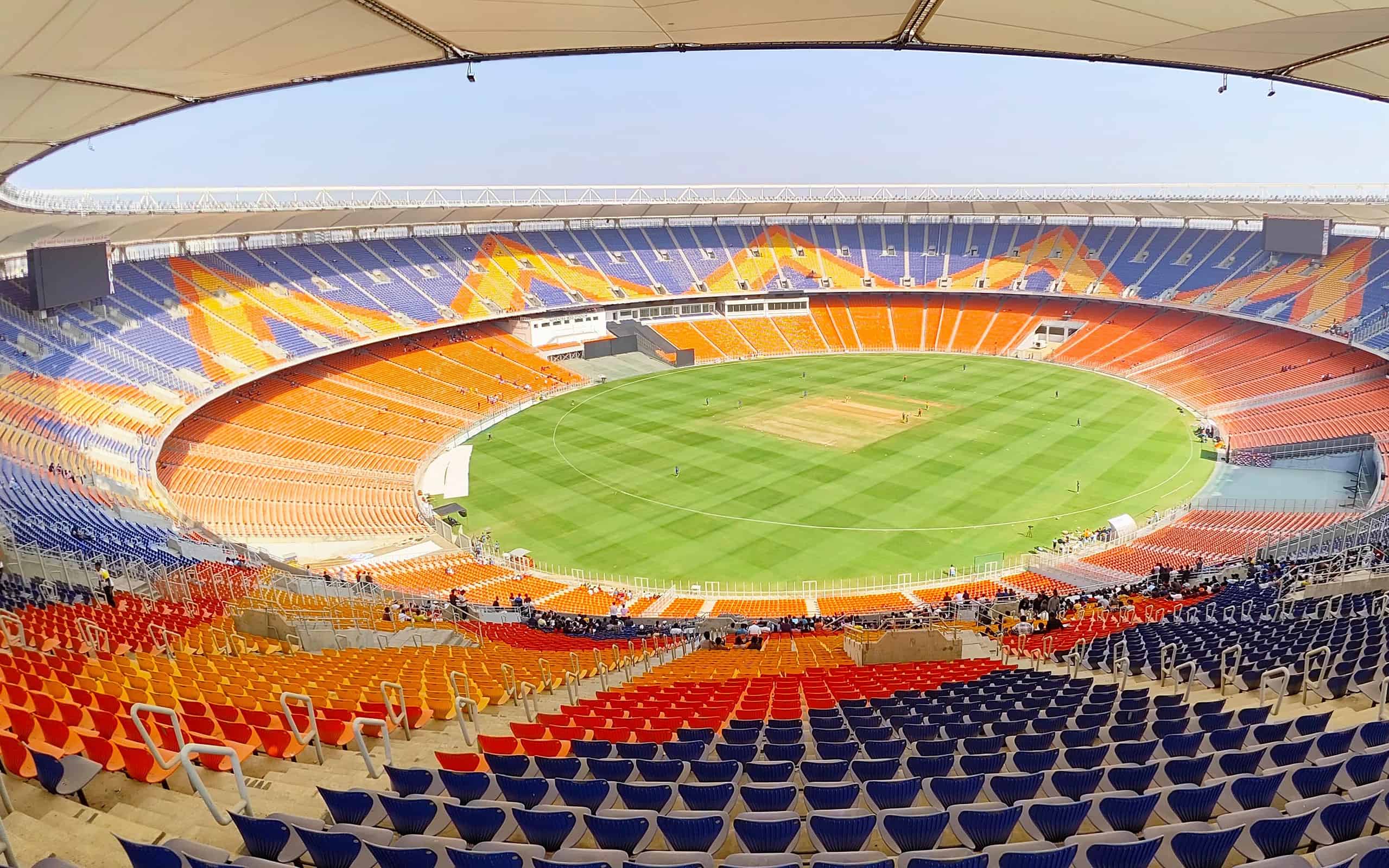
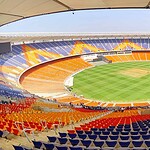
10. Narendra Modi Stadium: 132,000 Capacity
Narendra Modi Stadium in Ahmedabad, India, has a listed capacity of 132,000 spectators.
Narendra Modi Stadium operates on a scale that makes even America's giant college football venues look relatively restrained. The Ahmedabad cricket ground has a listed capacity of 132,000, and both the BCCI and ICC identify it as the world's largest stadium. The original stadium on the site opened in the 1980s, but it was closed and demolished in 2015 before being completely rebuilt. The new venue was completed in 2020 and renamed Narendra Modi Stadium in 2021. Cricket remains its primary purpose, and it has already hosted some of the sport's biggest events, including the 2023 ICC Men's Cricket World Cup final. With 132,000 places to fill, even a crowd of 100,000 would leave a noticeable number of empty seats.