
We’ve been writing to communicate for thousands of years. It just looks a little different now. We’ve traded (for the most part) letter writing for quick texts and social media posts, filled with fun emojis to show how we feel.
One of the oldest emojis to exist, the thumbs-up emoji, however, is getting some criticism from the younger generation. Although a staple just a few years ago, it now has a negative connotation – or does it?
While Gen Z might think that the thumbs-up emoji is negative, not everyone thinks so.
Interested in learning why Gen Z seems to hate this normal emoji? Click through the slideshow to find out. For this slideshow, 24/7 Tempo consulted online sources, including news reports and research/statistics on emoji use.
How Old Are Emojis?
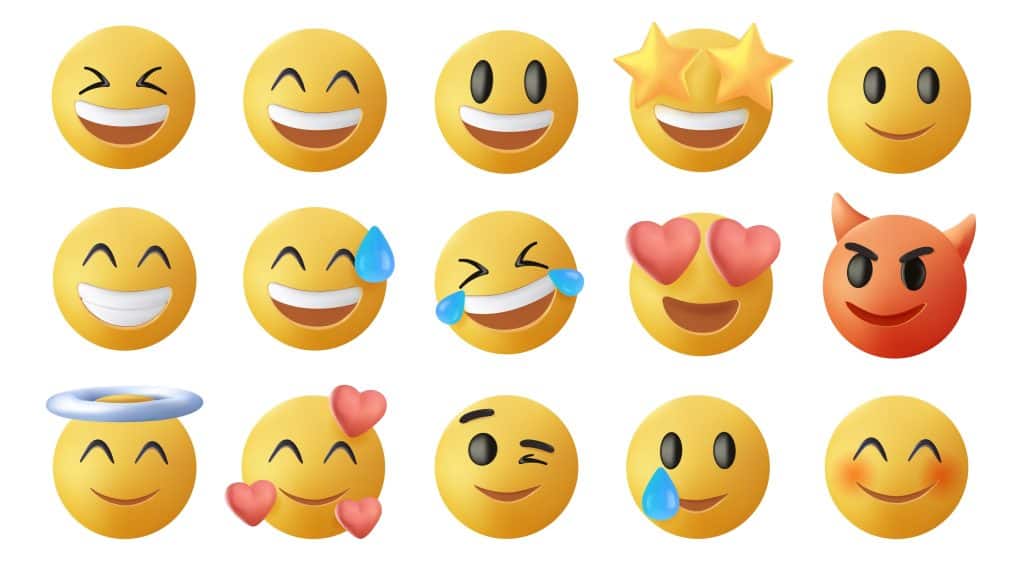
Before we dive into exactly why Gen Z wants to cancel the emoji (or if this is even true), let’s learn more about the simple faces.
Emojis were created about two decades ago in Japan. Before this, we used the emoticon, which is similar. It was faces and symbols using keys on the keyboard.
Shigetaka Kurita created the first set of emojis in 1999 for NTT DoCoMo’s i-mode. They were basic compared to what we have now, but revolutionary for the time. It didn’t take long for them to spread in popularity, gaining global recognition in the early 2000s.
What Does the Thumbs-Up Emoji Mean?

The thumbs-up emoji was one of the first and most commonly used, next to the smiley face. Even now, it continues to be one of the more popular emojis.
Although the meaning changes from person to person, people usually use the emoji when agreeing with a sentence. They also use it to acknowledge they’ve read a text.
Is The Thumbs-Up Emoji Negative?

So, if it’s such a popular emoji, why does a whole generation seem to hate it? Well, they don’t. But it can be seen as negative.
Because there are now hundreds of more expressive and creative emojis, stickers, and GIFs to use, the thumbs-up emoji can feel negative or passive-aggressive. Quite a few Gen Zers also use this emoji sarcastically.
What Other Emojis Are Disliked?
Although a fun title, it’s important to note that everyone is different. Not everyone in a single generation thinks the same. Still, some emojis are going out of fashion.
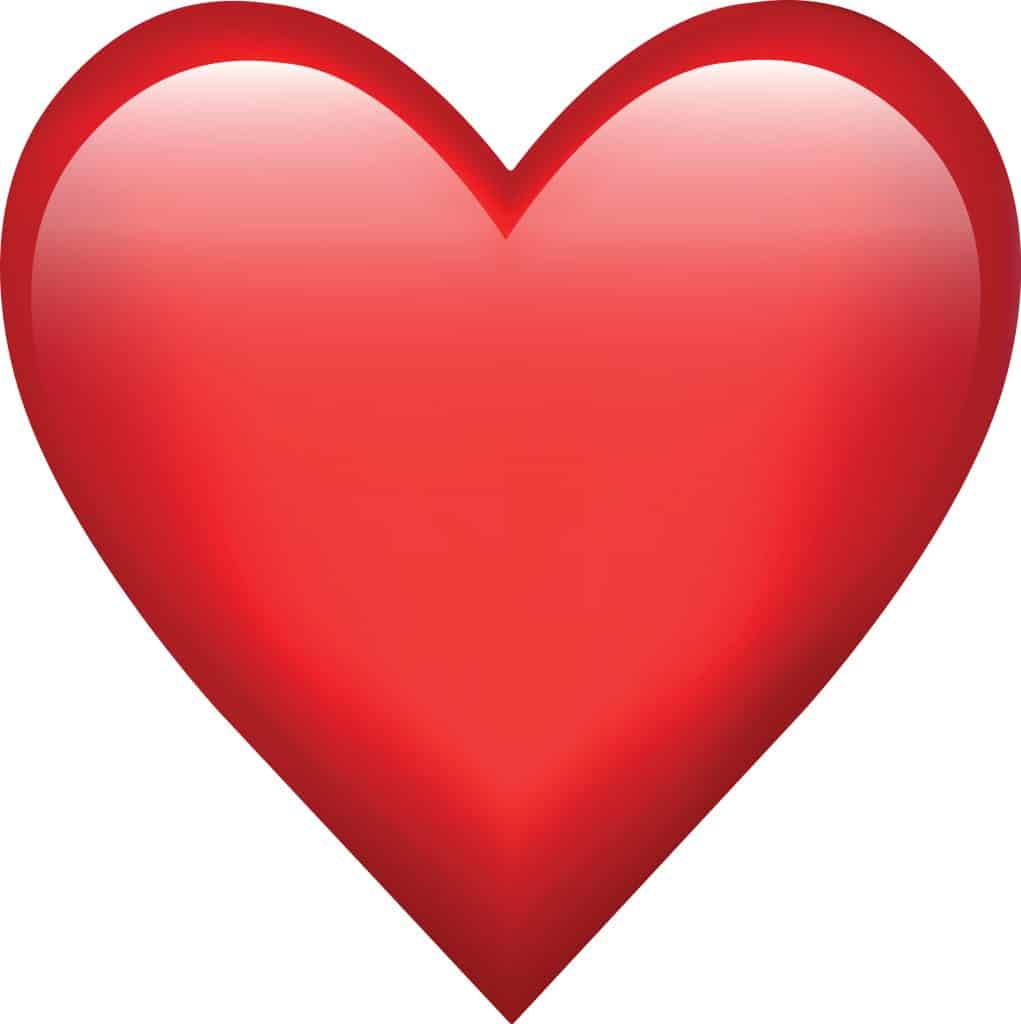
One survey in 2022 found that some emojis can make you seem old, including the ok hand, red heart, monkey eye cover, and clapping hands.
What Are The Most Popular Emojis?
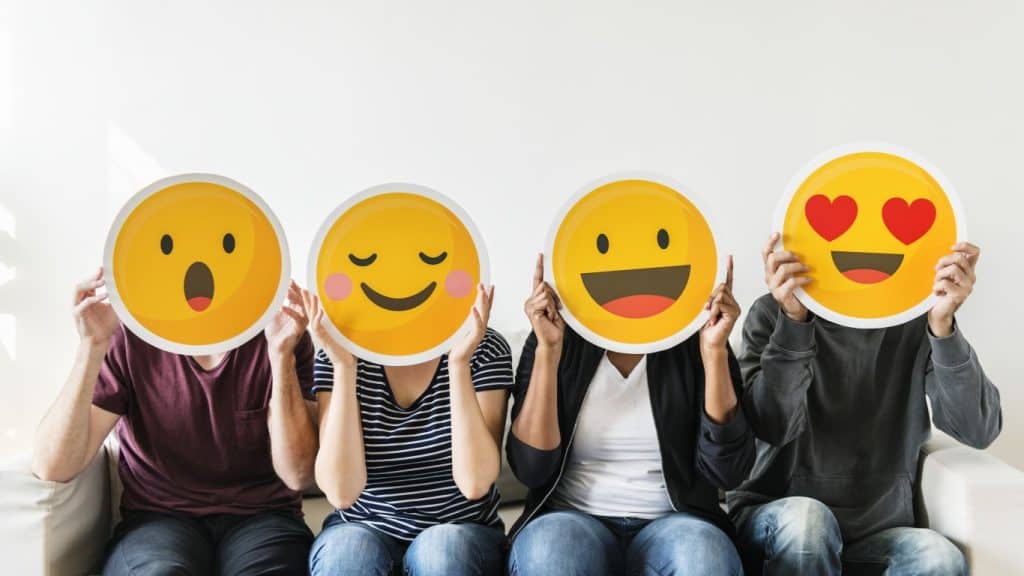
So, what emojis are popular? Click through to find out. This data was taken from Unicode’s findings.
Laughing Crying
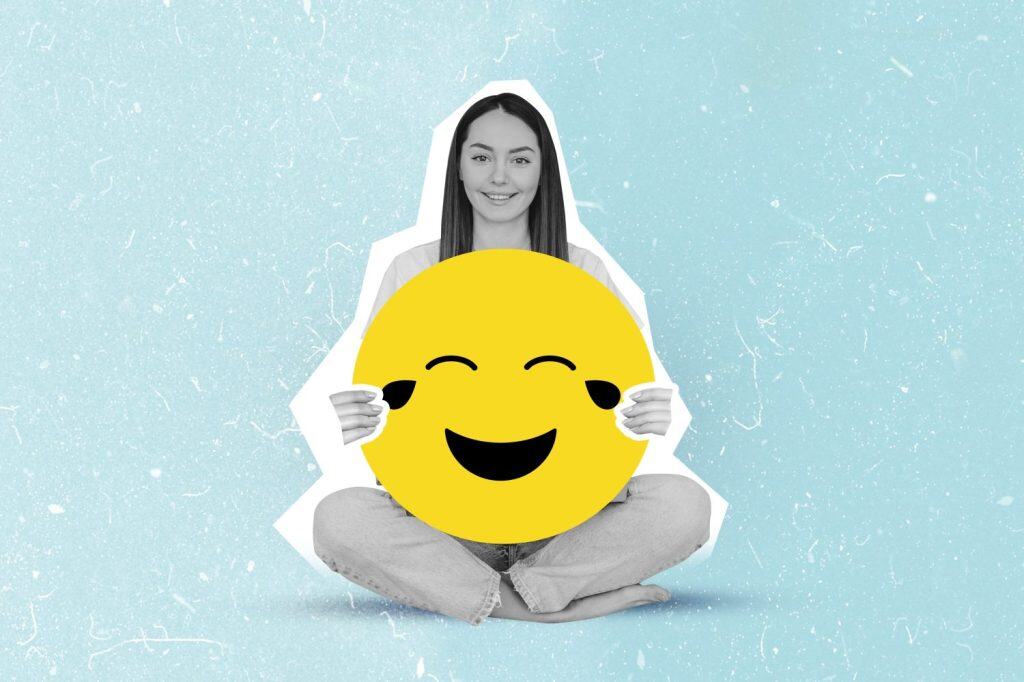
One of the most popular emojis in Unicode’s data was the laughing crying emoji. It’s a fun one to use when you are ‘laughing out loud.’
Red Heart
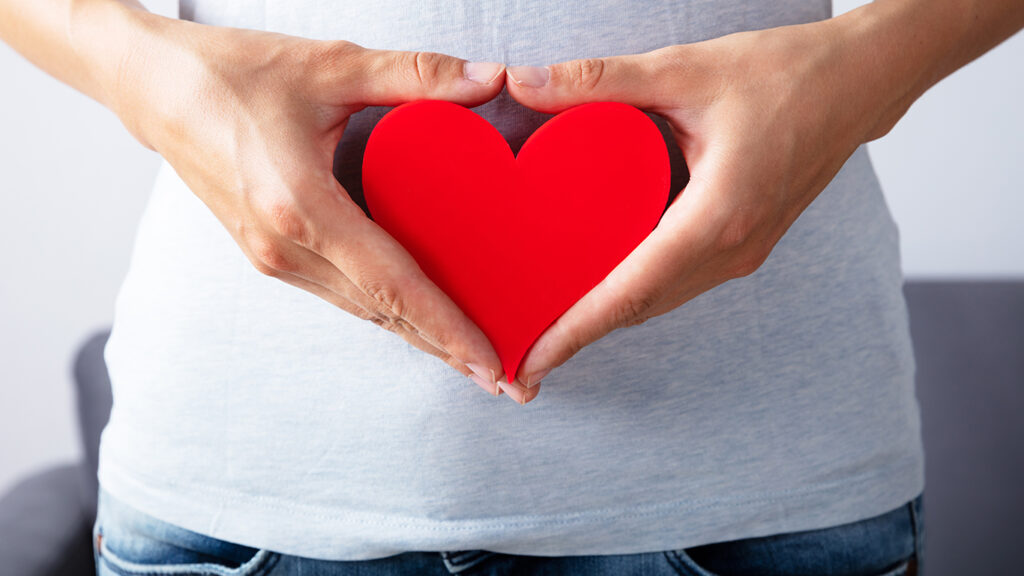
While Gen Z might think the red heart makes you seem old, it’s still a popular emoji, earning second place on our list.
Heart Eyes
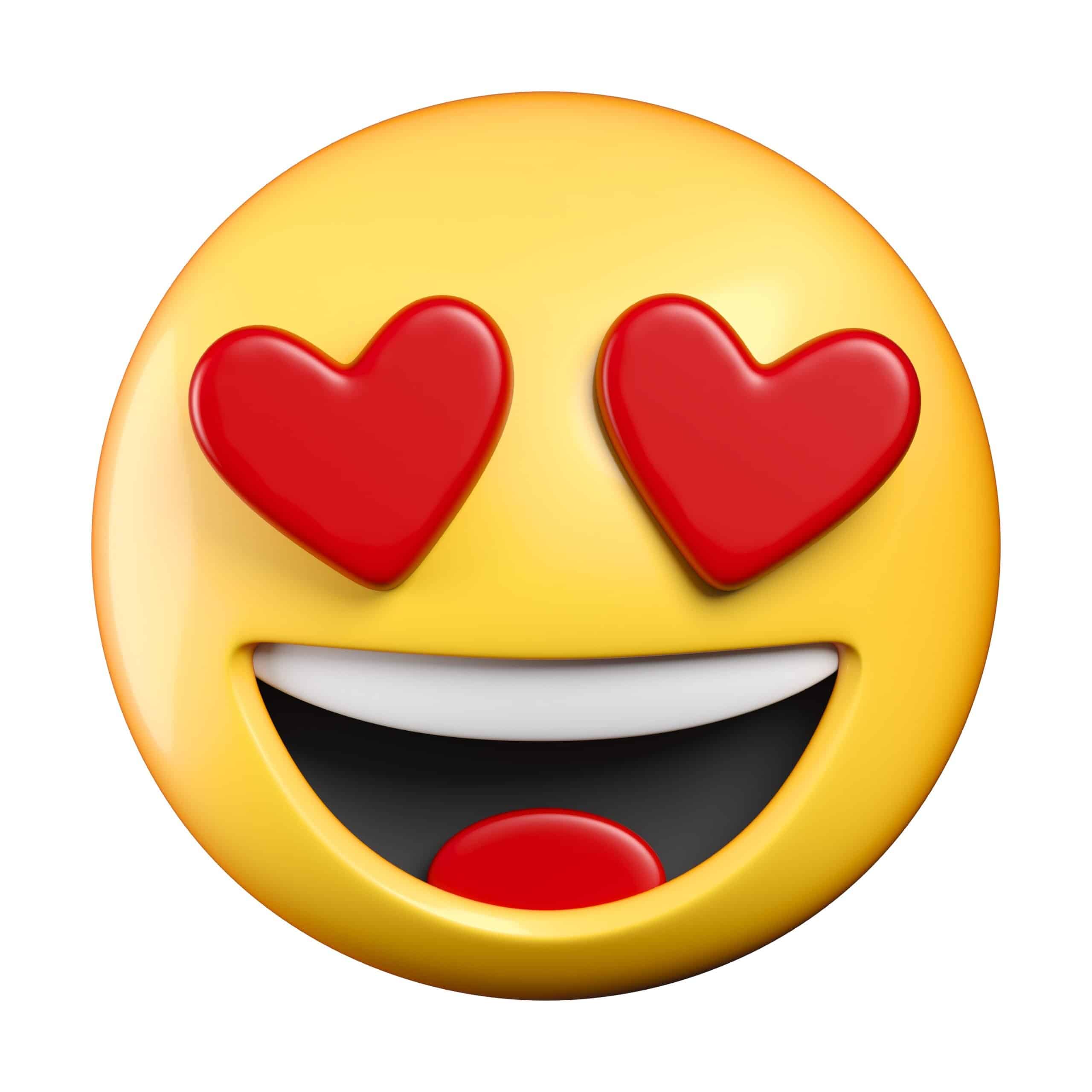
When you find something cute or lovable, what better emoji than the heart eyes?
Rolling on the Floor Laughing
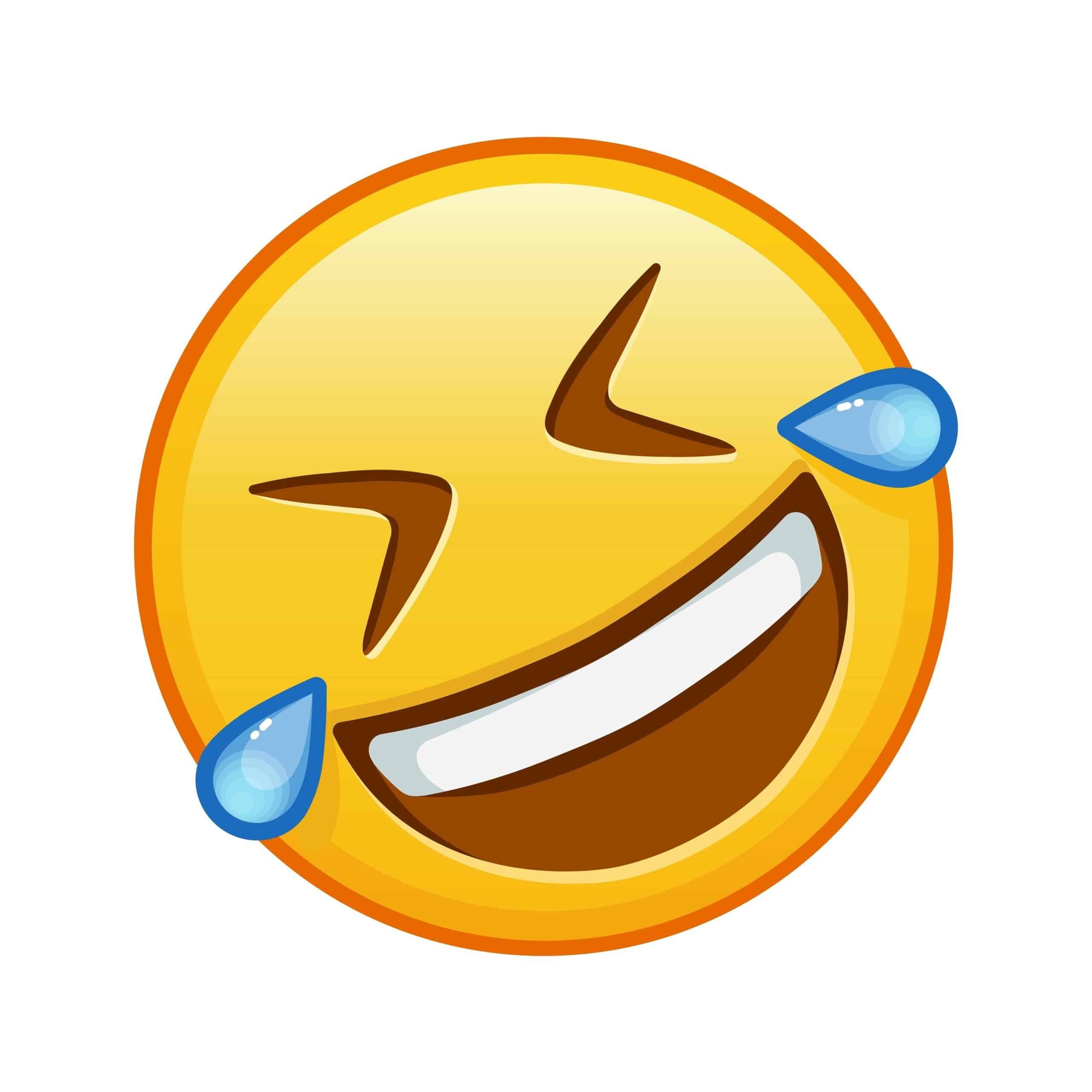
Another laughing crying emoji is the rolling on the floor laughing emoji. It’s nearly just as popular as the smiling heart eyes.
Folded Hands
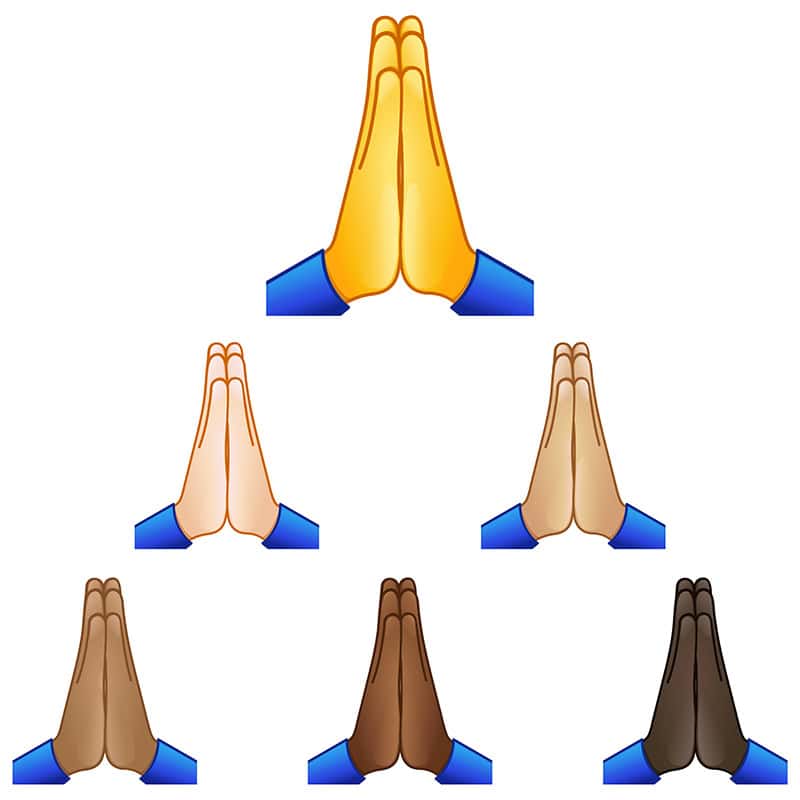
The praying hands emoji is another popular and frequently used expression. It can be used when you are pleading that you want something or as a form of gratitude.