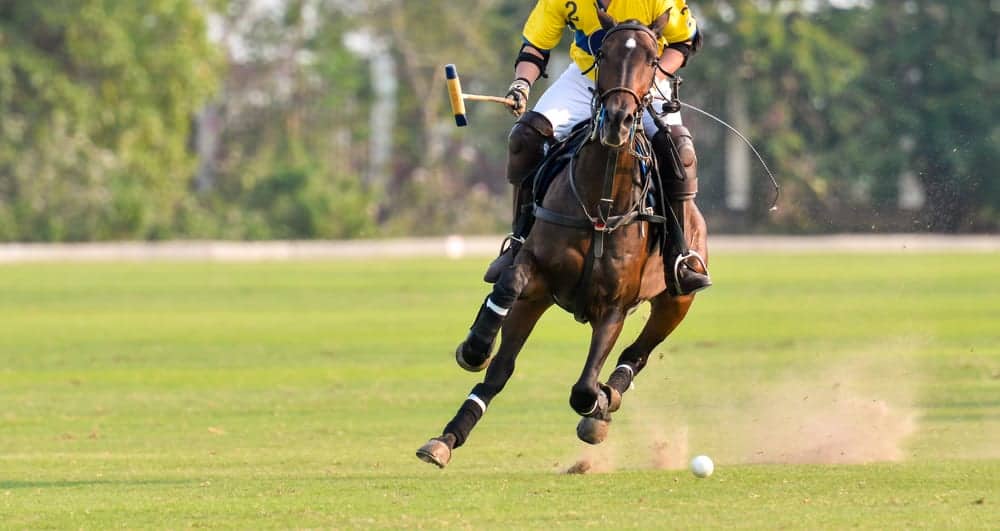
The modern Olympic Games have featured some truly unusual sports over the years. While today’s Olympics focus on globally popular events like swimming, gymnastics, and track and field, earlier Games included a variety of surprising events. Some were downright bizarre, while others were simply so casual that you’d never guess they were once serious enough for Olympic competition. Some tested strange combinations of strength and endurance, while others looked more like backyard kids’ games than elite athletic competitions. These forgotten Olympic events are some of the oddest sports ever played in these international games.
To compile this list of odd sports that did not survive the modern-era Olympics, 24/7 Tempo consulted Olympic-related sources. These include NBC Sports, Top End Sports, and Olympics.com.
Tug-of-War

Though we think of it as an elementary schoolyard game, tug-of-war was once an official Olympic sport. This was a game of brute strength, with teams competing to pull their opponents across a designated line using a rope. So as not to draw out the event, Olympic rules stated that if no team won after five minutes, victory went to the team that had pulled the farthest distance. The sport appeared in the Olympics from 1900 through 1920 before being discontinued.
56 Pound Weight Throw
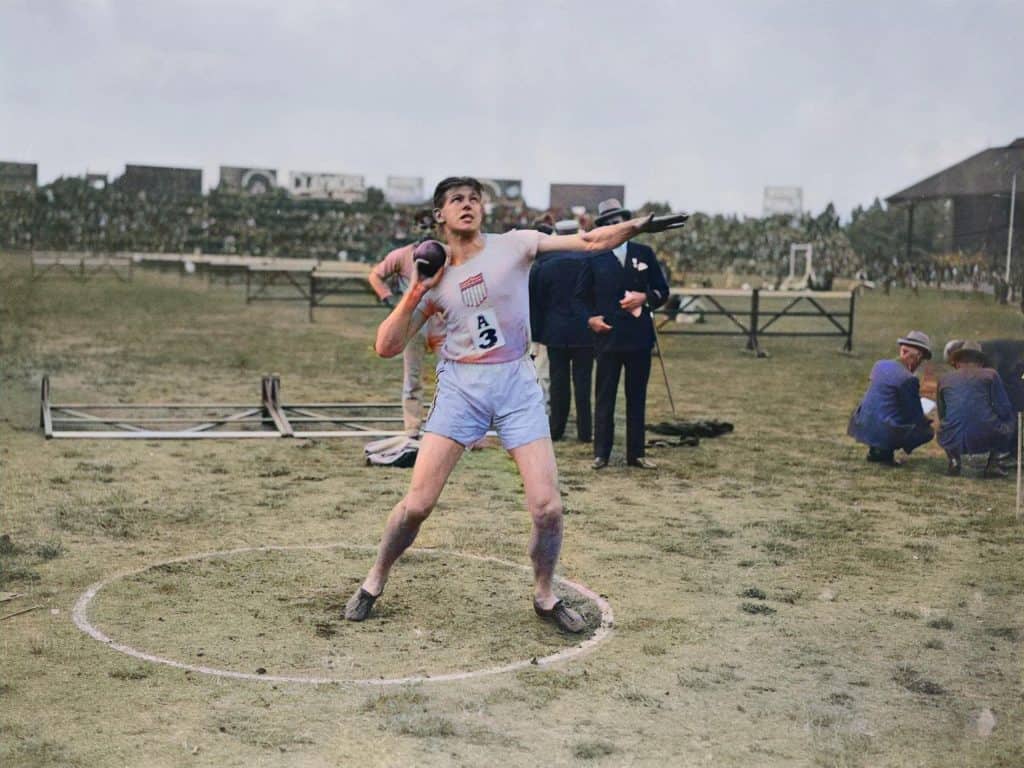
The 56-pound weight throw was a strange early Olympic track and field event. Competitors attempted to throw a heavy weight as far as possible, similar to the modern hammer throw or shot put. The event appeared in the 1904 and 1920 Olympics before being discontinued. Patrick McDonald of the United States won the final Olympic competition with a throw of more than 11 meters.
Obstacle race swimming

Obstacle race swimming appeared at the 1900 Olympics in Paris. Competitors had to swim through a course that included climbing over poles, moving across boats, and swimming underneath obstacles. One of the oddest aspects was the location. Unlike modern swimming events held in pools, the race took place in the River Seine. The river current added another layer of difficulty to the already unusual event.
Croquet
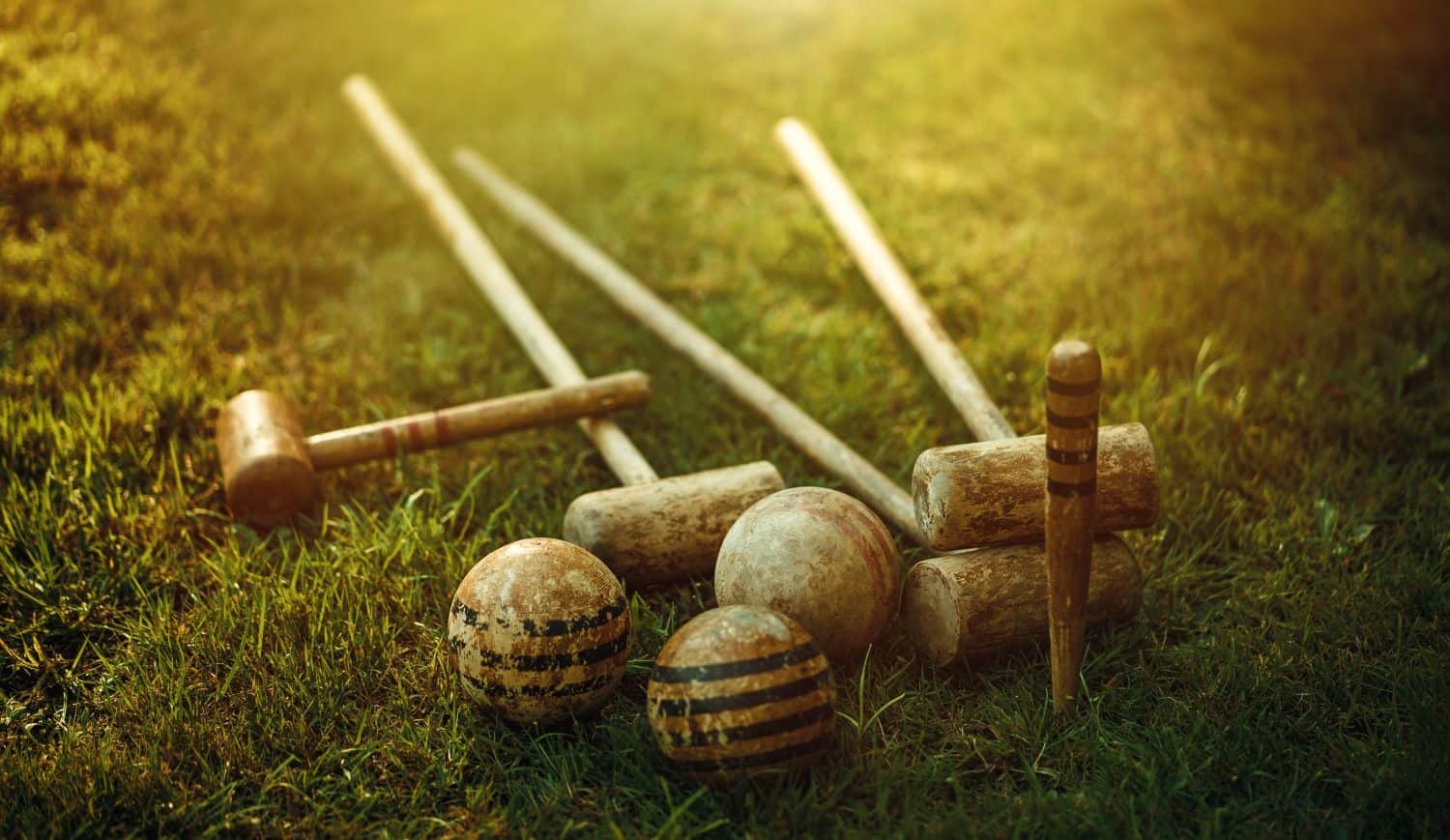
Croquet made a brief appearance at the 1900 Olympics in Paris. Though this lawn game is often associated with casual garden parties and leisure activities, it was once considered a serious sport. It became one of the earliest Olympic sports to include female competitors. During its only Olympic appearance, France dominated the sport. However, the event drew very few spectators and was never included again.
Polo
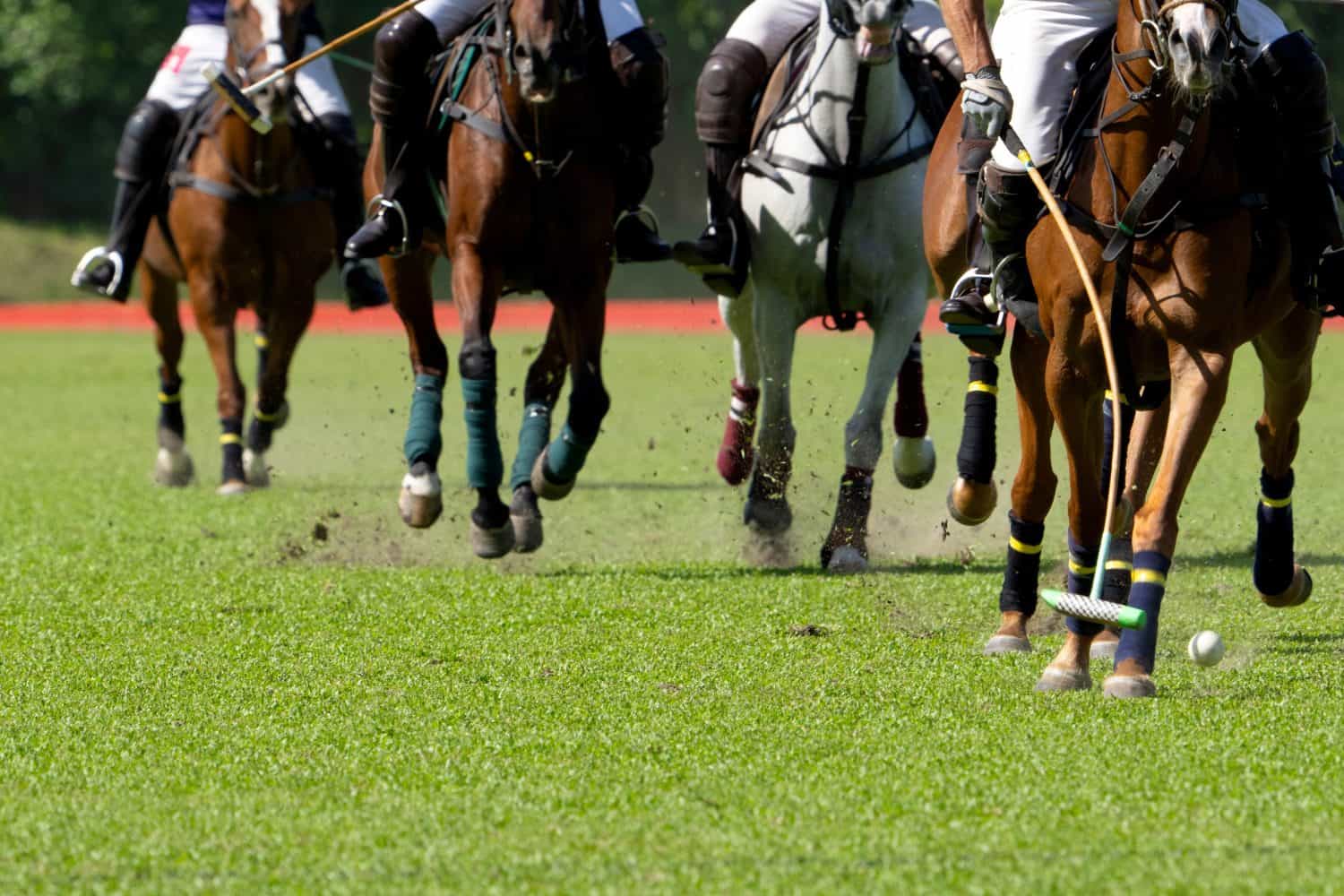
Polo was played in multiple Olympic Games between 1900 and 1936. The sport involves teams riding horses while attempting to hit a ball between goal posts using long mallets. Because of the costs associated with horse maintenance and training, polo has historically been associated with wealthier athletes. Argentina won the final Olympic polo competition in 1936 before the sport was removed from the Games.
One-handed weightlifting
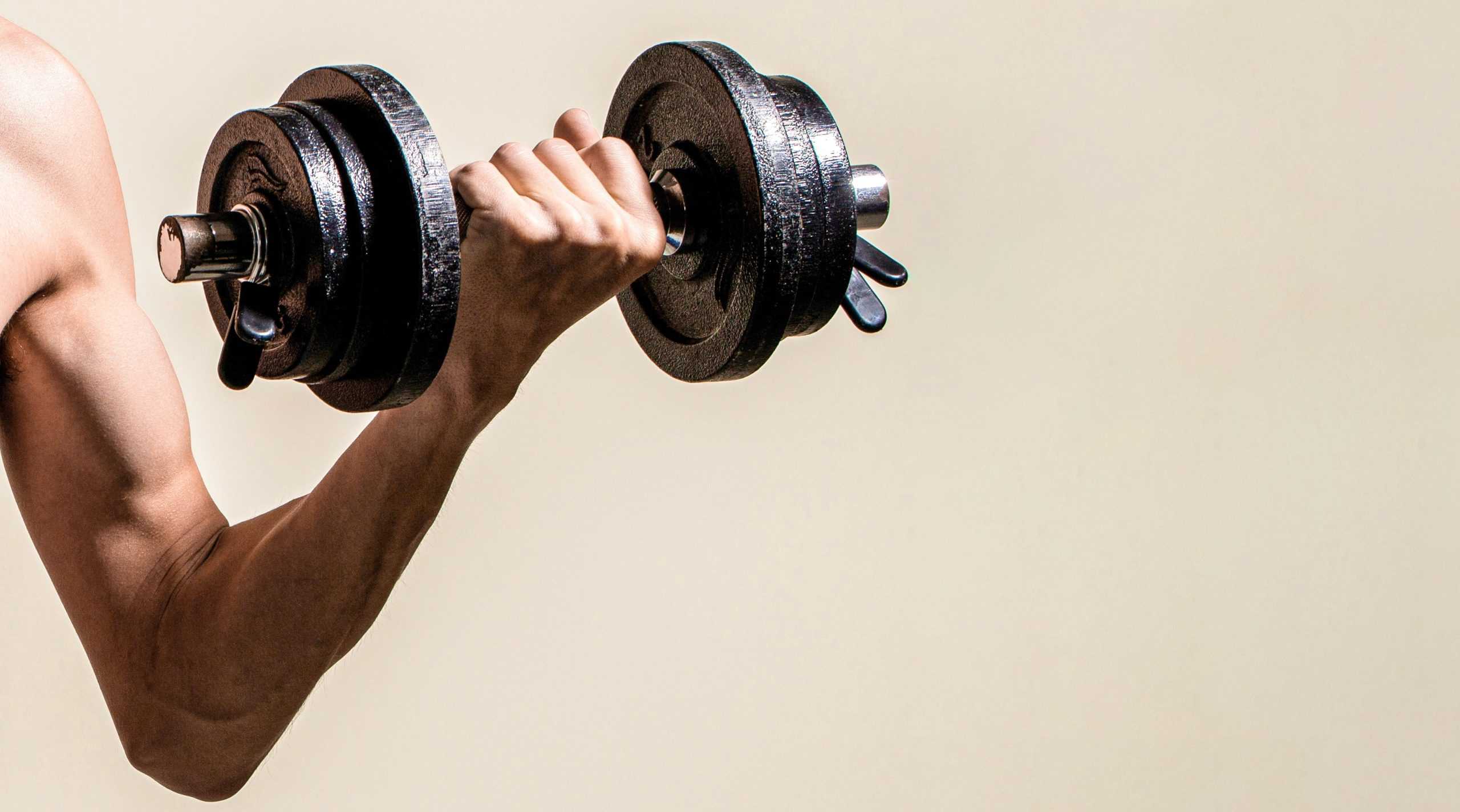
One-handed weightlifting was once part of Olympic competition during the early 1900s. Athletes performed lifts such as the one-handed snatch, which required competitors to lift a heavy weight overhead using only one arm. The event tested strength, balance, and technique. It was eventually removed as Olympic weightlifting evolved into the two-handed formats used today.
Standing high jump

The standing high jump differed from the modern high jump because athletes jumped from a stationary position without a running start. The event appeared in the Olympics from 1900 through 1912. American athlete Ray Ewry dominated the event, winning multiple gold medals. The standing high jump was eventually phased out as running jumps became standard.
Standing long jump
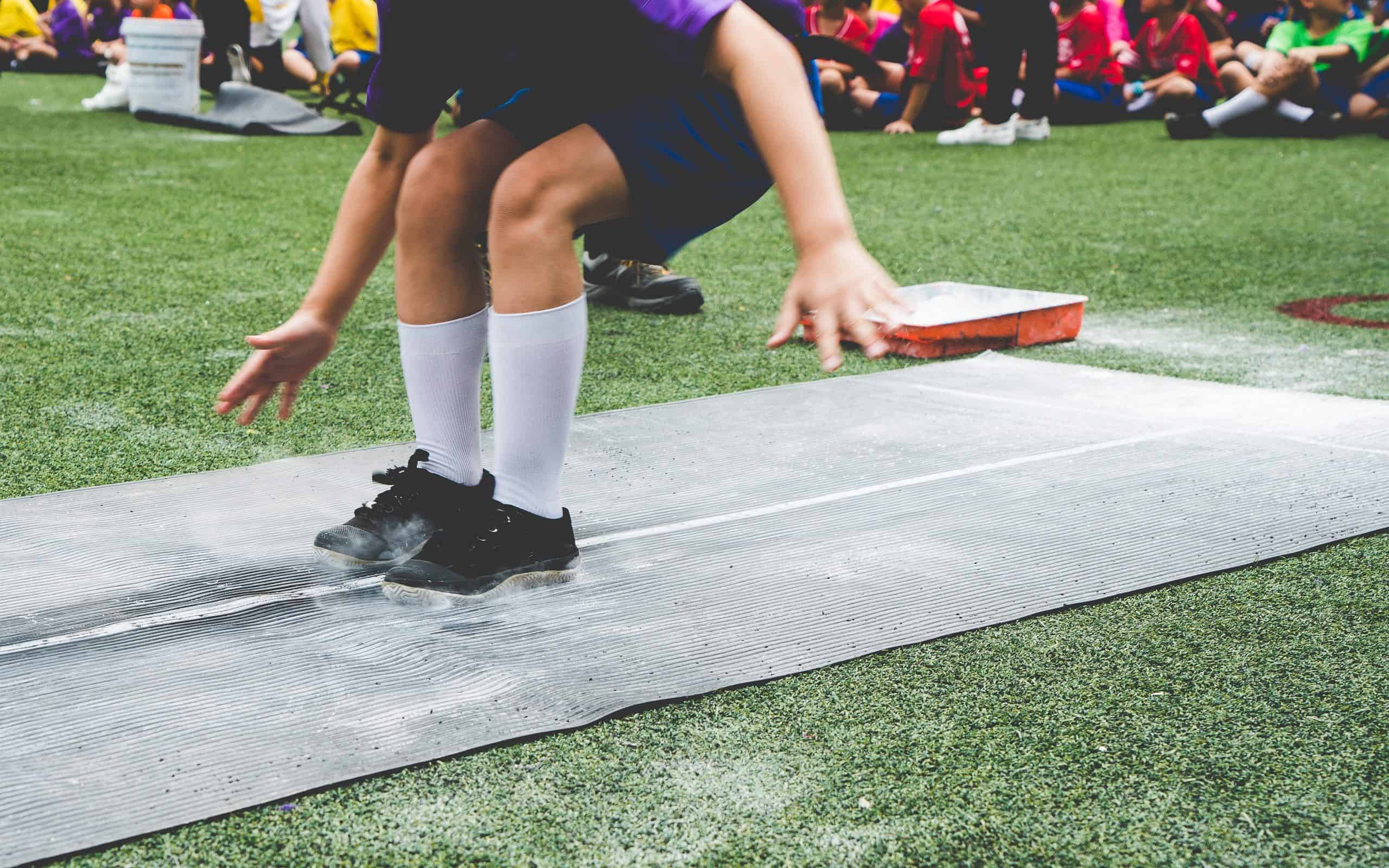
The standing long jump required athletes to leap forward from a stationary position rather than using a running start. The event tested explosive lower-body power and balance. Like the standing high jump, Ray Ewry dominated the competition during the early Olympics. However, the event was discontinued after the 1912 Games.
Stone throw
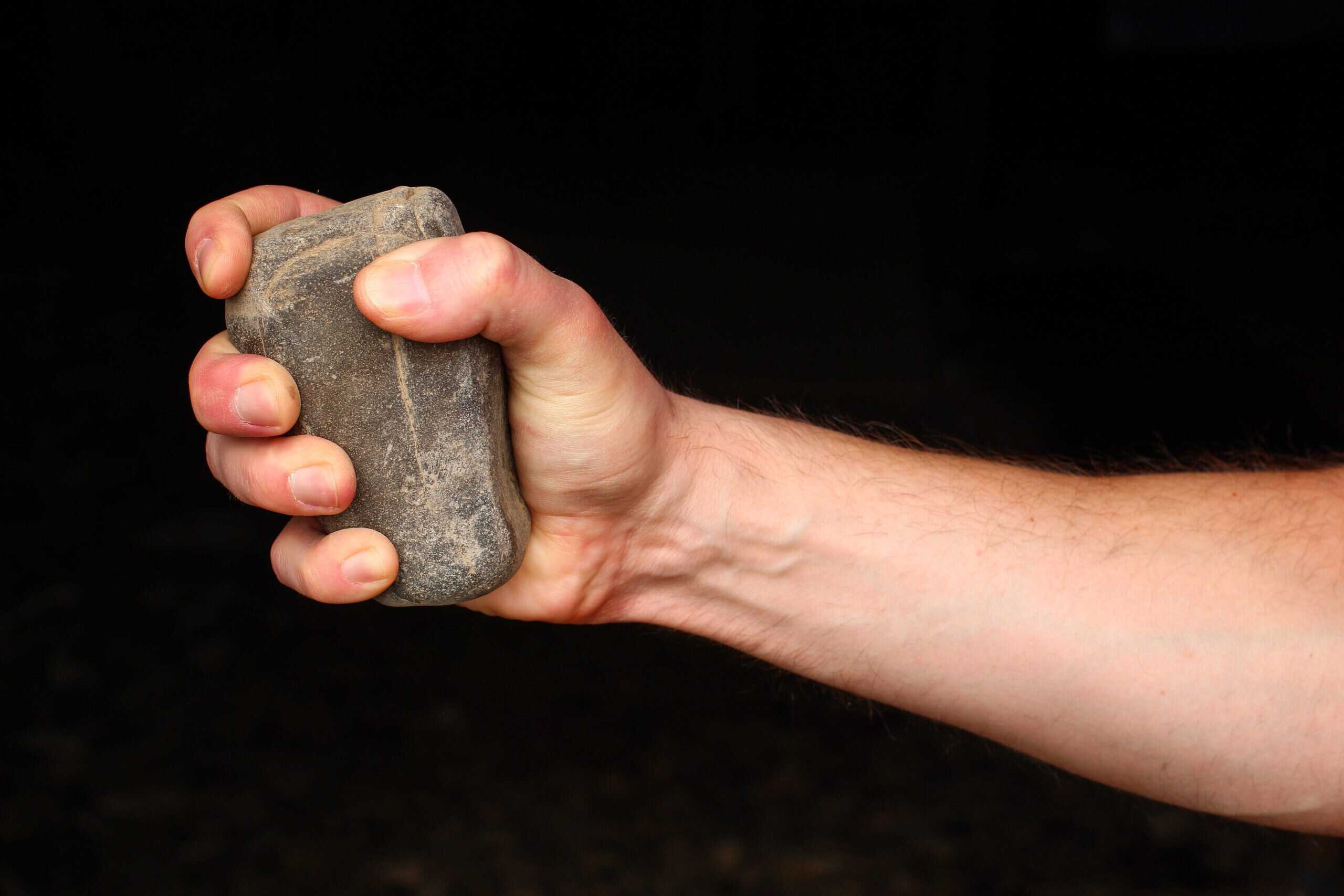
The stone throw appeared at the 1904 Olympics as part of the track and field program. Competitors threw a heavy stone as far as possible using a variety of throwing techniques. The event resembled the shot put but allowed athletes greater freedom in how they threw the object. The stone throw only appeared once before disappearing from Olympic competition.
Plunge for distance diving
Plunge for distance diving was one of the strangest events ever included in the Olympics. Competitors dove into the water and attempted to glide as far as possible underwater without using their arms or legs. Whoever motionlessly drifted the farthest won. The event appeared at the 1904 Olympics in St. Louis. It was eventually discontinued because many found it slow and unexciting to watch.