
timsimages.uk/Shutterstock.com
CC BY-SA 3.0
Public domain, via Wikimedia Commons
Public domain, via Wikimedia Commons

Public domain, via Wikimedia Commons
Public domain, via Wikimedia Commons

Velvetfish/iStock via Getty Images

Kichigin/Shutterstock.com
Focused Adventures/Shutterstock.com




The Great Lakes Shipwreck That Left 300 People Dead
The Great Lakes may look calm, but they can turn deadly without warning. Covering more than 94,000 square miles, these massive bodies of water can generate powerful waves and sudden storms that rival ocean conditions, especially during the fall and winter months.
Over the years, these unpredictable conditions have led to some of the deadliest shipwrecks in U.S. history. In one case, a single disaster claimed at least 300 lives, shocking the nation and exposing just how dangerous these inland seas can be. Here's what happened, and a look at other devastating shipwrecks across the Great Lakes.
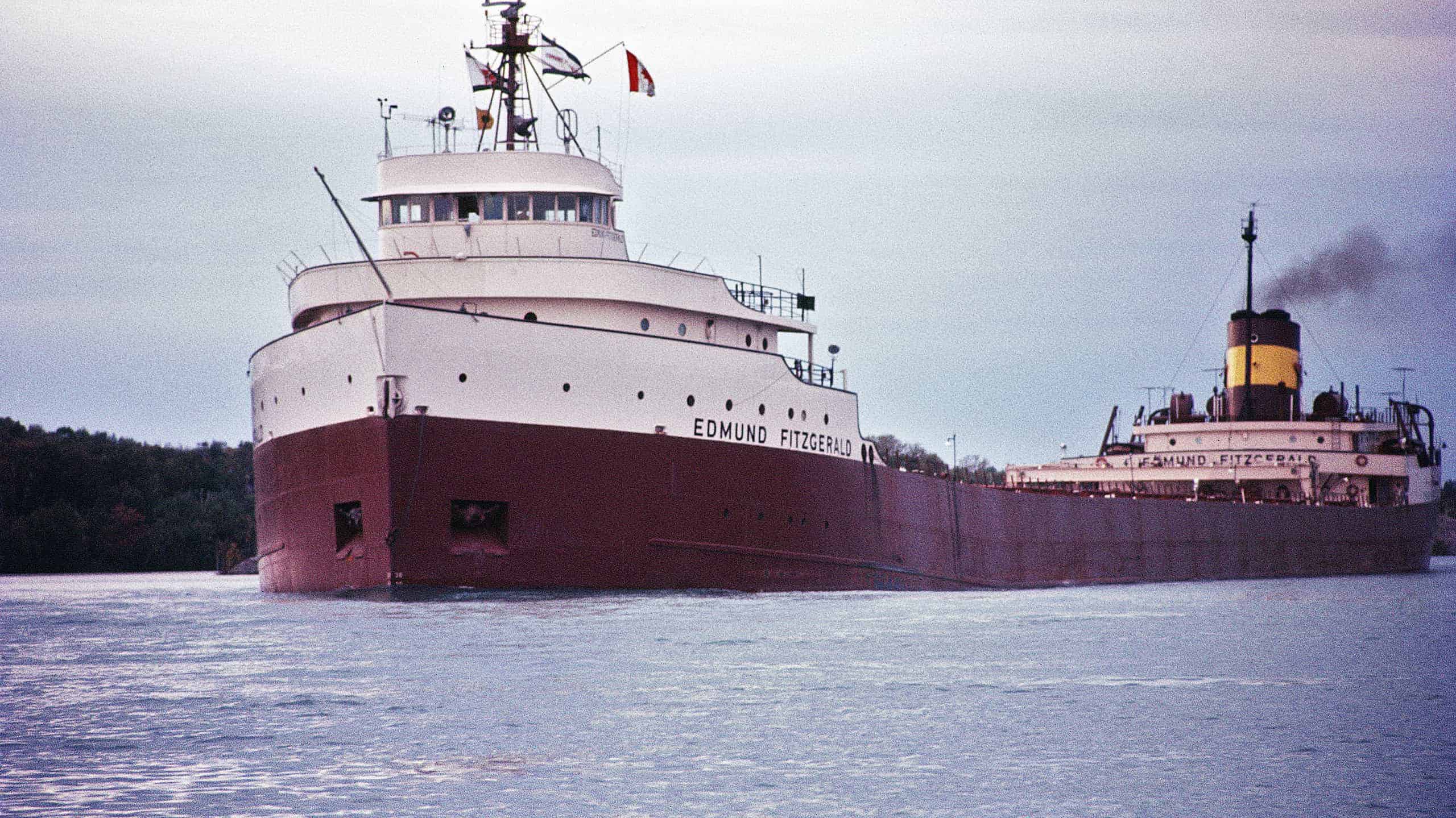
SS Edmund Fitzgerald – 1975
The SS Edmund Fitzgerald was a large freighter that sank in Lake Superior on November 10, 1975. The ship carried iron ore from mines near Duluth to Detroit and was doing just that on the day it sank. The Edmund Fitzgerald was carrying a 29-man crew when it encountered a powerful storm.
It sank swiftly into deep Canadian waters. Everyone on the crew perished, and no bodies were ever found.
Not only is this the biggest shipwreck in the Great Lakes, but it's also one of the most mysterious. The captain never sent a distress signal, and researchers still don't know exactly what happened and why no bodies were found.
SS Carl D. Bradley – 1958
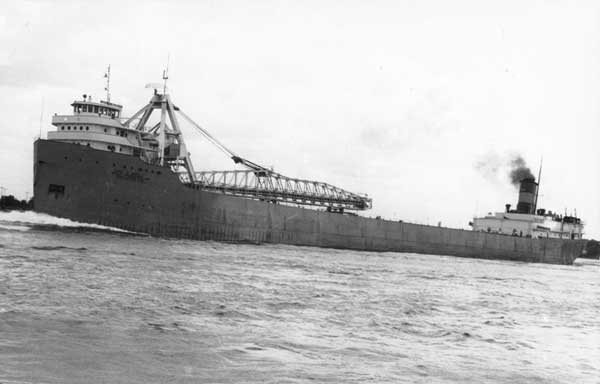
The SS Carl D. Bradley was a self-unloading freighter and one of the largest and longest in the Great Lakes for 22 years. But it met its demise in Lake Michigan on November 18, 1958. This ship was used to haul limestone from the quarry in Rogers City, Michigan, and was known as the "Queen of the Lakes" due to her sheer power and size.
But she hit a storm and most likely sank due to structural failure. Thirty-five crew members were on board the day it sank, and only two people survived.
SS John B. Cowle – 1909
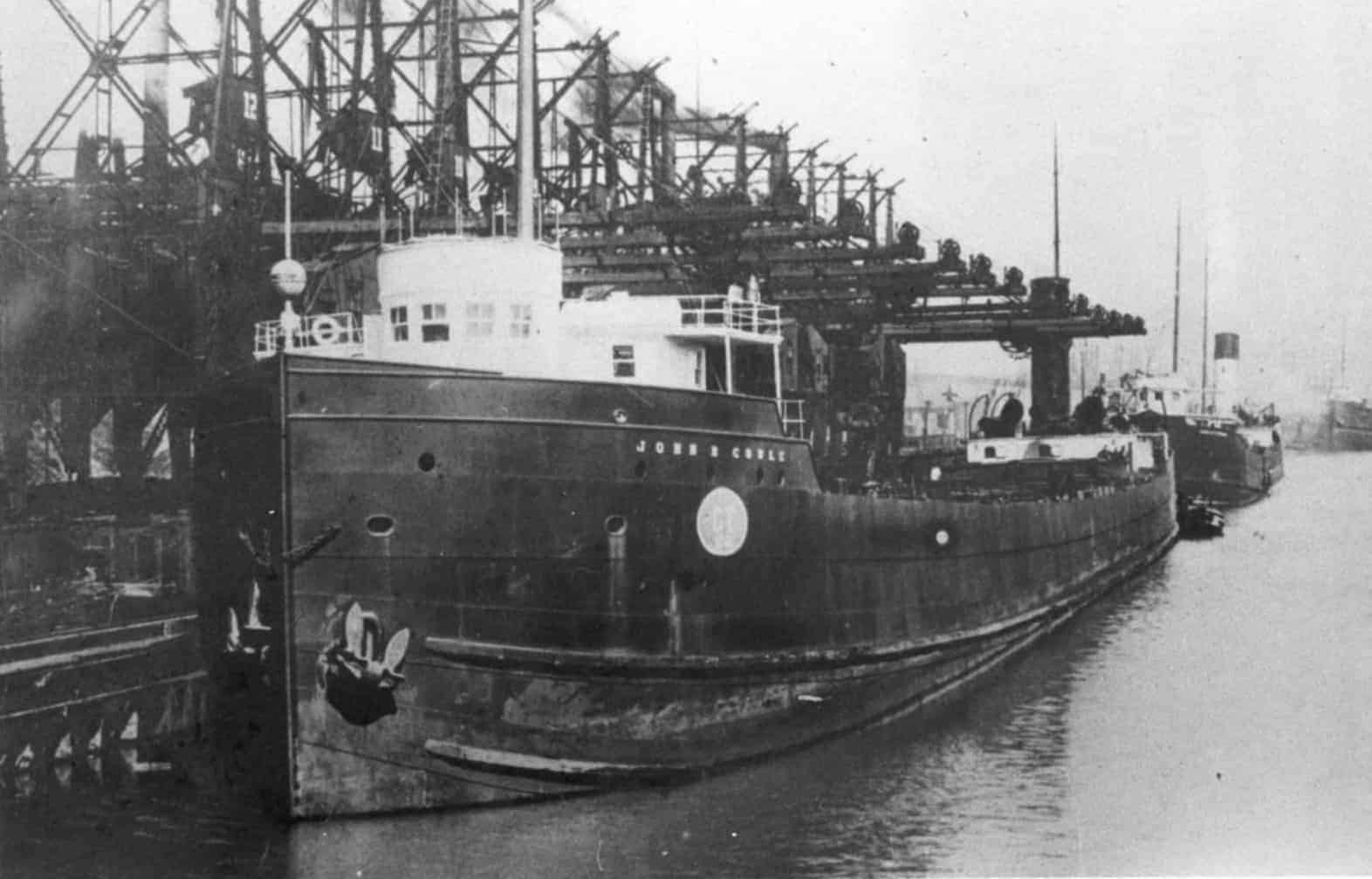
Known as "Tin Pans," the SS John B. Cowle was a bulk freighter built in 1902 to haul iron ore.
The ship was headed for Cleveland in Lake Superior on July 12, 1909. Due to a dense blanket of fog, another freighter, SS Isaac M. Scott, rammed into her. Cowle sank in three minutes, killing 14 people out of a 24-man crew.
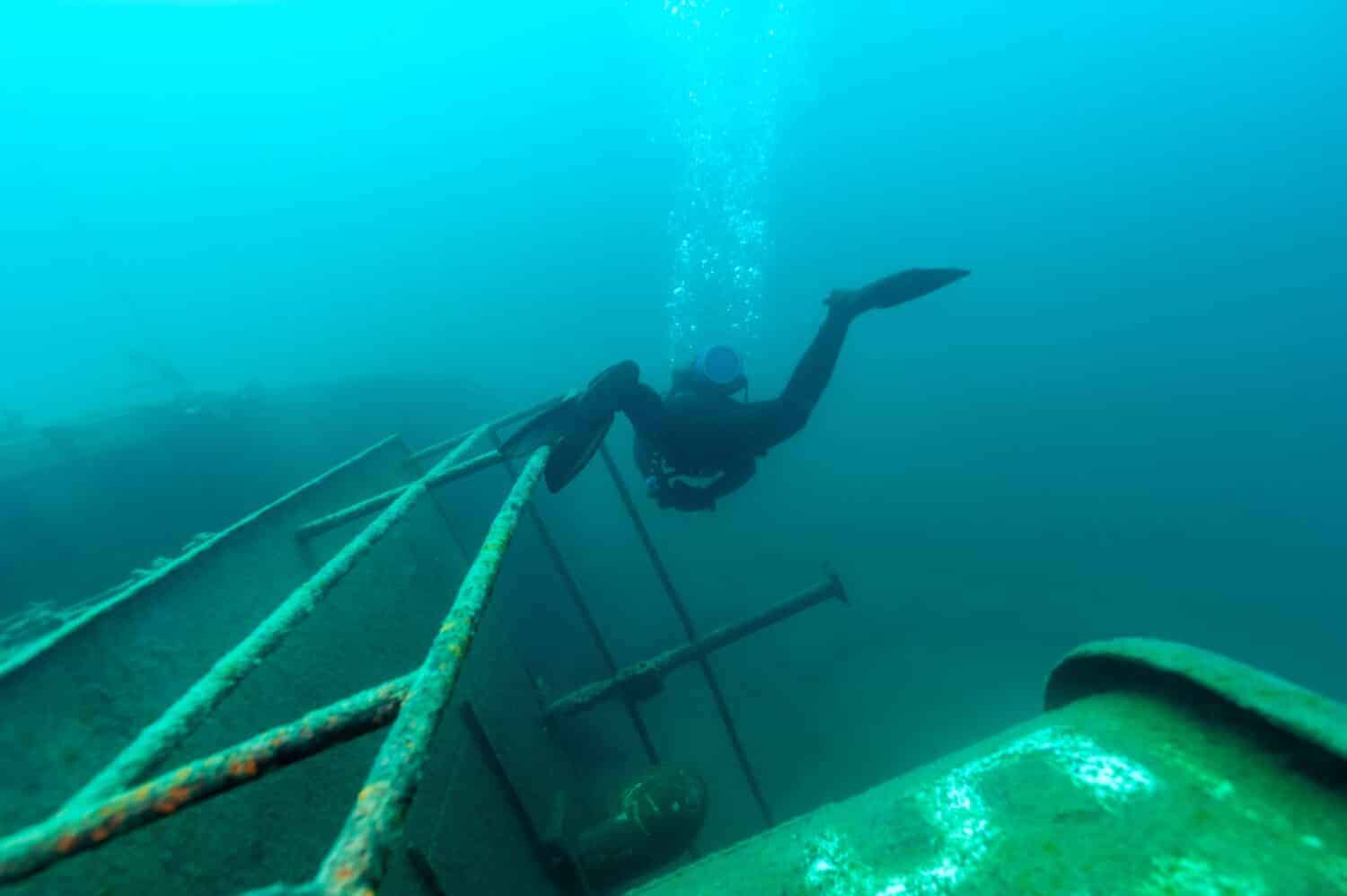
The wreckage wasn't discovered until 1972, 1.5 miles north of Whitefish Point. Many artifacts were still intact. However, people had been removing artifacts for years following its discovery. An act was later passed in Michigan that prohibited people from taking items from shipwrecks.
PS Lady Elgin – 1860
The history of PS Lady Elgin is one of tragedy. Its sinking is the greatest loss of life in the history of the Great Lakes.
This ship was a wooden-hulled sidewheel steamship designed to carry passengers from Chicago to other ports in Lake Superior and Lake Michigan. Lady Elgin had seen many accidents and received numerous repairs, but she suffered her fatal blow on September 8, 1860.
While carrying passengers in the early morning, a schooner rammed into Elgin, sinking the ship and killing at least 300 people. The wreckage is still in Lake Michigan between what is now Highland Park and Highwood, Illinois.
SS Daniel J. Morrell – 1966
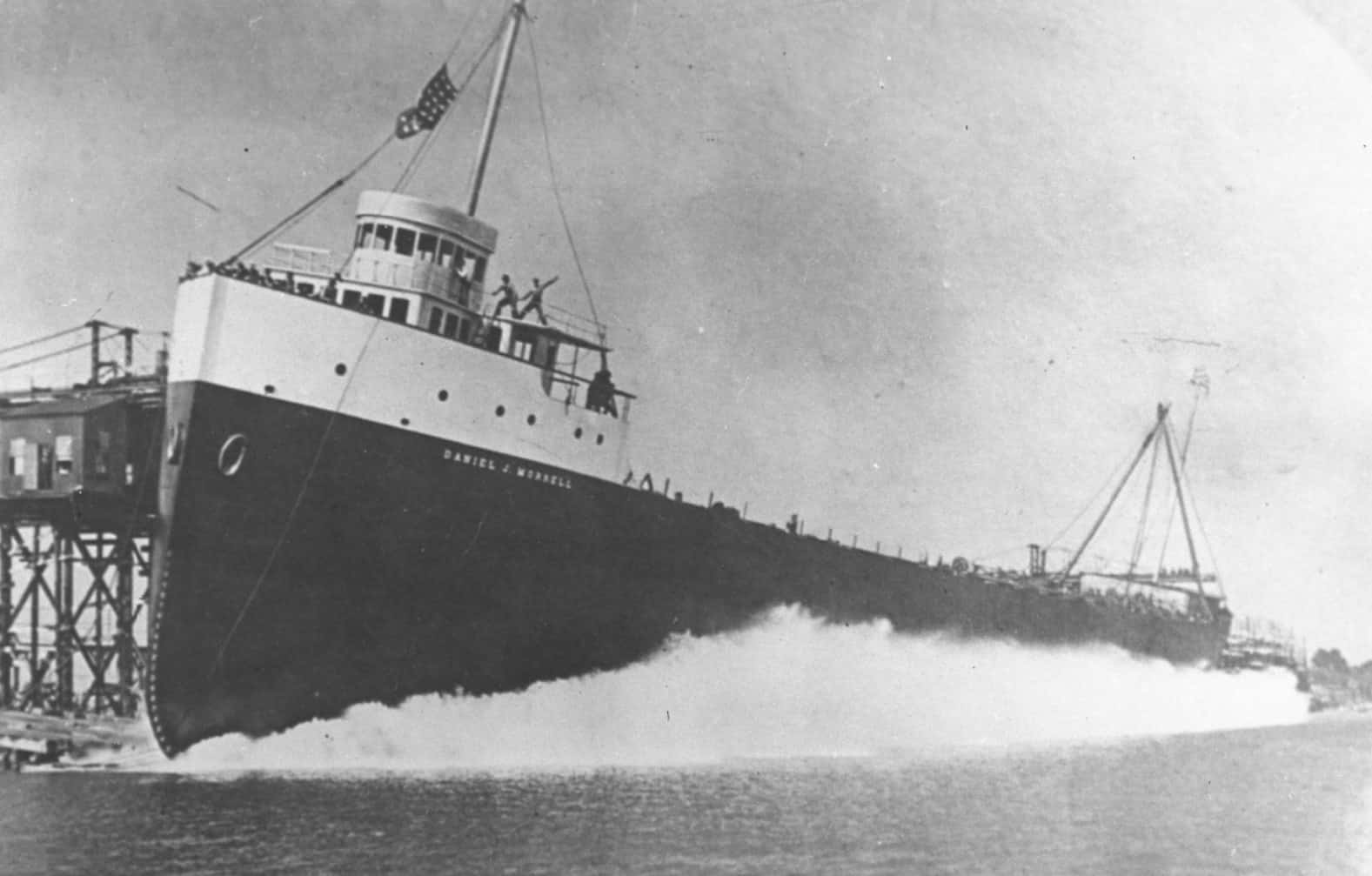
The SS Daniel J. Morrell was a 600-foot freighter that hauled bulk cargo. The ship launched in 1906 and was the "Queen of the Lakes" during that time, carrying the title of the longest ship on the Great Lakes. On November 29, 1966, a 29-man crew was making its last run of the season when it got caught in high winds and enormous swells.
The ship broke in half, and 28 people perished, with most succumbing to the freezing temperatures. The lone survivor was found nearly frozen and floating in a life raft the following day.
How Many Shipwrecks Are There in the Great Lakes?
Around 6,000 ships were lost on the Great Lakes, with about 1,500 of them found in Michigan waters. These shipwrecks are valuable resources, providing a unique glimpse into Michigan's history.
Are the Shipwreck Estimates Correct?
It's hard to get an exact number of the shipwrecks in the Great Lakes because discoveries are being made all the time. While author and Great Lake historian Mark L. Thompson can only guess how many shipwrecks there really are, his research suggests that there could be 25,000 or more. "Unfortunately, we have only limited information on most of the shipwrecks that took place on the Great Lakes," he writes in Graveyard of the Lakes. "Not until 1936 were marine casualty boards impaneled to investigate shipping casualties…"
What is The Deadliest Shipwreck?
The sinking of the German ship Wilhelm Gustloff in January 1945 during World War II by a Soviet Navy submarine still stands as the deadliest isolated maritime disaster in history.
Approximately 9,400 people lost their lives in this tragic event, marking a somber chapter of wartime maritime history.