
PeopleImages.com - Yuri A / Shutterstock.com

Mike Powell / Getty Images

Lisa Blumenfeld / Getty Images Sport via Getty Images
Harry How / Getty Images Sport via Getty Images
Adam Pretty / Getty Images
Tom Pidgeon / Allsport / Getty Images

Maddie Meyer / Getty Images

Jamie Squire / Getty Images Sport via Getty Images

Harry How / Getty Images

Rich Schultz / Getty Images Sport via Getty Images

Jean Chung / Getty Images Sport via Getty Images

Al Bello / Getty Images Sport via Getty Images







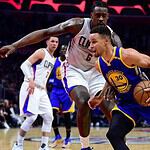



To become a professional in their field of sport, athletes must have extreme dedication and the drive to be the best. Sports are both mental and physical and often test the limits of what an athlete is capable of. To be at peak performance levels, elite athletes focus on health and fitness, nutrition, getting proper rest, and recovery. But with each new achievement, athletes often need to take additional steps to ensure they're at the top of their game.
Many athletes will cross-train, which is defined by Oxford Languages as a way to "engage in two or more sports or types of exercise in order to improve fitness or performance in one's main sport". Cross-training is highly beneficial because it improves their overall fitness, uses different muscle groups, and can prevent injury from overuse. Some great athletes have gone above and beyond cross-training, trying and developing innovative new strategies to perfect their bodies and skills.
To compile a list of unlikely training strategies top athletes use, 24/7 Tempo reviewed sports stories from outlets like ESPN and Bleacher Report. Athletes have used new and emerging breakthroughs in medical research and technology to recover faster from injuries, hone their coordination, and practice specialized skills. Many of these high-tech, specialized techniques used by players may not only have extended their careers but also played very well right until the end of their careers.
It is worth noting that not all of these methods are fully backed by scientific consensus. These methods might work specifically for a particular athlete but might not work for others. These are the athletes with the most memorable final seasons.
Here are creative strategies top athletes use to stay at the peak of their game.
Strobe light glasses
- Used by: Michael Jordan
- Purpose: Designed to help improve brain functionality and reaction time
Michael Jordan became so popular that every NBA game he played in was an event. Professional and amateur photographers wanted to take pictures of his every move, so he was subjected to constant flashes of lights throughout the game. He was known to train with strobe lights to lessen the effect.
Because he noticed a marked improvement in several areas of play, Nike eventually developed glasses, the SPARQ Vapor Strobes eyewear, that players could wear that use internal LCD lights to prepare players for random flashes. These glasses have been used by modern superstars like Steph Curry and Kawhi Leonard as well.
Blood-rich plasma platelets
- Used by: Kobe Bryant, Peyton Manning
- Purpose: Utilize patient's blood to accelerate healing
Due to knee issues, Kobe Bryant went to Germany in 2013 to receive a new treatment known as platelet-rich plasma therapy or Regenokine. The therapy removes a patient's blood, which is then mixed with substances intended to help with recovery, and then re-injected into the patient. Other athletes like Peyton Manning, Tiger Woods, and Tracy McGrady also used the therapy. Though many athletes use it, the treatment has not been proven effective.
Cryotherapy
- Used by: LeBron James
- Purpose: Pain management
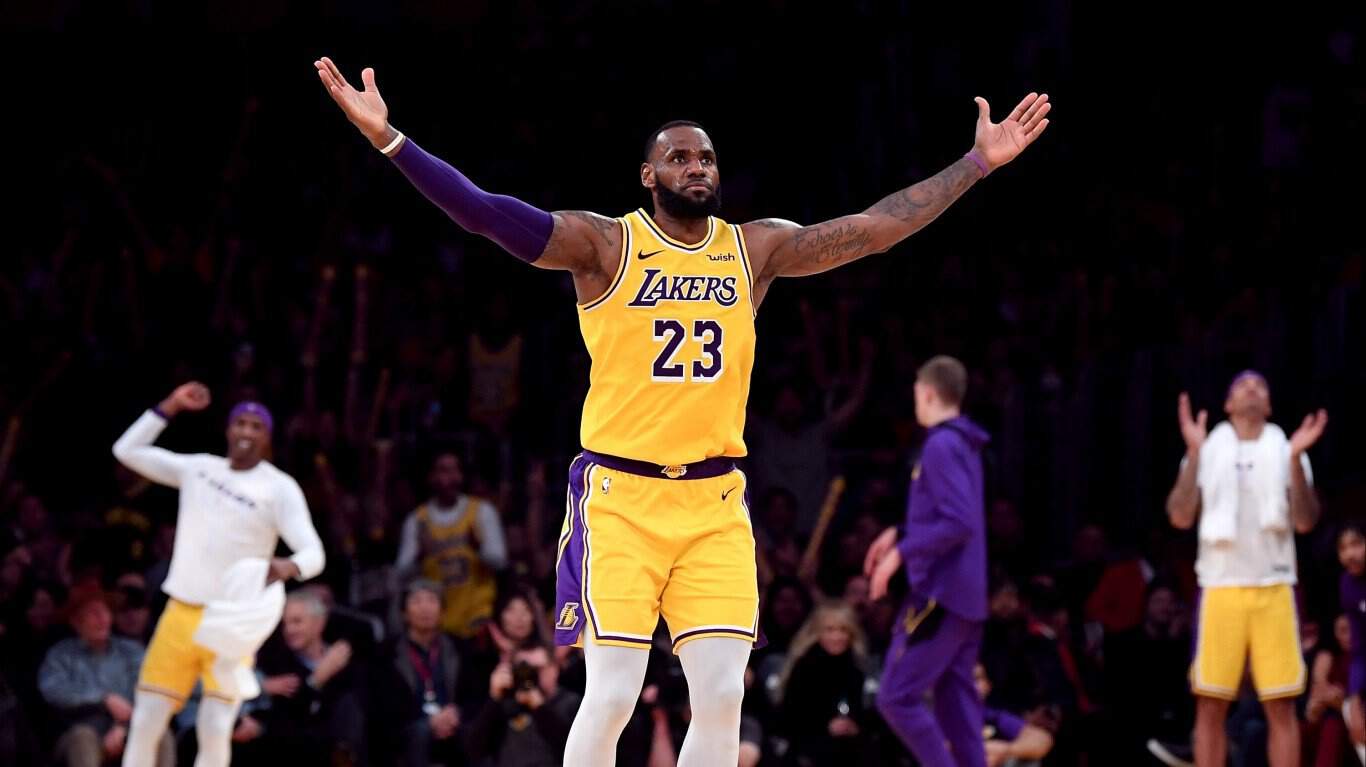
This has become a popular recovery method among professional athletes like LeBron James, Shawn Marion, Jason Terry, and many more. The liquid nitrogen-powered chamber dips to under 100 degrees below zero to force the body to produce more oxygen-rich red blood cells, which are supposed to aid in recovery, though scientific consensus on the actual benefits is mixed.
Hyperbaric chamber
- Used by: Michael Phelps
- Purpose: Increases the amount of oxygen in the blood to reduce swelling, regenerate damaged tissue, and more
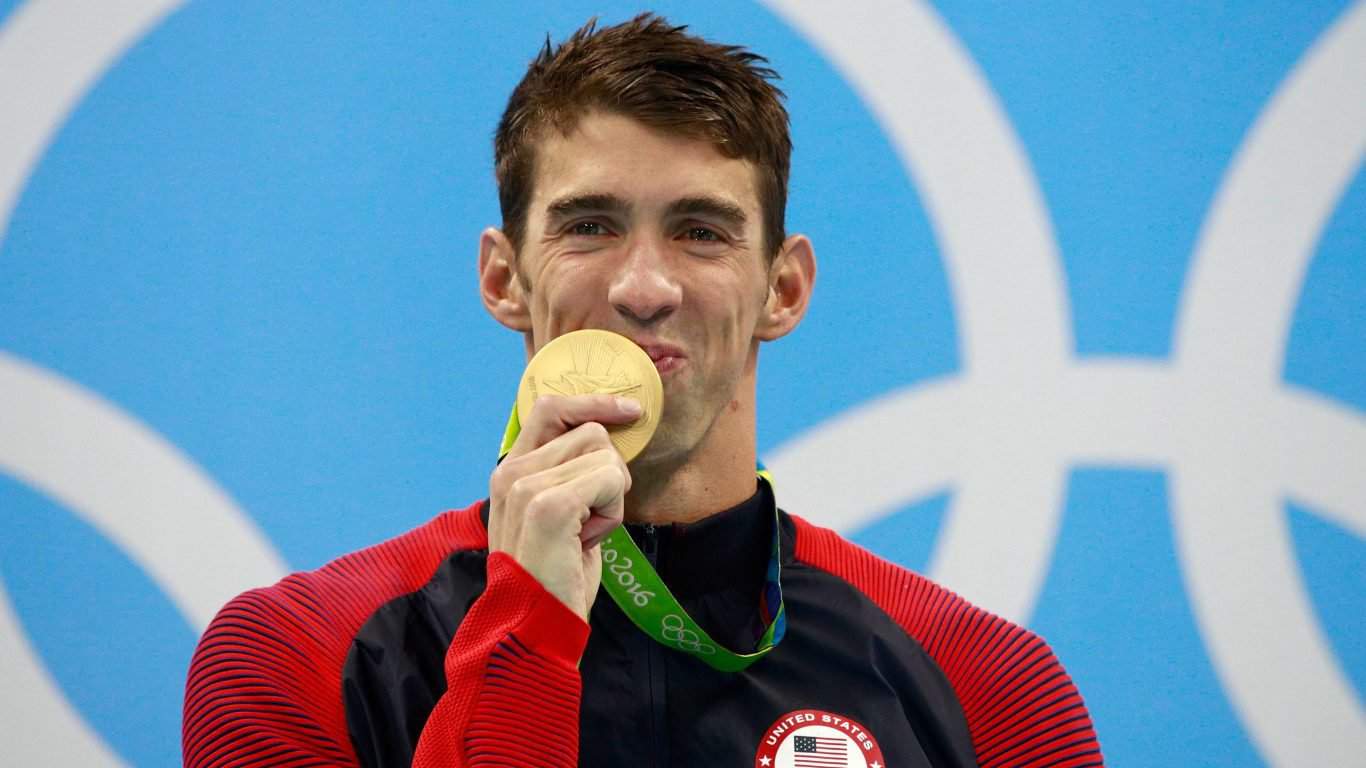
Altitude or hyperbaric chambers are sealed pods that provide the user with a 100% oxygen environment instead of the 21% found in the air. This increased oxygenation is used to support healing and recovery, though the medical community has yet to reach a consensus about its effectiveness, and is favored by high-level athletes like Michael Phelps.
Ballet
- Used by: Lynn Swann, Herschel Walker
- Purpose: Helps to improve agility, balance, coordination, flexibility, strength
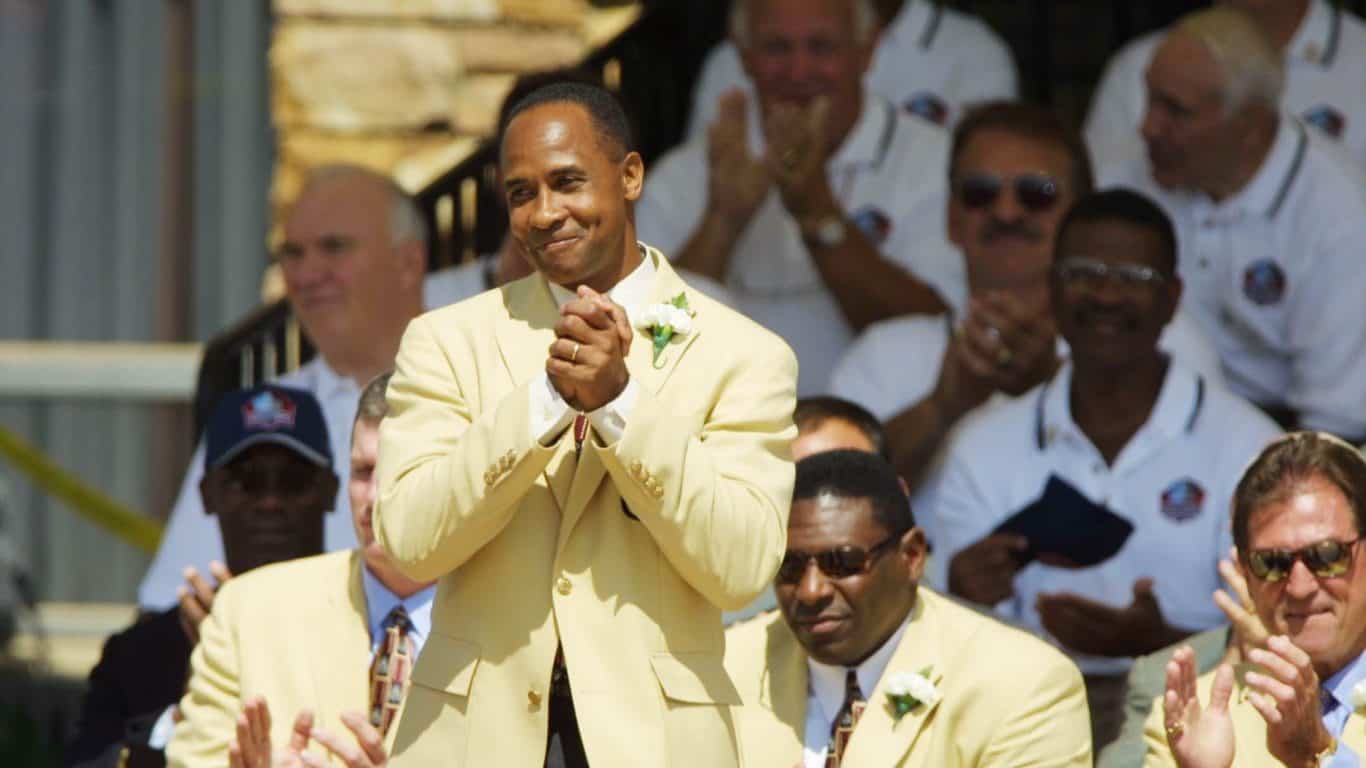
Ballet and the NFL may not seem to have much in common, but several notable players have used the techniques and training used in dance to boost performance on the gridiron. This dance strengthens and tones muscles in a way that working out with weights cannot achieve, which is why pros like Lynn Swann and Herschel Walker used ballet to increase flexibility and pliability.
Vibrating muscle rollers
- Used by: Tom Brady
- Purpose: Relieve pain, increase circulation, reduce inflammation, improve flexibility
Tom Brady is known for his strict diet and innovative workout methods. He also uses vibrating muscle rollers to soften and elongate muscles before and after workouts. According to his TB12 method, these vibrating muscle rollers "prepare the muscles and nervous system for an optimal workout."
Stem cell therapy
- Used by: Tiger Woods, Max Scherzer, Rafael Nadal
- Purpose: Repairs damaged, injured, or dysfunctional tissue
Stem cell therapy may be the most controversial, but still legal method that athletes use to recover from injury. Superstars like Max Scherzer, Peyton Manning, Rafael Nadal, Tiger Woods, and many others have received stem cell injections. This is a process in which a clinic draws fat or bone marrow cells from the body and injects those cells into the affected area.
Doctors say this treatment is unproven and may only work via a placebo effect.
Catching tennis balls
- Used by: Steph Curry
- Purpose: Helps to develop skills like fine motor control, hand-eye coordination, and the ability to track moving objects in the air.
Steph Curry is renowned for his ball-handling abilities. Though he uses plenty of high-tech methods to train, like the aforementioned strobe light glasses, he has also used something a bit simpler — a tennis ball. He hones his focus and concentration by tossing a tennis ball to himself or catching it from a trainer while dribbling with his other hand.
Hypnosis
- Used by: Mike Tyson
- Purpose: Helps with confidence, focus, relaxation, and more
Athletes work very hard on their bodies, but sometimes they can benefit from sharpening their mental state as well. Boxer Mike Tyson was notoriously aggressive and unpredictable, so he turned to hypnosis to focus before fights. Tyson said his trainer had him hypnotized multiple times a day since the age of 12 to help him gain focus before fights or training sessions.
Virtual Reality
- Used by: Lindsey Vonn
- Purpose: Helps improve performance, technique, and biomechanics
Some sports, like skiing, are riskier to train for than others, and in some regions, snow isn't available all year round. American skiers like Lindsey Vonn and Laurenne Ross have turned to virtual reality. VR headsets can give an athlete the sensation of running, jumping, or racing down the slopes all without actually doing it.
Cupping
- Used by: Michael Phelps
- Purpose: Aids in pain relief, muscle recovery, can restore circulation, and more
During the 2016 Olympics, many viewers noticed strange reddish-purple blotches on the backs of some of the athletes, like Michael Phelps. These were the marks left behind by cupping, a technique in which an athlete has a glass cup suctioned to their back. It supposedly helps to relieve muscle tension and loosen tendons.
However, this ancient therapy method does not have much evidence of working.