Source: Courtesy of Paramount Pictures
Source: Courtesy of United Artists
Source: Courtesy of Continental Distributing

Source: Courtesy of Paramount Pictures
Source: Courtesy of Warner Bros.

Source: Courtesy of RKO Radio Pictures

Source: Courtesy of Warner Bros.
Source: Courtesy of Columbia Pictures
Source: Courtesy of Twentieth Century Fox
Source: Courtesy of Bryanston Distributing
Source: Courtesy of Miramax
Source: Courtesy of DreamWorks Distribution

Source: Courtesy of Columbia Pictures
Source: Courtesy of Columbia Pictures
Source: Courtesy of Zenith International Films
Source: Courtesy of A24
Source: Courtesy of Universal Pictures Home Video

Source: Courtesy of New Line Cinema
Source: Courtesy of USA Films

Source: Courtesy of Sony Pictures Classics
Source: Courtesy of Fine Line Features










Some directors strike gold on their first try. It's as if everything they meant to say with their art comes out fully formed, and they spend the rest of their careers trying to recapture that unrefined magic. Despite finding further success, plenty of directors' first films remain their best work artistically.
It's hard to say what exactly accounts for this beginner's luck phenomenon. Perhaps first-time directors aren't yet molded into a commercially agreeable shape by the studio system, providing space for their voice to come through unfiltered. Maybe it comes down to having decades to compose a first film but only a year or so to make a follow-up. Whatever the case, some now-lauded directors did their best work right off the top. Let's explore 20 examples.
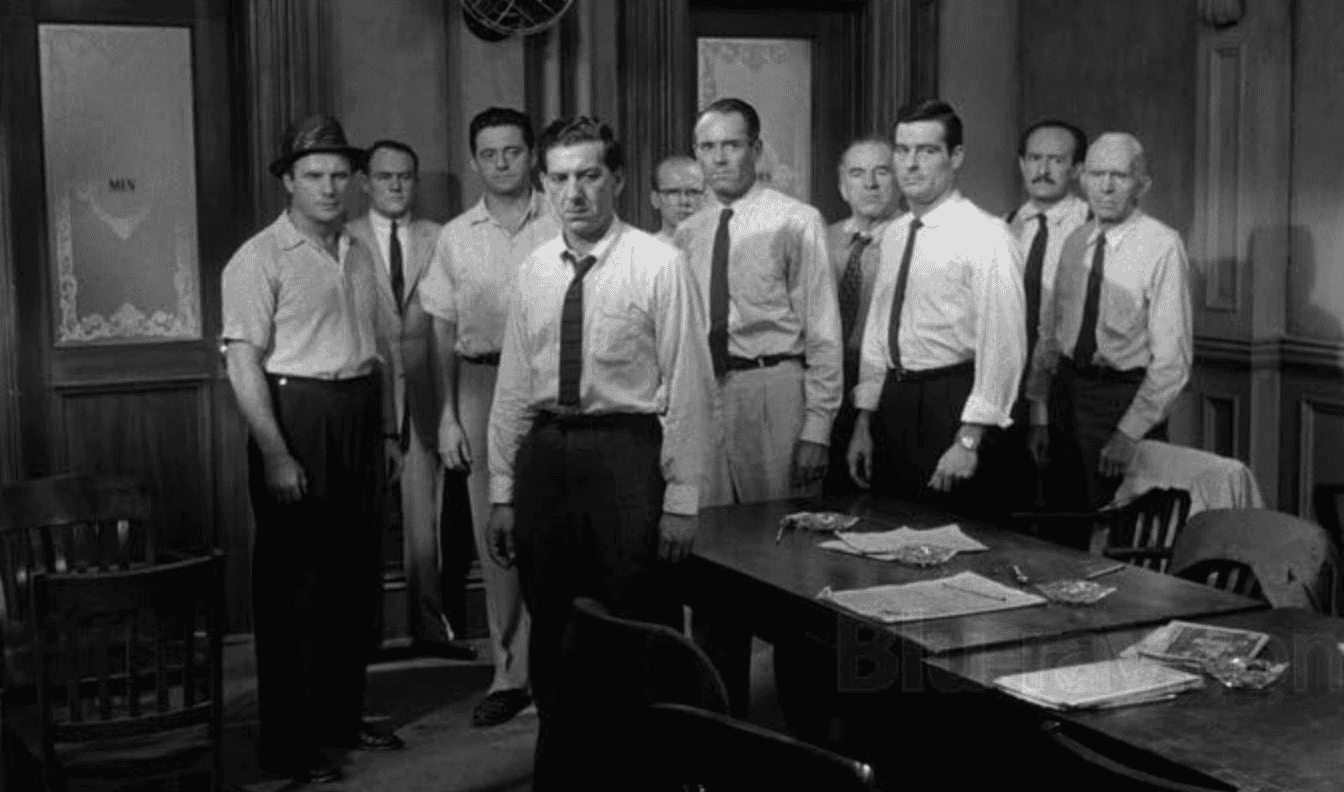
12 Angry Men – Sidney Lumet (1957)
Sidney Lumet went on to make a laundry list of great films, but something about "12 Angry Men" makes it stand above the rest. It's as if Lumet's artistic eye was distilled perfectly in this film, providing compelling drama and tension with nothing more than 12 men arguing in a room.
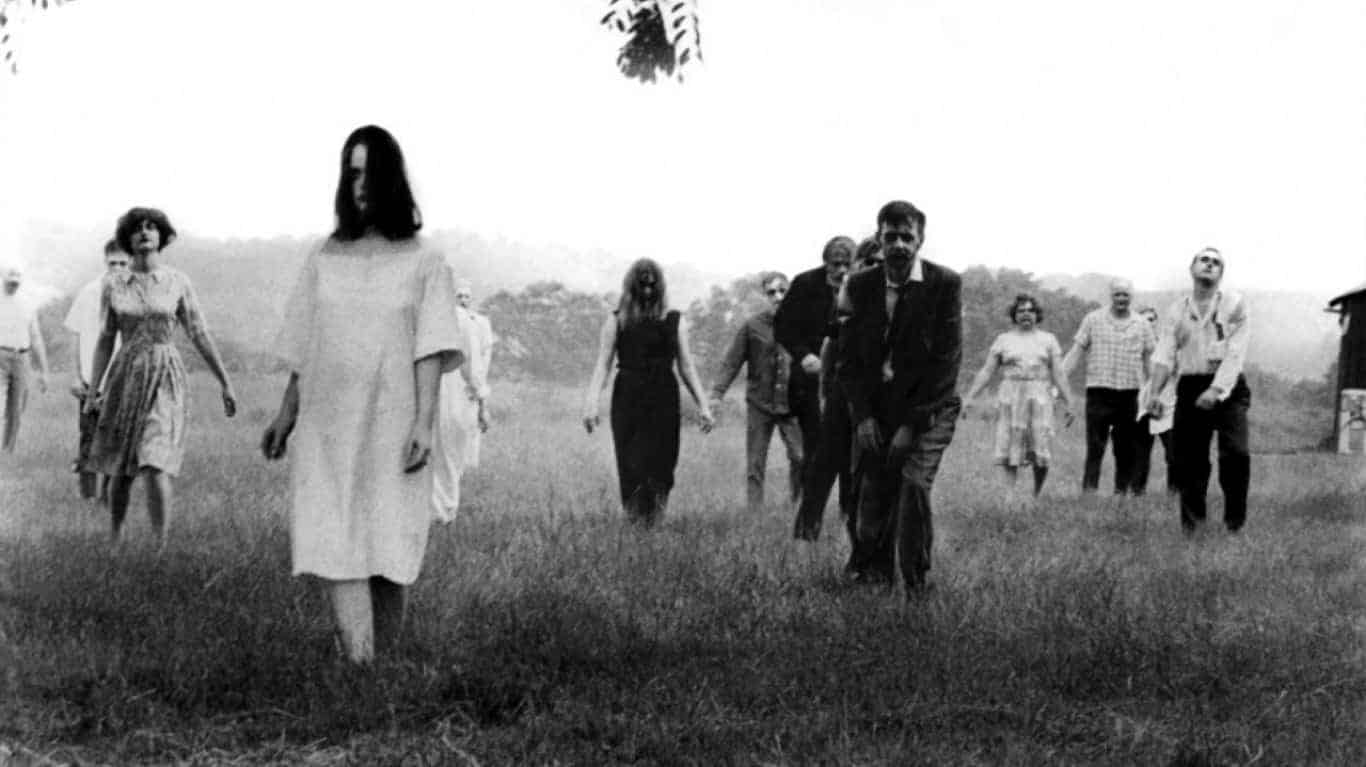
Night of the Living Dead – George A. Romero (1968)
One of the first real horror films, "Night of the Living Dead," introduces a nightmare beyond comprehension. Its amateur look makes its zombie apocalypse atmosphere seem even more plausible. Romero followed up with several films of the same ilk, but none provided unadorned terror quite like his first movie.
Ordinary People – Robert Redford (1980)
First known as an actor, Robert Redford hit it out of the park with his directorial debut "Ordinary People." It rises above its well-to-do suburban setting by emphasizing a preternatural emotional intelligence. It also won four Academy Awards in 1981, beating Martin Scorsese's "Raging Bull" for Best Picture.
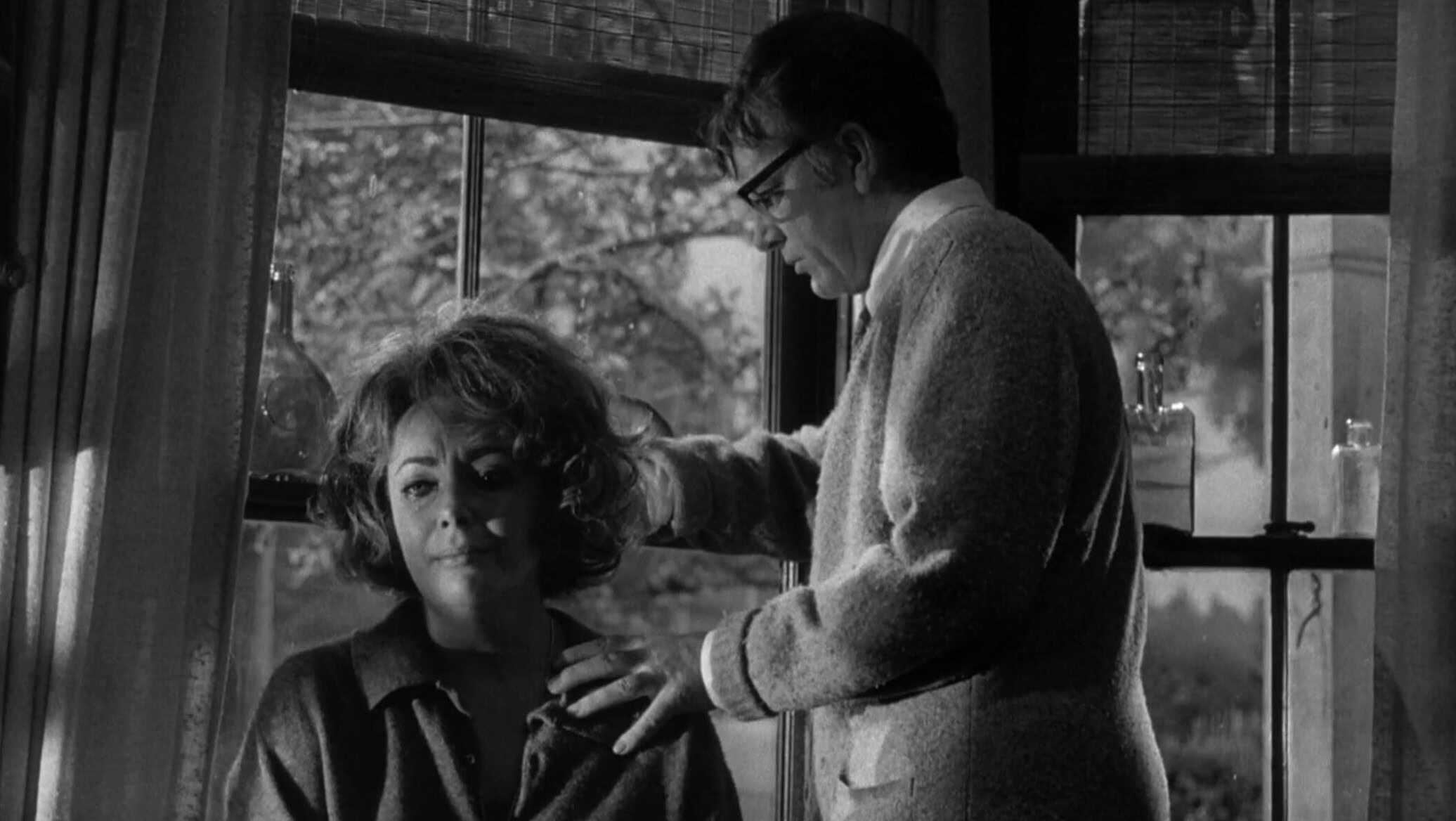
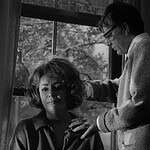
Who's Afraid of Virginia Woolf? – Mike Nichols (1966)
Mike Nichols' first film managed to provide the story with silver screen presence without diminishing its raw, beating heart. He also expertly directed stellar performances from several top actors, including Elizabeth Taylor and Richard Burton.
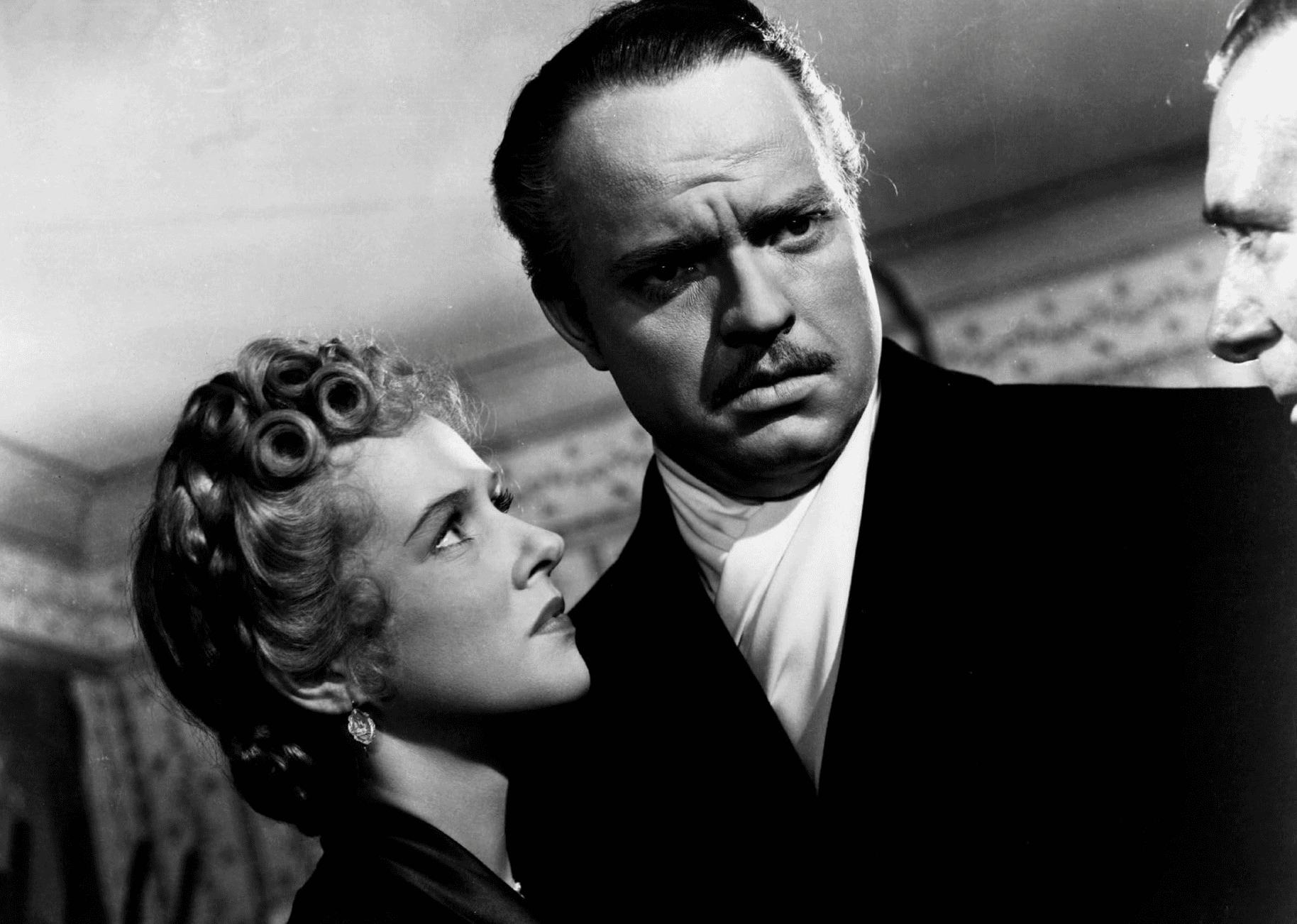
Citizen Kane – Orson Welles (1941)
Both a blessing and a curse, Orson Welles' directorial debut is now considered by many to be the greatest film ever made. He made several more classic movies, but "Citizen Kane" is arguably a flawless film from beginning to end.
The Maltese Falcon – John Huston (1941)
Thought it was a remake of a film by the same name from a decade previous, John Huston's 1941 directorial debut "The Maltese Falcon," easily outshines the original adaptation. It's a taut psychological thriller that's beautifully shot and masterfully directed.
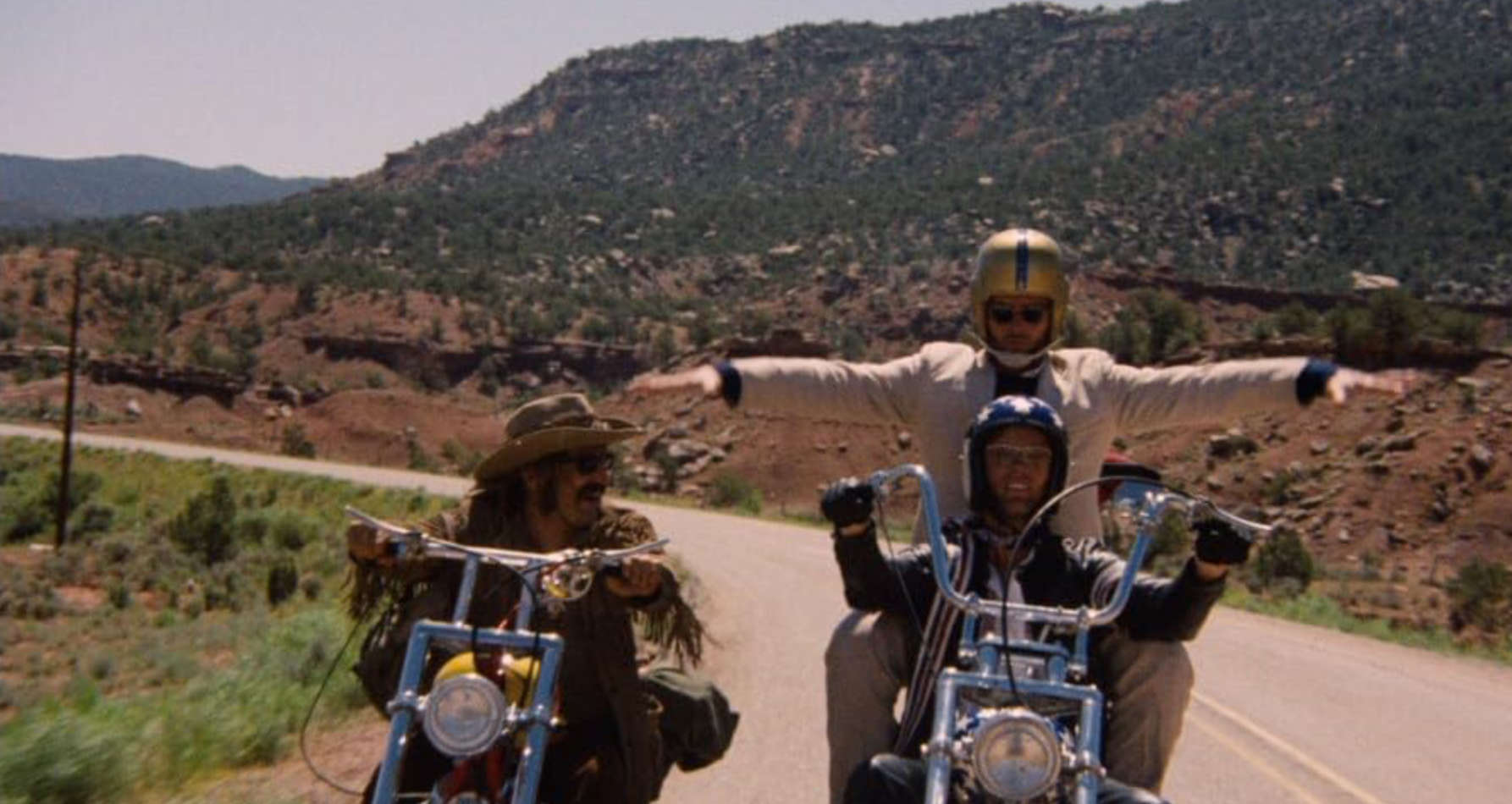
Easy Rider – Dennis Hopper (1969)
Award-winning actor and '60s iconoclast Dennis Hopper didn't make many films, but he didn't need to. His directorial debut, "Easy Rider," effortlessly captured the quintessentially American outlaw spirit. It's funny, dark, and finds a raw balance between the era's hope and hopelessness.
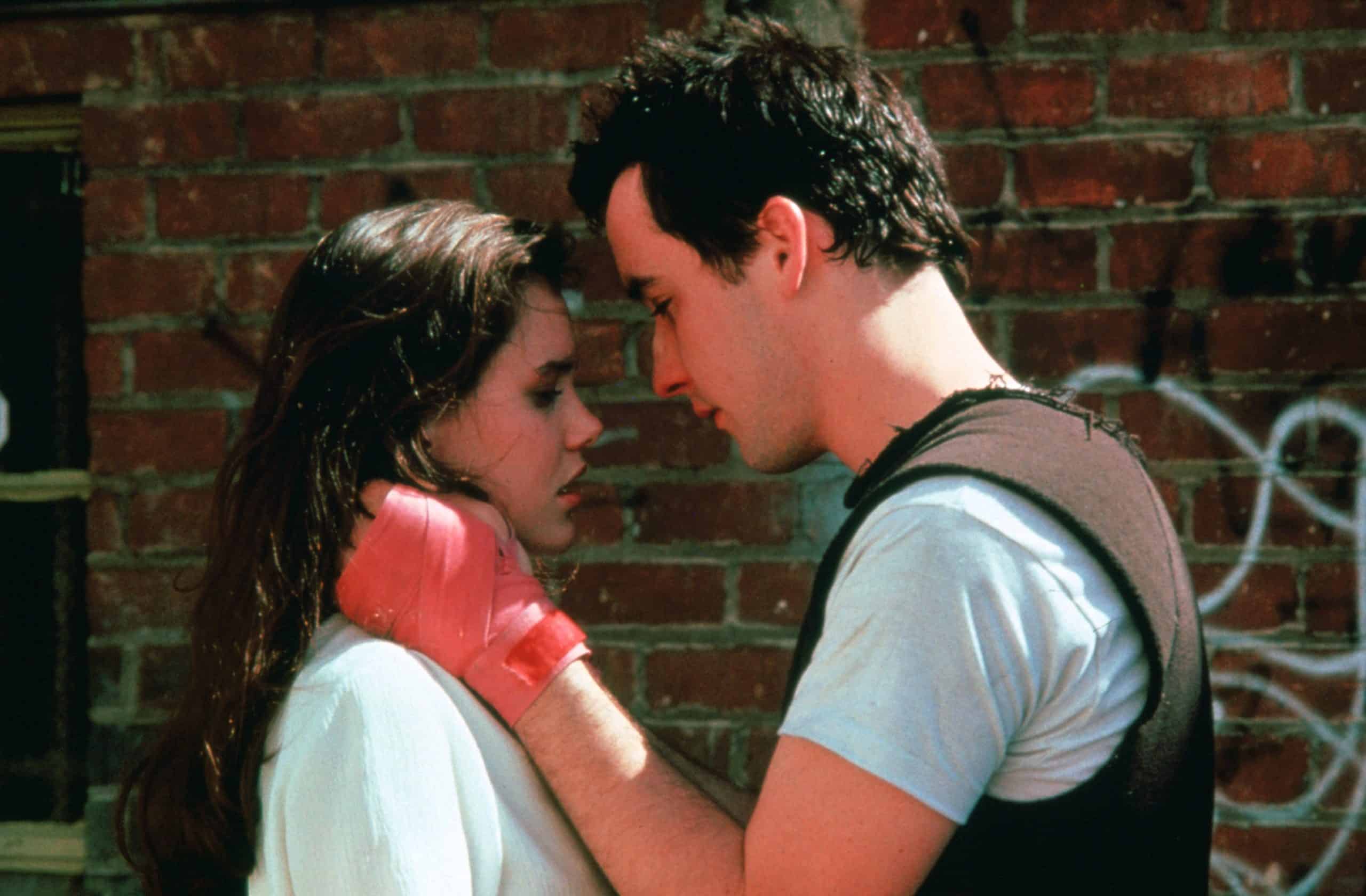
Say Anything… – Cameron Crowe (1989)
It's hard to deny that Cameron Crowe has made some great films. However, there's something about his debut "Say Anything…" that rises to the top of his filmography. It captures young love so sweetly and with such expertise that it still hits even after multiple rewatches.
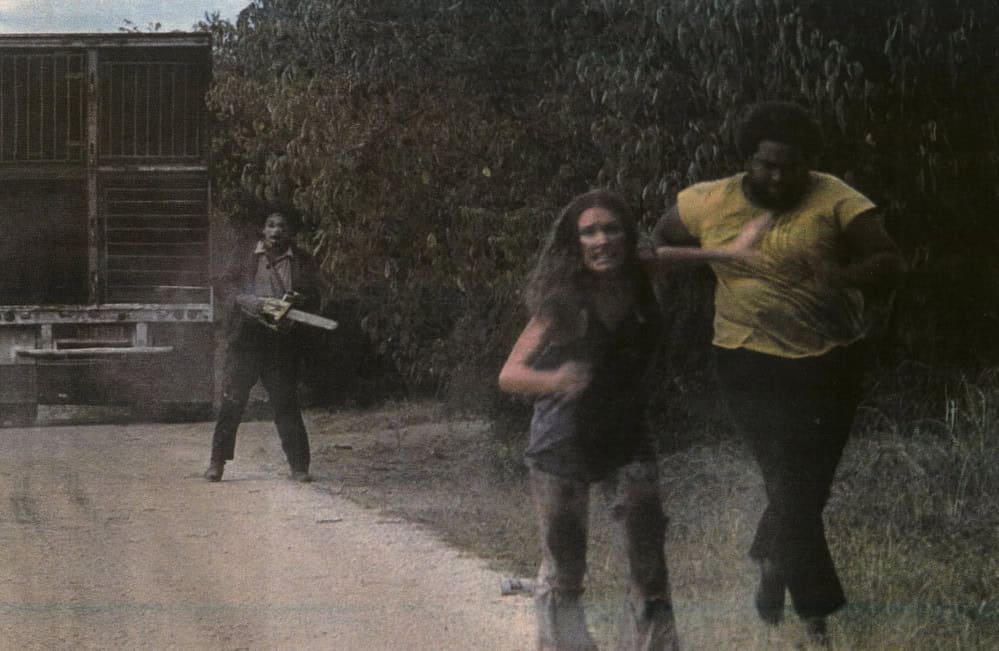
The Texas Chainsaw Massacre – Tobe Hooper (1974)
Though it was made on a shoestring budget with local Austin, Texas actors, "The Texas Chainsaw Massacre" shocked the world. No film terrified audiences like this one, and Tobe Hooper struggled to make a follow-up that matched his debut's sense of dread, carnage, and chaos.
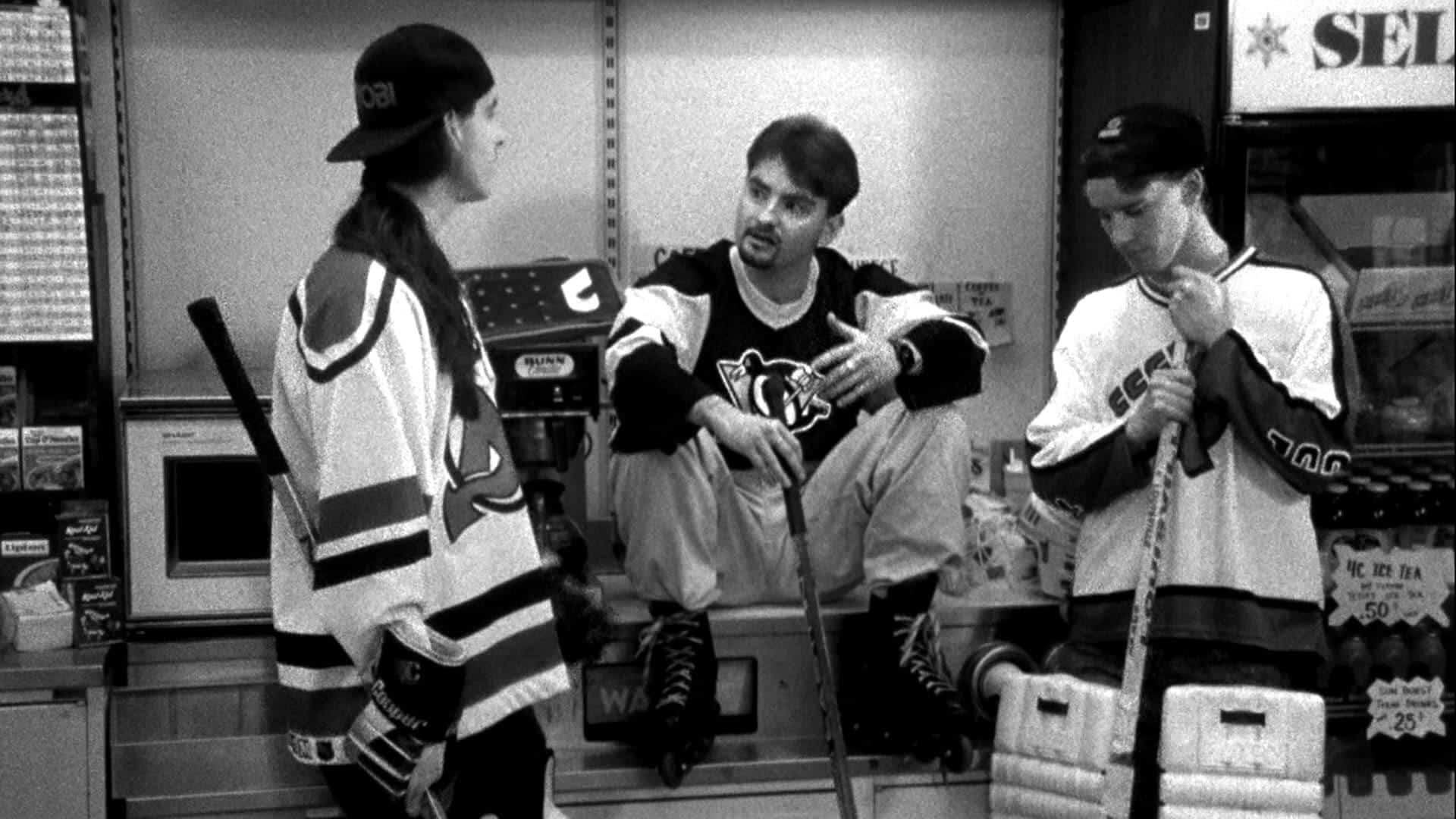
Clerks – Kevin Smith (1994)
Kevin Smith made his name with his directorial debut "Clerks" for good reason. It's like the slacker's bible, full of clever dialogue and lacquered with a pervading sense of suburban boredom. Smith attempted to outdo his first film, but none of his follow-up efforts came close to capturing that raw, authentic spirit.
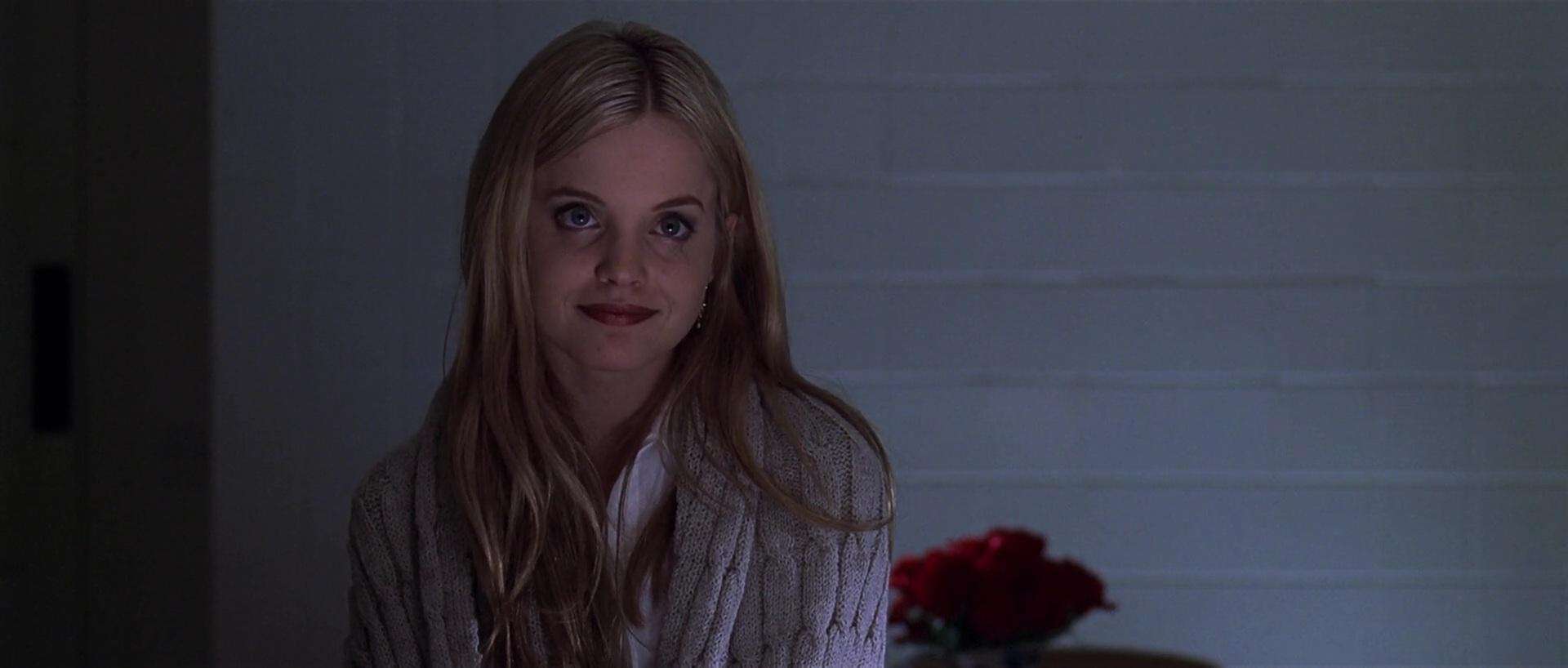
American Beauty – Sam Mendes (1999)
There's something about Sam Mendes' first film, "American Beauty," that sticks with you. Besides being a high watermark of late 90s cinema, it provides a provocative look at suburban life. The film also features some great performances, couched in a poisonous wit that remains quotable decades after its release.
Boyz n the Hood – John Singleton (1991)
John Singleton truly reached for the stars with his first film, "Boyz n the Hood." Almost like a Charles Dickens novel in scope and scale, the film provides a refreshing but heartbreaking look at life in poverty. It's dark, tragic, and deeply devastating. Singleton has made other good films, but none come close to "Boyz n the Hood."
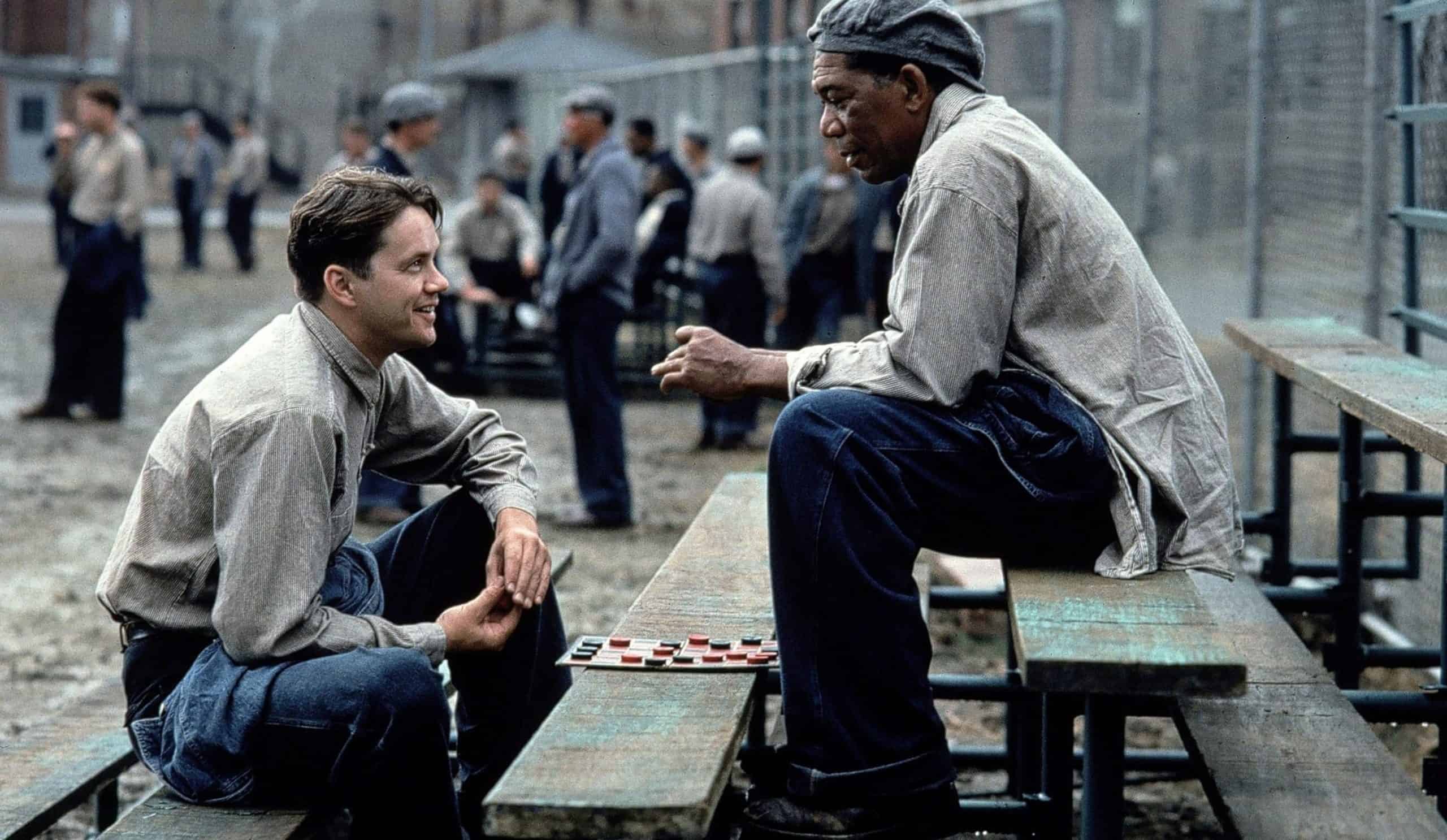
The Shawshank Redemption – Frank Darabont (1994)
Frank Darabont struggled to find the acclaim for his later films that he did with "The Shawshank Redemption." It's a beautiful, tragic, and deeply moving look at life behind bars and people's efforts to taste freedom once more.
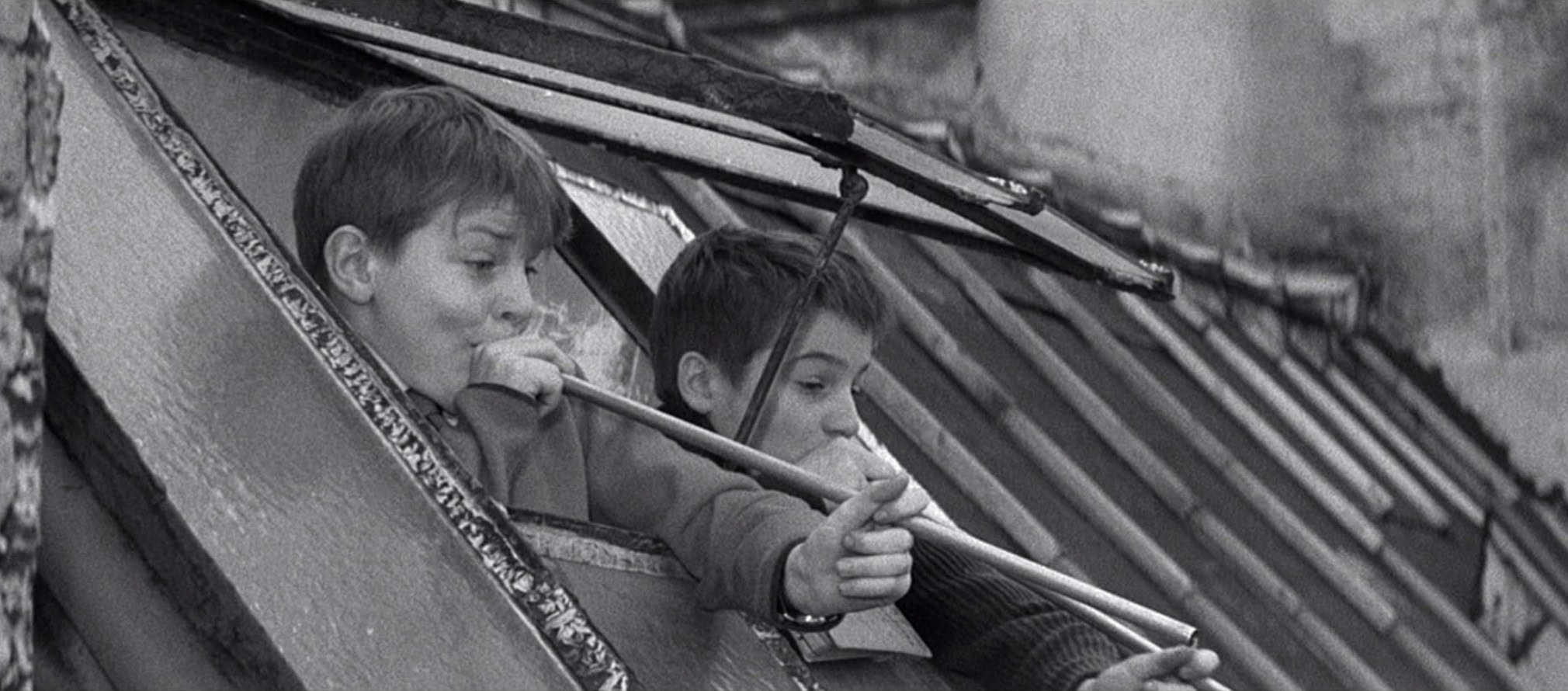
The 400 Blows – François Truffaut (1959)
François Truffaut is best known for playing the precocious French scientist in "Close Encounters of the Third Kind." But he's also one of history's best directors, with his debut film "The 400 Blows" embodying a sublime sense of youthful exuberance and heartbreak.
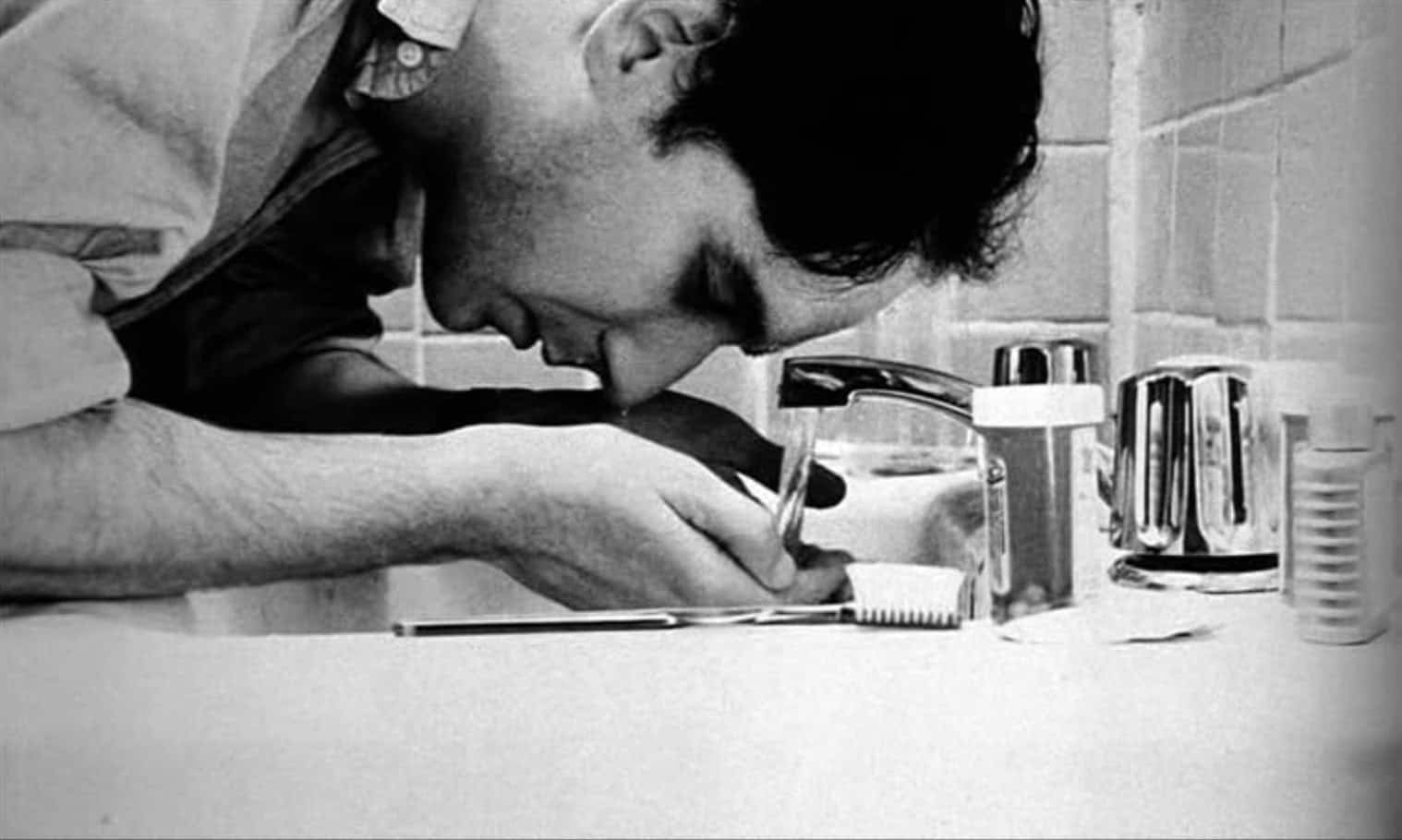
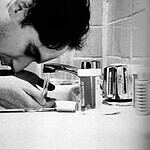
Pi – Darren Aronofsky (1998)
Darren Aronofsky went on to have a storied career, but his first film, the black-and-white, amateur-looking "Pi," might be his best. It captures an acute sense of divinity, paranoia, and yearning that his later films touch upon but fail to master.
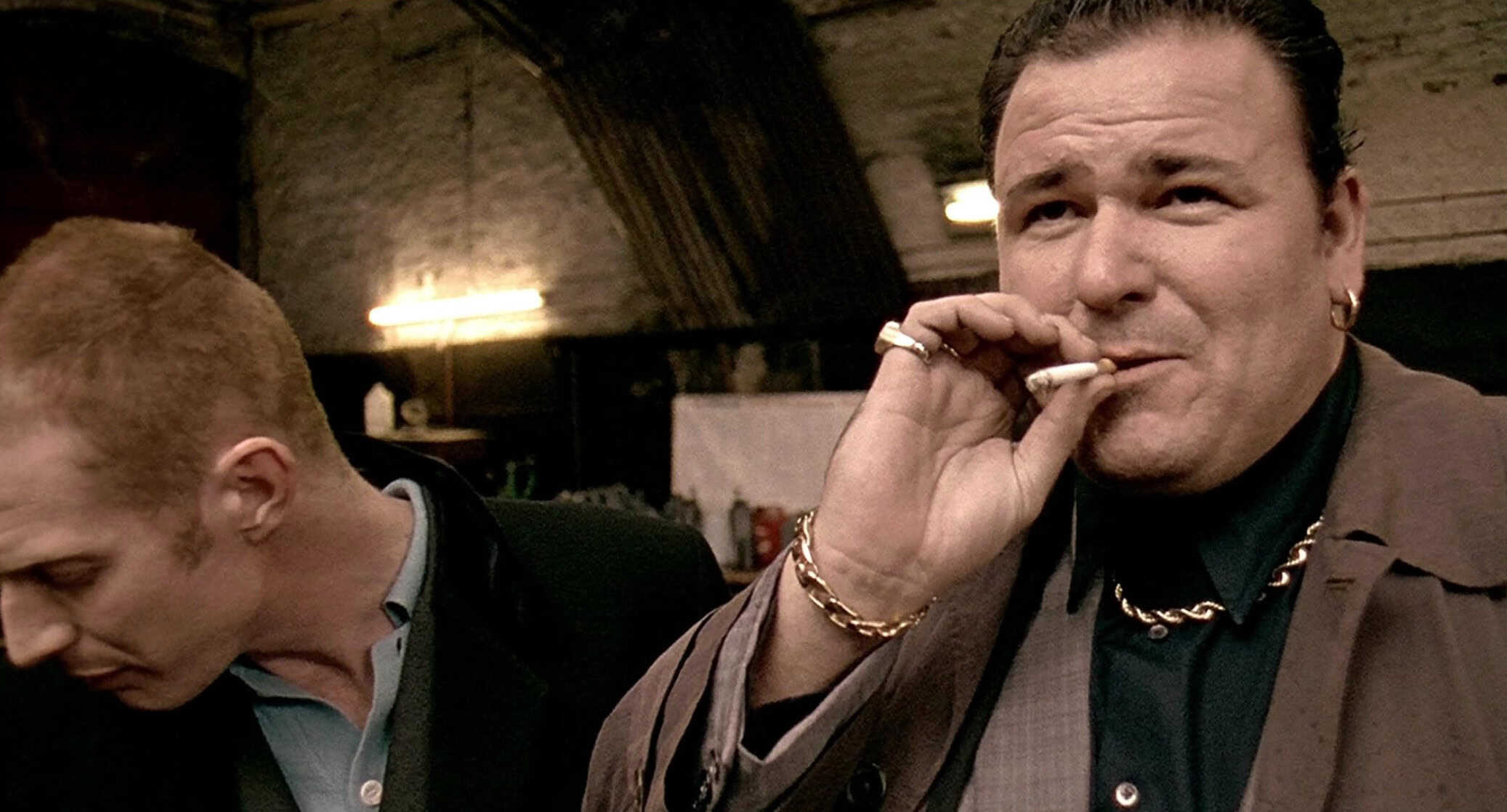
Lock, Stock and Two Smoking Barrels – Guy Ritchie (1998)
This film has it all: clever dialogue, criminal dealings, and absurd narrative arcs. It seems like Guy Ritchie has been trying to recapture that freshman magic with every film he's made since. "Snatch" might be a fun follow-up, but it feels like an aping of his first and best film.
The Evil Dead – Sam Raimi (1981)
Sam Raimi went on to make increasingly commercial films, but none of them capture that perfect mix of gruesome terror and absurd humor like his first, "The Evil Dead." It embraced its B-movie appeal and spawned a sea of imitations.
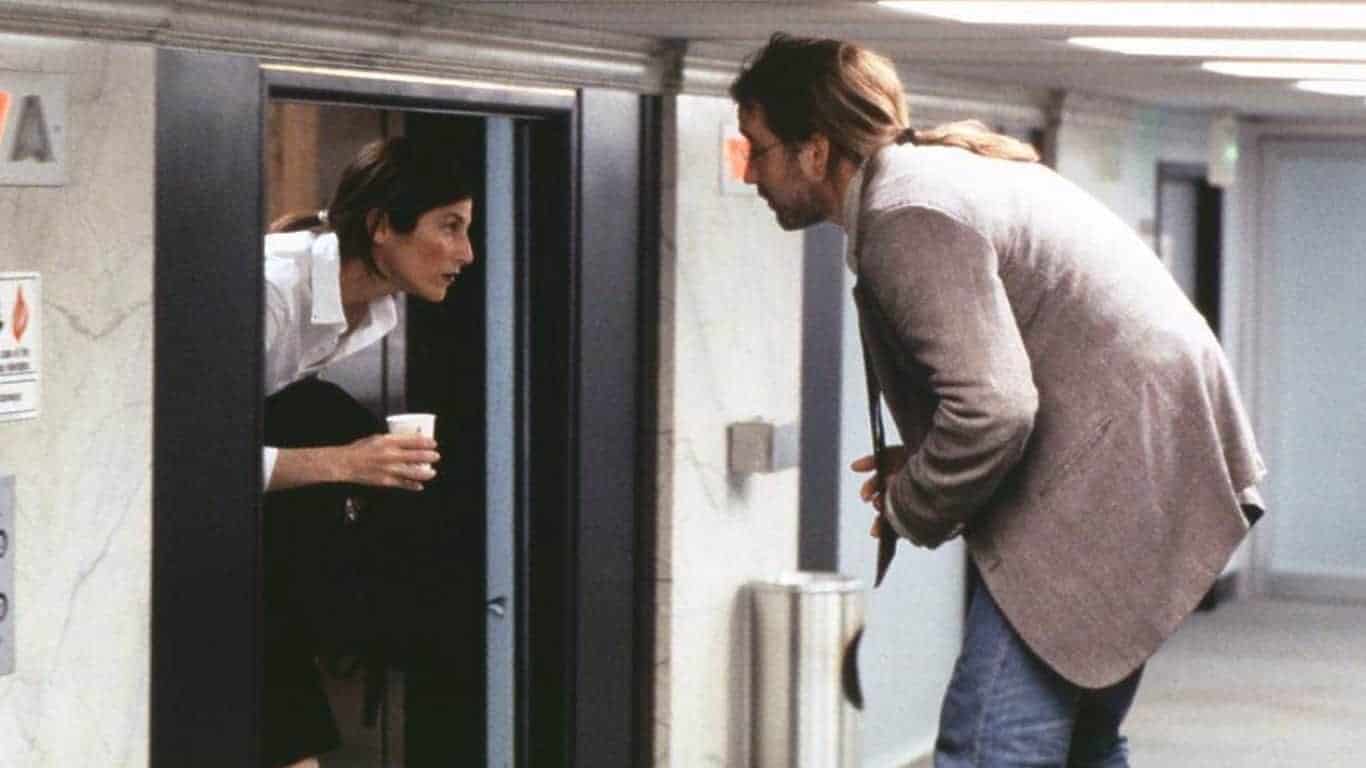
Being John Malkovich – Spike Jonze (1999)
Spike Jonze made his name directing skateboarding films and music videos. He built his reputation, however, with "Being John Malkovich." There are so many clever and inventive ideas packed in it that it feels like 15 movies in one. Plus, it's got a killer ending.
The Lives of Others – Florian Henckel von Donnersmarck (2006)
Instead, it hones in quietly on the terror, exploring secrets, desires, and fears that come from living in a surveillance state.
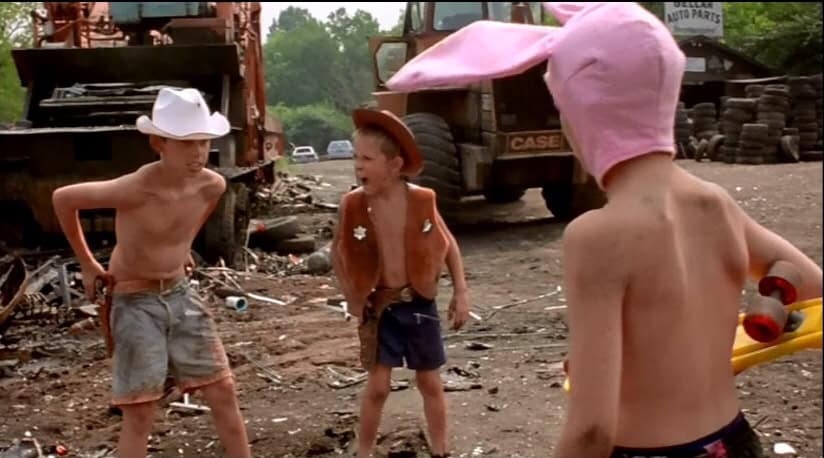
Gummo – Harmony Korine (1997)
Harmony Korine's entire oeuvre explores similar themes, but none of his films captured that palpable mixture of marginalized melancholy and joy like his debut. "Gummo" is a magical, strange, and even disturbing movie.