












17 Mistakes Tourists Make on Alaskan Cruises
Alaska cruises offer a completely different experience from typical tropical getaways, and that's exactly where many travelers get caught off guard. From unpredictable weather to unique excursions and onboard logistics, even seasoned cruisers can make avoidable mistakes when heading to the Last Frontier.
In this slideshow, 24/7 Tempo breaks down the most common Alaska cruise mistakes and how to avoid them. From what to pack to choosing the right cabin and planning excursions, these tips will help you get the most out of your trip and avoid the pitfalls many travelers face.
Did You Actually Pack for Alaskan Weather?
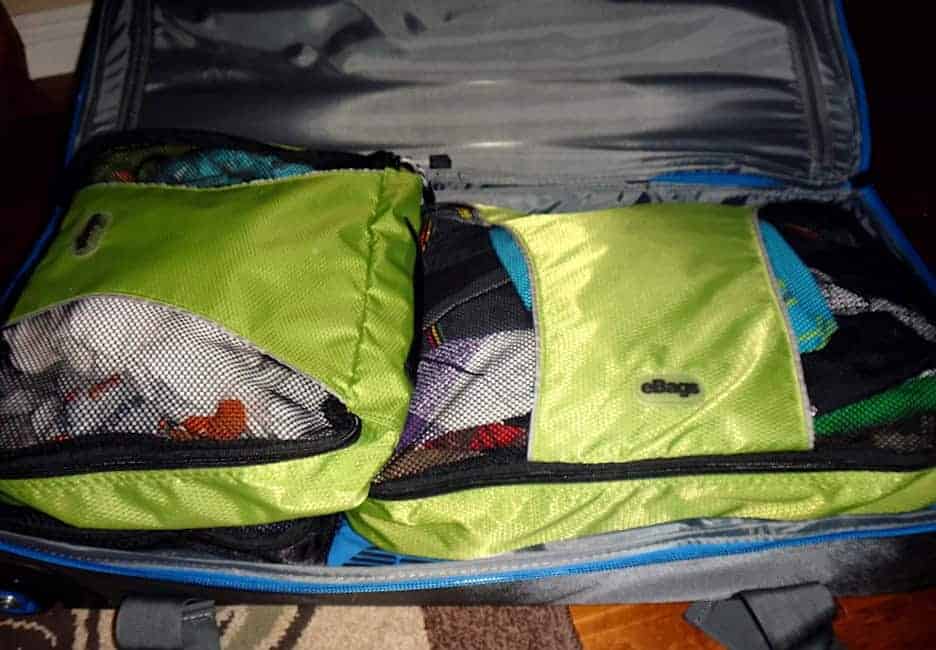
A lot of travelers assume that a summertime Alaskan cruise will feel mild, mild enough that packing typical summer gear will be good enough. In practice, many summer temperatures in Alaska often hover around 50 to 60°F. Rain is also typical, which means venturing on deck can be both slippery and chilly, especially as the evening progresses. Always pack for the potential of Alaska's damp winds and cool mornings, with a few extra layers tucked away, even when they don't feel necessary during summertime anywhere else in the country.
One Bulky Coat Isn't Your Best Bet
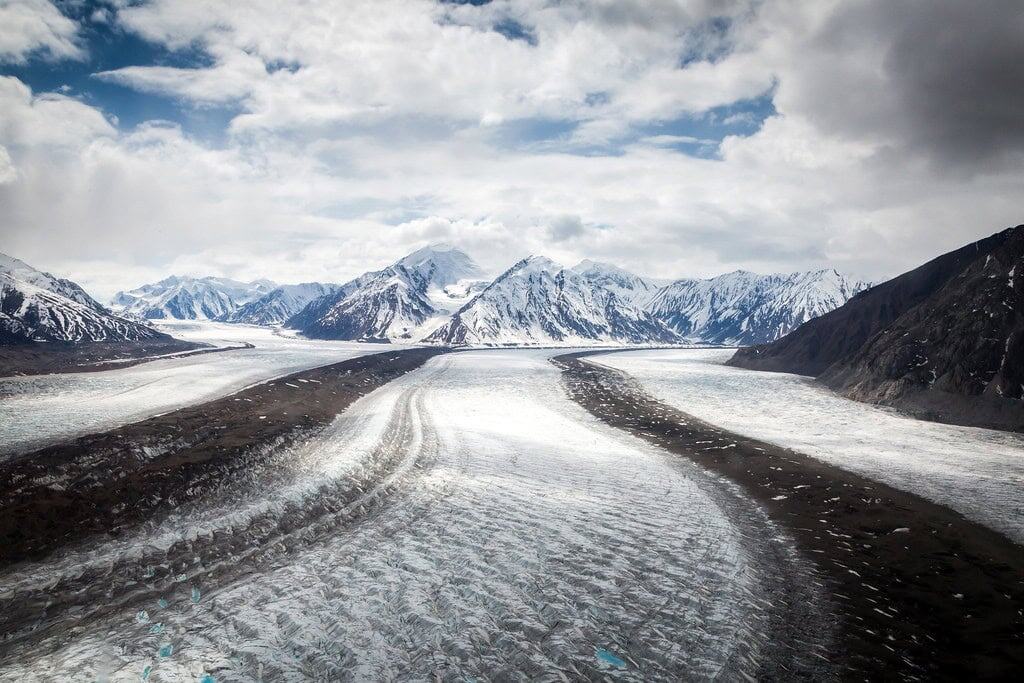
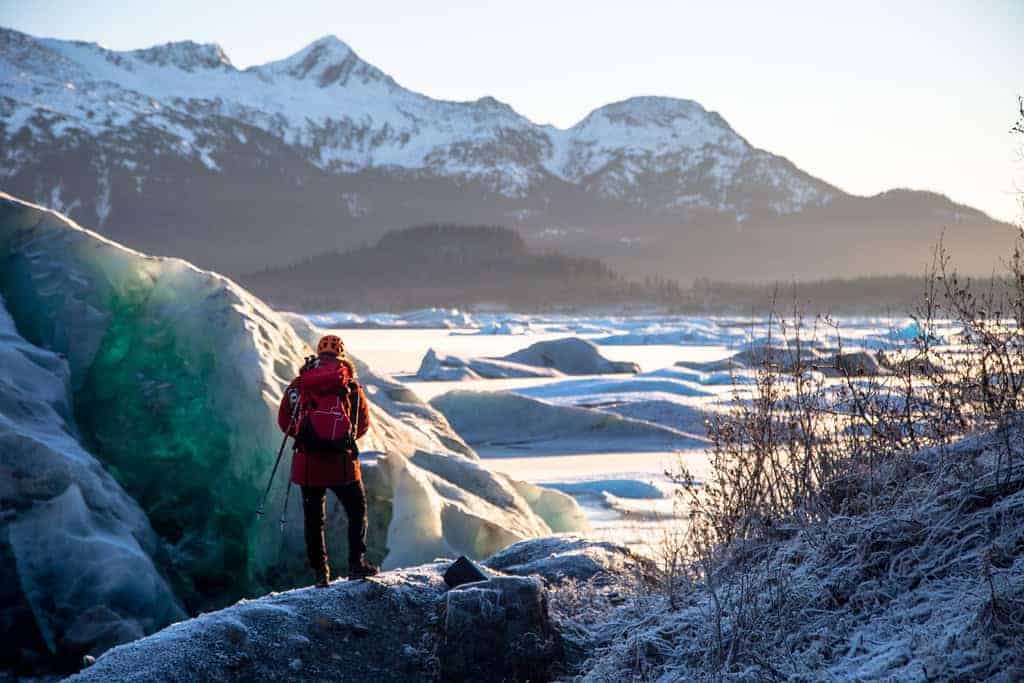
Speaking of layers, cruisers often bring one heavy jacket and think they are covered for Alaska's varying temperatures. However, this region rewards flexibility in clothing options, especially during its shifting summertime weather. Both Princess and Holland America Cruise Lines recommend layers and waterproof outerwear, as conditions both onboard and on shore change at the drop of a hat. Layers are even more vital if you are doing any type of glacier viewing or whale watching, as adding or removing layers will keep you comfortable outdoors for the entirety of your planned day.
Are Your Flights Booked On Your Departure and Arrival Days?
Flying on the same day that your cruise departs or arrives might sound efficient, especially if flights are more reasonably priced on these days. However, it only takes one delay or complication to ruin your chances of reaching your desired destination. Alaska sailings already involve enough moving parts without making flights a part of it, and travelers who cut it too close will begin their trip stressed or potentially missing the ship altogether. Arriving at least a day early is the best way to start your cruise, and booking a return flight a day after you dock will ensure you make it home without paying for a missed flight fee.
A Yukon Excursion Requires a Passport
It's important to keep in mind that not every Skagway excursion stays entirely on the U.S. side, and you'll need to bring your passport along on any excursion that wanders into Canada. Tourists who assume all train rides connected to their cruise itinerary are the same can lose out on an excursion they were excited about and thought they were ready for. No matter what, if the excursion's route crosses into Canada, you must bring your passport… no exceptions.
Don't Wait to Book Your Excursions
While we're on the topic of excursions and exciting cruise offerings off-board, Alaska's most popular shore experiences should not be booked at the last minute. Sightseeing, glacier viewings, limited-capacity wildlife trips, and small-group adventures won't likely be available if you wait too long, especially during peak summer cruise offerings. Most cruise lines even note that space can be limited and encourage their guests to book early; it's a wonder that guests still don't follow this advice. If there is one activity you would be genuinely disappointed to miss, book it as soon as your sailing opens that window and never wait.
Don't Assume Ports Are Quick and Easy
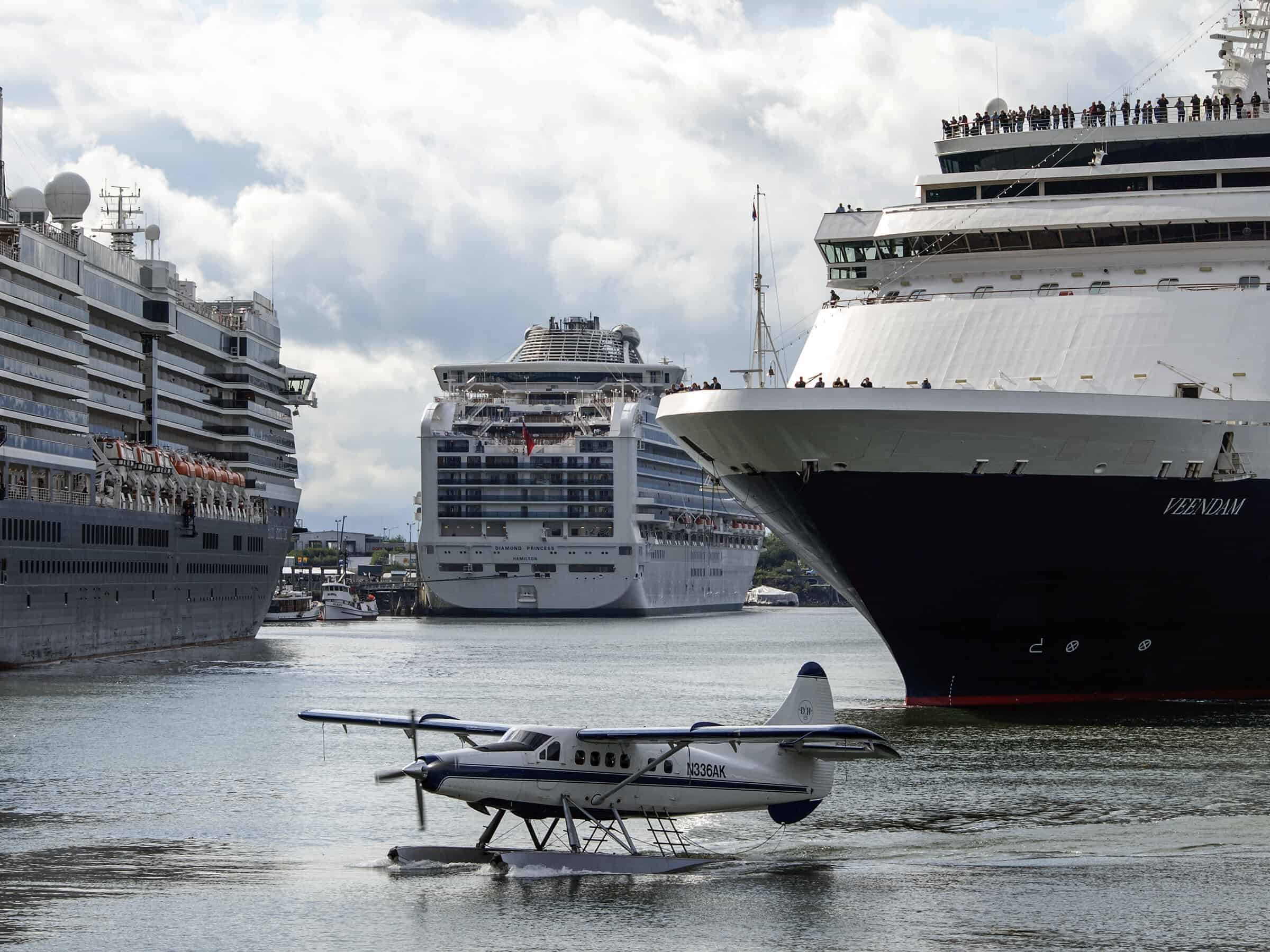
A common first-time cruiser mistake is assuming every major Alaska attraction waits for you, right beside the ship, with no additional travel time necessary. However, that is not always how these ports work, especially when we take a closer look at Juneau: the popular Mendenhall Glacier shuttle has at least a 30-minute ride from the cruise terminal, with longer waits likely if the port is busy. Pickup spots are often farther apart than travelers expect, and it's never worth it to miss your limited options of travel, whether it be to your excursion or back aboard your ship. Before you sail, look at each port and build your schedule accordingly, with ample time between activities and locations.
You're Going to Need Practical, Comfortable Shoes
Bringing your not-yet broken-in shoes on an Alaskan cruise may not be the best idea when all you're walking over is wet gangways, puddled sidewalks, uneven paths, and slippery excursion stops. Travelers need comfortable, practical shoes in Alaska because the weather can change quickly; it's the same reason you need adequate layers. While waterproof walking shoes or boots are not glamorous, they are one of the smartest things you can bring, so make sure you have them.
So Much Daylight Isn't Always a Good Thing
Long summer days in Alaska can feel exciting at first, until the endless daylight tricks tourists into overbooking themselves. How much daylight some areas get depends on how far north you go, but first-time travelers often underestimate how tired they are becoming, the sunlight a constant guide. Always incorporate downtime, as often as you can, so that your body can adjust to the wild daylight hours of Alaska.
Always Plan for Seasickness
If you're someone who never gets carsick, it's easy to assume a cruise ship will not bother you, either. However, is seasickness really worth being wrong about if it means you're sick in your cabin for most of the trip? There are plenty of medications you can pack with you on your cruise, and you should definitely bring something for seasickness if you've never done a cruise before, just in case.
The Best Scenery Is Found Beyond Your Cabin Window
Some travelers wind up watching Alaska from their cabin bed, missing out entirely on any wildlife sightseeing moments or landmarks easily viewed from different angles. Alaska's wild environment itself is the attraction, so always spend time outside of your cabin, unless you aren't feeling well. Otherwise, you're likely to miss announcements, including ranger commentary, and much better sightlines compared to the narrow view seen from your cabin window.
Cruise Fares Aren't the Only Price You'll Pay
If you wound up with a good deal on an Alaska cruise, that's great; however, it won't be the end of your spending. All cruises have the potential to add up fast once you opt for excursions, transportation in port, gratuities, drinks, specialty dining, Wi-Fi, and pre-cruise hotel costs. A realistic budget, one that will keep these surprises in check, should include the experiences you truly want and can afford. You may also want to budget for a single night of specialty dining toward the end of your trip, just in case the all-inclusive food options start to feel too boring.
Alaska's Weather May Decide Your Trip For You
It's important to understand that Alaska can't be a precision-timed city vacation, as the weather typically has other ideas in mind. Rain, wind, fog, and a myriad of operational changes can affect small tender boats, flightseeing excursions, hiking conditions, and even how appealing a given port day feels. This is just another reason to leave some open space and time in your schedule instead of overbooking your trip and winding up disappointed. Alaska rewards people who can maintain their flexibility, even in the face of inclement weather and reschedules.
Always Watch the Ship Time, Not What's On Your Phone
Missing your boat is one of the most foolish and expensive mistakes a cruiser can make, but it's more likely than you think. This particular mistake often starts and ends with time, as our cell phones often switch based on time zones or a lack of cell signal. Excursions always operate on local time, and tourists can get overly confident because they think they know what hour it is. Always remember that the only clock that matters is the ship's clock, so be sure to check the daily schedule and confirm any time shown onboard so that you don't miss a thing.
Don't Assume Alaska's Wildlife Will Get Close
Alaskan cruisers arrive in this state dreaming of seeing whales, bears, eagles, and sea otters, but it's foolish to assume a sighting is guaranteed. Alaska does frequently deliver incredible wildlife sightings, but many of them are better with binoculars, or at the very least, realistic expectations. If you want memorable wildlife viewings while on an Alaska cruise, bring the tools that help you appreciate their distance, as the chances of any of these animals being close are rare.
Souvenirs Shouldn't Be Your Priority On Shore
Port souvenirs are one thing to consider while visiting Alaska, but you shouldn't sacrifice experiencing this region in exchange for some cheap trinkets. There's so much history, Indigenous culture, gold-rush stories, fishing economies, and national-park context that can deepen your overall experience. Skagway alone has rich historical layers tied to the Klondike era, and a museum, ranger talk, local walking tour, or cultural stop can give you some true perspective on this region, a perspective that might just make your entire trip.
Cabin Upgrades May Be Worth It
While it shouldn't be where you spend all of your time, an Alaska cruise is an ideal cruise to consider upgrading your cabin. Travelers, especially first-timers, often book the cheapest room available without thinking about how they want to experience Alaska specifically. On a scenery-heavy sailing, which is what Alaska cruises are known for, your cabin choice may affect how easily it is for you to see the beauty that this region has to offer. If you know you love quiet viewing time, an Alaska cruise is one of the few itineraries where a balcony cabin upgrade can feel well worth it, but it's all about what travel habits you have and how you'd prefer to spend your money.
Skipping Insurance? You're Potentially Taking a Risk
Because much of an Alaska cruise trip is in the United States, many travelers assume their normal insurance coverage is enough, without ever looking closely at interruption insurance or evacuation coverage. That can be shortsighted for an itinerary involving multiple factors, including flights, ships, remote ports, and weather-sensitive plans. It's vital to fully understand your travel medical and medical evacuation coverage, especially if, heaven forbid, an emergency occurs. Insurance is not mandatory to board a cruise, but having a plan in case of a medical or travel issue is key. At a minimum, understand your cancellation protections before you board, and ensure you're prepared for whatever may happen during your trip.