
Courtesy of Warner Bros.
Gage Skidmore / BY-SA 2.0

Edward Scissorhands Tour / BY 2.0

Gage Skidmore / BY-SA 2.0

nick step / BY 2.0

Gage Skidmore / BY-SA 2.0
DoD News Features / BY 2.0

Gage Skidmore / BY-SA 2.0

Georges Biard / BY-SA 3.0

Gage Skidmore / BY-SA 2.0

Intemporelle | Erin Lassahn Photography / BY-SA 2.0








10 Stars Who Remind Us Even Screen Heroes Are Human
It is easy to blur the line between an actor and the character they play, especially when that character spends a movie saving the world, fighting injustice, or doing the right thing when it matters most.
Real people don't get scripts, though. They make questionable comments, lose their tempers, struggle with addiction, break rules, apologize, recover, and sometimes make choices they probably wish they could take back.
That doesn't automatically make them villains, just as playing a superhero doesn't make someone a saint. These 10 stars behind memorable movie and TV heroes are reminders that the people underneath the costumes are considerably more complicated than the characters on the screen.
Superman: Henry Cavill
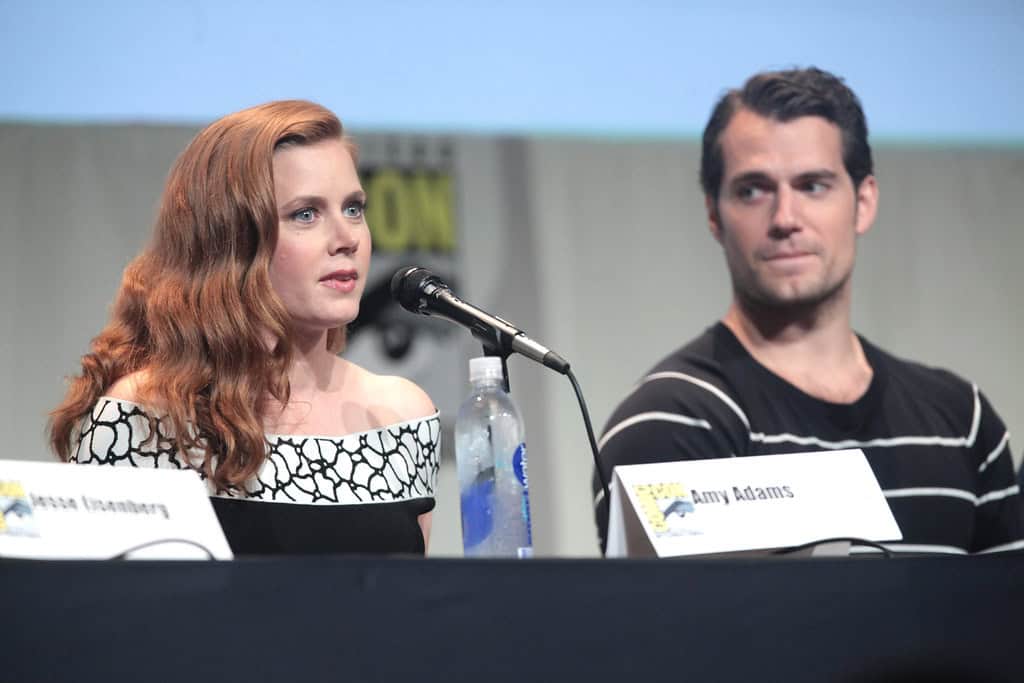
Superman is supposed to represent the best of us, which means the actor wearing the cape is inevitably held to a pretty ridiculous standard. Henry Cavill learned that firsthand in 2018 after comments he made about dating and the #MeToo movement drew widespread criticism. Cavill said he worried that traditional pursuit or flirting could be misinterpreted, including an awkward remark about being called a rapist. The backlash came quickly. To his credit, Cavill apologized, said insensitivity was not his intention, and described the experience as a lesson about how he expressed himself. It was less a supervillain origin story than a very public example of saying something poorly and having to own it.
Captain Jack Sparrow: Johnny Depp
Captain Jack Sparrow was never exactly Captain America, but audiences still spent years rooting for Johnny Depp's chaotic pirate. Depp's real life became considerably messier during his highly publicized legal battles with ex-wife Amber Heard. In 2020, Depp lost a British libel case against a newspaper that had accused him of abusing Heard, with the judge finding the publication had substantially proven its allegation. A 2022 Virginia defamation trial produced a different result: the jury found Heard liable for defaming Depp in three statements, while also finding Depp liable for one defamatory statement made by his attorney. The two later settled their appeals. Whatever side people took, the saga was far more complicated than the hero-versus-villain version often presented online.
Xena: Lucy Lawless
Xena spent her television life fighting for redemption and standing up for people she believed needed protecting. Lucy Lawless also proved willing to break a rule for something she believed in. In 2012, Lawless and other Greenpeace activists climbed onto a Shell-chartered drilling ship in New Zealand and occupied its drilling tower for several days as part of a protest against Arctic oil exploration. Lawless later pleaded guilty to trespassing and was sentenced to 120 hours of community service. Calling that evidence of an unheroic real-life personality misses most of the story. It was deliberate civil disobedience, and Lawless accepted the legal consequences that came with it.
The Flash: Ezra Miller
The Flash can outrun almost anything, but Ezra Miller spent part of the early 2020s dealing with a series of very public legal problems. Miller was arrested twice in Hawaii in 2022 amid reports of disruptive behavior. A separate Vermont case ended in January 2023 when Miller pleaded guilty to misdemeanor unlawful trespass as part of an agreement in which more serious charges, including burglary, were dropped. Miller received a suspended sentence, a fine, and probation. The situation is a better example of why separating an actor from a superhero matters: playing someone who consistently makes the right decision doesn't mean the person underneath the costume always will.
The Punisher: Jon Bernthal
Jon Bernthal may actually be one of the best examples of the more human angle here. Long before becoming Marvel's Punisher, Bernthal has said he regularly got into fights and had several encounters with police. In 2009, he punched a man during an altercation in Venice, California, knocking him unconscious and leaving Bernthal fearing that he could face a lengthy prison sentence if the man died. The man recovered, and the case ultimately became a misdemeanor. Bernthal has described that night as a turning point. Years later, he speaks much more about family, accountability, and teaching his children that kindness is not weakness. His story isn't really about hypocrisy. It is about someone realizing he needed to change.
Mutt Williams: Shia LaBeouf
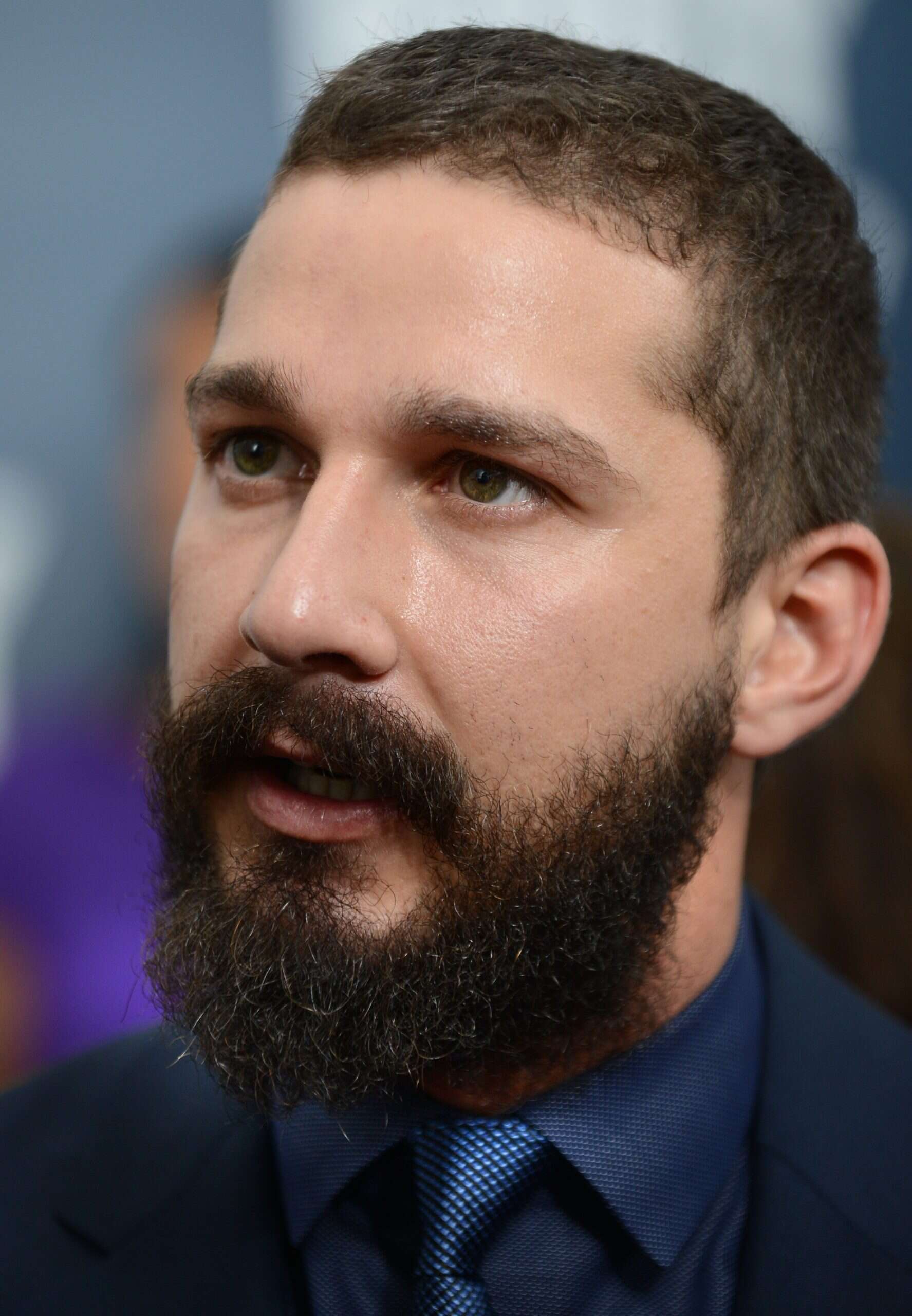
First, one correction from the original version: Shia LaBeouf did not play Indiana Jones. He played Indy's son, Mutt Williams, in Indiana Jones and the Kingdom of the Crystal Skull. LaBeouf's off-screen troubles have also continued well beyond the incidents covered in the older article. In June 2026, he pleaded guilty to three counts of simple battery after punching people outside a New Orleans bar during Mardi Gras. He received a suspended jail sentence, two years of probation, and was ordered to attend alcohol treatment. Separately, a civil abuse lawsuit filed by former partner FKA Twigs was settled privately in 2025. LaBeouf has publicly acknowledged a broader history of hurting people close to him while disputing specific allegations made in that lawsuit.
Iron Man: Robert Downey Jr.
Robert Downey Jr.'s history makes the old “real-life villain” framing especially unfair because his story is largely about recovery. During the 1990s, Downey struggled severely with drug addiction and repeatedly ran into legal trouble. A 1996 arrest led to drug and weapons charges, and repeated probation violations eventually resulted in a three-year prison sentence in 1999. He was released the following year and later completed court-ordered treatment. His career recovery became almost as famous as the collapse that preceded it. By the time he became Tony Stark, Downey's own history with addiction, failure, consequences, and rebuilding arguably made him unusually well suited to play a deeply flawed man trying to become something better.
Batman: Val Kilmer
Val Kilmer's single turn as Batman came in 1995's Batman Forever, and stories about the production helped cement his reputation as an unusually intense actor who could be difficult to work with. Director Joel Schumacher famously described Kilmer in less-than-flattering terms, and Kilmer's clashes with filmmakers followed him through parts of his career. That reputation became more nuanced with time, especially as Kilmer discussed his life and work in his memoir and documentary. Kilmer died in April 2025 at age 65. Looking back, “difficult” probably describes only one part of a complicated and intensely committed performer, not some real-world opposite of Batman.
Katniss Everdeen: Jennifer Lawrence
Jennifer Lawrence found herself in a much smaller controversy in 2016 after retelling a story from filming The Hunger Games: Catching Fire in Hawaii. Lawrence joked about rubbing against rocks that she understood were considered sacred, and the way she told the story drew criticism for being dismissive of Hawaiian culture. She responded by saying she had meant the story as self-deprecating rather than disrespectful and apologized to anyone she offended. Compared with Katniss Everdeen leading a revolution, this was obviously not a world-shaking scandal. It was the much more ordinary experience of making a joke, realizing it landed badly, and apologizing.
Daredevil: Ben Affleck
Ben Affleck has been unusually open about one of the more serious struggles in his personal life: alcohol addiction. He has entered treatment multiple times and has spoken publicly about recovery rather than treating it as something shameful. Affleck also apologized in 2017 after former MTV host Hilarie Burton said he had touched her inappropriately years earlier. Affleck later said he did not remember the incident but did not believe Burton was lying and accepted that he needed to be more mindful of his behavior. Neither story makes for a neat hero-or-villain label. They are examples of addiction, accountability, and the uncomfortable reality that growth usually requires admitting you haven't always handled things well.