IMDB

David Livingston / Getty Images Entertainment via Getty Images

Evan Agostini / Getty Images Entertainment via Getty Images

Courtesy of Twentieth Century Fox

Patrick Riviere / Hulton Archive via Getty Images

Archive Photos / Archive Photos via Getty Images
Gage Skidmore / BY-SA 2.0

Matt Winkelmeyer / Getty Images Entertainment via Getty Images

Christopher Polk / Getty Images Entertainment via Getty Images

Photo by Kevin Winter/Getty Images

Kevin Winter / Getty Images Entertainment via Getty Images

Courtesy of Twentieth Century Fox

oneras / Flickr

Hulton Archive / Moviepix via Getty Images

Moritz Barcelona / Wikimedia Commons

Evan Agostini / Getty Images Entertainment via Getty Images

Frazer Harrison / Getty Images Entertainment via Getty Images

Alberto E. Rodriguez / Getty Images Entertainment via Getty Images

Jamie McCarthy / Getty Images Entertainment via Getty Images

Theo Wargo / Getty Images Entertainment via Getty Images

Vittorio Zunino Celotto / Getty Images Entertainment via Getty Images

Norman Potter / Hulton Archive via Getty Images

Vinnie Zuffante / Archive Photos via Getty Images

Courtesy of Twentieth Century Fox

Photo by Ian Gavan/Getty Images

Hulton Archive / Moviepix via Getty Images

Sean Gardner / Getty Images Sport via Getty Images

Ifirsten / Wikimedia Commons

Giulio Marcocchi / Getty Images Entertainment via Getty Images

Courtesy of CBS

Rich Polk / Getty Images Entertainment via Getty Images

Vinnie Zuffante / Archive Photos via Getty Images

Archive Photos / Moviepix via Getty Images

Gaye Gerard / Getty Images Entertainment via Getty Images

Alberto E. Rodriguez / Getty Images Entertainment via Getty Images

Keystone Features / Hulton Archive via Getty Images

Momodu Mansaray / Getty Images Entertainment via Getty Images

Alberto E. Rodriguez / Getty Images Entertainment via Getty Images

Alberto E. Rodriguez / Getty Images Entertainment via Getty Images

Thos Robinson / Getty Images Entertainment via Getty Images

Charley Gallay / Getty Images Entertainment via Getty Images

Pablo Cuadra / Getty Images Entertainment via Getty Images

Photo by Gonzalo Marroquin/Getty Images for Haute Living

Alberto E. Rodriguez / Getty Images Entertainment via Getty Images

Michael Ochs Archives / Moviepix via Getty Images

Phillip Faraone / Getty Images Entertainment via Getty Images
IMDB
IMDB






47 Directors Whose Movies Critics and Audiences Can't Agree On
Movie critics and moviegoers are supposed to be judging the same film, but sometimes you would never know it from the scores. A movie can be ripped apart by professional reviewers and still become a fan favorite, while another can earn glowing reviews only to leave regular viewers wondering what all the fuss was about.
Some directors seem to inspire that split more often than others. Their movies may be broad comedies, cult horror films, faith-based dramas, action spectacles, romances, or simply the kind of entertainment that connects with its intended audience far more strongly than it connects with critics.
The original version of this list identified directors with multiple films showing a gap of at least 25 percentage points between Rotten Tomatoes critic and audience scores. Rotten Tomatoes has since changed how it presents audience ratings, including the introduction of its Popcornmeter and verified ratings for eligible theatrical releases, so the old career averages are no longer treated here as a current ranking. Instead, these are 47 directors whose movies have repeatedly left critics and audiences on very different pages.
Paul W.S. Anderson
Paul W.S. Anderson has built a career making the sort of action, science-fiction, and video-game movies that often connect much better with their target audience than with professional reviewers. Resident Evil, Event Horizon, and Soldier have all produced sizable critic-audience disagreements. Event Horizon is especially interesting because its reputation grew substantially after its theatrical run, turning a critically battered 1997 release into a genuine science-fiction horror cult favorite.
Alan Rudolph
Alan Rudolph's movies show that critic-audience disagreement does not always mean viewers are more enthusiastic. The Robert Altman protégé built a career around quirky, character-driven films that critics sometimes embraced more readily than general audiences. Movies including Roadie, Made in Heaven, and Afterglow produced some of the larger divides in his filmography. Rudolph's work can be deliberately offbeat, which may help explain why a movie that fascinates reviewers can leave a broader audience considerably colder.
Bob Clark
Bob Clark's directing career is almost impossible to put in one box. He made the influential horror movie Black Christmas, the raunchy comedy Porky's, and the holiday classic A Christmas Story. He also directed films such as From the Hip, Turk 182!, and It Runs in the Family, where audience enthusiasm and critical reaction separated more sharply. Clark's filmography is a reminder that popular affection can outlive whatever reviewers thought during opening weekend.
Randal Kleiser
Randal Kleiser will always have Grease on his résumé, but some of his other movies have divided critics and viewers much more dramatically. The Blue Lagoon, Grandview, U.S.A., and Lovewrecked are among the films where audience reaction separated sharply from critical reception. Kleiser frequently worked in romance, coming-of-age stories, and broad entertainment, three areas where nostalgia and audience attachment can matter much more than a review written when the movie first opened.
Mel Brooks
Mel Brooks is one of comedy's most celebrated directors, but even his movies have not always landed the same way with critics and audiences. Later films such as Robin Hood: Men in Tights and Dracula: Dead and Loving It were much more warmly embraced by many viewers than by reviewers, while The Twelve Chairs also produced a noticeable split. Comedy may be the most subjective genre of all. If the jokes work for you, a bad review rarely changes much.
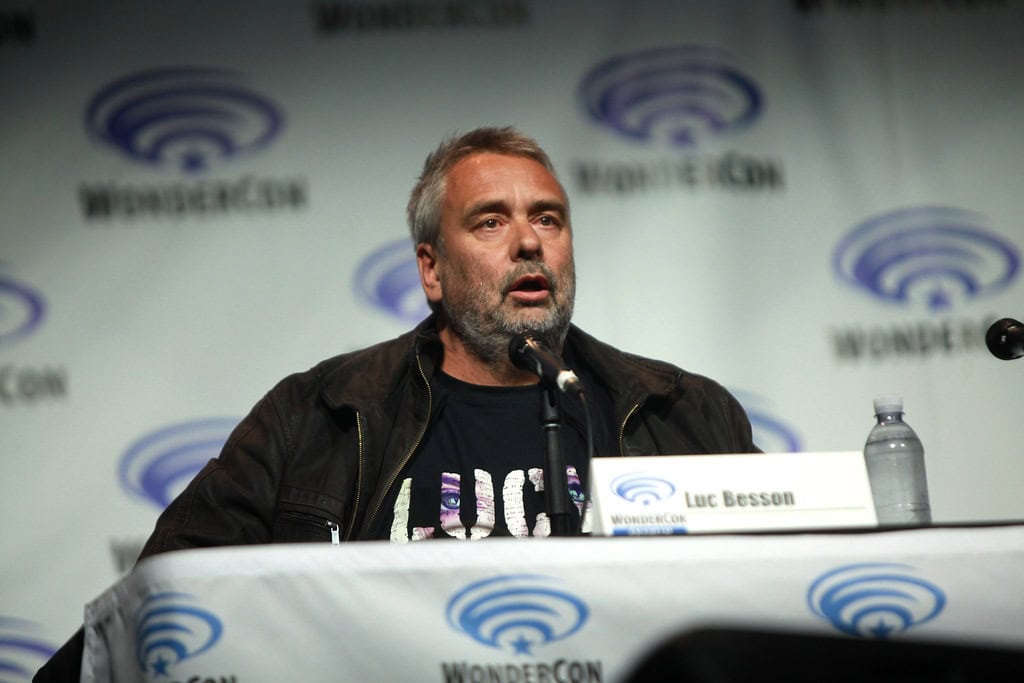
Luc Besson
Luc Besson's glossy, highly stylized movies have repeatedly generated stronger reactions from moviegoers than from reviewers. Anna, Arthur and the Invisibles, and The Big Blue are among the clearest examples in his filmography. Besson rarely makes visually anonymous movies, and that can be part of the divide. Audiences drawn to his particular mix of action, fantasy, romance, and spectacle may forgive flaws that critics consider impossible to overlook.
Adam Shankman
Adam Shankman knows his audience. Romantic dramas and family comedies including A Walk to Remember, Cheaper by the Dozen 2, and The Wedding Planner became much more popular with viewers than their critical reputations might suggest. A Walk to Remember in particular has enjoyed a long life among fans of early-2000s romance. Shankman's movies offer a perfect example of emotional connection beating critical consensus, especially when nostalgia enters the equation.
John Singleton
John Singleton made one of the most acclaimed feature debuts in movie history with Boyz n the Hood, but later projects produced far less agreement. Poetic Justice, Higher Learning, and the Taylor Lautner thriller Abduction all saw critics and audiences react differently. Singleton moved freely between serious social drama and mainstream studio entertainment, so it is not surprising that different parts of his filmography reached different audiences in very different ways.
Daniel Petrie
Daniel Petrie's long career stretched from prestige drama to family entertainment, and critics and audiences were not always looking for the same thing. Resurrection, Six Pack, and Rocket Gibraltar were among the movies that produced some of his widest reception gaps. Petrie's filmography is particularly interesting because the divide did not consistently favor one side. Depending on the film, critics could be more enthusiastic than viewers or audiences could be the ones keeping a movie alive.
Steven Brill
Steven Brill has repeatedly made comedies that reviewers dismissed while audiences found plenty to enjoy. Without a Paddle, Mr. Deeds, and especially the now-beloved Heavyweights all illustrate the divide. Heavyweights may be the perfect example. What looked like another middling family comedy in 1995 developed a much stronger reputation with the generation that grew up watching it. Sometimes a movie's real review arrives years later on someone's couch.
Kevin Reynolds
Kevin Reynolds has spent much of his career making large-scale adventures and historical dramas, and those are not always easy films to build a consensus around. The Beast of War, Rapa Nui, and Tristan + Isolde all produced sizable gaps between audience and critic reaction. Reynolds also directed Robin Hood: Prince of Thieves and Waterworld, two movies whose public reputations have shifted considerably since their original releases.
Frank Coraci
Frank Coraci's collaborations with Adam Sandler practically guarantee that critics and audiences will not always agree. The Waterboy, Blended, and The Ridiculous 6 all attracted substantially warmer responses from portions of the audience than from critics. Coraci also directed The Wedding Singer, one of Sandler's more critically successful films. His career shows how strongly familiarity with a comedian or cast can shape the way viewers experience a movie.
Christopher Cain
Christopher Cain directed everything from teen drama to westerns, and several of those movies connected far more strongly with viewers than reviewers. Young Guns, Pure Country, and That Was Then... This Is Now are among his largest critic-audience splits. Young Guns became especially durable, helping turn its young cast into icons of late-1980s Hollywood and earning a sequel despite receiving a decidedly mixed critical reception.
Charles Band
Charles Band has spent decades working in low-budget horror, fantasy, and exploitation cinema, where traditional critical approval is almost beside the point. Movies such as Blood Dolls, Evil Bong, and Head of the Family were made for an extremely specific audience, and that audience has often been much more forgiving than critics. Band's Full Moon brand practically runs on cult appeal, bizarre premises, and the idea that a movie can be entertaining without ever pretending to be prestigious.
Les Mayfield
Les Mayfield's filmography contains several movies that audiences remember much more fondly than the reviews would suggest. Encino Man, American Outlaws, and Code Name: The Cleaner all produced notable gaps. Encino Man is the standout, becoming a defining early-1990s comedy for plenty of viewers despite a chilly critical reception. Brendan Fraser and Pauly Shore apparently had more staying power than the reviews predicted.
Robert Luketic
Robert Luketic's movies live in genres where audiences often care more about chemistry and rewatchability than reviewers do. The Ugly Truth, Monster-in-Law, and Killers all created large critic-audience divides. Luketic also made Legally Blonde, which managed to win over both camps and has only grown in stature since 2001. The rest of his résumé shows how difficult it can be for romantic comedies to earn the same affection from critics that they receive from fans.
Randall Miller
Randall Miller's directing credits include comedies and dramas that often landed differently depending on who was watching. Class Act, Houseguest, and Marilyn Hotchkiss' Ballroom Dancing & Charm School were among the strongest examples in the original data. Films built around a specific comic personality or sentimental tone can produce especially large gaps because the audience arrives already knowing what it wants, while critics are judging the movie on a broader set of standards.
Deon Taylor
Deon Taylor has carved out a lane in thrillers, horror, and genre movies that frequently play better with audiences than with critics. Meet the Blacks, Fatale, and Supremacy all helped put him on this list. Taylor's films tend to move quickly and lean heavily into familiar genre pleasures. That approach may frustrate a reviewer looking for originality, but viewers who bought a ticket for suspense, twists, or dark comedy may get exactly what they came for.
Andy Fickman
Andy Fickman has spent much of his career in family comedy, which is almost built to create a critic-audience split. The Game Plan, Parental Guidance, and Playing with Fire were all considerably more popular with viewers than with reviewers. None was trying to reinvent cinema. They were trying to entertain families for a couple of hours, and their audience scores suggest plenty of people thought they did exactly that.
Abel Ferrara
Abel Ferrara lands here for almost the opposite reason as many mainstream comedy directors. His dark, uncompromising movies have often drawn more enthusiasm from critics and cult-film circles than from general audiences. The Driller Killer, The Blackout, and Body Snatchers are among the films where reaction separated sharply. Ferrara has never seemed particularly interested in making comfortable movies, so a divided response may be closer to the point than a problem.
Michael Winner
Michael Winner made tough, often violent thrillers that rarely inspired quiet reactions. Death Wish 3, Chato's Land, and Hannibal Brooks all generated substantial gaps between critics and audiences. Death Wish 3 is perhaps the clearest example of a film becoming beloved for many of the same excessive qualities critics attacked. Sometimes subtlety is not what the audience ordered.
Howard Deutch
Howard Deutch directed the John Hughes favorite Pretty in Pink, but several of his later comedies created much larger disagreements. Grumpier Old Men, The Whole Ten Yards, and My Best Friend's Girl all produced notable gaps between audience and critic reaction. Grumpier Old Men benefited from the chemistry of Jack Lemmon and Walter Matthau, which may explain why fans were considerably happier simply spending more time with the characters.
Joseph Ruben
Joseph Ruben's thrillers have not always generated the same verdict from audiences and critics. Sleeping with the Enemy, True Believer, and The Ottoman Lieutenant are among the strongest examples. Sleeping with the Enemy became a major box-office hit and remains one of Julia Roberts' best-known early thrillers even though critical enthusiasm was much more restrained. Suspense clearly worked better on ticket buyers than it did on every reviewer.
Andy Tennant
Andy Tennant has directed some enormously rewatchable romances, even when critics were not particularly impressed. Sweet Home Alabama, It Takes Two, and The Secret: Dare to Dream all produced large gaps. Tennant also directed Ever After and Hitch, movies that earned considerably broader approval. His filmography shows how the same crowd-pleasing instincts can sometimes unite critics and audiences and sometimes split them completely.
Hal Needham
Hal Needham was a legendary stuntman before becoming a director, and his movies often cared more about speed, crashes, jokes, and sheer fun than critical respectability. Rad, The Villain, and Cannonball Run II generated some of his biggest splits. Rad is especially notable because it developed a passionate cult following decades after critics largely brushed it aside. A BMX movie did not need an Oscar campaign. It needed kids willing to wear out the VHS tape.
Jay Chandrasekhar
Jay Chandrasekhar may be one of the least surprising names here. Broken Lizard comedies were never designed to please everybody. Super Troopers, Beerfest, and Puddle Cruiser all found significantly more enthusiasm from fans than from critics. Super Troopers became such a cult favorite that fans helped sustain demand for a sequel for years. Critics may have had questions, but audiences kept quoting the movies.
Sam Firstenberg
Sam Firstenberg became one of the defining directors of the Cannon Films era, which tells you quite a bit about why audiences and critics might disagree. Revenge of the Ninja, American Ninja, and Avenging Force were built around action, martial arts, and straightforward genre thrills. Critics rarely treated those movies kindly, but decades of home-video viewing created a devoted fan base. Sometimes a ninja movie simply knows what it is.
Rowdy Herrington
Rowdy Herrington's name is forever attached to Road House, itself a movie whose reputation became far larger than its original reviews. Other films including A Murder of Crows, the 1992 boxing drama Gladiator, and Bobby Jones: Stroke of Genius also produced significant critic-audience gaps. Herrington specialized in straightforward genre filmmaking, the kind viewers can embrace even when reviewers find the formula familiar.
Aaron Norris
Aaron Norris directed his brother Chuck Norris in several action movies, and critical approval was rarely the main attraction. Braddock: Missing in Action III, Hellbound, and Forest Warrior all produced sizable gaps between reviewers and audiences. These were movies selling Chuck Norris doing Chuck Norris things. Anyone buying a ticket already knew exactly what kind of evening they had signed up for.
Ron Howard
Ron Howard has directed enough movies over enough decades that a few major disagreements are almost inevitable. Hillbilly Elegy became one of the clearest examples, receiving a much warmer response from audiences than from most critics. The Missing and Edtv also produced sizable gaps. That sits alongside broadly acclaimed films such as Apollo 13, Frost/Nixon, and the Oscar-winning A Beautiful Mind, making Howard one of the more accomplished directors on this list.
Arthur Hiller
Arthur Hiller's long directing career included everything from Love Story to broad comedy, and plenty of his movies inspired very different reactions depending on who was watching. Penelope, Tobruk, and Author! Author! were among the films with especially large gaps. Hiller often favored accessible, emotional storytelling, which may help explain why viewers occasionally responded more strongly than critics looking for something less conventional.
Richard Fleischer
Richard Fleischer directed movies across an enormous range of genres, from 20,000 Leagues Under the Sea to Soylent Green. That variety also produced some sharp critic-audience disagreements. Between Heaven and Hell, The Spikes Gang, and the 1980 remake of The Jazz Singer were among the biggest. Fleischer's overall critical and audience reception was relatively balanced, but individual movies could produce completely different verdicts.
Bruce Beresford
Bruce Beresford has directed prestige dramas and mainstream thrillers alike, so his audience can change dramatically from one project to the next. Mr. Church, Double Jeopardy, and Paradise Road produced some of the largest divides in his filmography. Mr. Church became an especially strong example of audiences connecting with an emotional story that critics found overly sentimental.
Donald Petrie
Donald Petrie has directed enough romantic comedies to know that critics and fans of the genre do not always want the same movie. How to Lose a Guy in 10 Days, Little Italy, and Opportunity Knocks all created sizable gaps. How to Lose a Guy in 10 Days may be the ultimate example. Whatever reviewers thought in 2003, the movie has become a rom-com staple thanks largely to the chemistry between Kate Hudson and Matthew McConaughey.
Sidney J. Furie
Sidney J. Furie's enormous filmography ranged from acclaimed thrillers to low-budget action sequels, which naturally produced wildly different reactions. The Boys in Company C, The Appaloosa, and Hollow Point were among the movies where critics and audiences separated most dramatically. Furie also directed The Ipcress File, proving that a filmmaker can make a widely respected classic and still spend the rest of a long career generating arguments.
Tim Story
Tim Story has repeatedly delivered commercially friendly movies that audiences enjoy more than critics do. Ride Along, Tom & Jerry, and 2019's Shaft all created substantial gaps. Story's movies often rely on recognizable stars, broad comedy, and familiar franchises. That formula can be easy for critics to dismiss but equally easy for audiences to enjoy on a Friday night.
Brian Robbins
Brian Robbins directed a string of mainstream comedies and teen movies before becoming better known as a media executive. Varsity Blues, Norbit, and A Thousand Words all showed substantial critic-audience divides. Varsity Blues became a genuine teen-movie touchstone despite mixed reviews, while Norbit found a much more forgiving audience than critic pool. Robbins knew how to make movies people talked about, even when reviewers wished they wouldn't.
Roger Kumble
Roger Kumble's directing career began with the deliciously nasty Cruel Intentions and continued through romantic comedies, family movies, and the After franchise. The Sweetest Thing, College Road Trip, and After We Collided all generated large gaps. The last one is especially telling. Fans of the source material knew exactly what they wanted, while critics were judging it as a movie. Those can be two completely different assignments.
Larry Cohen
Larry Cohen made strange movies proudly and often on modest budgets, which eventually earned him a major cult following. The Ambulance, It's Alive III: Island of the Alive, and Full Moon High produced some of his biggest critic-audience gaps. Unlike many directors here, Cohen was sometimes more appreciated by critics than by casual viewers. His wild concepts and satirical streak have also aged surprisingly well, making his movies ripe for reassessment years later.
Joel Schumacher
Few directors had a more eclectic career than Joel Schumacher. He could make The Lost Boys, Falling Down, A Time to Kill, and Batman & Robin and somehow have all of them belong to the same résumé. The Phantom of the Opera, The Number 23, and Dying Young were among the films that divided critics and viewers most sharply. Schumacher's taste for heightened style was never going to inspire universal agreement.
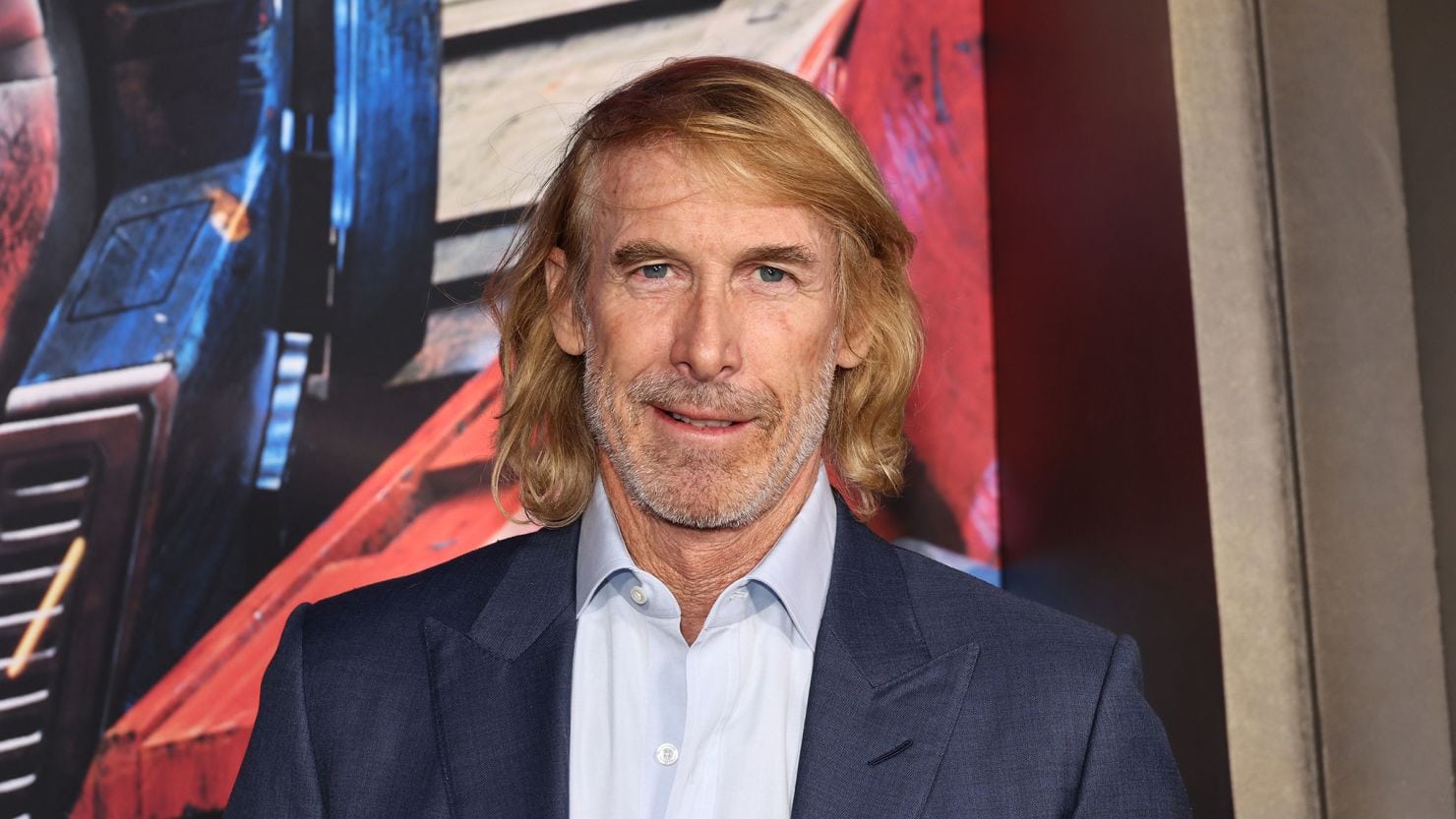
Michael Bay
Michael Bay may be the patron saint of critic-audience disagreement. Bad Boys II, Pearl Harbor, and Transformers: Revenge of the Fallen all drew much stronger reactions from audiences than from critics. Bay's movies are loud, glossy, fast, and unapologetically excessive. That style has been mocked for decades, but it has also helped his films earn billions of dollars worldwide. People may argue about Bay's movies, but ignoring them has never been the problem.
Michael Schultz
Michael Schultz directed a wide range of comedies, musicals, and dramas, often aimed squarely at audiences that critics did not always understand. Which Way Is Up?, Scavenger Hunt, and Disorderlies generated some of the strongest divides in his feature work. Schultz also directed the influential Cooley High and Car Wash, giving him a résumé that extends far beyond the critic-audience splits that put him here.
Garry Marshall
Garry Marshall understood sentimental entertainment better than almost anyone, and audiences frequently rewarded him even when critics did not. Beaches, The Other Sister, and New Year's Eve all produced large gaps. His résumé also includes enduring hits such as Pretty Woman and The Princess Diaries. Marshall's movies could be shamelessly emotional, but millions of viewers would probably argue that was a feature, not a bug.
Dennis Dugan
Dennis Dugan directed many of Adam Sandler's biggest comedies, which practically guaranteed some gigantic critic-audience gaps. Grown Ups, The Benchwarmers, and I Now Pronounce You Chuck & Larry were all considerably better received by viewers than by professional reviewers. Dugan's movies rarely pretended to be sophisticated. They were built around familiar stars, broad jokes, and audiences who already knew exactly what flavor of comedy they wanted.
Tyler Perry
Tyler Perry has spent years making movies for an audience that often responds far more enthusiastically than critics. Madea Goes to Jail, Madea's Family Reunion, Temptation: Confessions of a Marriage Counselor, and Acrimony are among the clearest examples. That pattern has continued into the streaming era. Perry's movies know their audience, and that audience has repeatedly shown that a low critic score is not much of a deterrent.
Alex Kendrick
Alex Kendrick is one of the clearest modern additions to this list. Faith-based films including Facing the Giants, Fireproof, Courageous, War Room, Overcomer, and 2024's The Forge have repeatedly connected much more strongly with their intended audience than with critics. The Forge continued the pattern with an overwhelmingly positive verified audience response. Kendrick has figured out exactly who he is making movies for, and those viewers keep showing up.
Sean McNamara
Sean McNamara has quietly accumulated enough critic-audience disagreements to deserve a spot here. His directing credits include Raise Your Voice, Bratz, Soul Surfer, The Miracle Season, and the 2024 Ronald Reagan biopic Reagan. That last movie produced one of the largest recent gaps on Rotten Tomatoes, with critics overwhelmingly negative and verified audiences overwhelmingly positive. Whatever side of that divide someone lands on, there is no question the two groups saw dramatically different movies.