
- Key Points:
- Multiple actors are remembered for their incredible performances in 1960s movies.
- These actors used their talent, charm, and charisma to portray characters that audiences fell in love with.
- A handful of these names are Doris Day, Gregory Peck, Sidney Poitier, and Audrey Hepburn.
The 1960s were one of the most transformative decades in film, chock full of classics. Many of these movies are still remembered today for their unforgettable performances.
Part of what made them so iconic was the presence of some of Hollywood’s biggest stars. These actors brought charisma, depth, and undeniable star power to the screen.
As filmmaking evolved alongside major cultural and social changes, audiences were introduced to a new generation of talent. From psychological thrillers to sweeping epics and beloved musicals, the decade delivered standout performances across every genre.
Some of these actors were already rising stars when the 1960s began, while others became household names almost overnight.
What they all shared was a powerful on-screen presence and the ability to leave a lasting mark on film history. These are the actors who helped define the 1960s.
Anthony Perkins
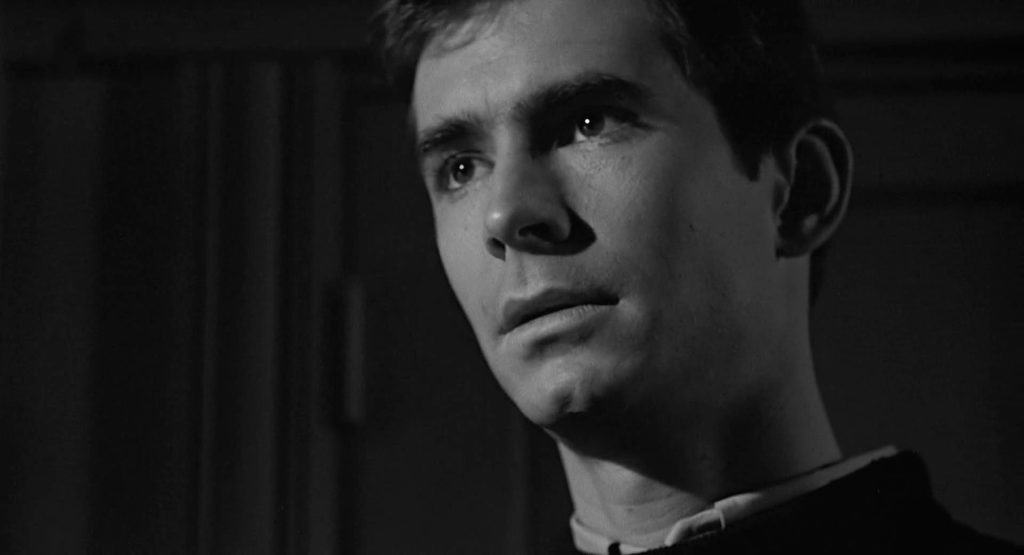
- Famous movie: “Psycho” (1960)
- Directed by: Alfred Hitchcock
Anthony Perkins (1932–1992) became one of the most unforgettable actors of the 1960s, largely due to his chilling and deeply unsettling performance as Norman Bates in Psycho (1960). His portrayal redefined psychological horror and created one of the most iconic characters in film history, blending vulnerability with quiet menace in a way audiences had never seen before. The role didn’t just make Perkins famous, it permanently tied his legacy to one of the most influential thrillers ever made.
Before Psycho, Perkins had already built a strong reputation as a serious actor, earning an Academy Award nomination for Friendly Persuasion (1956) and appearing in films like The Matchmaker (1958) and On the Beach (1959). Though he continued working across film, television, and stage for decades, he would always be most closely associated with Norman Bates. His career came full circle with his final screen appearance in In the Deep Woods (1992), leaving behind a legacy defined by one of cinema’s most haunting performances.
Clint Eastwood
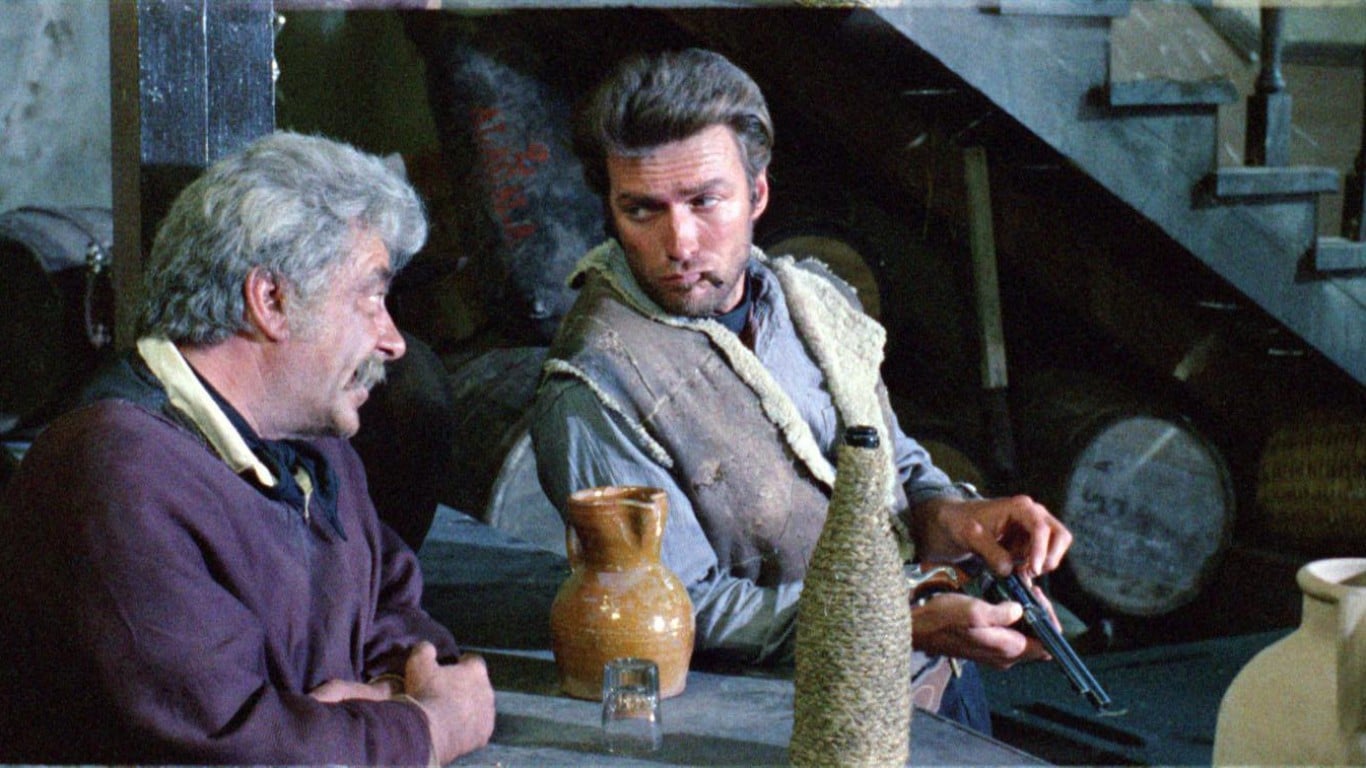
- Famous movie: “A Fistful of Dollars” (1964)
- Directed by: Sergio Leone
Clint Eastwood rose to prominence in the 1960s by transforming the traditional Western hero into something far more stoic, dangerous, and quietly commanding. His collaboration with director Sergio Leone in a series of spaghetti Westerns introduced audiences to a new kind of leading man, one defined less by dialogue and more by presence. With his signature squint and calm intensity, Eastwood quickly became one of the most recognizable faces in film.
Movies like A Fistful of Dollars (1964), For a Few Dollars More (1965), and The Good, the Bad and the Ugly (1966) cemented his status as a global star and helped redefine the Western genre. Unlike many actors of his era, Eastwood successfully transitioned into a long-lasting career that extended far beyond acting. As a director, he earned critical acclaim for films like American Sniper (2014) and Million Dollar Baby (2004), while continuing to appear on screen in projects such as The Mule (2018) and Cry Macho (2021).
Mia Farrow

- Famous movie: “Rosemary’s Baby” (1968)
- Directed by: Roman Polanski
Born into a Hollywood family as the daughter of director John Farrow, Mia Farrow seemed destined for a career in film. She emerged in the 1960s as one of the decade’s most recognizable actresses, bringing a unique mix of innocence and emotional intensity to the screen.
Her breakthrough came with Rosemary’s Baby (1968), where her performance as a young woman unraveling under psychological and supernatural pressure became instantly iconic. The role showcased her ability to convey fear, vulnerability, and quiet strength all at once.
That performance helped define her place in psychological drama and horror, genres that thrived during the late 1960s. Farrow’s presence on screen felt both delicate and deeply unsettling, making her a perfect fit for the era’s shifting storytelling style.
Before her breakout role, she appeared in smaller projects, gradually building her reputation. Afterward, she maintained a steady career in both film and television, working with major directors and continuing to take on complex roles.
Her later work includes films like The Purple Rose of Cairo (1985), Crimes and Misdemeanors (1989), and Broadway Danny Rose (1984), all of which highlight her range and longevity as an actress.
Alain Delon
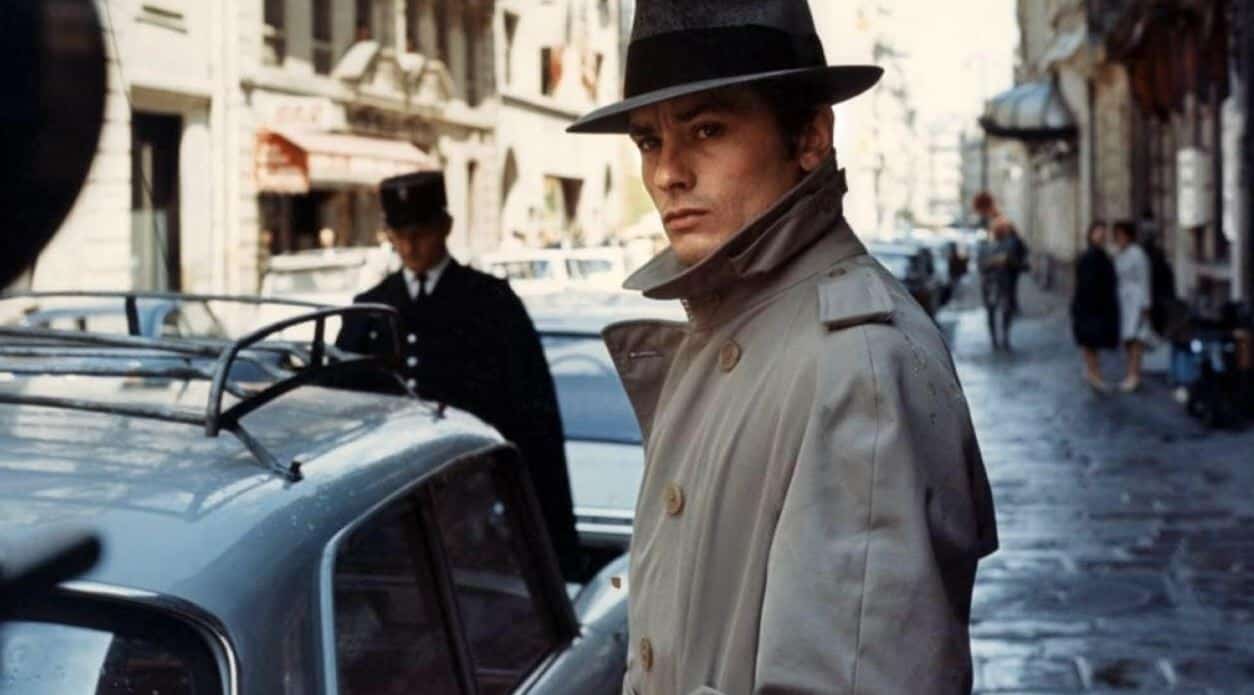
- Famous movie: “The Samurai” (1967)
- Directed by: Jean-Pierre Melville
Alain Fabien Maurice Marcel Delon (1935–2024) was born in France and quickly rose to prominence as one of the most captivating actors in European cinema. With his striking looks and effortless confidence, he became a defining figure of international film during the 1960s.
Delon brought a quiet intensity to his performances, often portraying characters who were calm, controlled, and emotionally complex. His understated style set him apart and made him one of the most influential actors of his generation.
He gained widespread recognition through films like Purple Noon (1960), which introduced audiences to his magnetic screen presence. From there, his career continued to grow as he worked with some of Europe’s most respected directors.
In The Leopard (1963) and L’Eclisse (1962), Delon proved he could thrive in both epic historical dramas and more abstract, art-house storytelling. His versatility allowed him to move seamlessly between genres.
Perhaps his most iconic role came in Le Samouraï (1967), where his minimalist performance helped define the modern “cool” antihero. The film remains one of the most influential crime movies ever made and solidified Delon’s legacy as a global film icon.
Jack Lemmon
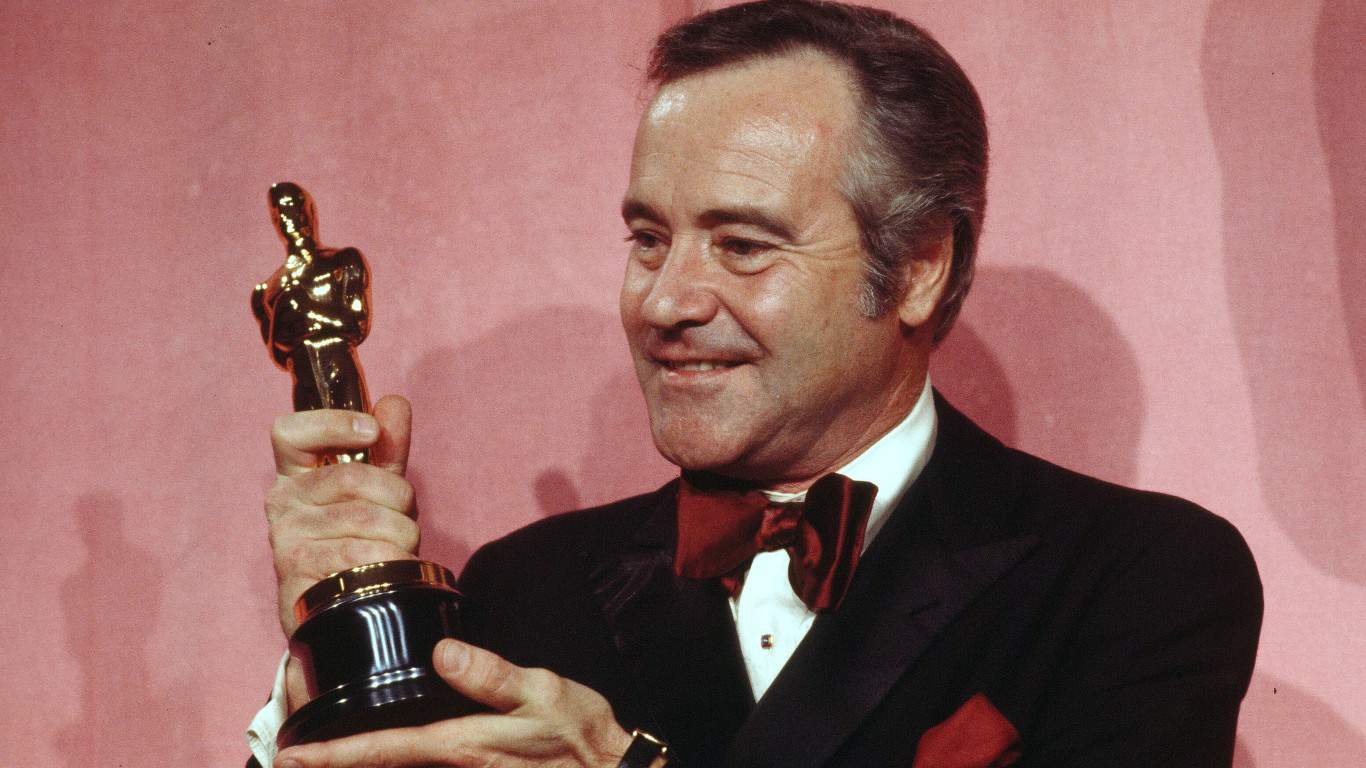
- Famous movie: “The Apartment” (1960)
- Directed by: Billy Wilder
Jack Lemmon (1925–2001) stood out in the 1960s for his rare ability to move easily between comedy and drama. Whether he was delivering sharp wit or emotional vulnerability, he brought warmth and intelligence to nearly every role he played. Before moving into film, he worked in television. Lemmon received eight Academy Award nominations and won twice. He is best known for films such as “The Apartment” (1960), “Some Like It Hot” (1959), “Glengarry Glen Ross” (1992), and “Grumpy Old Men” (1993).
Charlton Heston
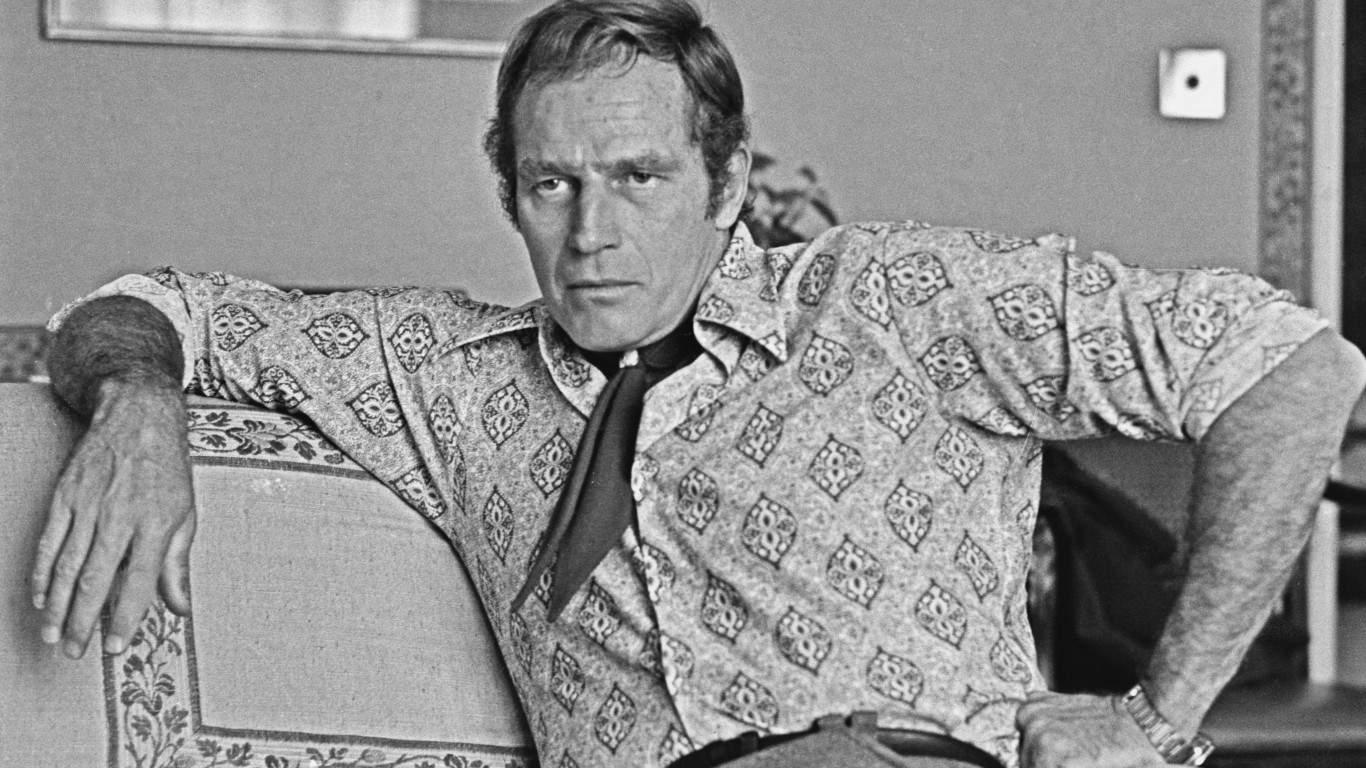
- Famous movie: “Planet of the Apes” (1968)
- Directed by: Franklin J. Schaffner
Charlton Heston (1923–2008) was one of the great larger-than-life stars of mid-century Hollywood, known for commanding roles. In the 1960s, his presence helped define some of the decade’s most ambitious and unforgettable films. He gained major recognition for playing Moses in “The Ten Commandments” (1956), and his star power only grew from there. He is also well known for “Ben-Hur” (1959), “Planet of the Apes” (1968), and “The Omega Man” (1971).
Sidney Poitier
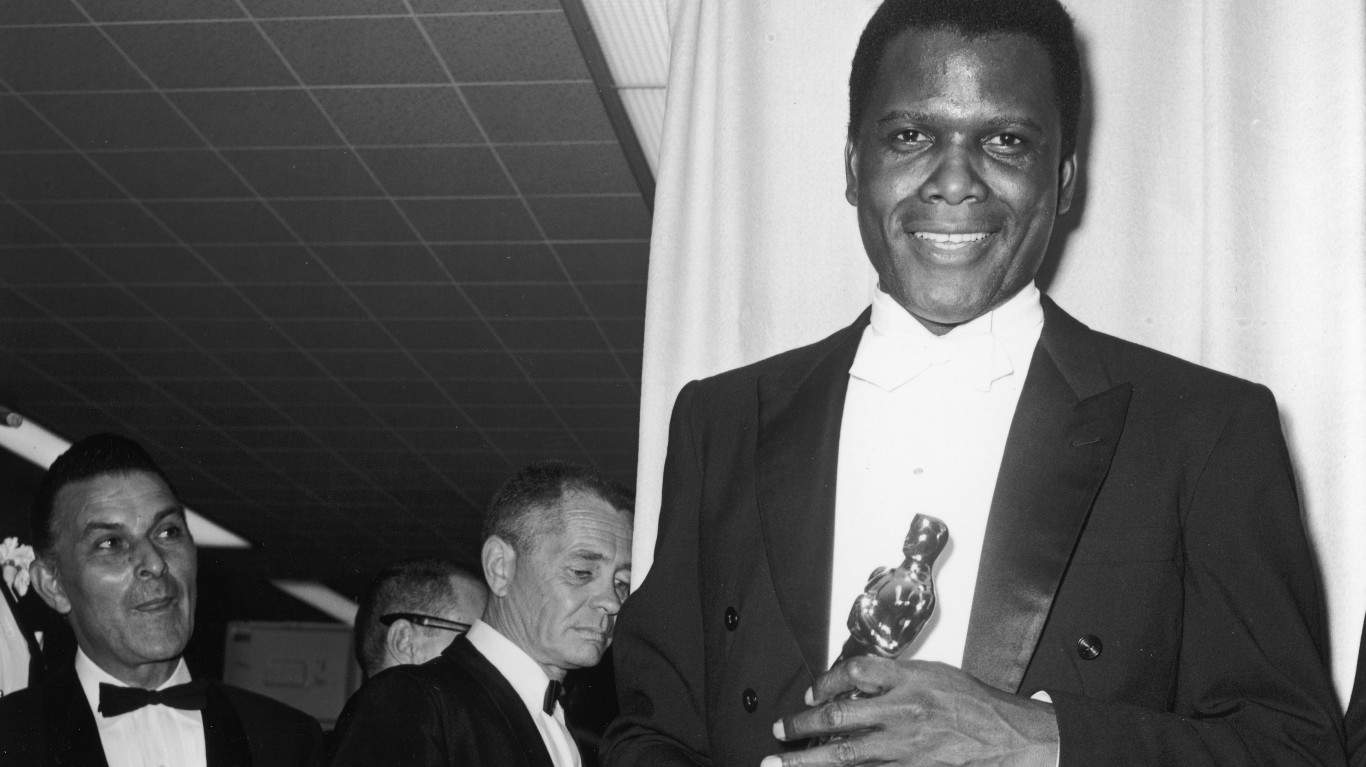
- Famous movie: “In the Heat of the Night” (1967)
- Directed by: Norman Jewison
Sidney Poitier (1927–2022) helped change the face of American cinema with performances that were both deeply human and culturally groundbreaking. In the 1960s especially, he became one of Hollywood’s most important and respected leading men. Poitier made history as the first Black man to win the Academy Award for Best Actor (“Lillies of the Field”). Poitier is well known for films such as “The Defiant Ones” (1958) and “Lilies of the Field” (1963). Three of his most notable films were all released in 1967: “In the Heat of the Night”, “To Sir, With Love”, and “Guess Who’s Coming to Dinner”.
Dustin Hoffman
- Famous movie: “The Graduate” (1967)
- Directed by: Mike Nichols
Dustin Hoffman broke away from traditional leading-man expectations and brought a new kind of realism to film in the 1960s. His performances felt more vulnerable, awkward, and emotionally honest if not slightly quirky. He helped redefine what a movie star could look like. Hoffman has played a wide range of roles throughout his career, but he is especially known for “The Graduate” (1967), “Midnight Cowboy” (1969), “Kramer vs. Kramer” (1979), “Tootsie” (1982), and “Rain Man” (1988).
Sean Connery
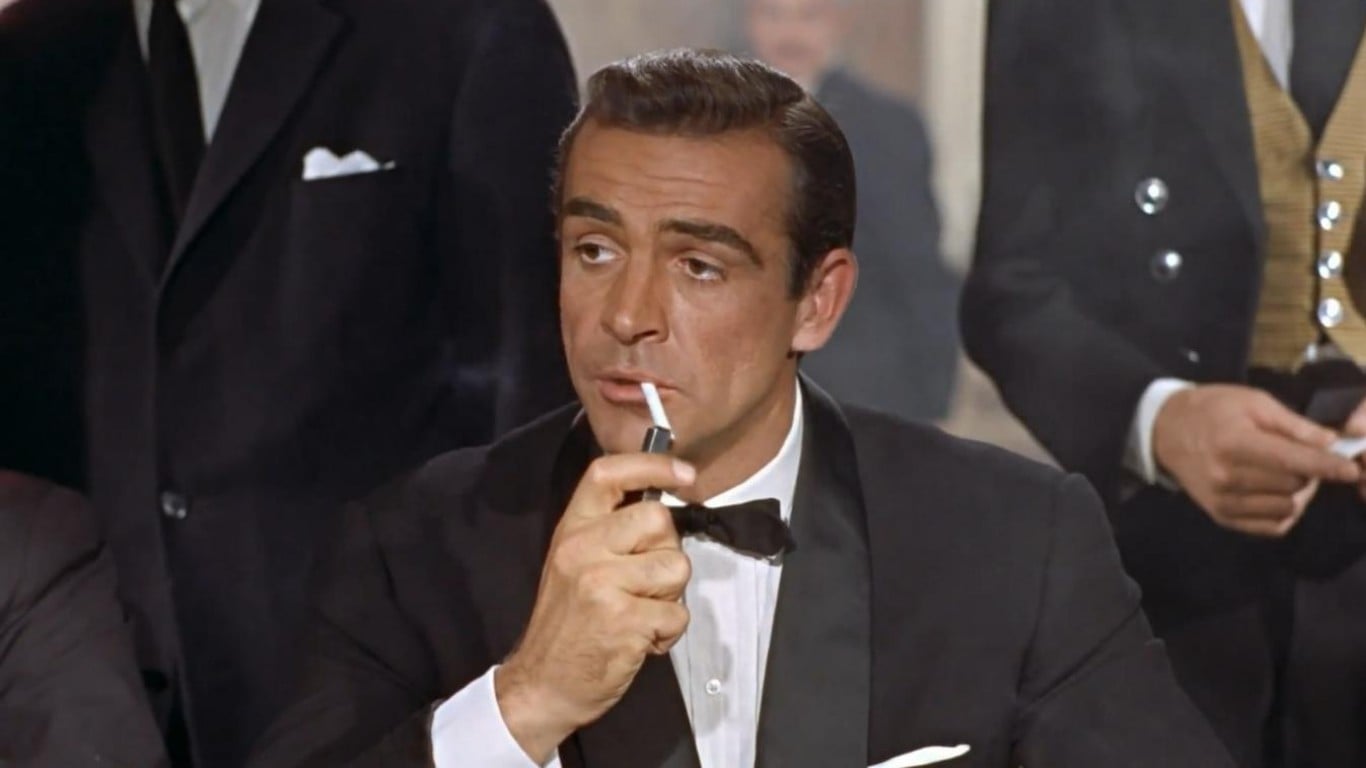
- Famous movie: “Dr. No” (1962)
- Directed by: Terence Young
Sean Connery (1930–2020) became an international sensation in the 1960s by introducing audiences to the original James Bond. With his charm, confidence, and commanding screen presence, he helped create one of the most iconic film characters of all time. Although Bond is the role that made him an international star, he also proved himself by performances in “The Untouchables” (1987), “The Name of the Rose” (1986), and “The Rock” (1996).
Gregory Peck
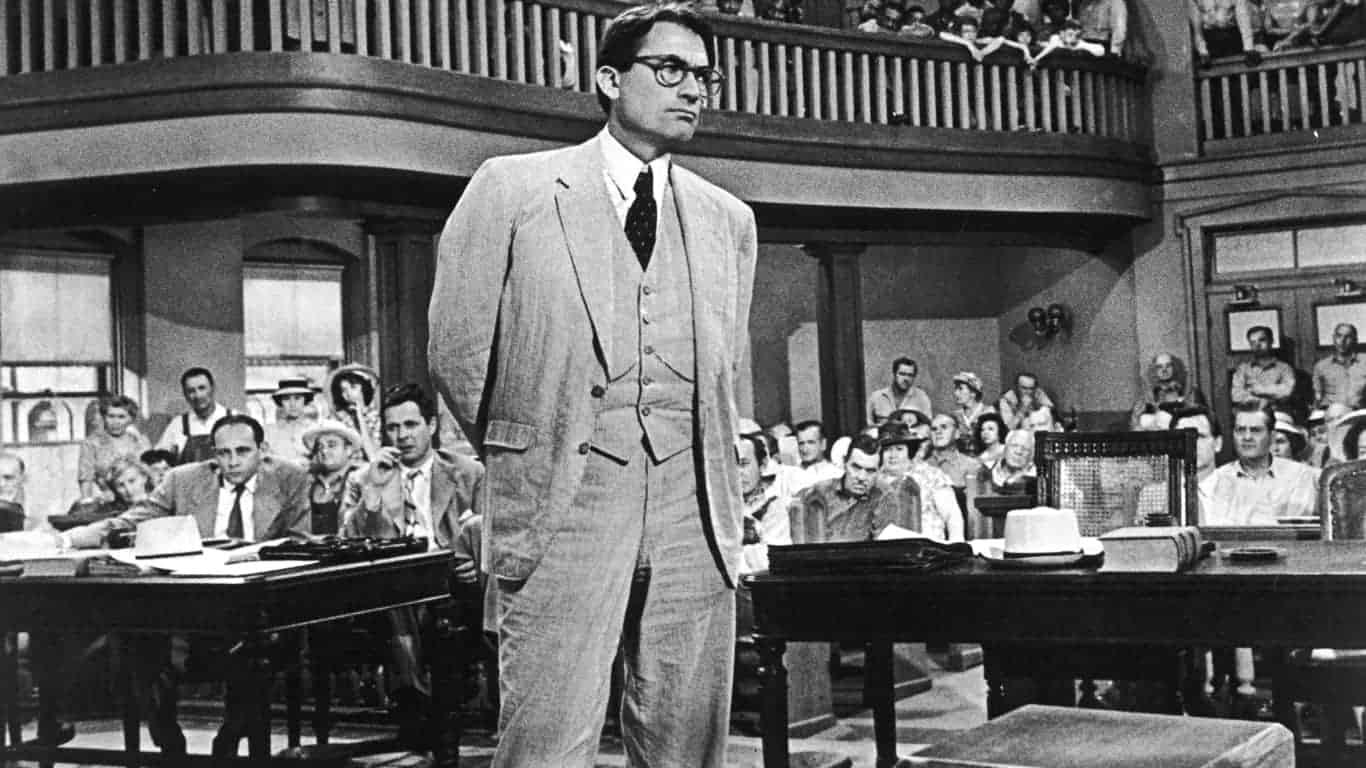
- Famous movie: “To Kill a Mockingbird” (1962)
- Directed by: Robert Mulligan
Gregory Peck (1916–2003) brought dignity and moral clarity to many of his most celebrated roles. His performance as Atticus Finch in “To Kill a Mockingbird” remains one of the defining representations of integrity in American film. Before his most iconic role, Peck starred in “Spellbound” (1945) and “Roman Holiday” (1953). Years later, he took on the role of Dr. Josef Mengele in “The Boys from Brazil” (1978).
Duane Jones
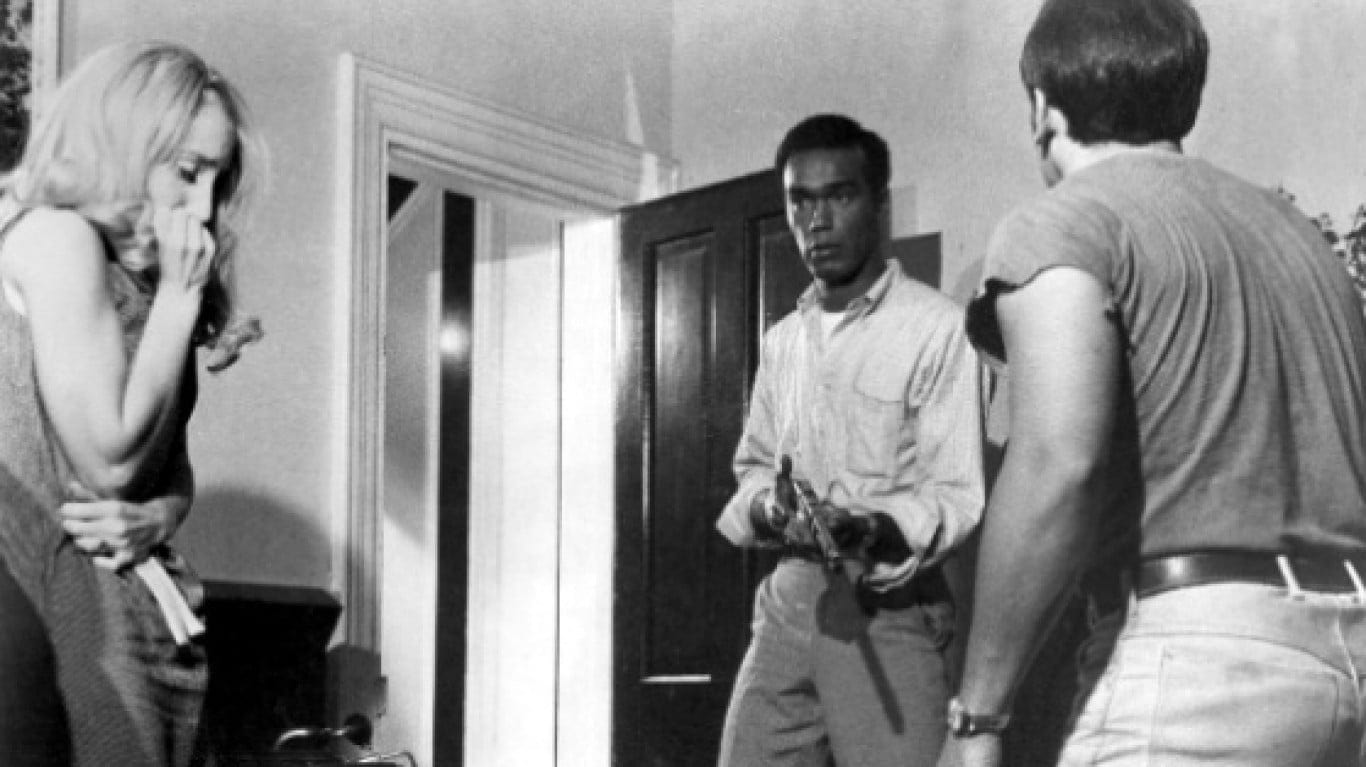
- Famous movie: “Night of the Living Dead” (1968)
- Directed by: George A. Romero
Duane Jones (1937–1988) made film history with his performance in the low-budget “Night of the Living Dead,” bringing intelligence to a role that challenged Hollywood norms. The landmark character was one of the earliest Black leads in a horror film and led him to cult-film star status. Though his filmography was smaller than many of his peers, his impact remains enormous. Jones is also known for “Ganja & Hess” (1973), “Vampires” (1986), and “To Die For” (1988).
Kirk Douglas
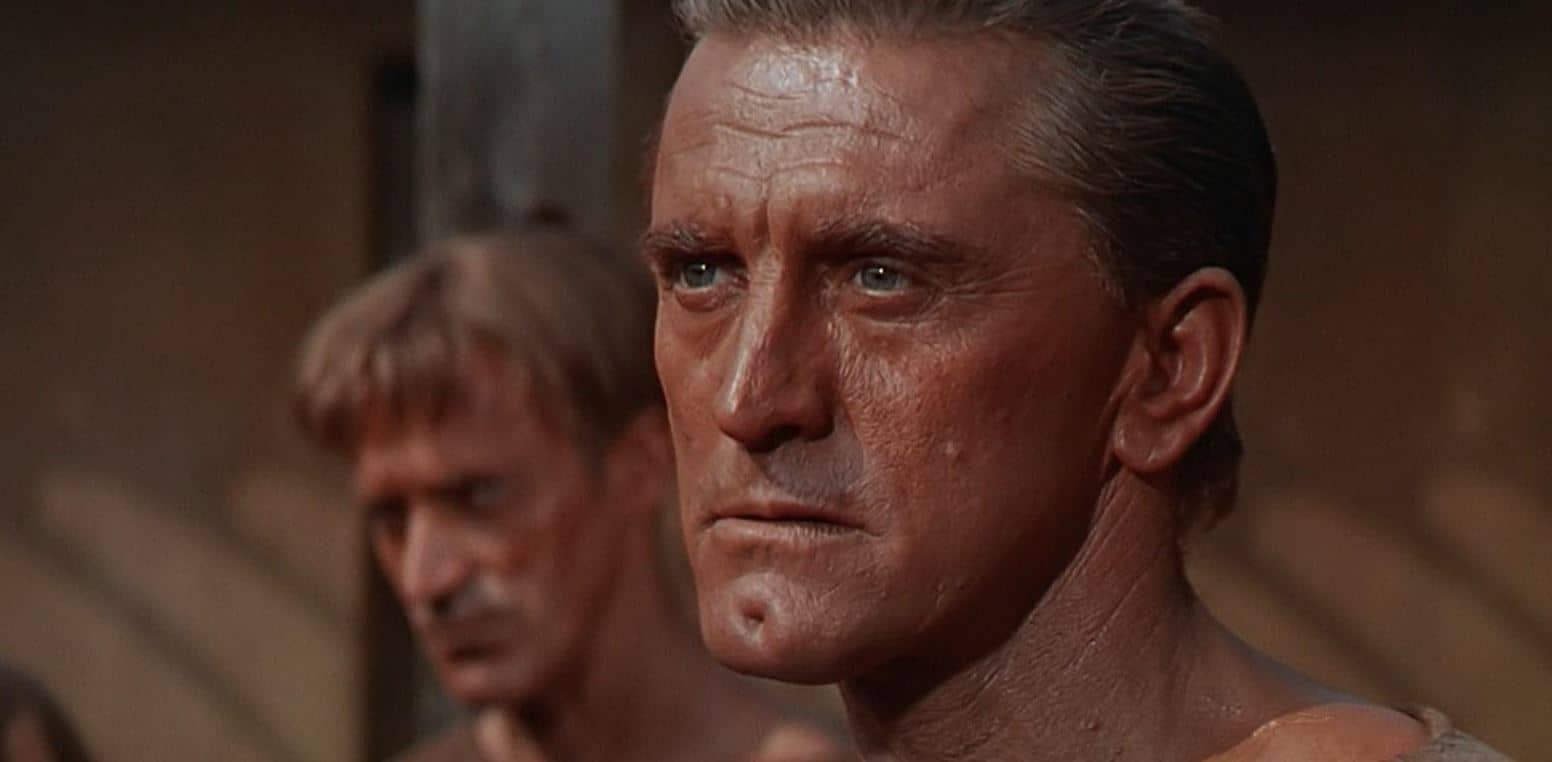
- Famous movie: “Spartacus” (1960)
- Directed by: Stanley Kubrick, Anthony Mann
Kirk Douglas (1916–2020) was one of classic Hollywood’s most physically intense actors, known for bringing grit and intensity to every performance. By the 1960s, he had already established himself as a major star with roles that oozed both toughness and complexity. Douglas is most associated with “Spartacus” (1960), though he also earned acclaim for roles in “Lust for Life” (1956) and “Paths of Glory” (1957).
Frank Sinatra

- Famous movie: “The Manchurian Candidate” (1962)
- Directed by: John Frankenheimer
Frank Sinatra (1915–1998) was already an entertainment giant before the 1960s, but his film work during this era proved he was more than just a legendary singer. On screen, he brought charisma and surprising dramatic range to a number of memorable performances. His notable film roles include Angelo Maggio in “From Here to Eternity” (1953), Mike Connor in “High Society” (1956), Dave Hirsh in “Some Came Running” (1958), and Major Bennett Marco in “The Manchurian Candidate” (1962).
Audrey Hepburn

- Famous movie: “Breakfast at Tiffany’s” (1961)
- Directed by: Blake Edwards
Audrey Hepburn (1929–1993) became one of the most beloved actresses of her generation through a mix of elegance, beauty, and emotional subtlety. In the 1960s, she embodied a kind of timeless movie-star grace that still defines the ultimate Hollywood glamour. She is best known for her performances as Holly Golightly in “Breakfast at Tiffany’s” (1961), Regina Lampert in “Charade” (1963), and Eliza Doolittle in “My Fair Lady” (1964).
Paul Newman
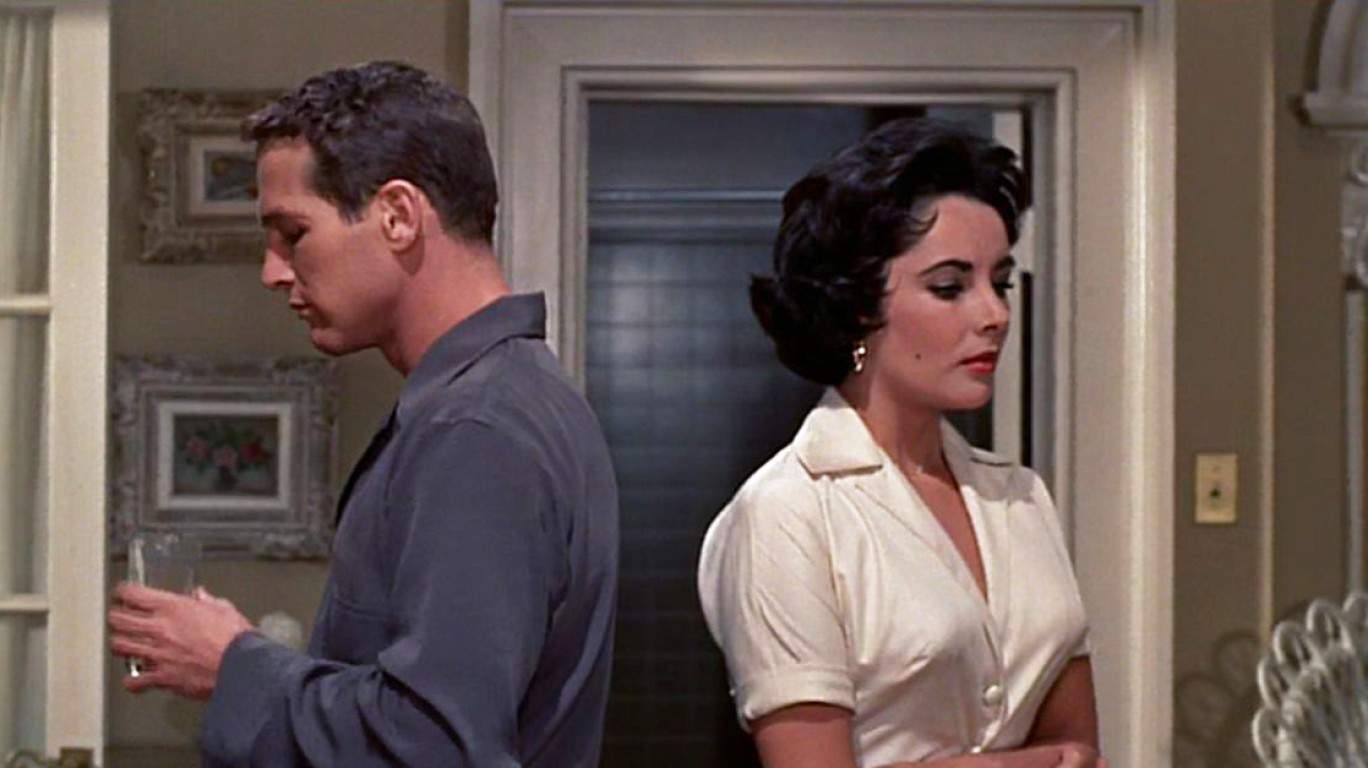
- Famous movie: “The Hustler” (1961)
- Directed by: Robert Rossen
Paul Newman (1925–2008) combined movie-star looks with genuine acting chops, making him one of the most admired performers of his time. He brought an edgy, quiet charisma to some of the decade’s most acclaimed films. Instantly recognizable for his striking blue eyes, Newman built an enviable career, starring in films like “The Hustler” (1961), “The Verdict” (1982), “Nobody’s Fool” (1994), and “Road to Perdition” (2002).
Omar Sharif

- Famous movie: “Lawrence of Arabia” (1962)
- Directed by: David Lean
Omar Sharif (1932–2015) was an Egypt-born actor who became an international star in the 1960s. His work in large-scale historical dramas helped make him one of the most recognizable global actors of the decade. He gained worldwide recognition for his role as Sherif Ali in “Lawrence of Arabia” (1962). Sharif is also known for “Doctor Zhivago” (1965), “Top Secret!” (1984), and “Monsieur Ibrahim” (2003).
Natalie Wood

- Famous movie: “West Side Story” (1961)
- Directed by: Jerome Robbins, Robert Wise
Natalie Wood (1938–1981) brought emotional sensitivity and star power to several memorable films. By the 1960s, she had grown into one of Hollywood’s most talented leading actresses. Wood appeared alongside James Dean in “Rebel Without a Cause” (1955) and later performed in “West Side Story” (1961), “Splendor in the Grass” (1961), and “Love with the Proper Stranger” (1963). Her life ended tragically in 1981 during a boating trip off the California coast.
Doris Day

- Famous movie: “Lover Come Back” (1961)
- Directed by: Delbert Mann
Doris Day (1922–2019) was one of the most popular entertainers of her time, balancing film stardom with a hugely successful music career. Her screen presence brought warmth and wit to the romantic comedies and lighthearted films that made her a household name. She first found fame as a singer before transitioning into film and television. From 1968 to 1973, she starred in “The Doris Day Show.” Day is best known for “Love Me or Leave Me” (1955), “Lover Come Back” (1961), and “The Thrill of It All” (1963).
Peter Fonda

- Famous movie: “Easy Rider” (1969)
- Directed by: Dennis Hopper
Peter Fonda (1940–2019) became a defining face of late-1960s counterculture with his rebellious, laid-back persona. His work helped capture the mood of a changing generation. He made his Broadway debut in 1961 before moving into film. Fonda is best known for “Easy Rider” (1969), “Ulee’s Gold” (1997), “3:10 to Yuma” (2007), and “Wild Hogs” (2007).