
mel-nik/iStock / Getty Images Plus via Getty Images
Mark A. McCaffrey/Shutterstock.com

wwwarjag/Shutterstock.com

Ilya Marchenko/Shutterstock.com
stammphoto/iStock.com
Keith Publicover/Shutterstock.com

Natalya Osipova/Shutterstock.com

FedBul/Shutterstock.com

abadonian/iStock.com
FedBul/Shutterstock.com
Kevin Cass/Shutterstock.com

VvoeVale/iStock.com

Krugloff/iStock.com
Sergey Goruppa/Shutterstock.com

FedBul/iStock.com

Fabien Monteil/Shutterstock.com


15 Giant Fish That Live in the Great Lakes
The Great Lakes contain nearly 20% of the world's surface freshwater, creating a vast ecosystem capable of supporting an incredible range of fish species. While many people think of the lakes as home to common catches like perch or walleye, they also hold some surprisingly large fish. From massive lake sturgeon to enormous muskellunge, several species in these waters can grow to truly impressive sizes.
Some of these giants are native to the region, while others were introduced over time and have adapted well to the lakes' deep, cold environments. Anglers occasionally pull in record breaking specimens that show just how big these fish can become under the right conditions.
To identify the largest fish found in the Great Lakes, 24/7 Tempo reviewed data from state wildlife agencies, fishing records, and fisheries research organizations. Species were selected based on their presence in the Great Lakes and their known maximum sizes in the region. Additional information includes typical habitat, maximum recorded length or weight, and other notable facts about each species.
Where are the Great Lakes?
The Great Lakes are a chain of five lakes located in the northern part of North America. The five lakes are Lake Superior, Lake Michigan, Lake Huron, Lake Erie and Lake Ontario. These five large freshwater lakes form the largest group of freshwater lakes on Earth and contain approximately 20% of the world's fresh surface water supply.
They span eight US states (Minnesota, Wisconsin, Illinois, Indiana, Michigan, Ohio, Pennsylvania New York) and two Canadian provinces (Ontario and Quebec). They are all connected by several rivers such as the St Clair River, which connects Lake Huron to Lake Saint Clair. And the Detroit River, which connects Lake Erie to Lake Saint Clair.
These rivers help regulate levels between these massive bodies of water and facilitate an exchange of species between them. The Great Lakes watershed is home to over 35 million people, making it one of the most densely populated regions in North America.
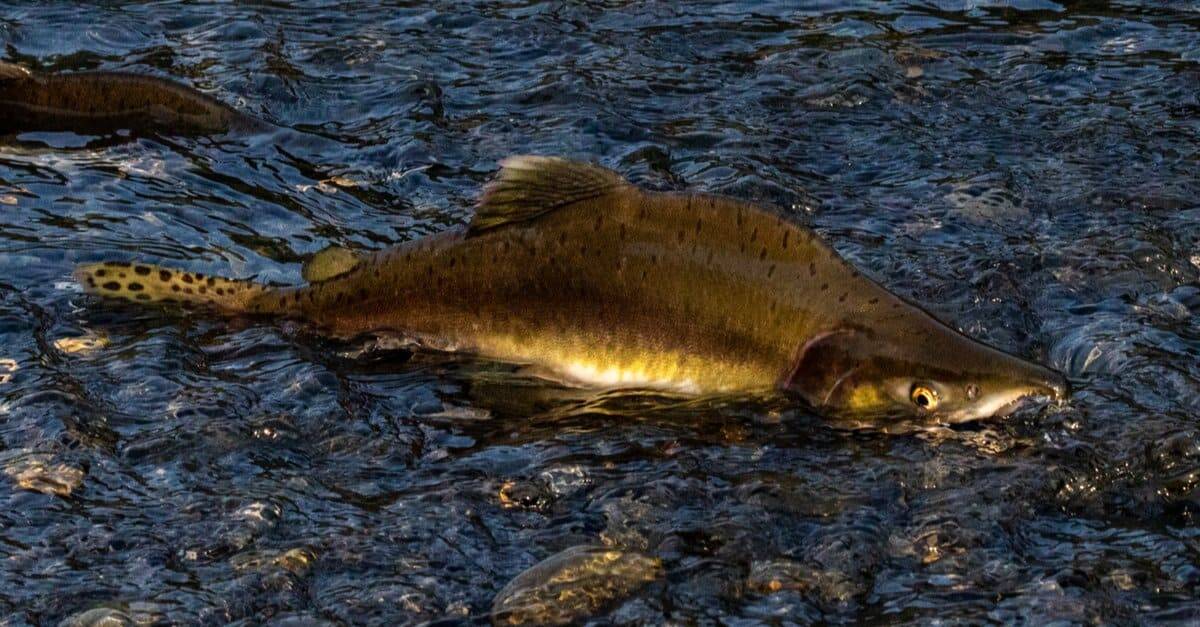
15. Pink Salmon – 4.8 lbs
The pink salmon is the smallest salmon species inhabiting the Great Lakes, weighing 4.8 lbs on average. However, despite being the tiniest of its type, it is one of the largest fish species among the other marine life in the North American Great Lakes.
There are now self-sustaining populations of pink salmon in the Great Lakes after being introduced to the continent's biggest freshwater system. Yet, pink salmon have originated from the Pacific and Arctic coastal rivers and prefer to live in cold water.
The largest pink salmon ever caught weighed 15 lbs.
14. Brook Trout – 6 to 7 lbs, can grow to 15 lbs
The brook trout, commonly known as the speckled trout, is a fascinating fish with remarkable yellow spots on an olive-green back. The freshwater fish's color changes from olive to orange or red down its flanks, with dispersed red spots rimmed by pale blue. A brook trout typically weighs 6 lbs and measures 9.8 inches long. The brook trout is Michigan's state fish since it is native to the state's lakes.
13. Atlantic Salmon – 8 to 12 lbs
The Atlantic salmon is a ray-finned fish belonging to the Salmonidae family. It is the third-largest Salmonidae species, behind Siberian Taimen and Pacific Chinook Salmon, with a length of 28 to 30 inches and a weight of up to 12 lbs (5.4 kg). Rivers in Europe and the northeastern coast of North America are natural breeding areas for Atlantic salmon. Changes in freshwater environments and climate significantly impact this species' distribution.
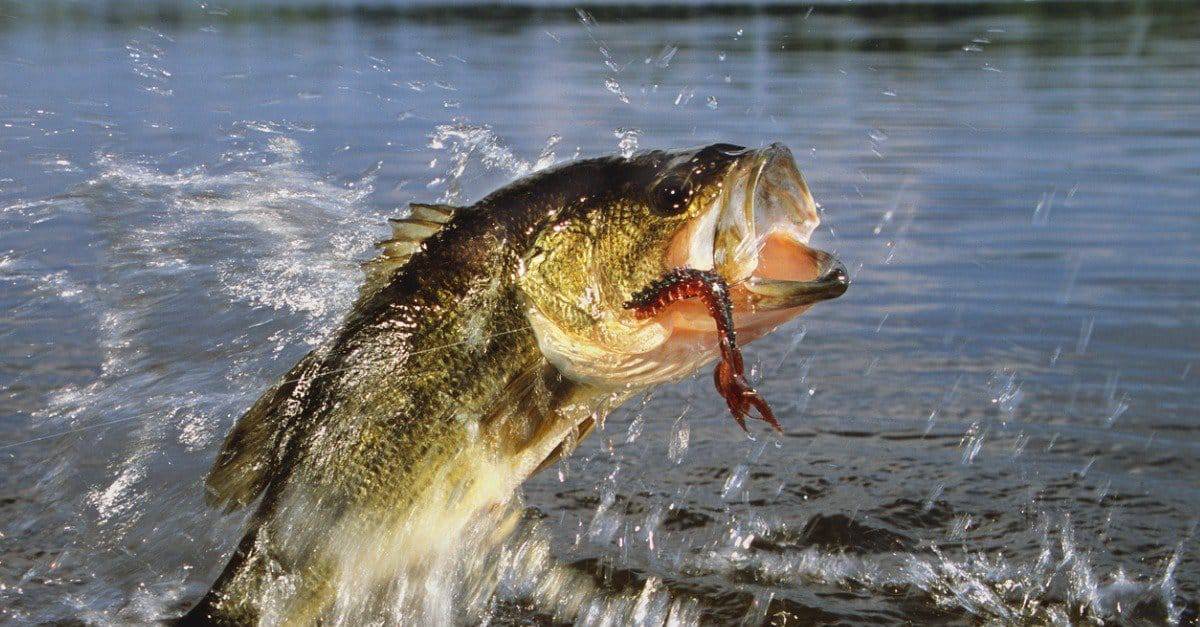
12. Largemouth Bass – 12 lbs
Largemouth bass is one of the most common species to catch in the United States, and for a good reason. This green fish can develop quite large, especially in the Great Lakes of North America. Largemouth bass typically grow 12.12 pounds (5.5 kg) and 4 to 8 inches in their first year, up to 14 inches in their second year, and up to 18 inches or more in their third year. The largest largemouth caught weighed 22 pounds.
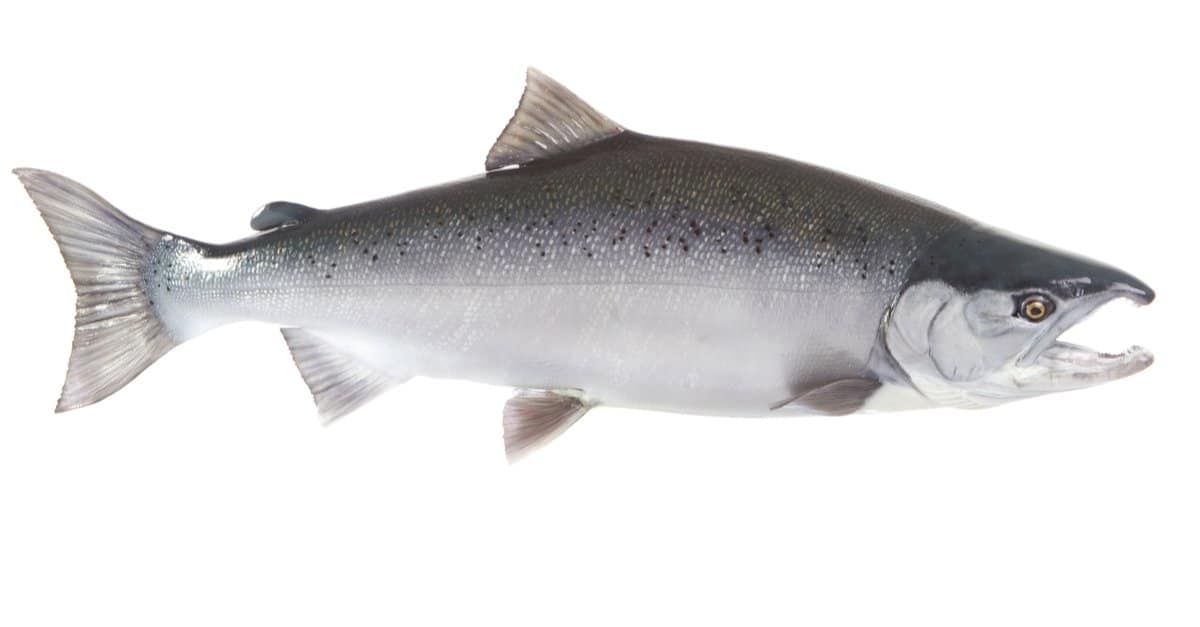
11. Coho Salmon – 18.5 lbs
Weighing about 18.52 lbs or 8.4 kg, the coho salmon is another huge salmon species that is considered a good catch in the Great Lakes or any other lake. The coho salmon is not endemic to the Great Lakes, but after effective distribution efforts in Lake Michigan in the mid-1960s, it has expanded fast. Originally stocked to exploit and control alewife numbers, the states touching the Great Lakes and the Canadian province of Ontario have continued to supply this species as a profitable sport fish. When they're in the ocean, they eat small fish, including anchovies, herring, and sardines.
10. Lake Whitefish – 22 lbs
Lake whitefish is another heavy fish caught in the Great Lakes, weighing around 22 lbs or 10 kg. Noted as the major commercial fish in Lakes Ontario and Huron, the captures from these two lakes have totaled more than $5 million in a single year. Whitefish is also an essential part of the commercial fisheries in Lake Michigan and a sought-after sport fish throughout the Great Lakes.
9. Walleye – 24 lbs
The perch family's largest member is the walleye, weighing 24.25 lbs or 11 kg. These struggling fish are fun to catch, tasty to eat, and provide a great year-round sport fishery as they feed vigorously throughout winter. In the spring, walleyes swarm in low bay waters, looking for rocky outcroppings and underwater bars.
8. Brown Trout- 26 lbs
Brown trout were perhaps the first salmonid species to be imported to the Great Lakes, and they may now be found in all of them. They can be identified by the light-ringed black dots on their brown body, present in many other parts of the world. Adult brown trout average approximately 26.45 pounds (12 kilograms), but some specimens can weigh 53 pounds (24 kilograms).
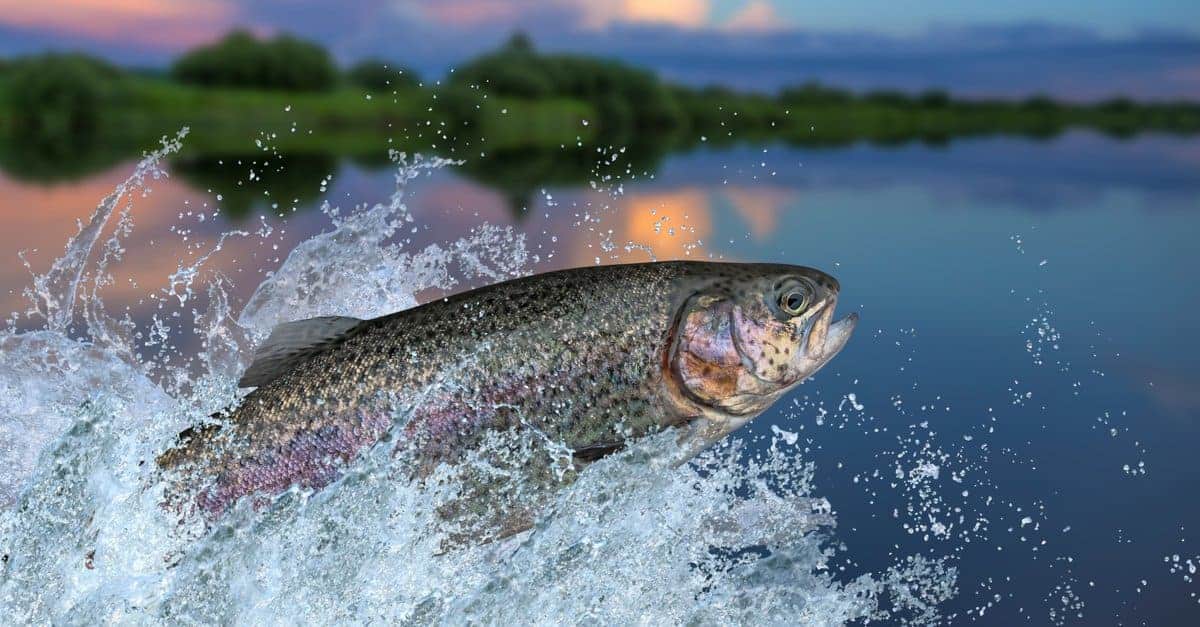
7. Rainbow Trout- 26.45 lbs
The names "rainbow trout" and "steelhead salmon" pertain to the same fish. However, their habits vary based on where they were born (or stocked). It is another Pacific coast species that has been successfully introduced to all of the Great Lakes. The rainbow trout weighs 26.45 lbs or 12 kg, just like the brown trout, and ranks as one of the biggest fish inhabiting the Great Lakes. It spends most of its time at sea or lakes before migrating to rivers and streams in the spring to breed.
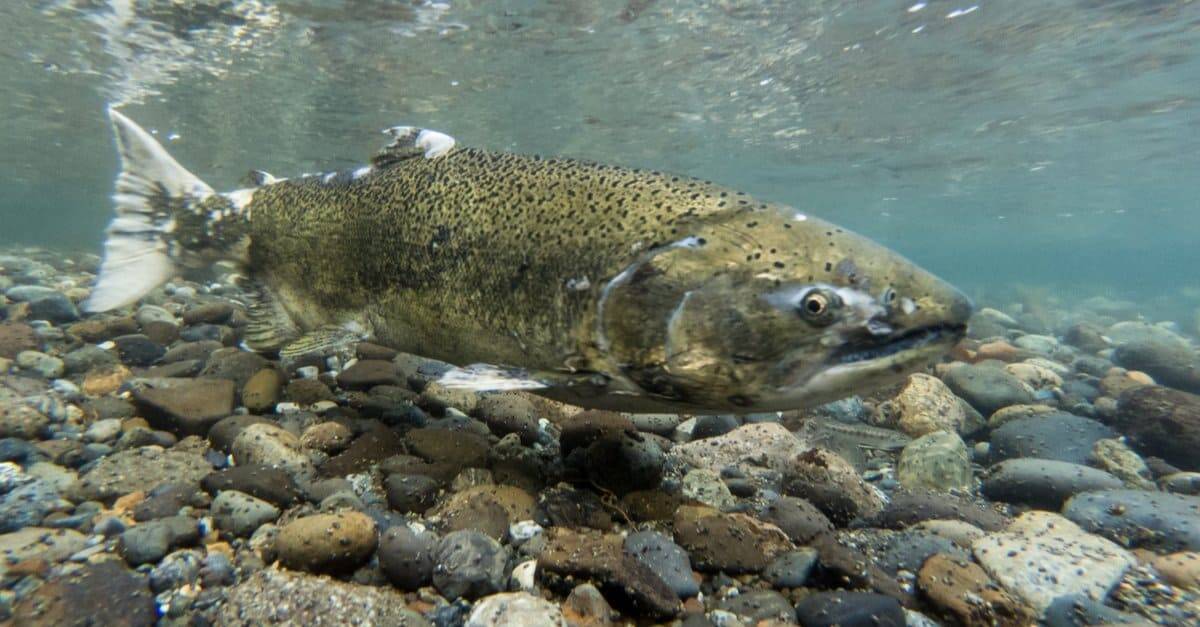
6. Chinook Salmon – 30.86 lbs
Chinook salmon, which originated on the Pacific and Arctic coasts, was brought to all of the Great Lakes. This salmon species is the largest among the Pacific salmon, reaching 35 inches (90 cm) in length and weighing 30.86 pounds (14 kg). While salmon populations in the Great Lakes have had a shaky past, permanent coho and chinook numbers were developed during the mid and late 1960s, when over 20 million were supplied.
5. Lake Trout – 39.68 lbs
Lake trout have returned to the Great Lakes after being virtually wiped out by commercial fisheries in the mid-19th century and succumbing to parasitic sea lamprey. This large fish prefers to swim in cooler, deeper waters and can grow up to 39.48 lbs or 18 kg. Natural reproduction has aided the activities of fisheries managers in some areas, with stocking programs in all five lakes bringing the once-popular native species back. This natural deepwater predator has long been a popular target for commercial and recreational anglers.
4. Burbot – 41.89 lbs
Burbots are slow-moving fish that weigh up to 41.89 lbs or 19 kg. This species prefers to lurk in dark regions around shipwrecks, especially deeper ones. The burbot is a freshwater fish that looks like a cod. Although they are rarely eaten, they are edible fish catch because most anglers think they look too "eel-like."
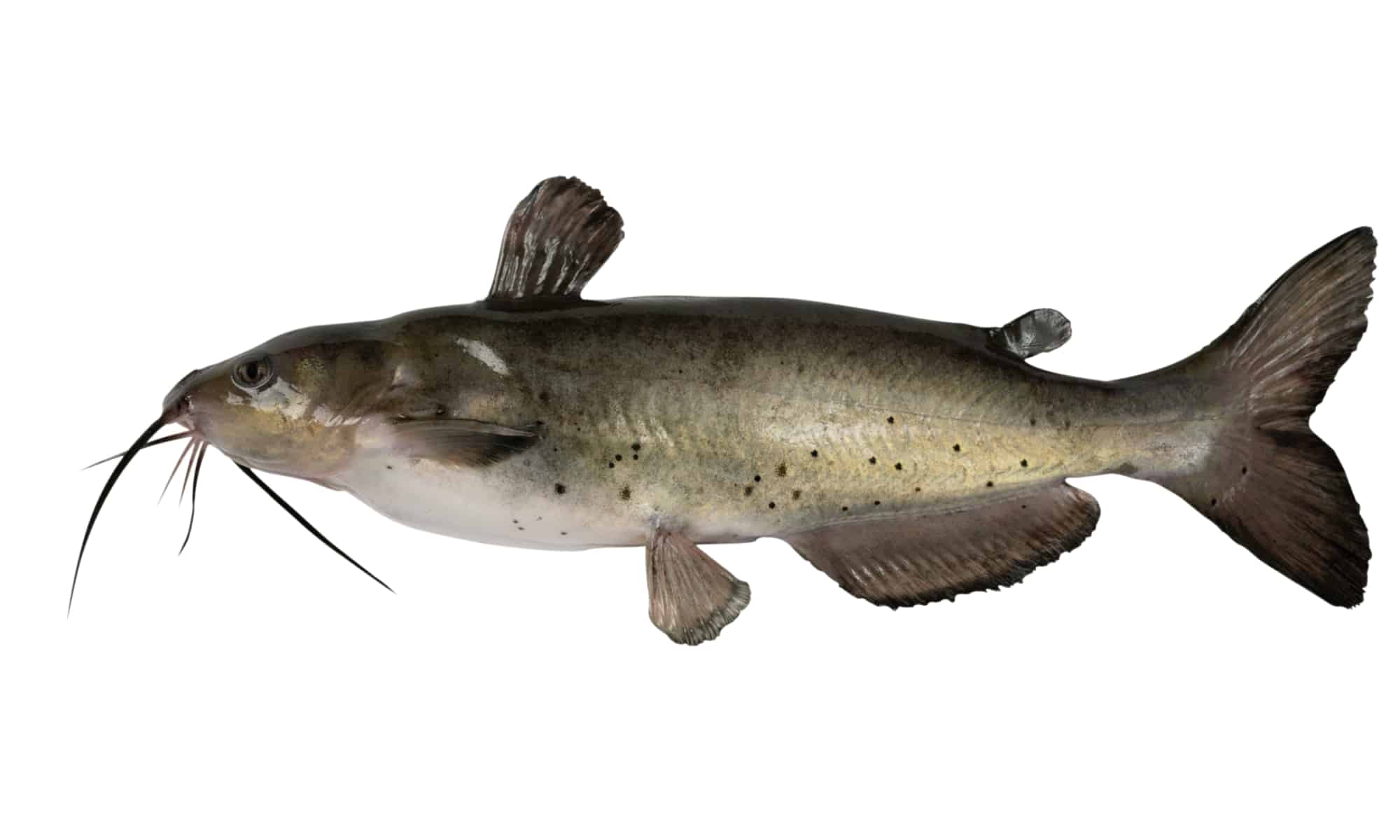
3. Channel Catfish – 39.68 to 50.71 lbs
The channel catfish is a type of catfish for consumption despite being a bottom feeder. The channel catfish is one of the most interesting Great Lakes residents and weighs 39.68 to 50.71 lbs or 18 to 23 kg. This fish species has been found in North America for about 3,000 years. Except for Lake Superior, they can now be found in all of the Great Lakes. The body of a channel catfish is cylindrical in cross-section and devoid of scales.
2. Musky or Muskellunge – 70.10 lbs
Muskies are the second-largest fish in the Great Lakes, after sturgeons. The average adult typically measures 28-48 inches (0.7-1.2 m) in length and weighs 5-36 pounds (2-16kg). However, some muskies can grow even beyond that, reaching a maximum weight of 70.10 lbs. The muskellunge is noted for its little barracuda teeth and is a dangerous game fish. Sometimes known as the muskie, the muskellunge is a very effective "predator machine." It hides in the shadows of vegetation or sunken logs along the coast, only emerging to strike a target fish.
1. Lake Sturgeon – 198.42 lbs
Weighing almost 200 pounds or 90 kilograms, the lake sturgeon is undoubtedly the biggest Great Lake fish. Apart from being a prized catch for its notable mass, the lake sturgeon is also the source of the expensive caviar. Despite their name, lake sturgeon can be found in both rivers and lakes. The fish's range extends from Hudson Bay to the Mississippi River in North America. This fish was originally a common species in the Great Lakes ecosystems, but overfishing has reduced its population. Small invertebrates, including crayfish, snails, clams, and leeches, are consumed by lake sturgeon around the lake's bottom.