yagisu / PDM 1.0

uphillblok / BY-SA 2.0
Kansas Poetry (Patrick) / BY-ND 2.0
yagisu / PDM 1.0

Piano Piano! / BY 2.0

uphillblok / BY-SA 2.0

twm1340 / BY-SA 2.0

Not all potatoes can swim... / BY 2.0
Courtesy of Miramax
Courtesy of Neon
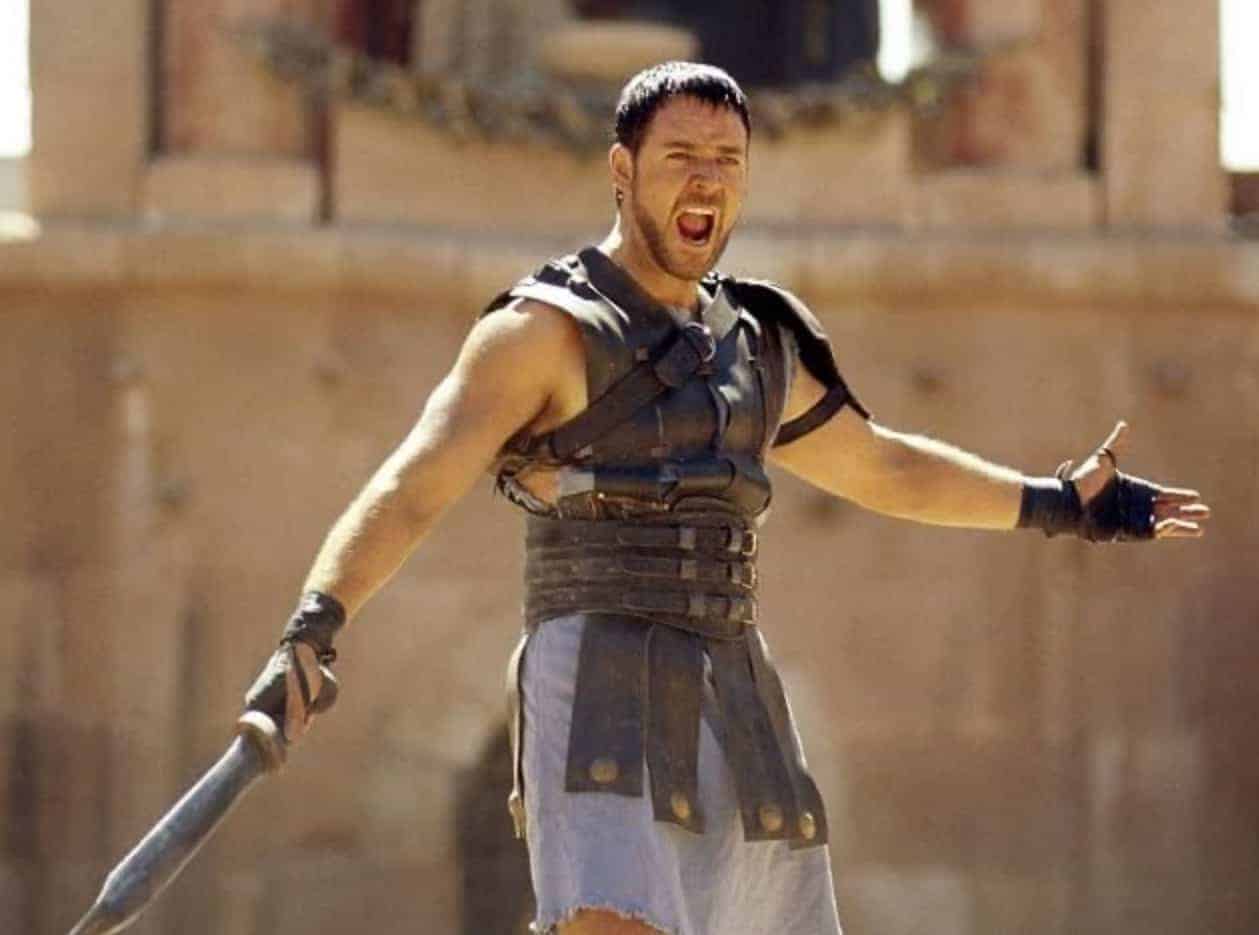
Courtesy of Dreamworks Distribution
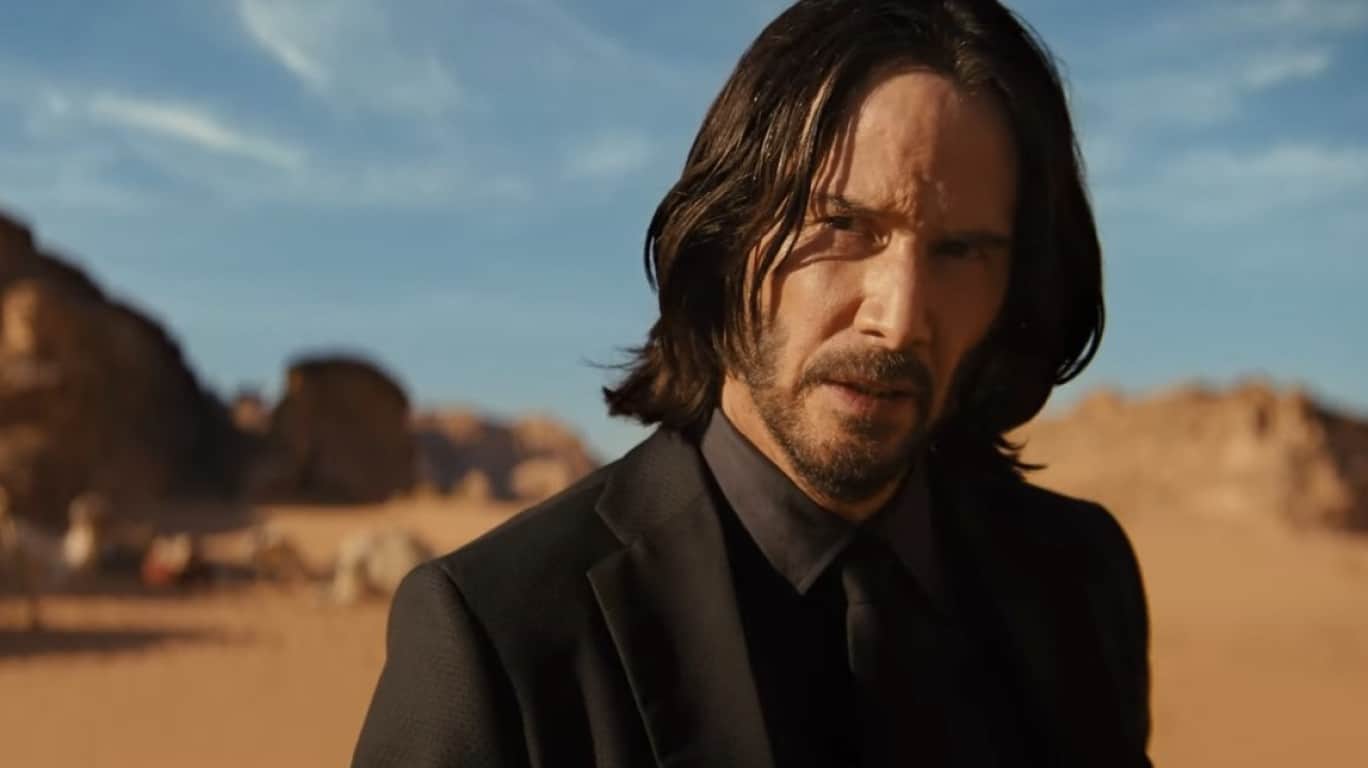
Courtesy of Lionsgate Films
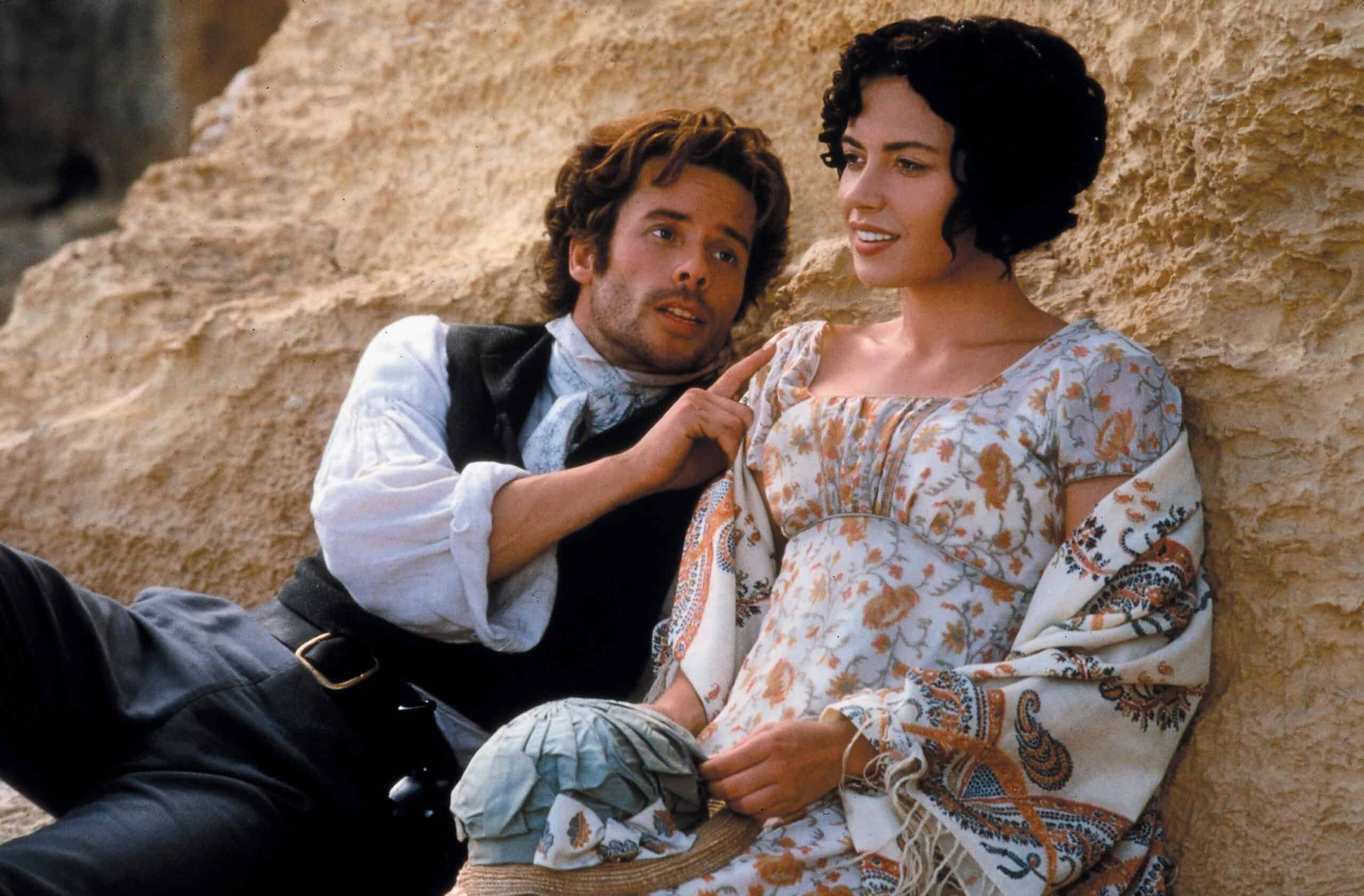
Courtesy of Buena Vista Pictures



6 Revenge Movies That Still Hit Hard Decades Later
Revenge is one of cinema's most reliable engines. Give a character a betrayal they cannot forget, a score to settle, and just enough time to make a terrible plan, and you have the ingredients for everything from a quiet psychological thriller to two hours of spectacular destruction.
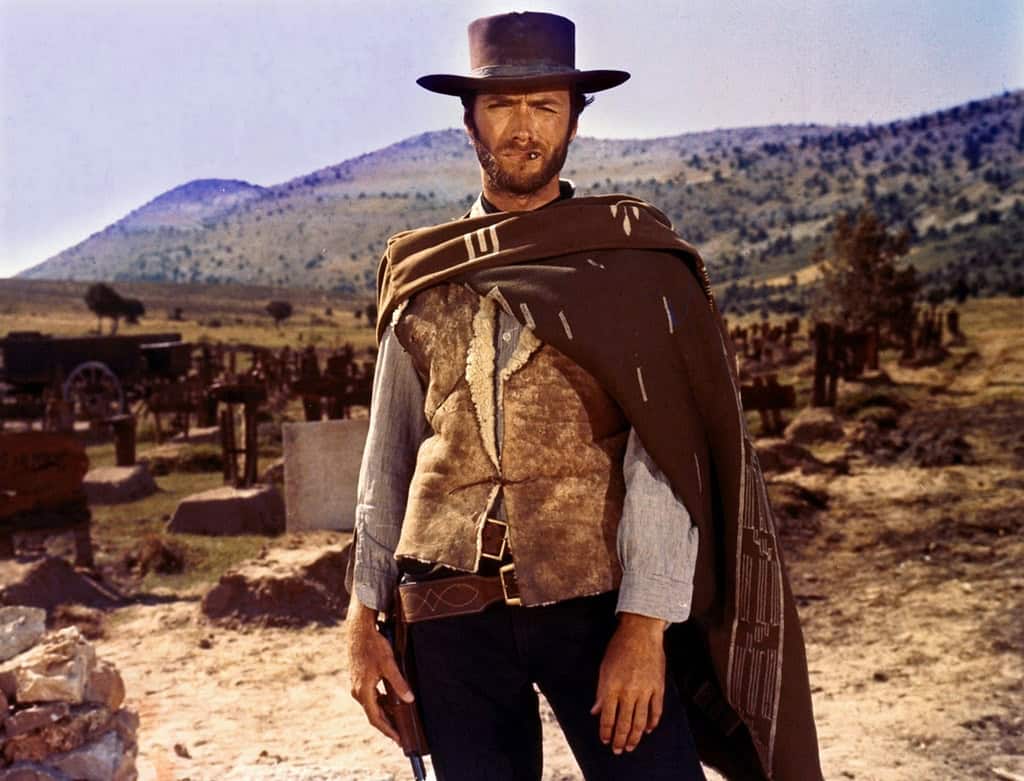
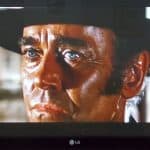
Few revenge Westerns have endured quite like Sergio Leone's "Once Upon a Time in the West." First released in 1968, the film combines Charles Bronson's mysterious gunslinger, Henry Fonda playing spectacularly against type, Claudia Cardinale at the center of a fight over valuable land, and one of Ennio Morricone's most celebrated scores. Calling any movie the single "best" revenge film is inevitably subjective, but this one has a very strong case. Here is why it still works, along with several other revenge classics worth watching.
Once Upon a Time in the West
- Directed by Sergio Leone, the film premiered in 1968 and opened in the United States in 1969
- Stars Henry Fonda, Charles Bronson, Claudia Cardinale, and Jason Robards
- IMDb rating: 8.5 from roughly 388,000 users as of September 2026
- Combines a fight over valuable railroad land with Harmonica's deeply personal pursuit of revenge
Its American Release Had a Rough Start
- The film was not a major success when it opened in the United States in 1969
- Paramount subsequently cut about 20 minutes from the American version in an attempt to improve its commercial prospects
- The removed material was later restored, allowing audiences to see Leone's longer cut
- Its reputation grew dramatically, ranking No. 95 in the 2022 Sight and Sound critics' poll and No. 46 in the directors' poll
Sergio Leone Makes You Wait for Everything
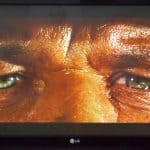
- Leone stretches scenes with long silences, extreme close-ups, and enormous widescreen landscapes
- The famous opening spends roughly 10 minutes watching three gunmen wait for a train
- Leone developed the story with future directors Bernardo Bertolucci and Dario Argento
- The film deliberately plays with familiar Western archetypes instead of simply repeating them
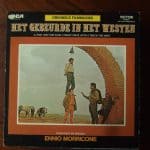
Ennio Morricone's Score Is Part of the Story
- Ennio Morricone composed the film's music before production was completed
- The principal characters were given distinctive musical themes that weave through the film
- Harmonica's recurring harmonica motif becomes inseparable from Charles Bronson's mysterious character
- The music does more than fill silence, often carrying emotional information before the characters explain anything
Charles Bronson's Harmonica Has One Score to Settle
- Bronson plays the mysterious gunslinger known simply as Harmonica
- The film initially keeps both his identity and his reason for pursuing Frank deliberately vague
- His revenge is eventually revealed to be tied to Frank's murder of his older brother years earlier
- Bronson plays the character with very little dialogue, letting the harmonica, close-ups, and long silences do much of the work
Henry Fonda Was Cast Completely Against Type
- Fonda plays Frank, a ruthless gunman working for railroad interests
- Audiences were accustomed to seeing Fonda play decent or heroic characters, particularly in Westerns
- Leone deliberately used that familiar image against the audience by introducing Frank as a cold-blooded killer
- That casting choice gives one of Hollywood's most familiar heroic faces a very different presence here
Revenge Is Only Part of What Drives the Story
- Harmonica's pursuit of Frank provides the film's central revenge thread
- Jill McBain's valuable property and an expanding railroad create a separate struggle over money and power
- The full reason for Harmonica's vendetta is withheld until late in the film
- That slow reveal lets the personal revenge story unfold alongside a much larger story about a changing American West
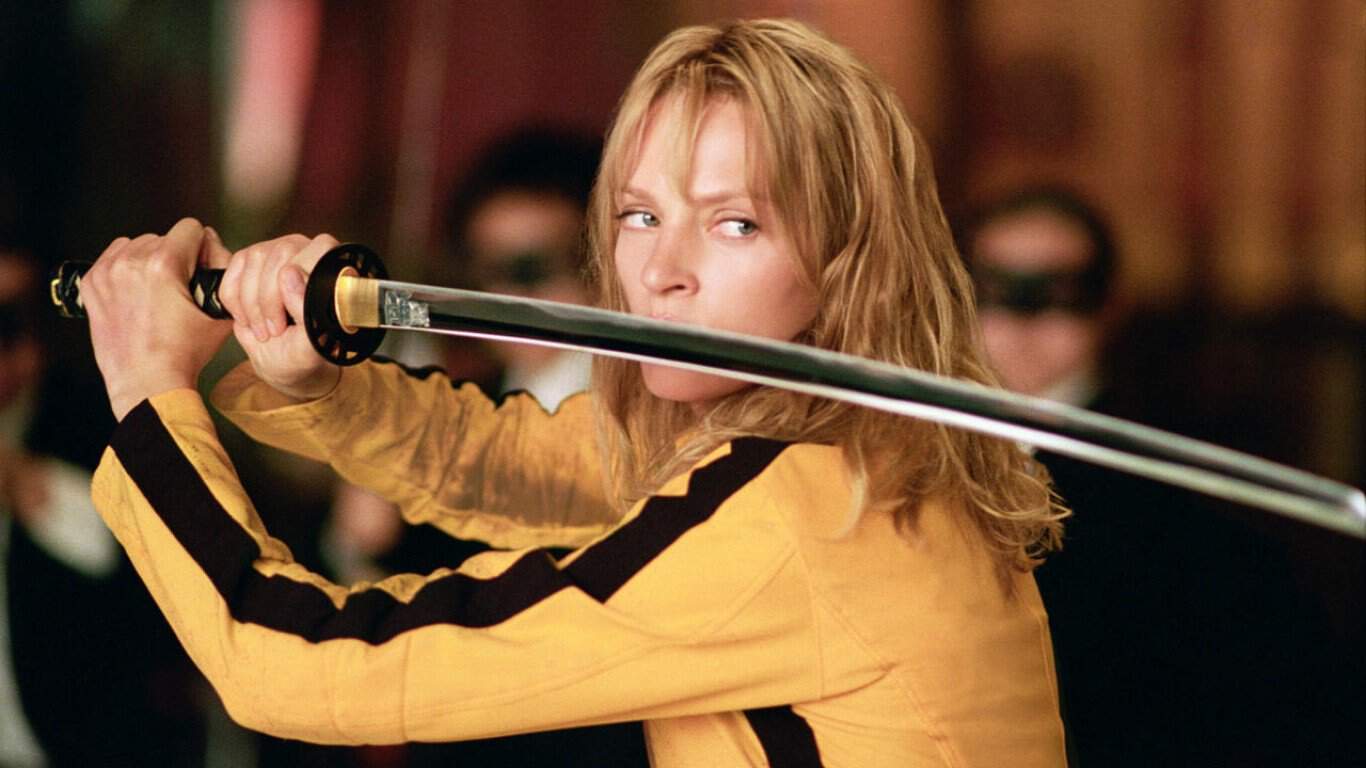
Other Revenge Classics: Kill Bill Vol. 1 (2003)
- Written and directed by Quentin Tarantino
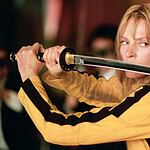
- Uma Thurman stars as the Bride, a former assassin attacked by her old associates
- She awakens from a coma four years later and begins hunting the people responsible
- The film mixes martial arts, samurai cinema, anime, and heavily stylized violence into a very different kind of revenge story
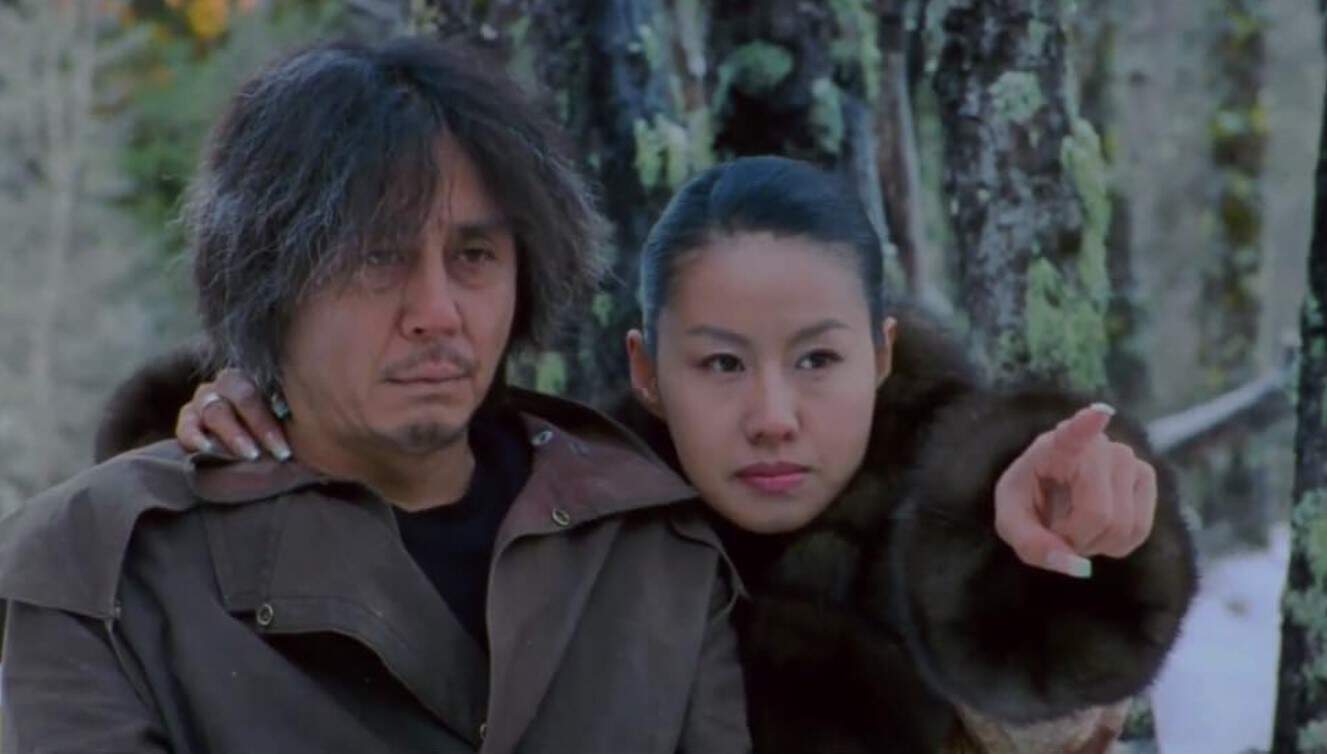
Oldboy (2003)
- South Korean revenge thriller directed by Park Chan-wook
- Oh Dae-su is kidnapped and imprisoned for 15 years without being told why
- After his unexplained release, he sets out to discover who imprisoned him and what motivated it
- The film won the Grand Prix at the 2004 Cannes Film Festival
Gladiator (2000)
- Directed by Ridley Scott and starring Russell Crowe as Roman general Maximus
- After Commodus seizes power and Maximus loses his family, the former general is enslaved and becomes a gladiator
- Won five Academy Awards, including Best Picture and Best Actor for Crowe
- Its revenge story plays out on an enormous scale, moving from personal loss to the center of imperial Rome
John Wick (2014)
- Keanu Reeves stars as a retired hitman mourning the death of his wife
- Gangsters break into his home, steal his car, and kill the puppy his wife left him
- Wick returns to the criminal world to hunt down the people responsible
- The 2014 film launched the larger "John Wick" franchise and became known for its tightly choreographed gunfights and close-quarters action
The Count of Monte Cristo (2002)
- Directed by Kevin Reynolds and based on Alexandre Dumas' 1844-45 novel
- Edmond Dantès is betrayed, wrongfully imprisoned, and eventually escapes to seek revenge
- Stars Jim Caviezel as Edmond and Guy Pearce as Fernand, with Richard Harris as Abbé Faria
- The film turns Dumas' sprawling story into a brisk swashbuckling tale built around betrayal, reinvention, and carefully planned payback