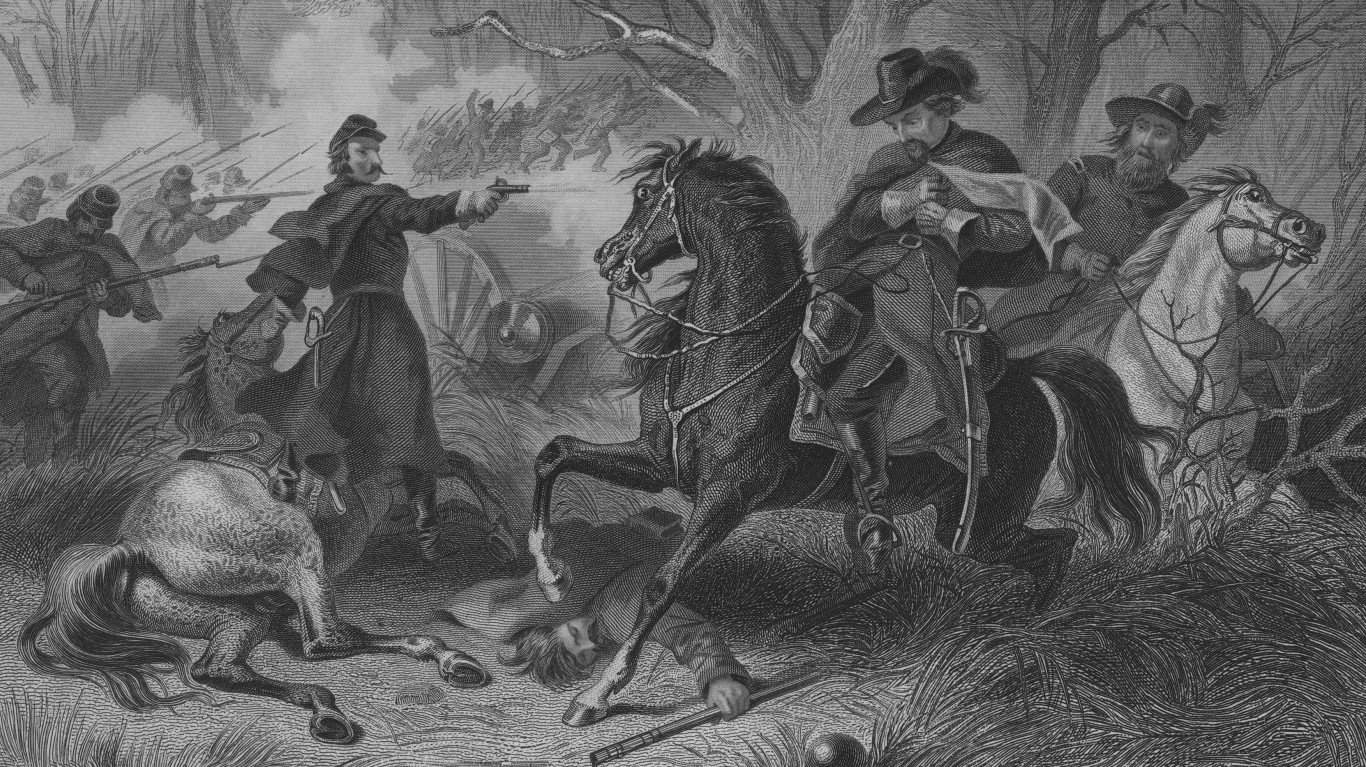
The American Civil War was defined not only by its political and moral issues, but by a series of brutal, high-casualty battles. These conflicts altered the nation’s history and landscape. Fought on everything from sprawling fields in Pennsylvania to riverbanks in Tennessee, these battles resulted in an enormous cost of human lives on a major scale. The Civil War pitted brother against brother and tested the limits of military strategy, leadership, and endurance. Many of these conflicts changed public morale and influenced decisions that would determine the war’s eventual outcome.
The most devastating battles of the Civil War stand out for both their massive scale and for the suffering they inflicted on soldiers and civilians alike. These confrontations were defined by extreme loss of life, destructive strategies, and profound courage. By taking a look at these clashes, we gain a clearer understanding of how the war played out.
To identify the deadliest battles of the American Civil War, 24/7 Tempo reviewed statistics on the data site Statista, which in turn obtained its information from the American Battlefield Trust, an organization that preserves America’s battlegrounds, and the U.S. Department of Defense. In the end, the Union prevailed, but at a tremendous cost to human life.
Here are the most devastating battles of the Civil War:
10. Siege of Vicksburg

- When: May 18-July 4, 1863
- Total casualties: 19,233
- Fatalities: 1,611
- Which side prevailed: Union Army
Due to its location along the Mississippi River, Vicksburg provided an essential supply route for the Confederacy. The Union cut off that supply line by gaining control of the city. Abraham Lincoln termed the Vicksburg victory “the key to the war.”
9. Second Battle of Bull Run
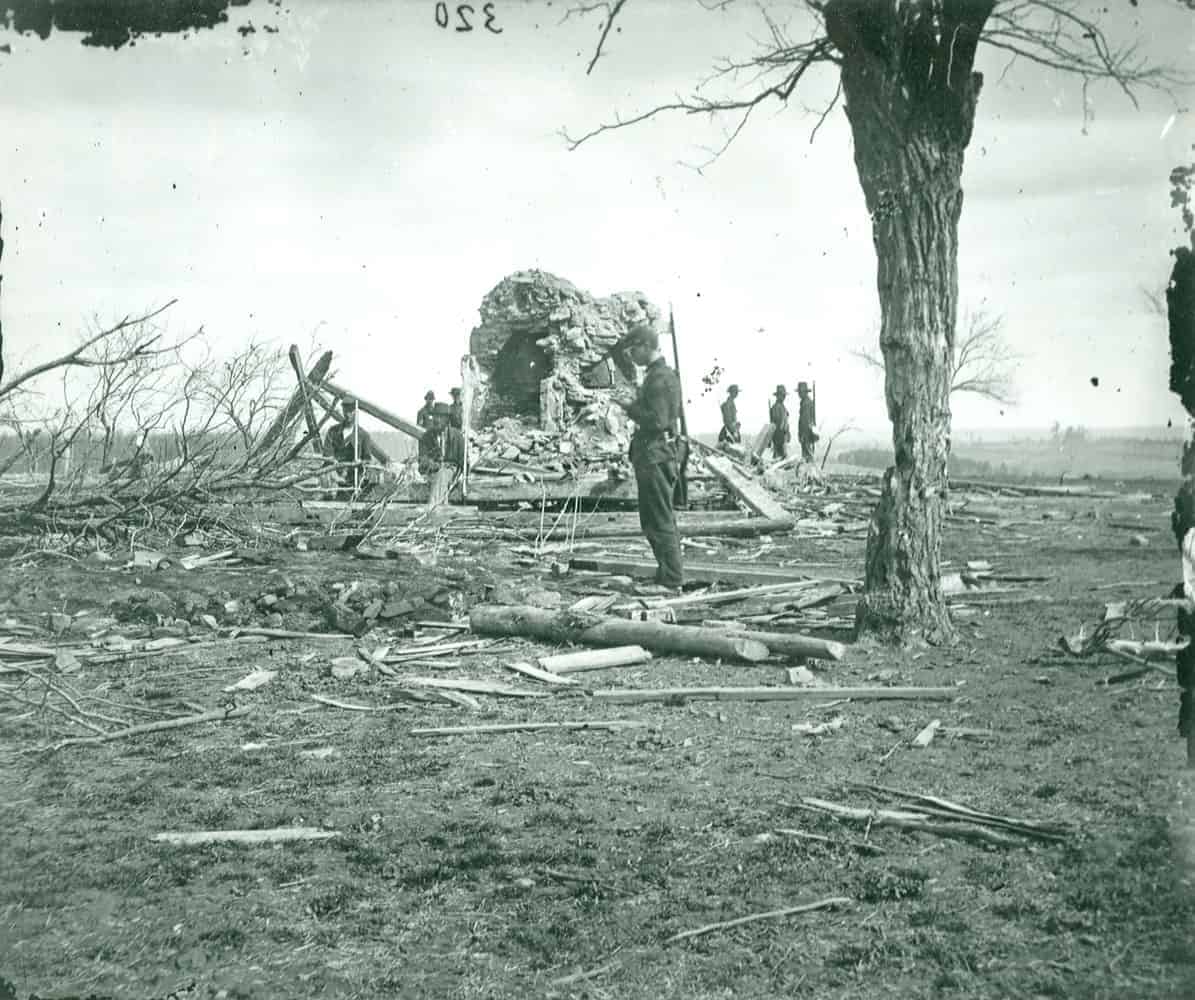
- When: Aug. 28-30, 1862
- Total casualties: 22,180
- Fatalities: 2,843
- Which side prevailed: Confederate Victory
The Second Battle of Bull Run (also known as the Battle of Second Manassas) proved to be a major victory for the South and General Robert E. Lee but it came at a cost of more than 1,000 Confederate lives. Lee’s victory enabled him to take his army across the Potomac and into western Maryland, where he and McClellan would battle again at Antietam.
8. Battle of Antietam
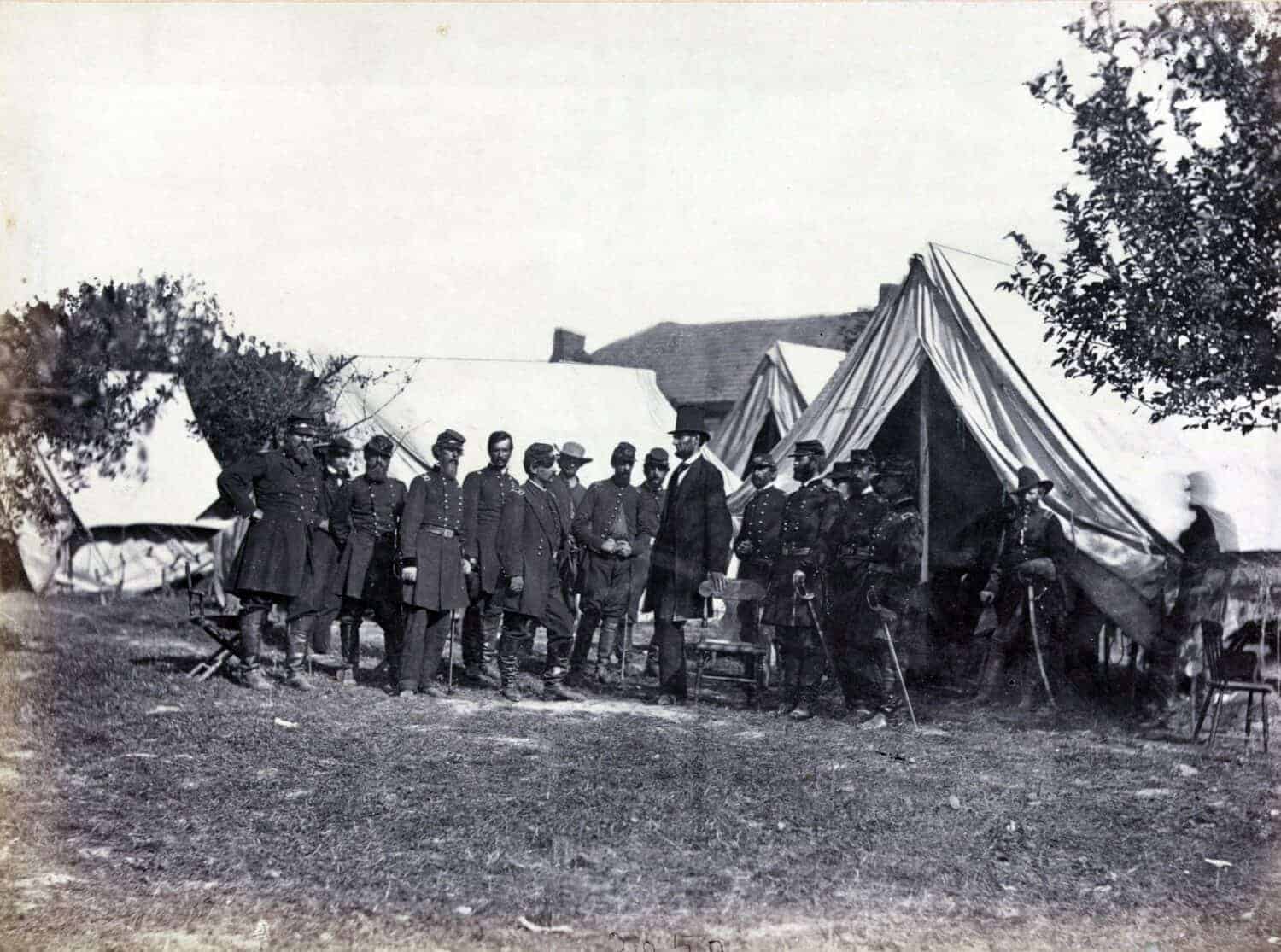
- When: Sept. 17, 1862
- Total casualties: 22,717
- Fatalities: 3,654
- Which side prevailed: Union Army
The Union declared victory in the bloodiest one-day battle in U.S. history until World War II. Despite the toll, the Union win gave Lincoln the victory he needed to release his Emancipation Proclamation.
7. Battle of Stones River
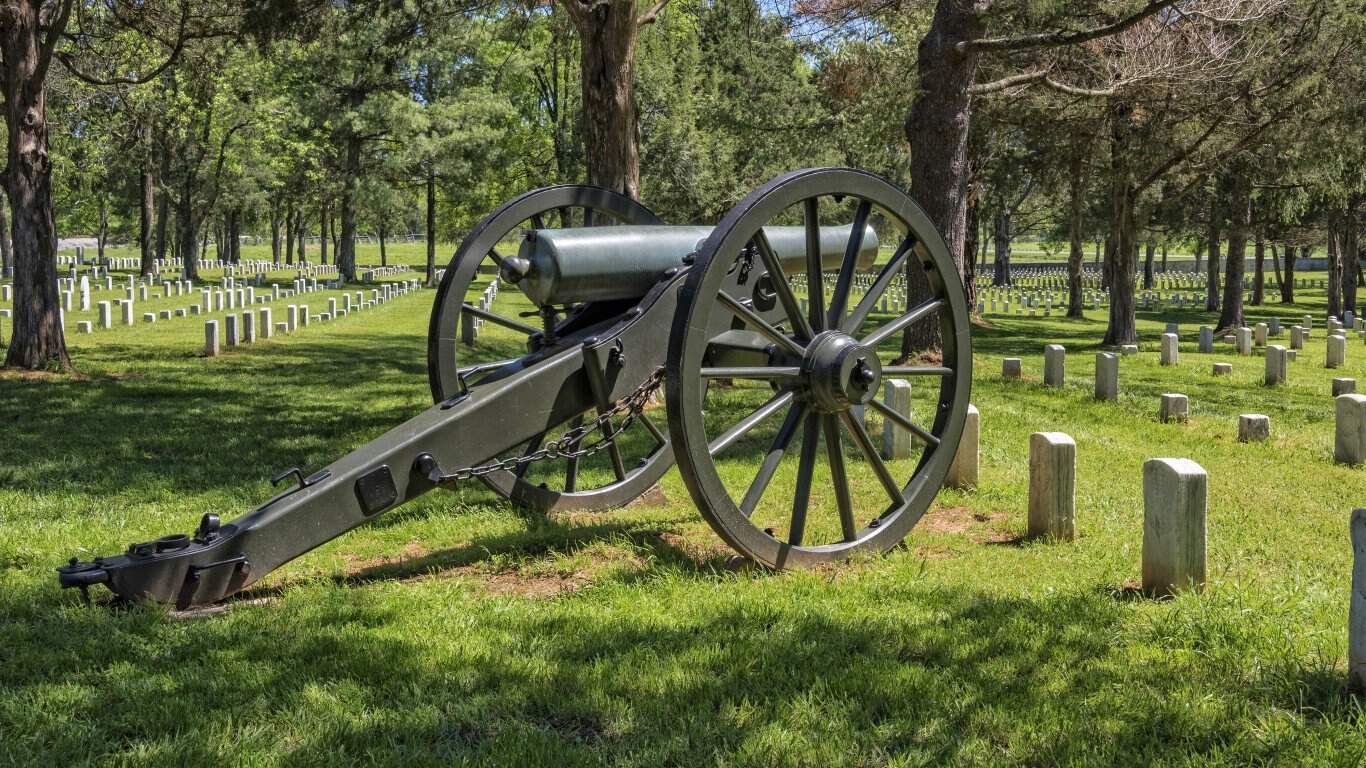
- When: Dec. 31, 1862-Jan. 2 1863
- Total casualties: 23,515
- Fatalities: 2,971
- Which side prevailed: Union Army
Union forces led by Major General William Rosecrans clashed with the Confederate army commanded by General Braxton Bragg, and the two sides battled back and forth near Murfreesboro, Tennessee. On Jan. 2, 1863, Union forces achieved a much-needed victory.
6. Battle of Shiloh
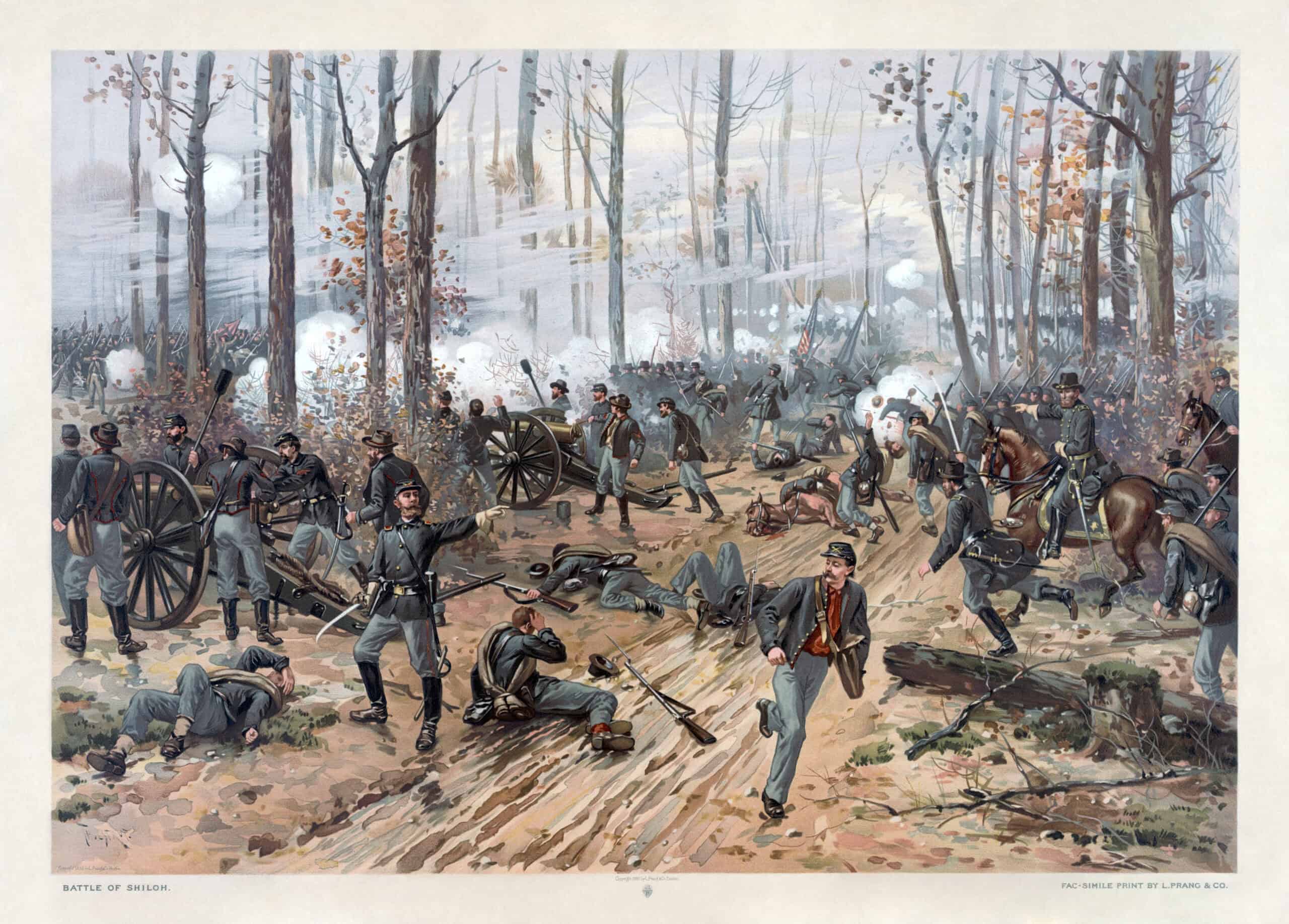
- When: April 6-7, 1862
- Total casualties: 23,746
- Fatalities: 3,482
- Which side prevailed: Union Army
An early battle in the Civil War, the Battle of Shiloh in southwestern Tennessee was one of the deadliest. The battle gets its name from Shiloh Church near which the fighting occurred.
5. Battle of Chancellorsville
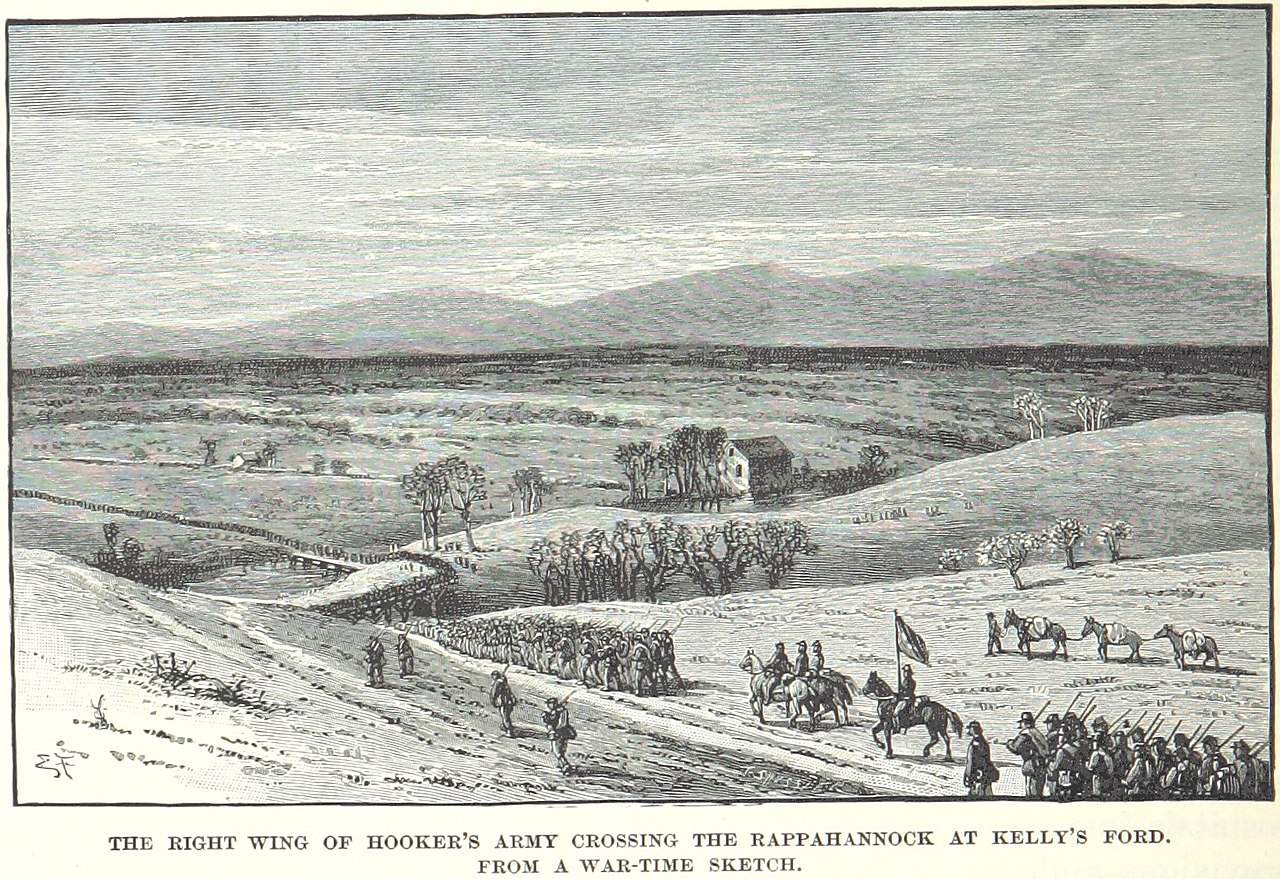
- When: April 30-May 6, 1863
- Total casualties: 24,000
- Fatalities: 3,418
- Which side prevailed: Confederate Army
The battle is famous for having been the last fought by Confederate General Thomas “Stonewall” Jackson, who was shot during the fighting and succumbed to pneumonia eight days later.
4. Battle of the Wilderness
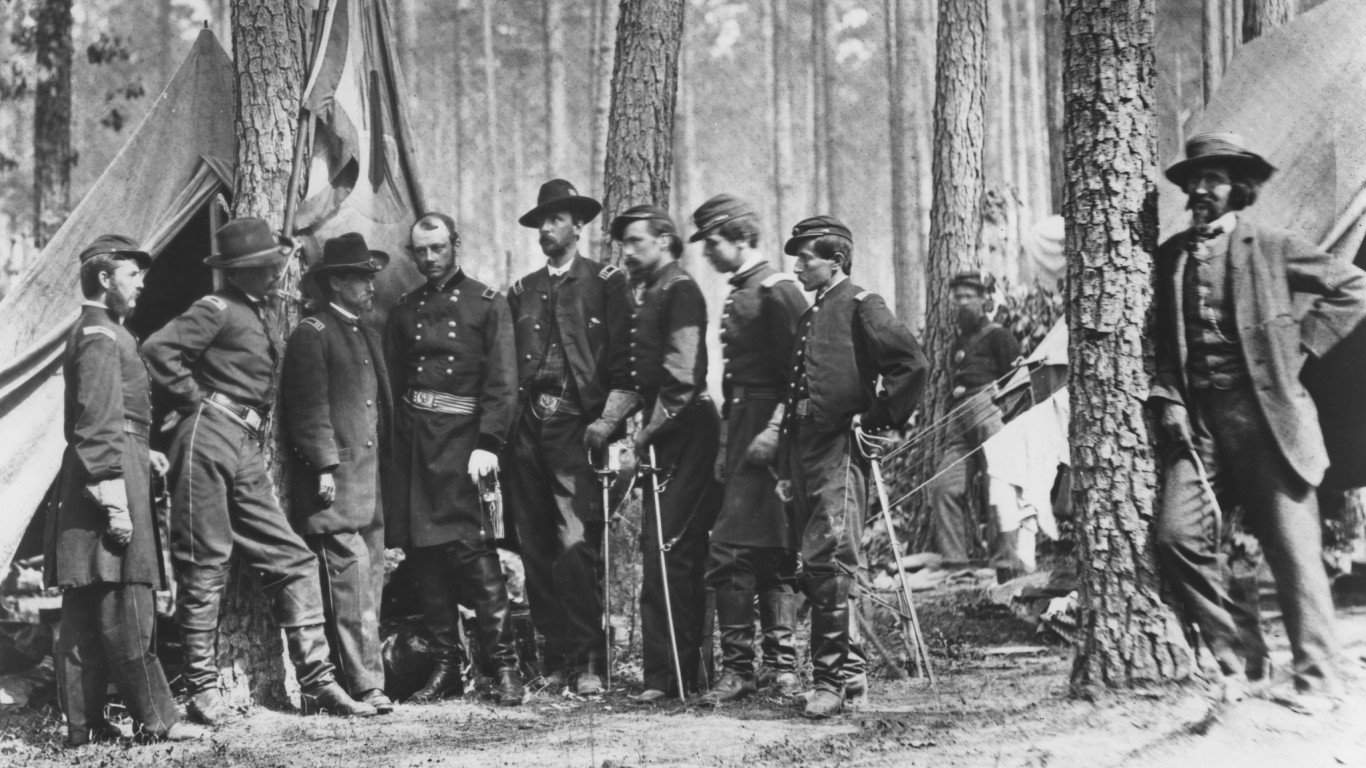
- When: May 5-7, 1864
- Total casualties: 29,800
- Fatalities: 3,723
- Which side prevailed: No side claimed victory
Newly appointed General in Chief of the Union Army Ulysses S. Grant confronted General Robert E. Lee in the dense woods in northern Virginia known as the Wilderness. The thick brush negated the Union’s numerical advantage, but after two days of fierce fighting, the battle was considered a draw. Grant, however, refused to retreat and continued his march toward the Confederate capital of Richmond.
3. Battle of Spotsylvania Court House
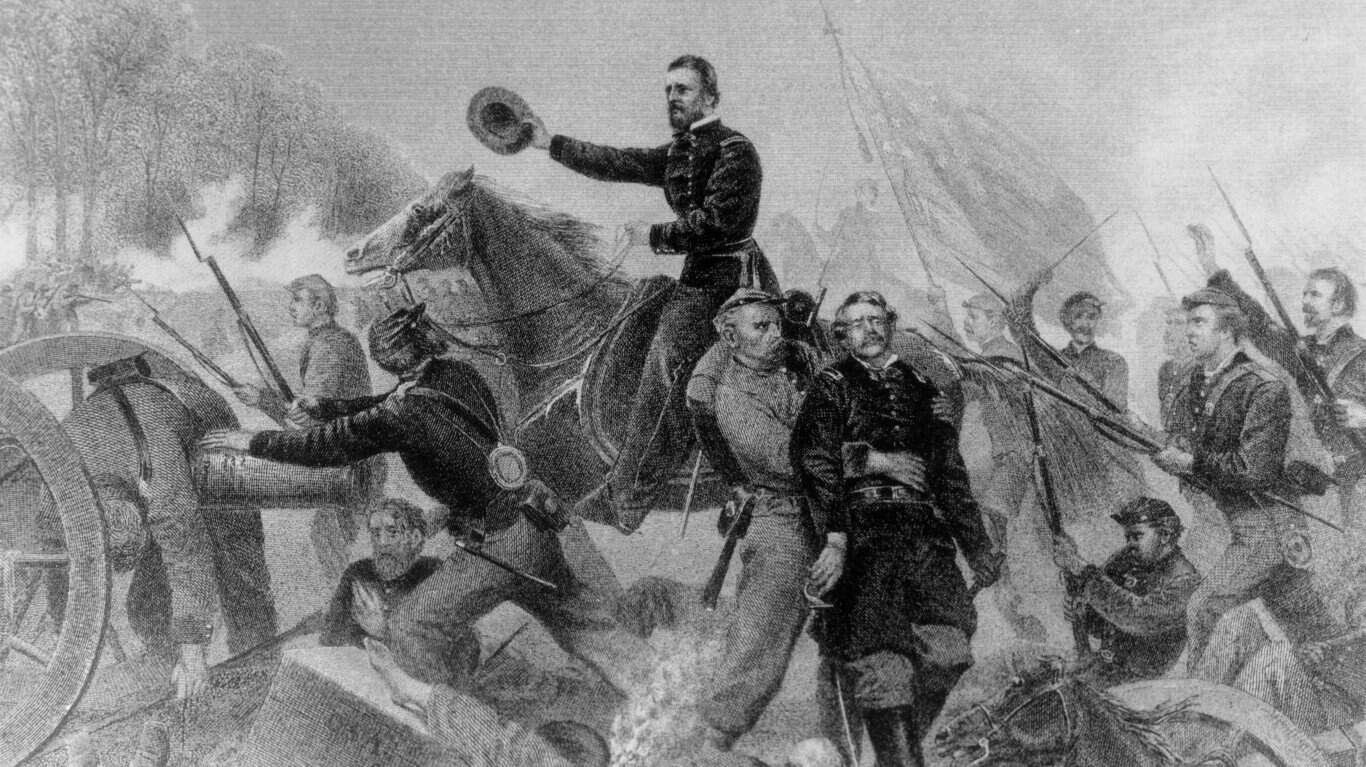
- When: May 9-21, 1864
- Total casualties: 30,000
- Fatalities: 4,240
- Which side prevailed: Inconclusive – both sides claim to have won
Over 12 days, Ulysses S. Grant’s Army of the Potomac and Robert E. Lee’s Army of Northern Virginia battled as both sides inflicted huge losses. But the battle was ultimately considered a stalemate as Grant disengaged his troops. Yet Grant kept up his march on the Confederate capital, forcing Lee to order his troops to deploy between the Union forces and Richmond.
2. Battle of Chickamauga
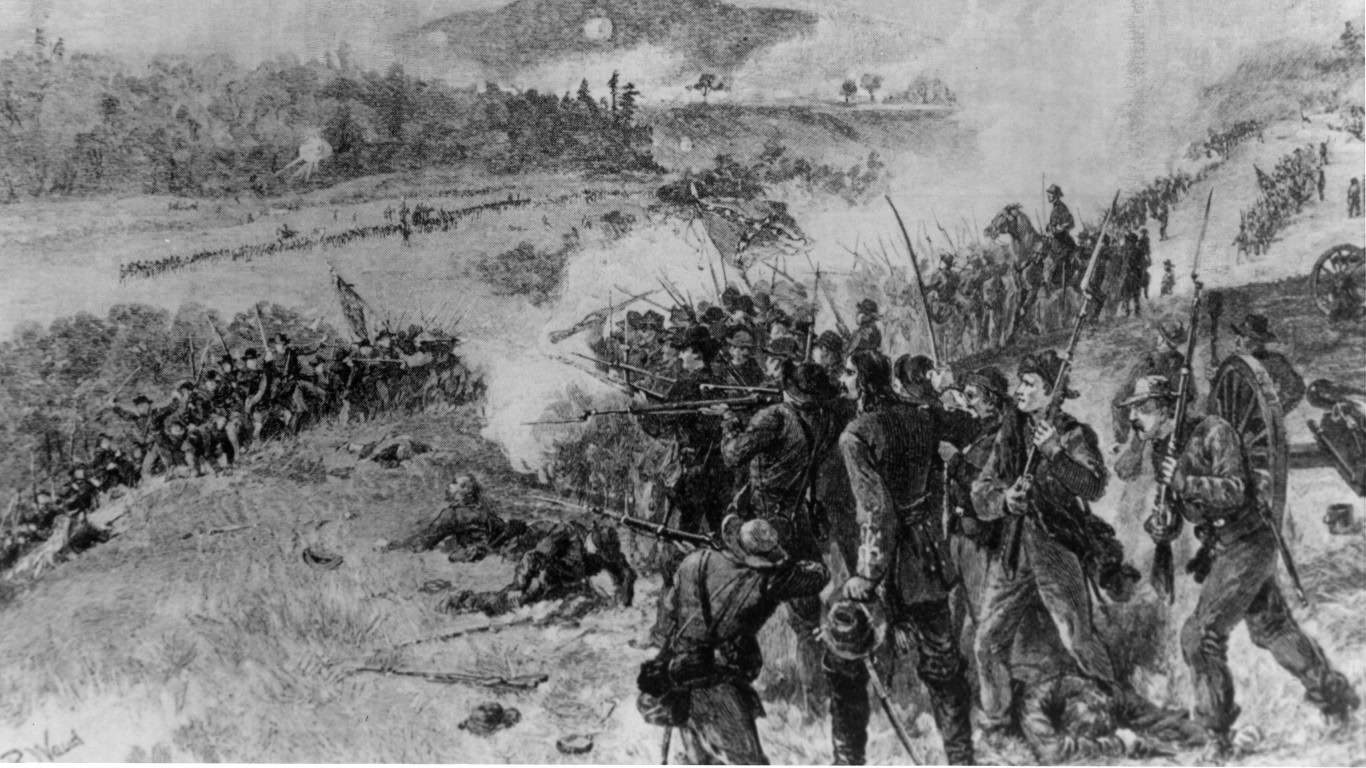
- When: Sept. 18-20, 1863
- Total casualties: 34,624
- Fatalities: 3,969
- Which side prevailed: Confederate Army
The Army of Tennessee led by General Braxton Bragg initially defeated a force commanded by Union General William Rosecrans at Chickamauga, Georgia. When Bragg failed to build on the initial success, he allowed the Federal troops to reach Chattanooga. Reinforced by troops led by Ulysses S. Grant, the Union overtook Chickamauga, reversing what could have been a decisive victory for the South.
1. Battle of Gettysburg
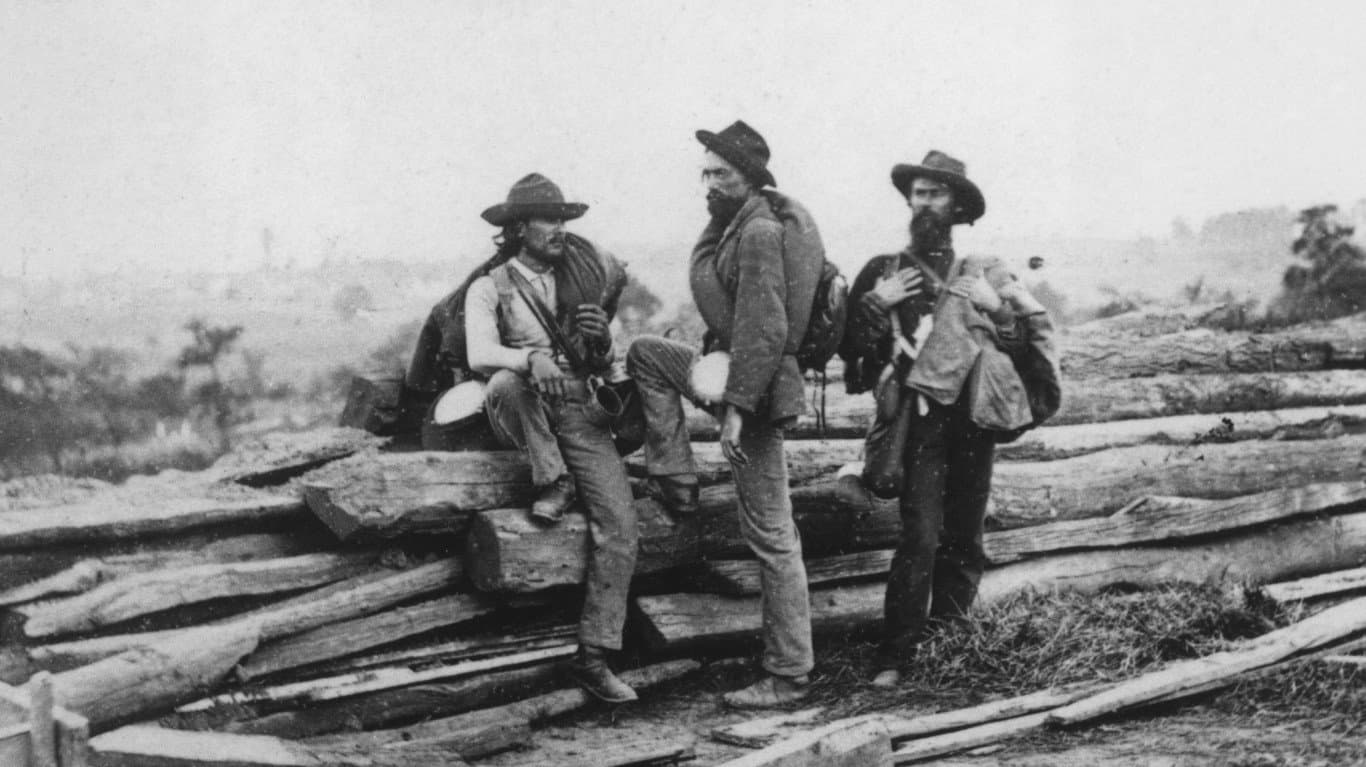
- When: July 1-3, 1863
- Total casualties: 51,000
- Fatalities: 7,058
- Which side prevailed: Union Army
The Battle of Gettysburg was the pivotal battle of the Civil War. Robert E. Lee’s Army of Northern Virginia marched into the small town of Gettysburg, Pennsylvania where they clashed with Federal troops led by General George G. Meade. When Lee’s troops failed to break the Union line at Cemetery Ridge, the Southern general retreated on July 4 and his advance on the North was halted.