Pixel-Shot / Shutterstock.com

Courtesy of National Broadcasting Company (NBC)
Morphart Creation / Shutterstock.com

Richard Whitcombe / Shutterstock.com
FPG/Hulton Archive/Getty Images

ABCDstock / Shutterstock.com

Serg Grbanoff / Shutterstock.com

Joel 100x35 Por.Ahi.PR / Shutterstock.com





7 Famous Folks Who Died While On the 'Porcelain Throne'
Most of us get to choose how we live. But for the most part, we don’t get to choose how we die. Death comes for everyone, and it doesn't always pick a dignified moment. Of all the undignified places for things to go wrong, few beat the toilet, and history has tied more than a few notable deaths to bathrooms, privies, and latrines in ways that sound completely made up.
It sounds like the setup to a bad joke, but the stories are real. Some of these people literally died while using a toilet. Others were found beside one or suffered the fatal event there before dying later. No one is immune either. Rulers, celebrities, and so many more have been caught off guard during their most private moment. Here are seven famous people whose deaths had a bizarre connection to the porcelain throne, a list that spans nearly 2,600 years of history.
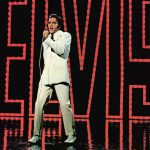
Elvis Presley (1977)
Elvis was 42 when he was found unresponsive on the bathroom floor at Graceland on August 16, 1977. Early reports described the cause as cardiac arrhythmia, but a later statement from the Shelby County coroner attributed his death to hypertensive heart disease, with coronary artery disease contributing. Prescription drugs were present in his system, but the official ruling did not list an overdose as the cause.
That does not mean the drugs are irrelevant to the larger Elvis story. His prescription drug use and declining health in his final years are well documented. But the popular version that he simply overdosed while sitting on the toilet goes further than the official record supports. What we can say with confidence is that the King was found on his bathroom floor at Graceland and that the official ruling attributed his death to serious heart disease.
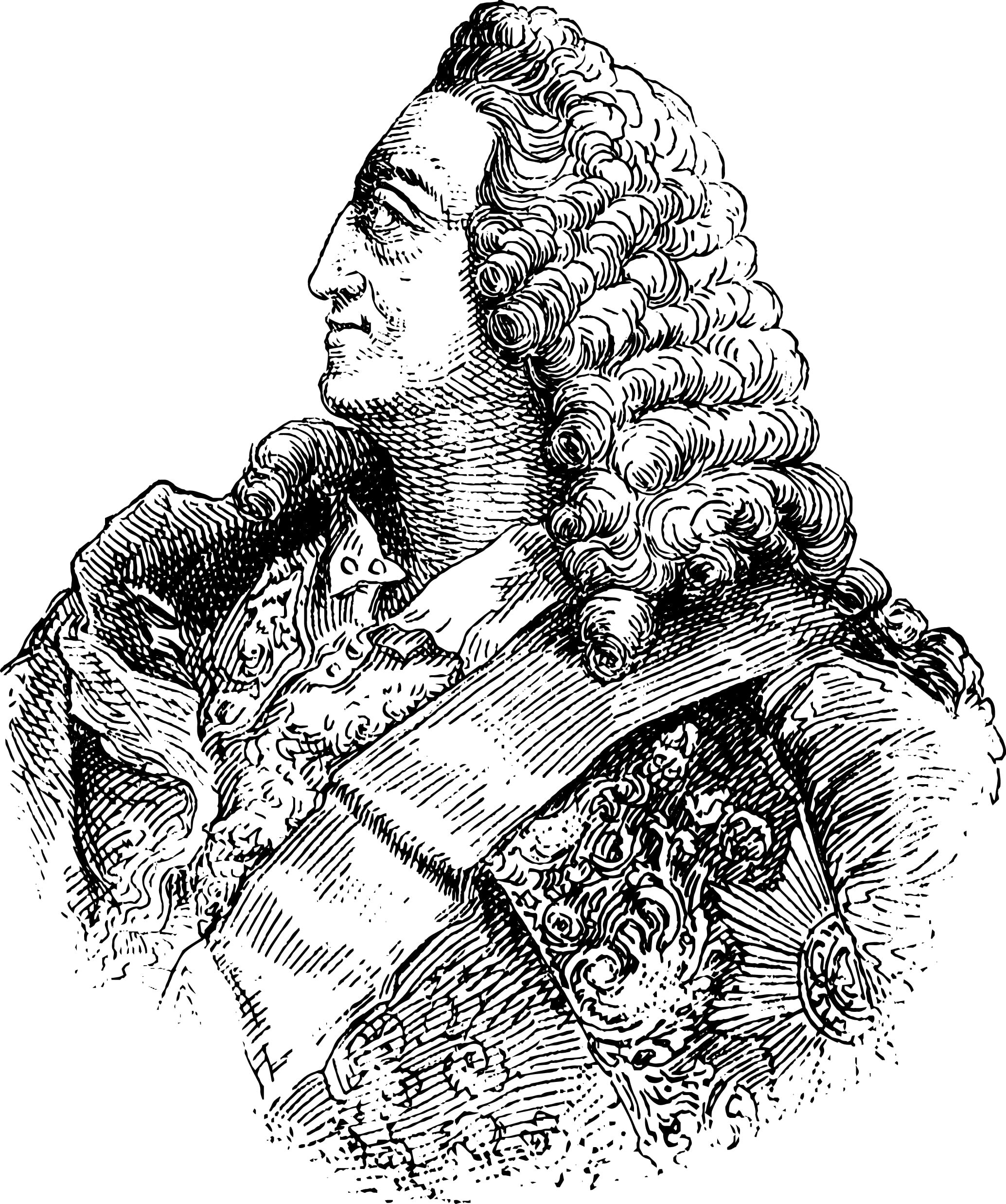
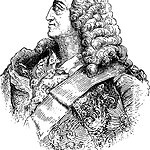
King George II (1760)
George II had ruled Great Britain and Ireland for more than three decades by 1760. On the morning of October 25, the 76-year-old rose at his usual early hour, drank his hot chocolate, and went to his privy. His valet heard a crash and found the king unresponsive on the floor.
The autopsy found a tear in his aorta, the body's main artery, along with blood collected around the heart. Doctors now recognize the findings as an acute aortic dissection that ruptured into the sac surrounding the heart. Physicians in 1760 did not yet have the modern name for it, but the autopsy became the first clear recorded description of the condition.
Godfrey the Hunchback (1076)
Godfrey IV, Duke of Lower Lorraine, spent years fighting Count Dirk V of Holland and Dirk's ally Robert the Frisian. In February 1076, medieval chroniclers say an assassin struck Godfrey after the duke had retired to relieve himself. The famous version has the attacker waiting beneath an elevated privy and driving a sharp weapon upward, but the surviving sources disagree on the exact location, weapon, and person behind the plot.
The core detail does hold: the attack happened while Godfrey was answering nature's call. He survived the initial wound and died about a week later, on February 26, 1076. His death changed the balance of power in the region and helped clear the way for Dirk V to reconquer West Frisia. So Godfrey did not technically die on the toilet, but the privy was where the fatal chain of events began.
Judy Garland (1969)
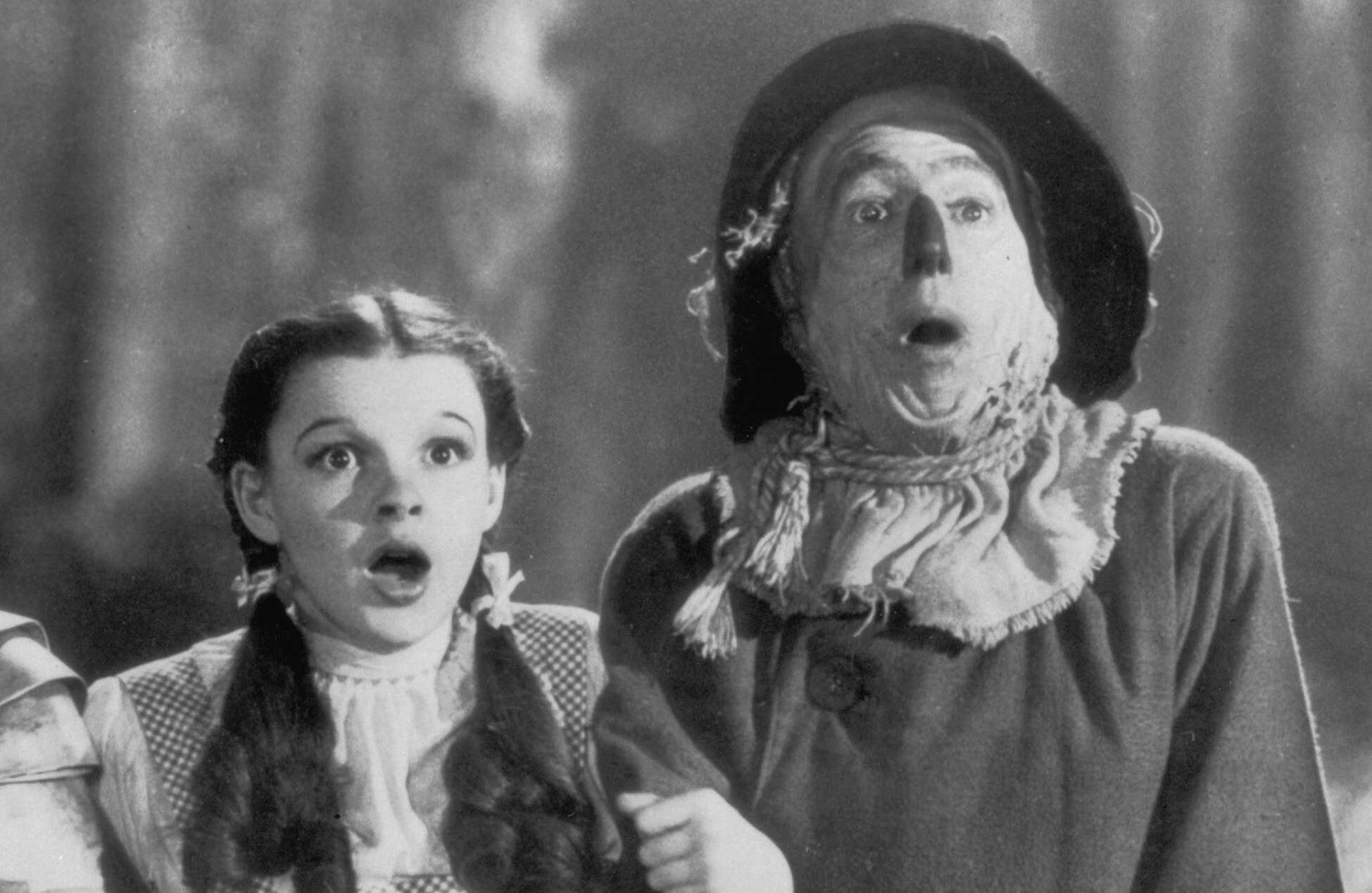
Judy Garland was one of the biggest stars in Hollywood, best known for playing Dorothy in The Wizard of Oz. By 1969, she had spent decades struggling with amphetamines and sleeping pills. Garland later described MGM giving young performers pep pills to keep them working and sleeping pills to bring them back down, although biographers have also traced her exposure to stimulants back to her mother before the studio years.
She was 47 when her husband, Mickey Deans, got into the locked bathroom of their London home on June 22, 1969, and found her slumped on the toilet. The coroner ruled the death accidental, describing it as an incautious self-overdosage of barbiturates. Unlike some of the murkier stories on this list, Garland's connection to the porcelain throne is well documented.
Duke Jing of Jin (581 BC)
The ancient Chinese chronicle Zuo Zhuan tells of Duke Jing, ruler of the powerful state of Jin, who died in 581 BCE. While he was ill, a shaman warned him that he would not live long enough to taste the season's new wheat. When the grain finally arrived and Jing was still alive, he had it brought before him, summoned the shaman, and put him to death for what looked like a failed prophecy.
Then came the twist. Before Jing could taste the wheat, the chronicle says he felt the need to go to the privy, fell in, and died. It does not actually say he drowned, so that extra detail is best left out. Either way, according to the ancient account, the shaman's prediction came true in the most humiliating way imaginable: Jing never tasted the wheat after all.
Lenny Bruce (1966)
Lenny Bruce built his career by testing the limits of what a comedian was allowed to say onstage, and it cost him. Beginning in 1961, he was arrested repeatedly on obscenity charges in cities including San Francisco, Chicago, Los Angeles, and New York. The legal battles consumed his act and his money, and after his 1964 New York conviction, clubs around the country became increasingly reluctant to book him.
By the time Bruce was found dead on the bathroom floor of his Hollywood Hills home on August 3, 1966, he was 40 and struggling with drug addiction alongside those legal battles. The cause was a morphine overdose. He was not clearly found sitting on the toilet, so this one belongs on the list because of where he died, not because he literally died on the throne. His obscenity trials went on to become part of First Amendment history, and New York granted him a posthumous pardon in 2003.
Christopher Shale (2011)
Christopher Shale was a British Conservative who chaired the local party association in David Cameron's Oxfordshire constituency. In June 2011, a memo he'd written criticizing parts of his own party as "graceless, voracious, crass, always on the take" leaked to a newspaper. Shale was at the Glastonbury Festival that weekend, and Downing Street contacted him to warn that the memo was about to become a news story.
His body was found in a portable toilet in a backstage area of the festival on June 26, 2011. He was 56. Early reports suggested a heart attack, but the later inquest was more specific: the coroner ruled that Shale died naturally from heart disease and said there was no evidence of a recent heart attack. The location, at least, was never in doubt.