
Courtesy of Netflix

Courtesy of National Broadcasting Company

Courtesy of National Broadcasting Company (NBC)
Courtesy of National Broadcasting Company
Courtesy of 20th Century Fox Television
Courtesy of Fox Network

Courtesy of National Broadcasting Company (NBC)
Courtesy of 20th Television
Courtesy of Cartoon Network
Courtesy of CBS
Courtesy of ABC

courtesy of Paramount Network Television
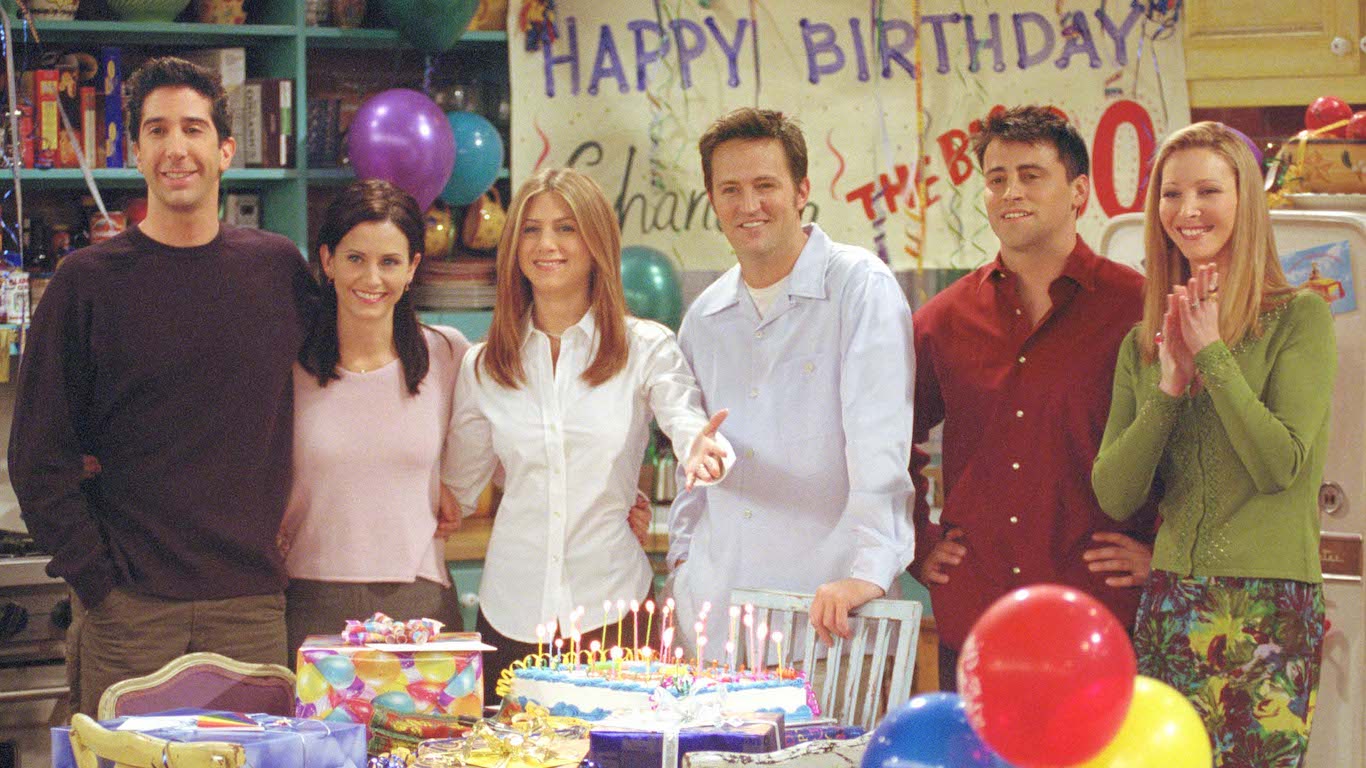
Photo by Warner Bros. Television

Courtesy of National Broadcasting Company (NBC)

Michael Ochs Archives / Michael Ochs Archives via Getty Images

Courtesy of Warner Bros.

Courtesy of CBS
Courtesy of NBC

Courtesy of Fox Network
Courtesy of FX Network









20 Questionable Moments From Sitcoms That Would Not Fly in Today’s World
We've all laughed along with our favorite sitcoms like Friends, The Office, Seinfeld, and more. However, we never imaged that years later, some of the jokes we once thought were hilarious would feel uncomfortable or outright inappropriate. But that's the thing about comedy: it's a product of its time. Watching these shows today, it's hard not to wince at some of the scenes that just wouldn't make it past a network exec or streaming platform standards anymore.
This gallery takes a look back at 20 sitcom moments that, while iconic or once-loved, wouldn't air in today's climate. As a longtime TV fan, I'll admit, I watched and enjoyed most of these episodes when they first aired. I laughed when Michael Scott did his absurd impressions during "Diversity Day," or when Ross and Brad Pitt spread a ridiculous rumor about Rachel in Friends. But looking back now, with a little more awareness under our belts, it's clear that many of these moments relied on racist, sexist, transphobic, or otherwise harmful tropes for laughs.
That doesn't mean we have to "cancel" the shows or pretend we never watched them. It just means recognizing that culture evolves, and the bar for comedy is higher now, more thoughtful, more inclusive, and less reliant on lazy stereotypes. Some shows, like 30 Rock and It's Always Sunny, have even removed episodes involving blackface, acknowledging the harm and trying to make things right. Others, like The Simpsons, changed voice actors to better reflect the characters they portray.
At the end of the day, this list isn't just a takedown, it's a reminder of how far we've come. And for those of us who grew up with these shows, it's a chance to revisit them with fresh eyes, to reflect, cringe a little, and maybe appreciate how comedy (and society) keeps growing. Because being a fan doesn't mean blind loyalty, it means engaging with the things we love, even when they don't age well.
Friends – 'The One with the Rumor' (2001)
In this Thanksgiving episode, Brad Pitt guest stars as a former classmate who co-founded an 'I Hate Rachel' club with Ross. They spread a rumor that Rachel was a hermaphrodite. The joke hinges on transphobia and outdated gender stereotypes, which would be seen as deeply insensitive today. Modern audiences are more aware of the harm such punchlines can cause to the trans and intersex communities.
The Office – 'Diversity Day' (2005)
Michael Scott hosts a wildly inappropriate diversity seminar where he imitates different ethnicities using offensive accents. Though played for laughs, the humor relies on racial stereotypes and tone-deaf behavior. Today, this kind of comedy would likely face significant backlash. Workplace diversity is a serious topic, and mocking it in this way feels dated and out-of-touch.
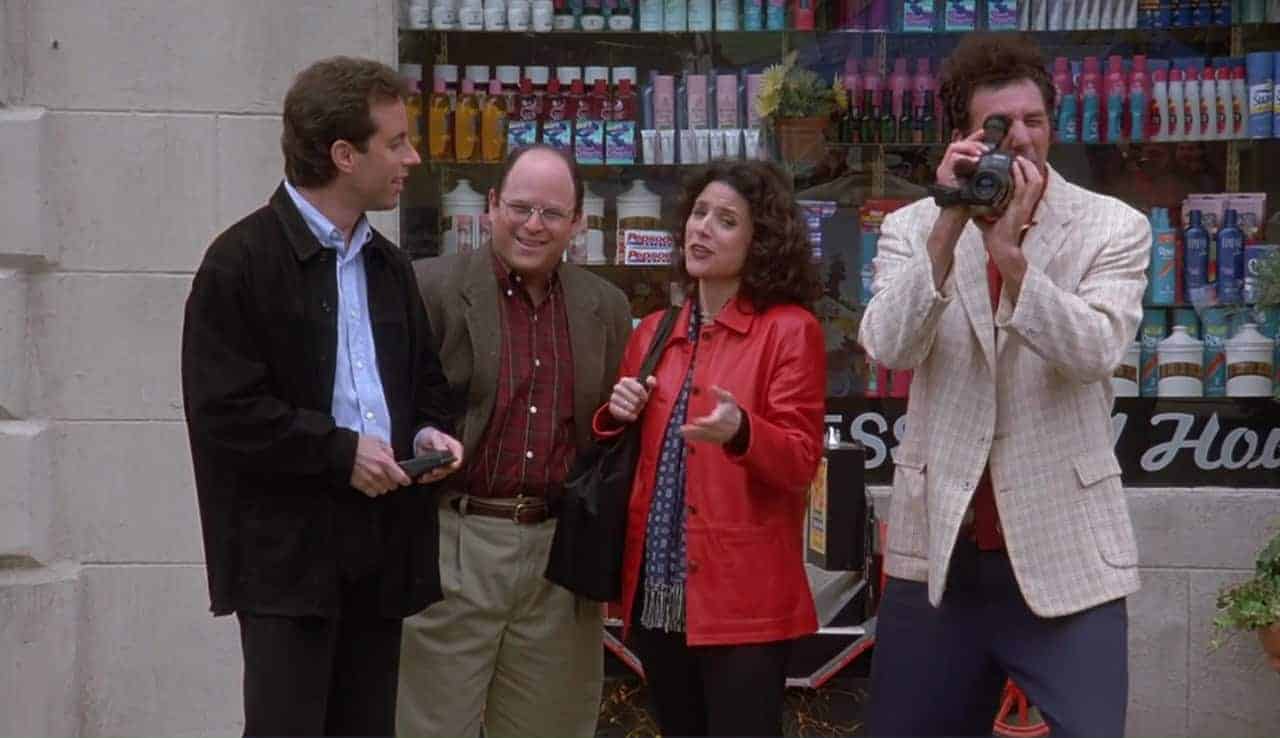
Seinfeld – 'The Outing' (1993)
In this episode, a reporter mistakenly believes Jerry and George are a gay couple, and they repeatedly deny it with the line, 'Not that there's anything wrong with that.' While intended as progressive at the time, the repeated disclaimers come off today as awkward and insincere. The episode's comedy relies on gay panic, a trope that is now widely criticized. It wouldn't be written the same way today.
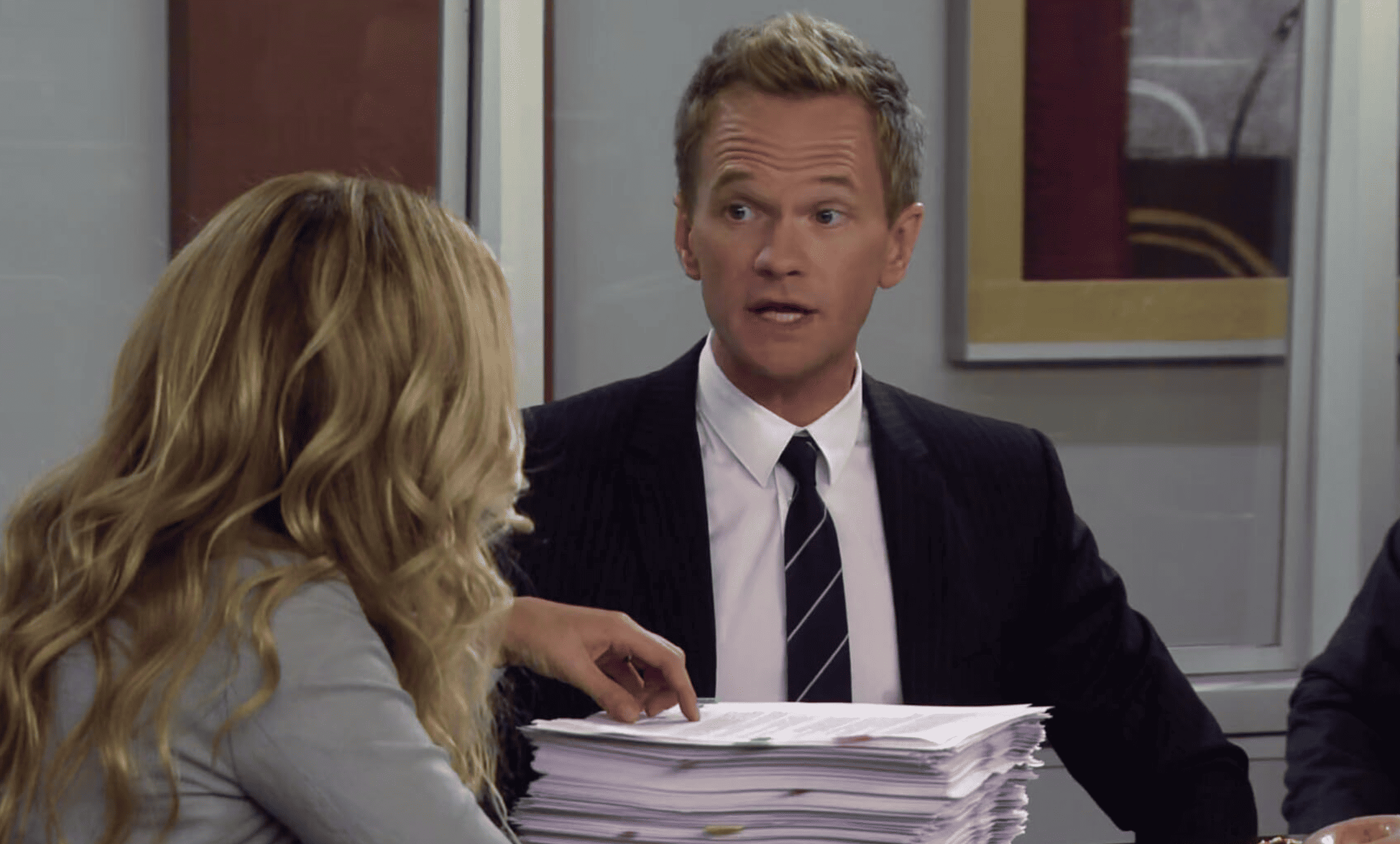
How I Met Your Mother – 'Slapsgiving 3: Slappointment in Slapmarra' (2014)
This episode features the characters dressing in Asian-themed costumes and using kung fu clichés in a parody training montage. It was accused of cultural appropriation and leaning on racial stereotypes. The characters' exaggerated accents and faux-Asian wisdom would not be acceptable by today's standards. The humor comes at the expense of an entire culture.
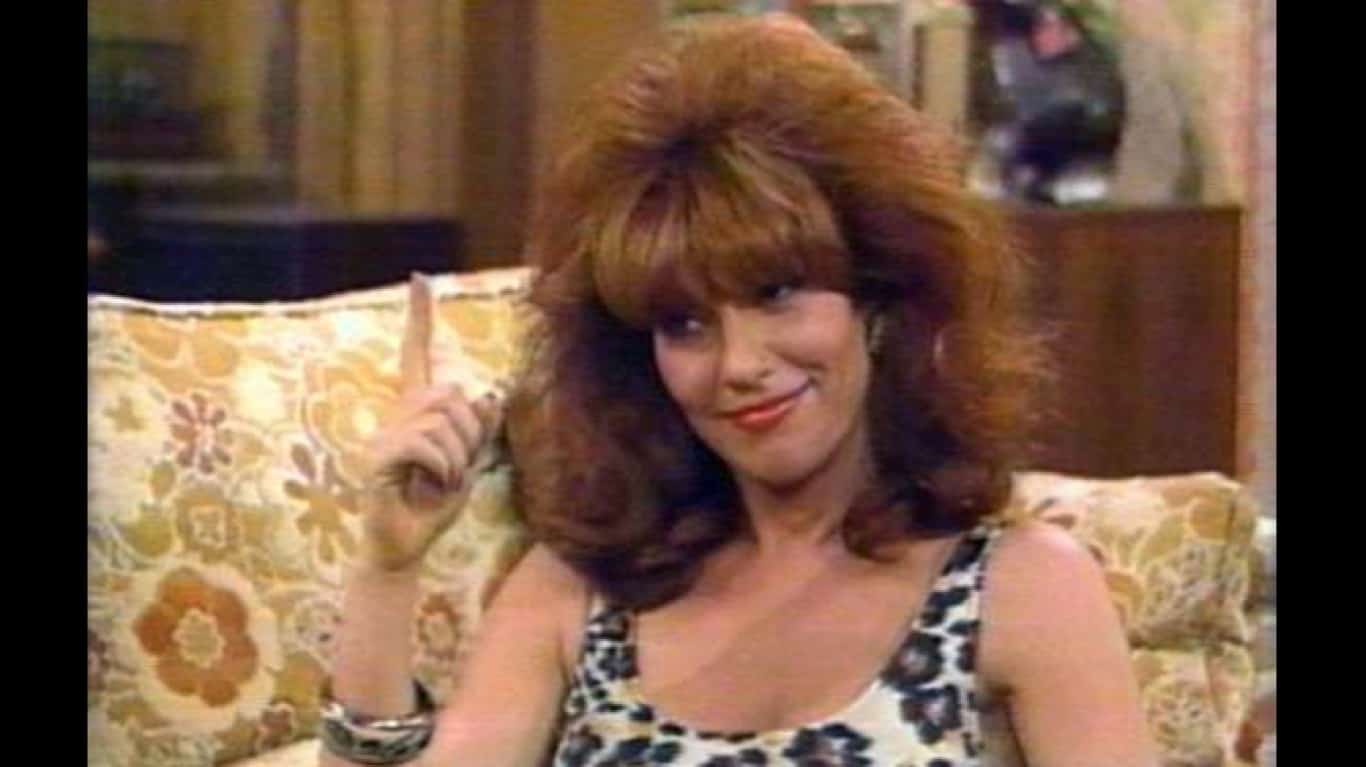
Married… with Children – 'Her Cups Runneth Over' (1989)
Al and Steve go on a mission to find Peg's favorite bra, leading them to a shady lingerie store and ogling women. The show's casual sexism and objectification of women were once standard sitcom fare. Today, this would likely be criticized for promoting outdated gender roles and reducing women to punchlines. Sexual harassment is no longer considered funny or harmless.
30 Rock – 'Believe in the Stars' (2008)
In this episode, Jenna and Tracy swap identities to discuss race, which includes Jenna wearing blackface. Even though the intent was satirical, the use of blackface is now universally condemned. The scene has since been pulled from streaming platforms. Blackface has a painful history, and no context makes it acceptable today.
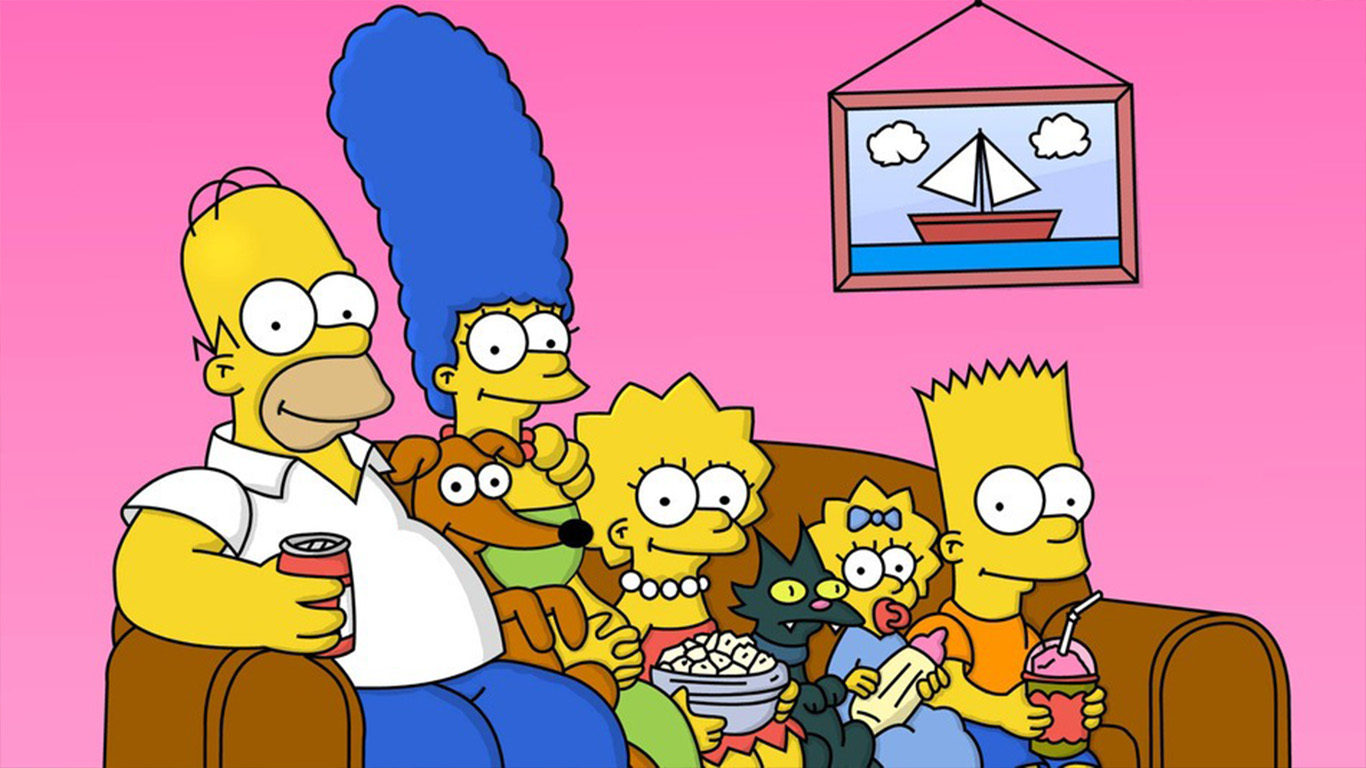
The Simpsons – Various episodes (1990s–2010s)
The character Apu, voiced by Hank Azaria, became a point of controversy due to his exaggerated Indian accent and stereotypical traits. Though once a beloved side character, Apu's portrayal is now seen as emblematic of Hollywood's history of racial caricature. The backlash led to Azaria stepping away from the role. Today's audiences expect more authentic and respectful representation.
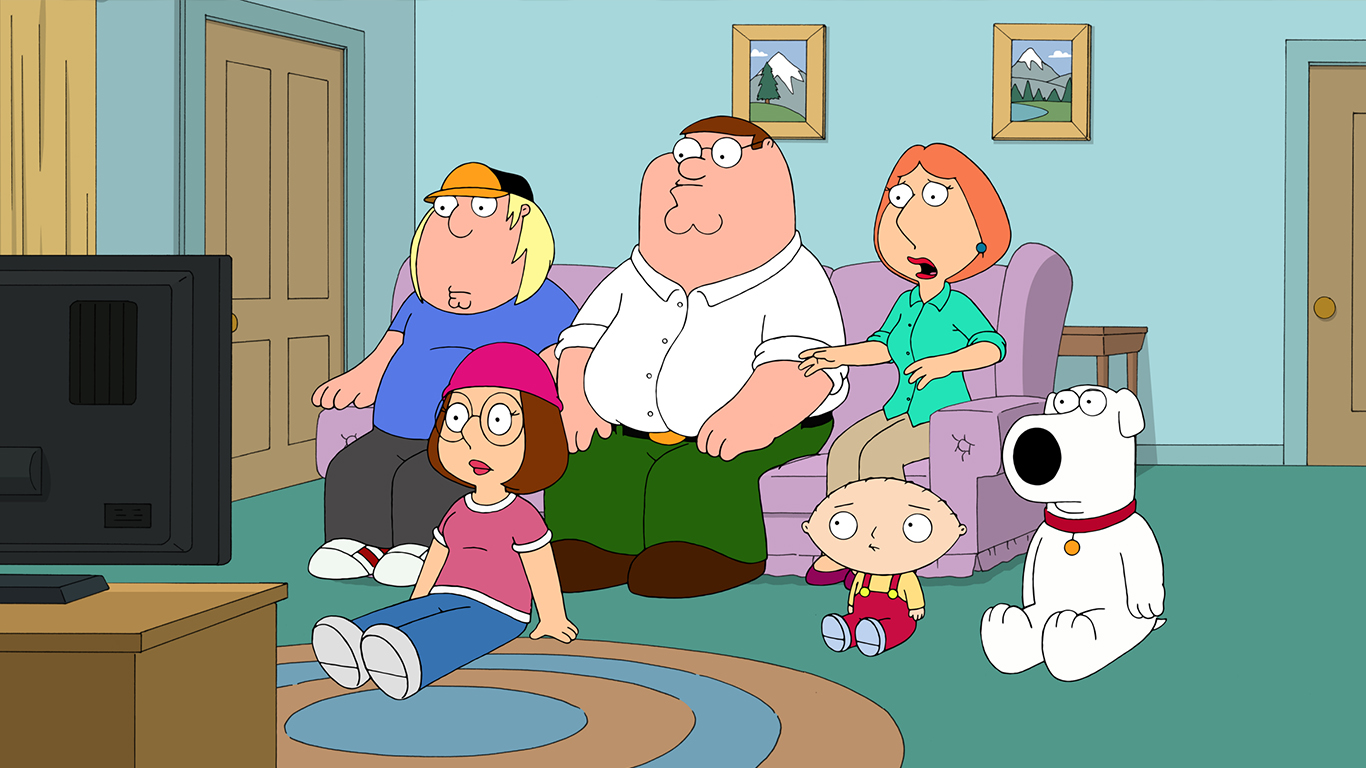
Family Guy – Various episodes (2000s)
Family Guy has repeatedly used jokes that make light of sexual assault, LGBTQ+ issues, and race. While the show leans into shock humor, some jokes have crossed the line for modern audiences. The normalization of offensive content is no longer brushed off as 'just satire.' Many moments have been criticized for punching down.
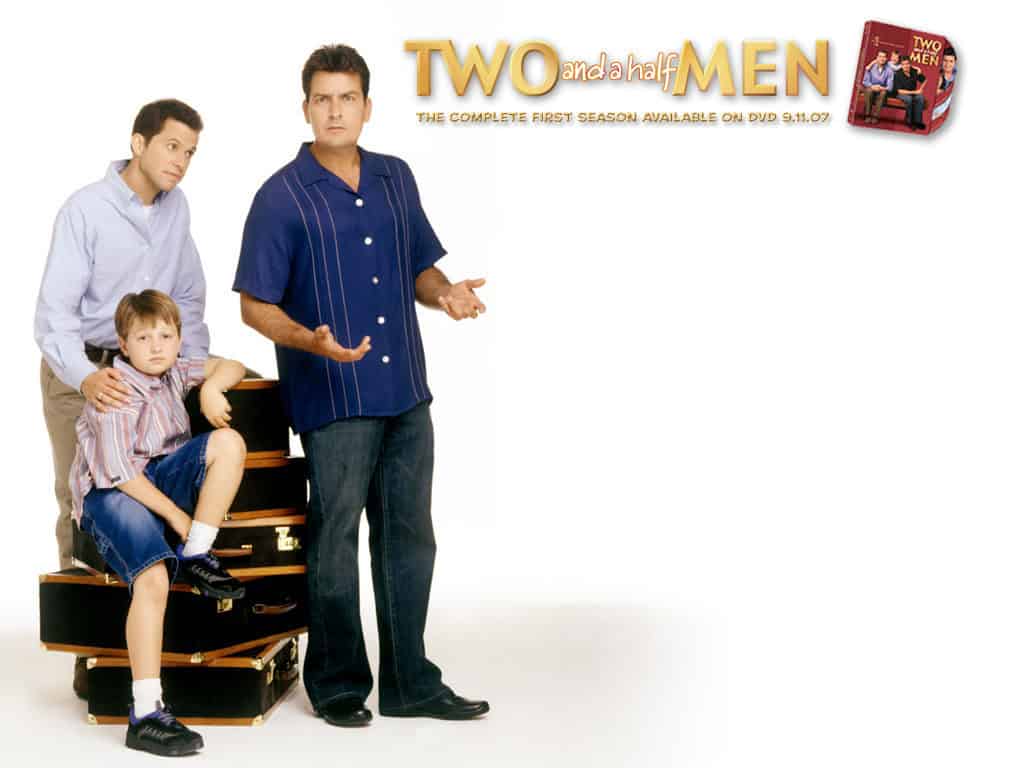
Two and a Half Men – Various episodes (2003–2011)
Charlie Harper frequently makes misogynistic remarks and treats women as disposable objects. While portrayed as a lovable playboy, today the character's behavior would raise red flags about consent and sexism. Much of the humor relies on outdated and harmful gender dynamics. Modern sitcoms are more likely to challenge this behavior than glorify it.
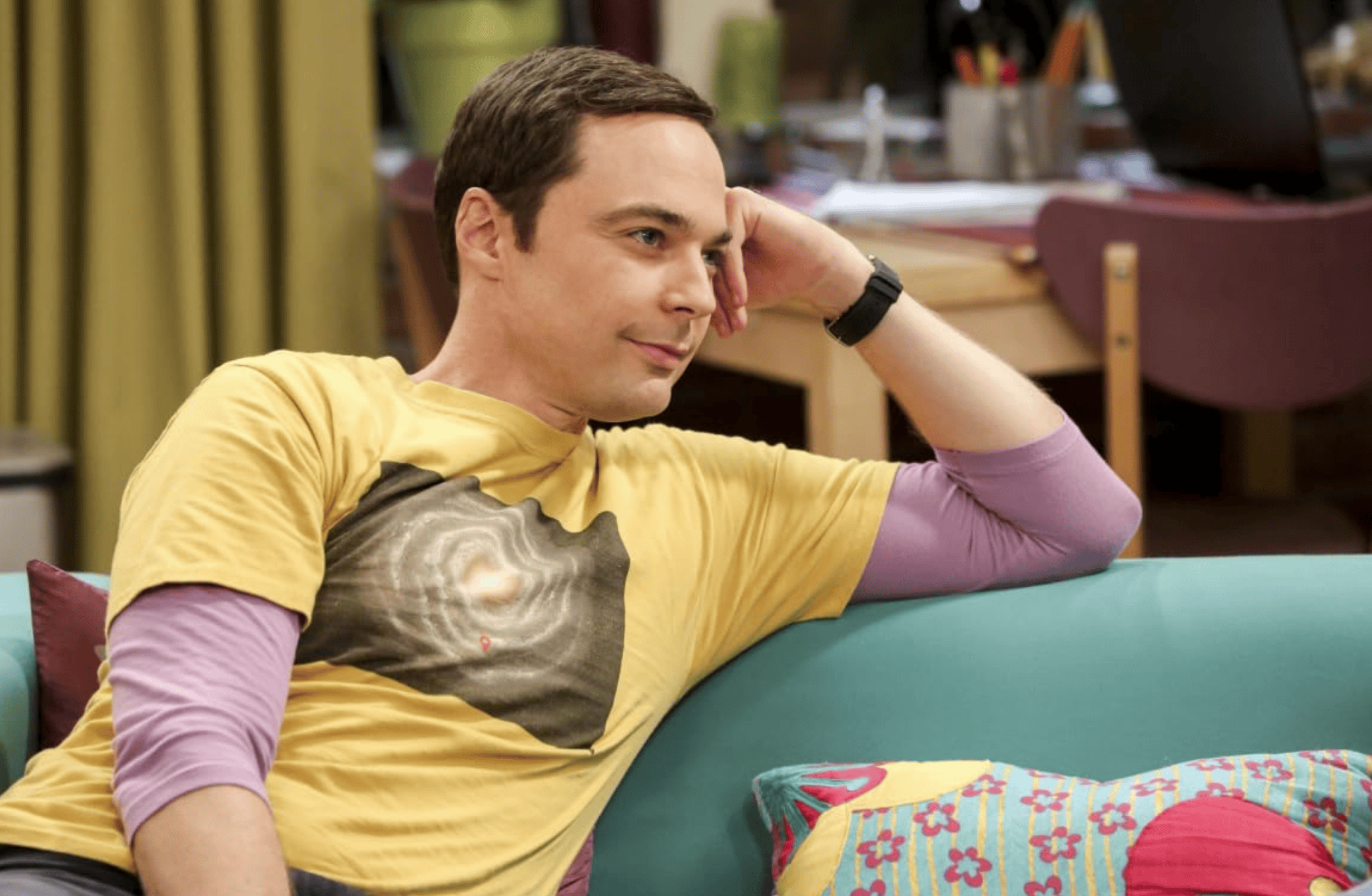
The Big Bang Theory – Various episodes (2007–2019)
Sheldon and the gang often make jokes at the expense of women, minorities, and people with disabilities. Raj's inability to speak to women without alcohol was a running joke with awkward implications. Some of the humor has aged poorly and comes across as insensitive. Representation in nerd culture is expected to be more inclusive today.
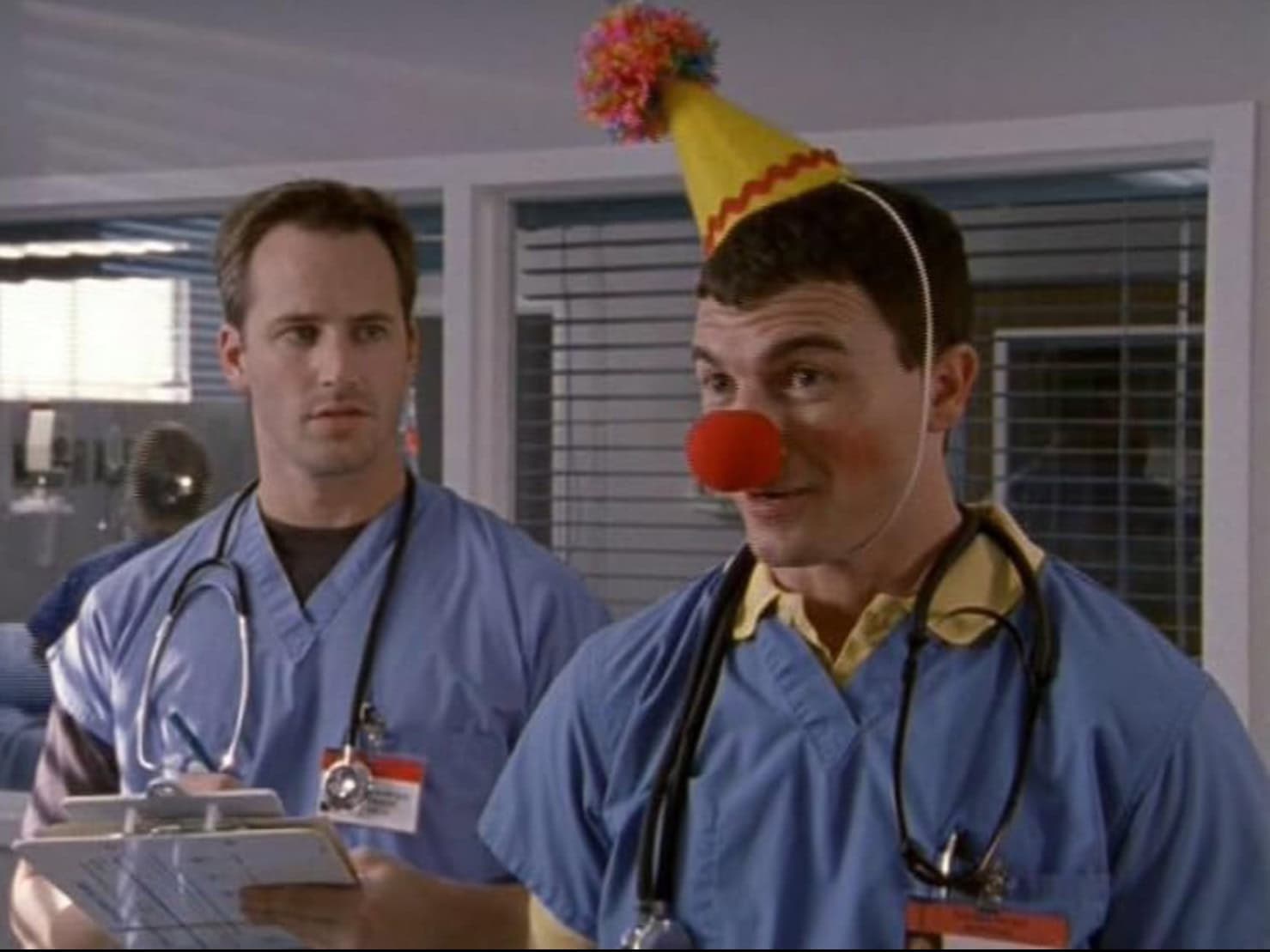
Scrubs – 'My Friend the Doctor' (2003)
Zach Braff's character J.D. fantasizes himself as 'Turk' in a musical number that includes blackface. While the show aimed for absurdist humor, the use of blackface is indefensible. The scene has since been removed from many platforms. What once passed as edgy humor now violates contemporary standards of decency.
Cheers – Various episodes (1980s)
Sam Malone is portrayed as a lovable womanizer who constantly hits on customers and coworkers. While charming in the 1980s, many of his actions would now be considered workplace harassment. The normalization of inappropriate behavior in professional settings would not pass today. There's greater awareness of power dynamics and consent in media.
Friends – 'The One with Chandler's Dad' (2001)
Chandler's transgender parent is depicted in a way that relies heavily on stereotypes and misgendering. The character, played by Kathleen Turner, is often the butt of jokes. Transgender representation has evolved significantly, and this portrayal is now considered offensive. Proper representation means more than just inclusion—it's about respect.
Will & Grace – Various episodes (1998–2006)
While groundbreaking in some respects, the show often relied on flamboyant gay stereotypes. Characters like Jack were portrayed in exaggerated ways that reduced identity to mannerism. Though meant to be positive representation, it now feels one-dimensional. Nuanced portrayals are expected today.
The Fresh Prince of Bel-Air – 'Mistaken Identity' (1990)
Carlton and Will are racially profiled while driving a borrowed car. The episode attempted to tackle racism, but leaned on comedy to downplay a serious issue. While the message was important, today it might be handled with more gravity. Racial profiling is not a joke—it's a systemic problem.
Entourage – Various episodes (2004–2011)
The show frequently objectifies women and features homophobic slurs. It glamorizes toxic masculinity and dismisses criticism as just part of 'Hollywood culture.' This kind of representation no longer aligns with modern values. Today, it would spark major backlash.
All in the Family – Various episodes (1970s)
Archie Bunker, the bigoted main character, often spouted sexist, racist, and xenophobic views. Though the show aimed to satirize ignorance, many of Archie's lines would not be broadcast today. Audiences are less tolerant of slurs, even if 'ironic.' It walks a fine line that today's networks avoid.
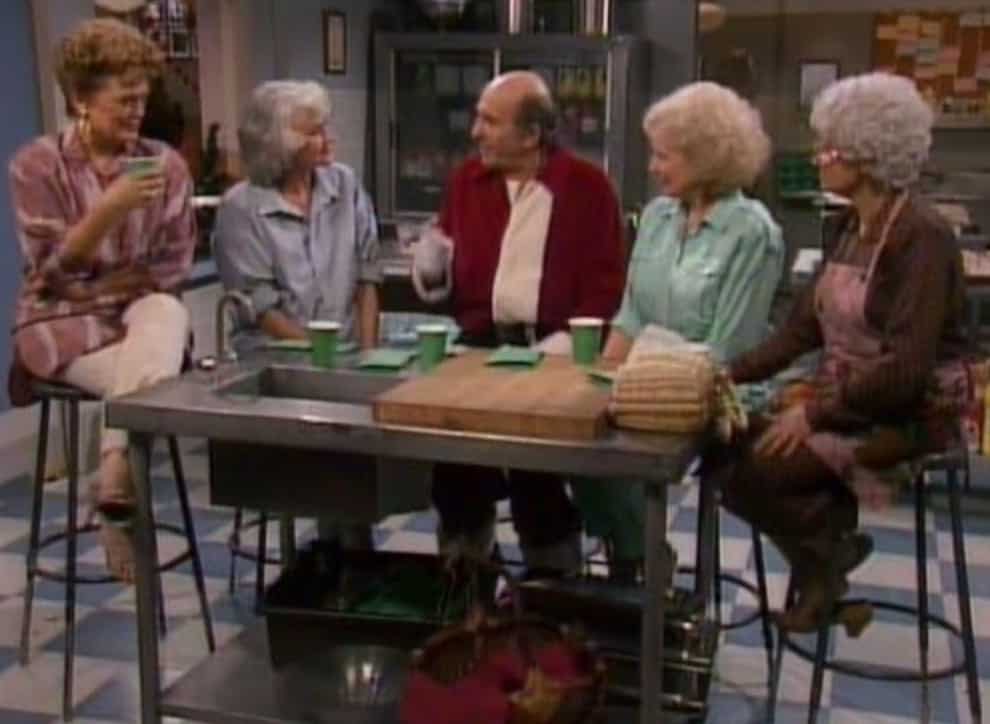
The Golden Girls – 'Mixed Blessings' (1988)
Dorothy's son announces he's marrying a much older Black woman, and the conflict focuses on her age rather than race. The episode awkwardly sidesteps meaningful discussion on interracial relationships. While it meant well, it feels tone-deaf now. Current shows are more direct and inclusive in addressing racial dynamics.
Arrested Development – Various episodes (2003–2019)
Numerous episodes joke about incest, mental illness, and cultural appropriation. While the show thrived on absurdist humor, several moments would not pass today's filters. Punching down at marginalized groups is less tolerated now. Comedy is expected to evolve with cultural awareness.
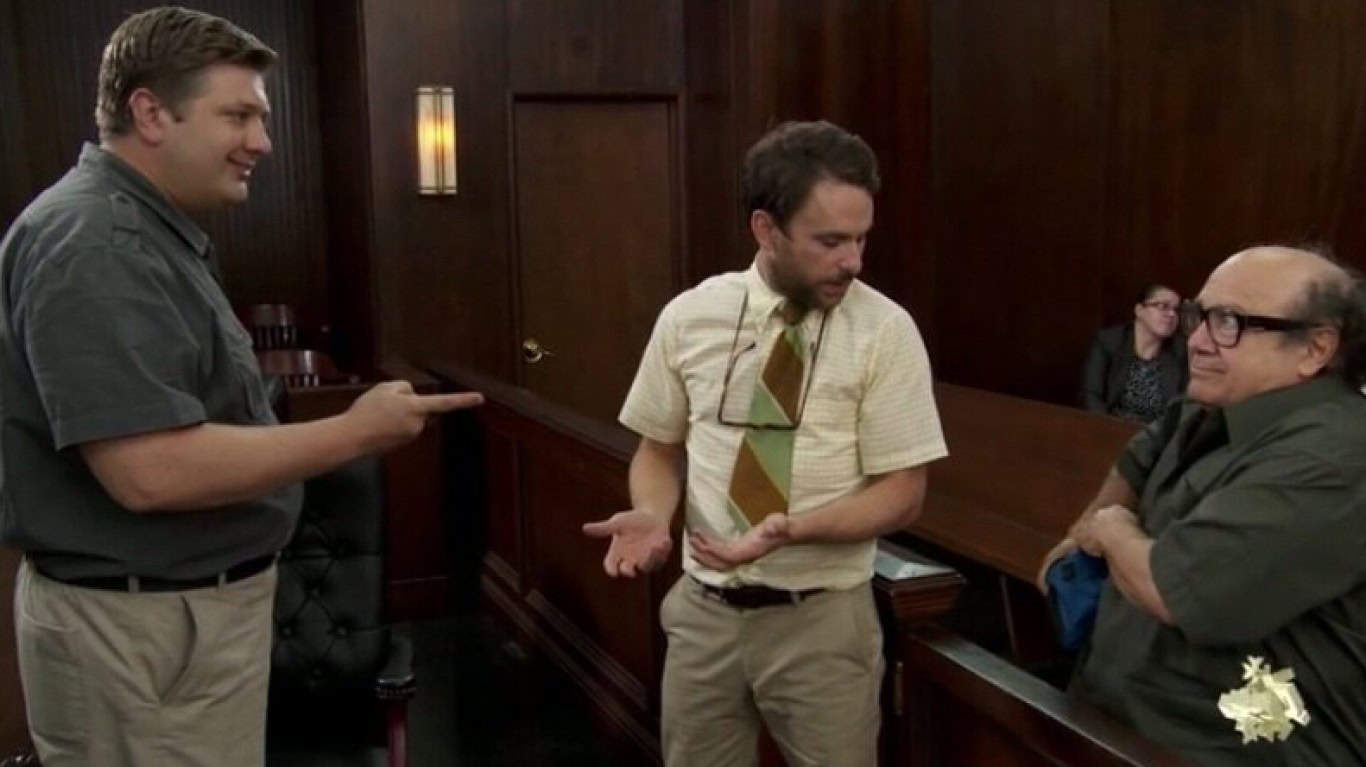
It's Always Sunny in Philadelphia – 'Dee Reynolds: Shaping America's Youth' (2008)
This episode features blackface in a school musical. The show is known for pushing boundaries, but even the creators have removed several episodes from streaming. Blackface is no longer considered acceptable in any context. The bar for edgy comedy has moved.