Courtesy of Buena Vista Pictures
Courtesy of Universal Pictures

Courtesy of TriStar Pictures
Courtesy of TriStar Pictures
Courtesy of Twentieth Century Fox
Courtesy of Twentieth Century Fox
Courtesy of Twentieth Century Fox
Courtesy of Twentieth Century Fox
mrkumm / BY 2.0
Courtesy of United Artists
IMDB
"Tom Cruise" by Gage Skidmore is licensed under BY-SA 2.0.
Rotten Tomatoes (Youtube)

Courtesy of Buena Vista Pictures

Imeh Akpanudosen / Getty Images Entertainment via Getty Images
Courtesy of Marvel
Christopher Polk / Getty Images Entertainment via Getty Images

Courtesy of Buena Vista Pictures
Courtesy of Warner Bros.

Courtesy of Warner Bros.
Courtesy of Paramount Pictures














20 Classic Movies Critics Got Wrong But Audiences Still Love
The divide between critics and viewers has always been there, but sometimes, that gap is so wide that it’s hard to understand. Sometimes critics will dub movies as silly, shallow, poorly written, or even worse, while the viewers themselves loved them and continued to do so for decades.
Some became the biggest commercial success of the year. And a few have become classics in an industry that initially rejected them. These are 20 classic movies that audiences loved, but critics somehow got wrong.
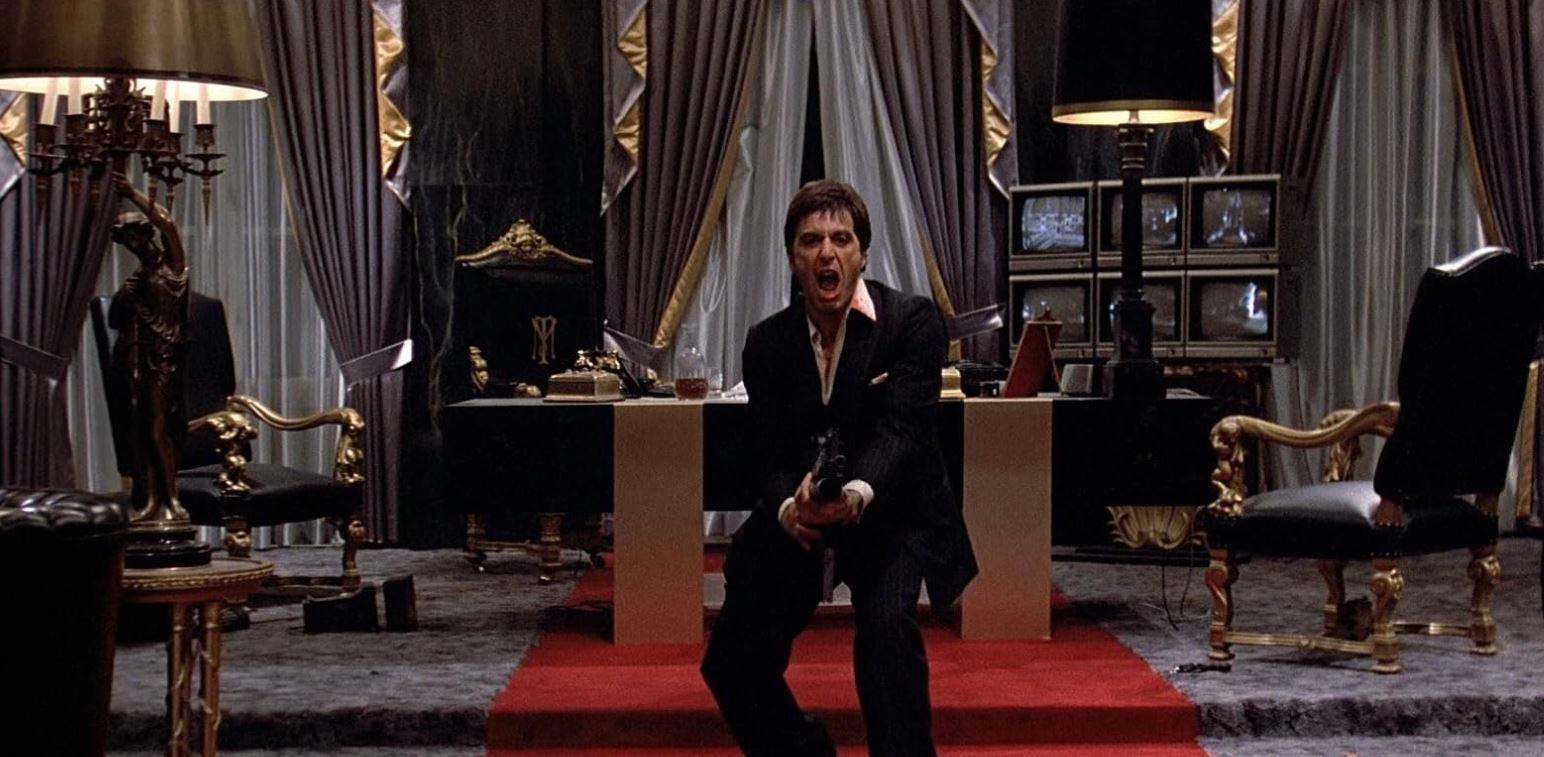
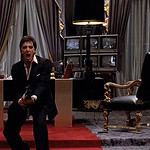
Scarface (1983)
The reception to Brian De Palma's crime epic was lukewarm at best when it was first released, with many criticizing it for being bloated and self-indulgent. One prominent review described it as a crude parody of The Godfather. Pauline Kael, one of the greatest critics of that time, dismissed it as overlong and dramatically inert. It is safe to say that the audience had a different reaction. Al Pacino's character, Tony Montana, became an iconic figure of Hollywood cinema and one of the most often-quoted movie characters ever, and the film's influence on hip-hop culture alone secured its place as a cultural landmark. It's now widely considered one of the defining American crime films ever made.
Hook (1991)
Reviews were scathing about Steven Spielberg's version of Peter Pan, declaring it to be "a baby-boomer fantasy" done on autopilot. Reviews don’t get much tougher than that for a movie with a star-studded cast featuring Robin Williams, Dustin Hoffman, and Julia Roberts. The general public loved it though. The movie made over $300 million globally and is still an emotional favorite for a whole generation that grew up with it. Maybe the idea of a grown-up Peter Pan who forgot how to fly hits differently when you’re not critiquing the movie itself.
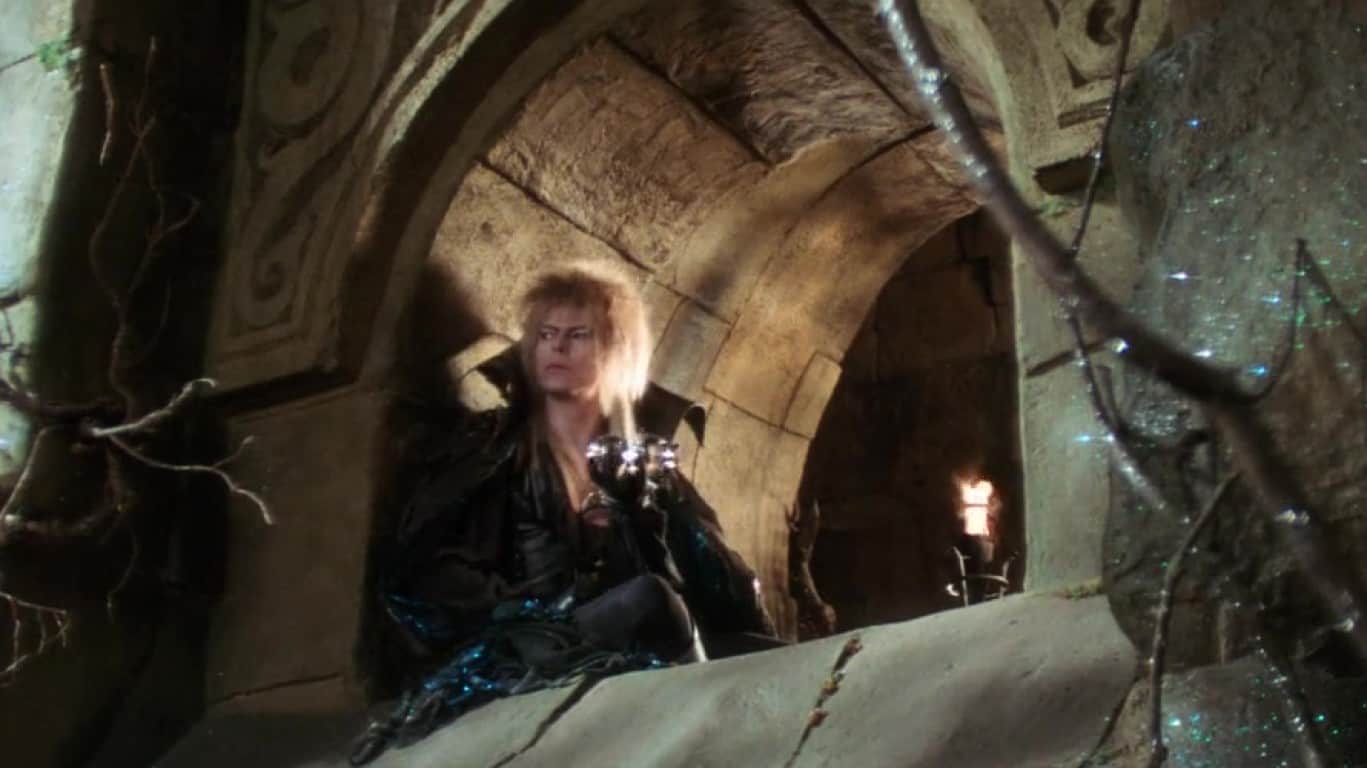
Labyrinth (1986)
This Jim Henson and George Lucas film was deemed incoherent and emotionally flat, a film critics found too strange to work as family entertainment and too slight to work as anything else. Then home video came along. For an entire generation of kids, this movie proved itself on videotape. David Bowie’s role as Jareth gave one of the most iconic villain turns of the decade, and the film now has a devoted following that makes the original reviews look baffling in retrospect.
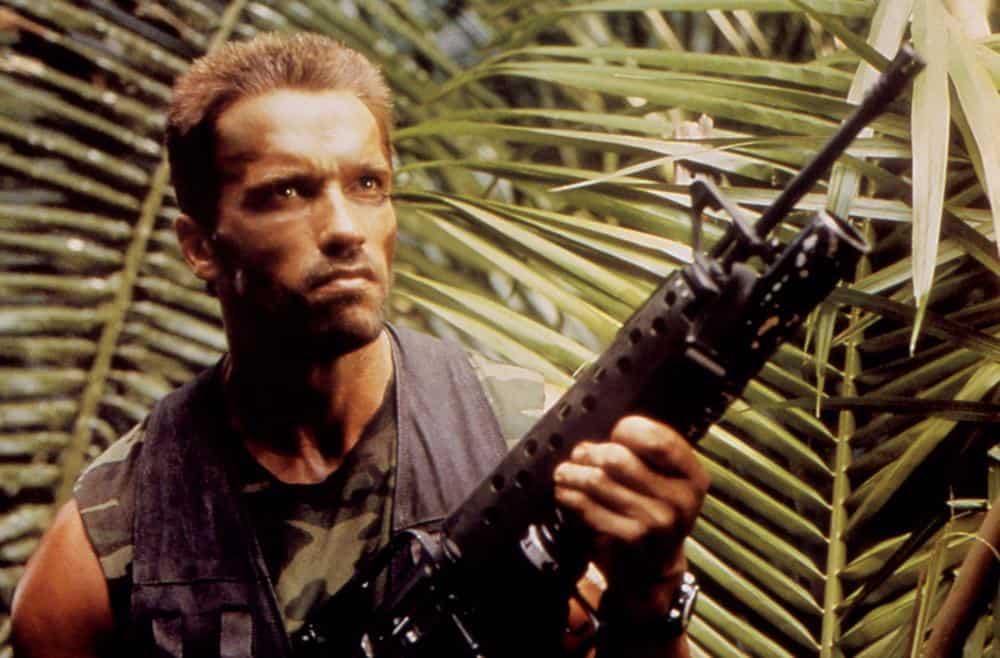
Predator (1987)
Critics saw a noisy, simplistic action film about soldiers being hunted by an alien in the jungle. Viewers, however, saw something else, something more inventive. A survival thriller that blended genres in a way other action films in the '80s didn’t even try. Critics' opinions were generally unfriendly, as they only managed to notice the film's excesses without realizing the craftsmanship behind them. The Predator ended up being one of the best repeat viewings of action movies of the decade, established a long-running franchise, and made Arnold Schwarzenegger's one-liner delivery iconic.
Office Space (1999)
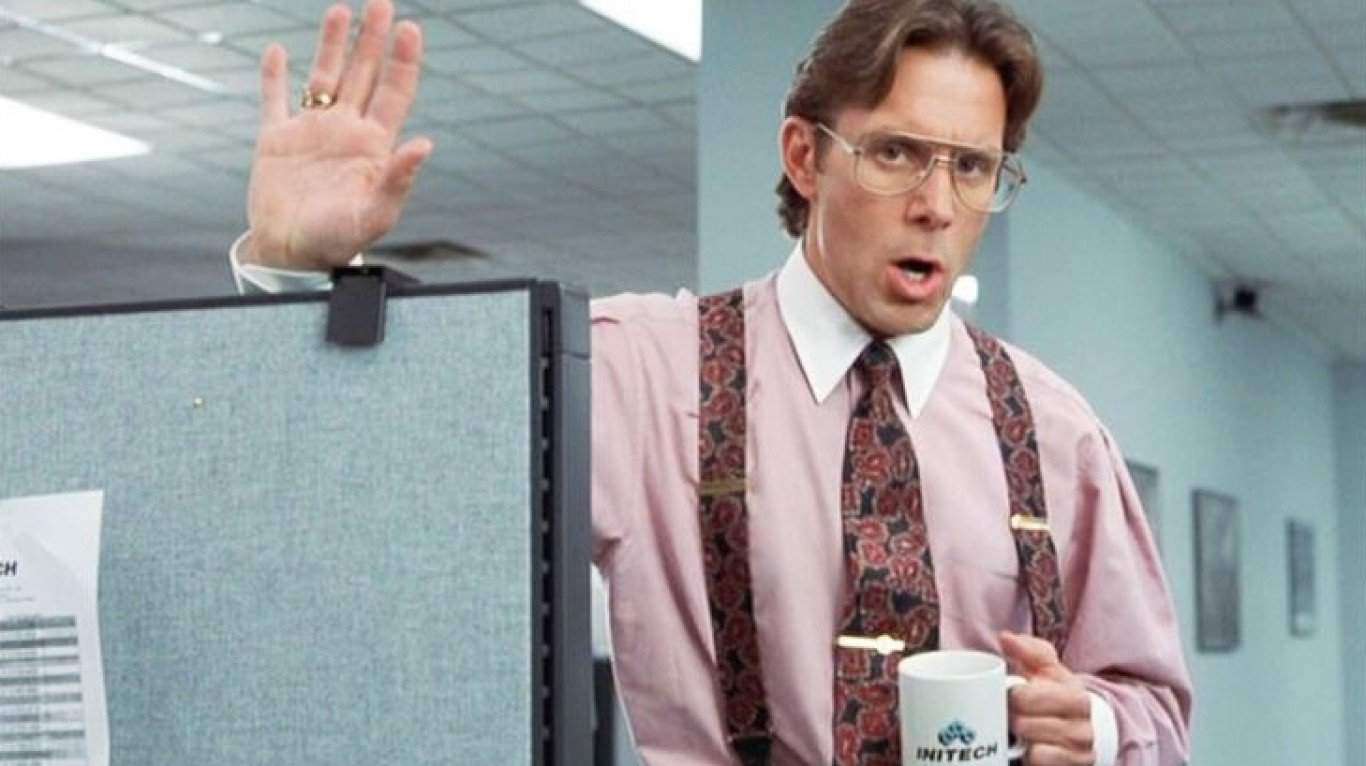
Mike Judge’s comedy film about the ailments of cubicle workers only made $12 million at the box office on a production cost of $10 million. The critics had a very mixed reaction. They found certain moments funny, but didn't think much of it as a whole. A couple of years later, Comedy Central began showing the movie in its repeats, and something happened. The lines made sense, and the movie itself was seen as a realistic yet comic portrayal of everyday life in the office. The printer scene became shorthand for a specific kind of workplace frustration that half the working population could relate to. It's now seen as one of the sharpest comedies of the '90s.
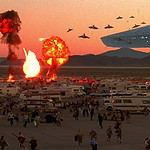
Independence Day (1996)
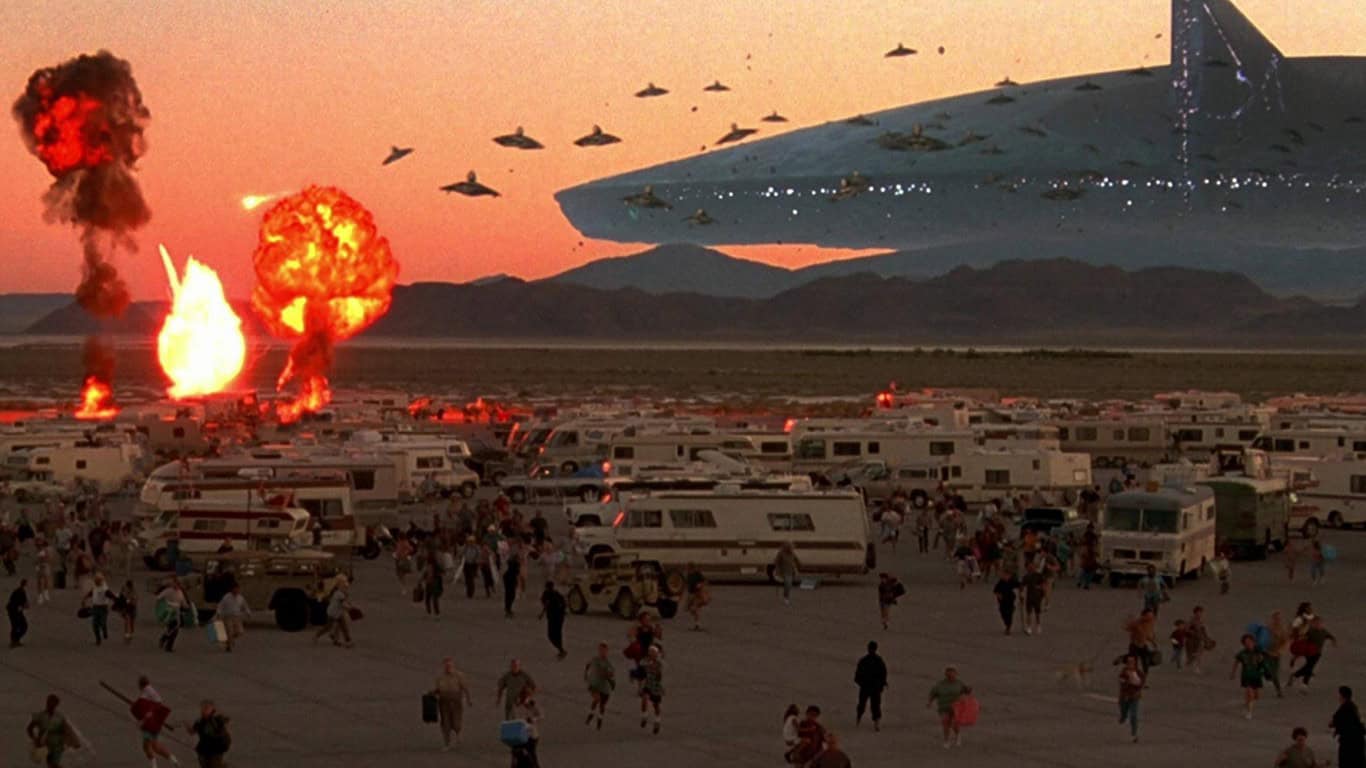
Independence Day was labeled by its critics as a noisy mess and no more intellectually stimulating than watching ice melt on a summer day. Despite the criticism, the film earned its place among the highest-grossing movies of the year. The scene where Will Smith punches an alien in the face while cracking a one-liner became one of the most iconic scenes of summer movies of that decade. Not every film needs to be profound. Sometimes we just need to watch some ice melt.
The Sandlot (1993)
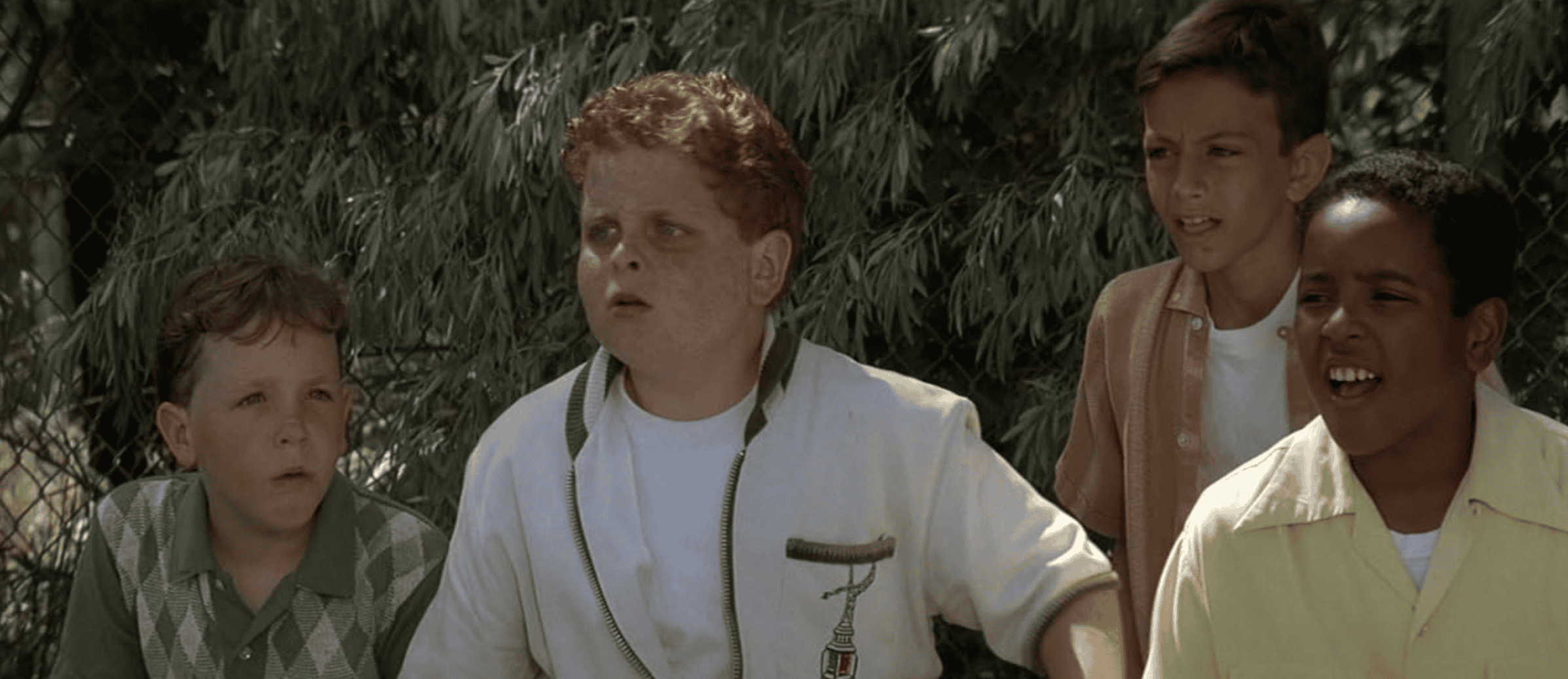
The Sandlot was shrugged off by critics. The coming-of-age baseball story struck reviewers as formulaic and not substantial enough to make any real impression. It entered theaters and exited quietly. But then it got discovered by children on cable TV and through home videos, and it hasn't really gone away since. The phrase "You're killing me, Smalls" became part of pop culture, and the film now ranks among the most beloved childhood movies of its generation. This is the type of film that critics panned, but kids and their families embraced dearly.
Speed Racer (2008)
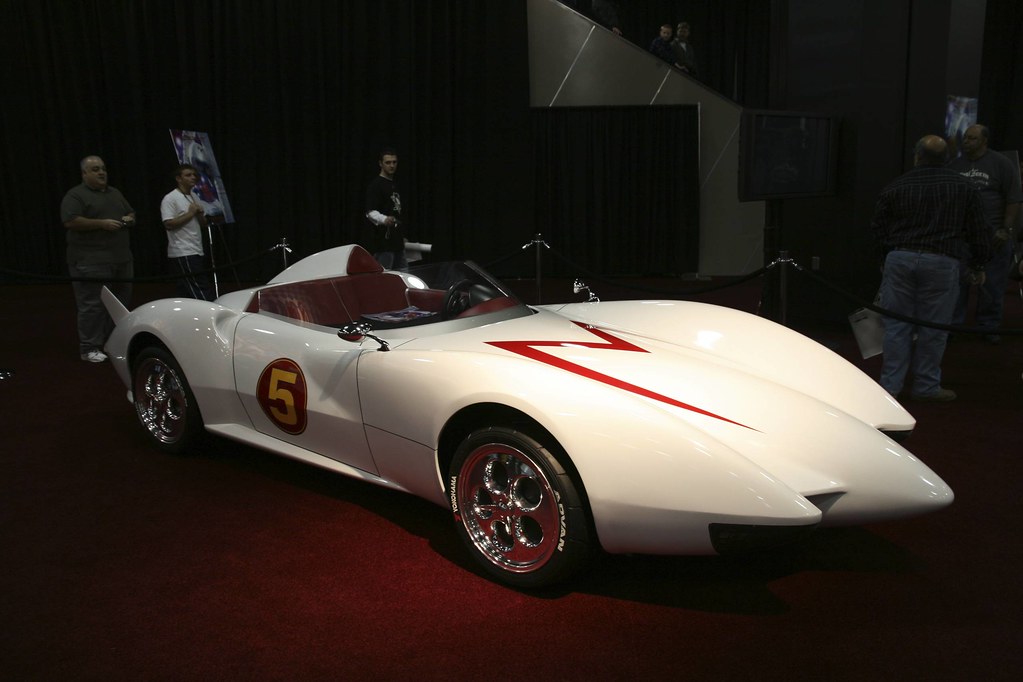
The live-action adaptation of the Speed Racer anime directed by the Wachowskis was roundly lambasted when it first came out. Its visuals were referred to as migraine-inducing and the story was criticized for being hollow. It was a huge flop at the box office too. In time, that perception changed. The younger generations that have grown up with Speed Racer, combined with a reevaluation by critics, have resulted in Speed Racer being placed in an entirely new league altogether. Many now argue it's one of the most visually inventive blockbusters ever made.
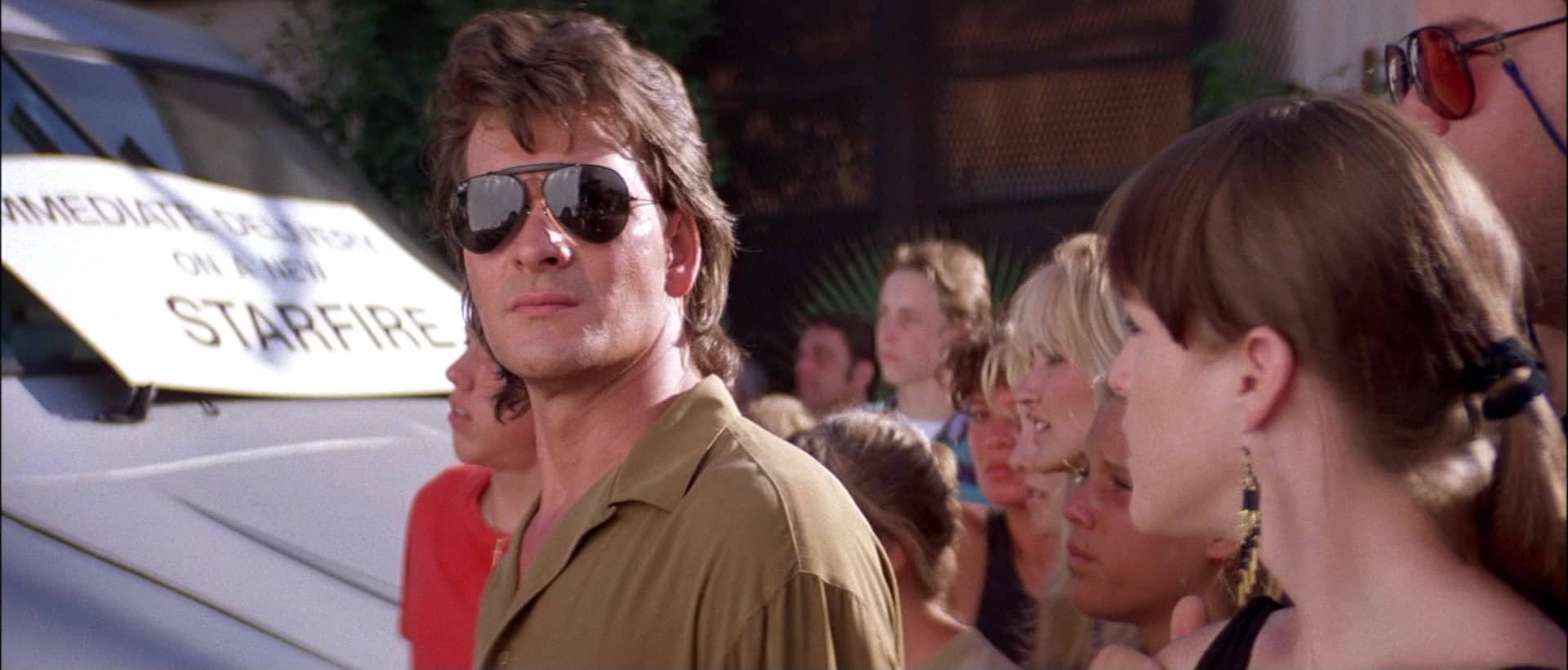
Road House (1989)
Critics went wild with this one. A philosophy-loving bouncer played by Patrick Swayze, a bad guy who terrorized a little Missouri town, and enough fistfights to fill a highlight reel were enough to make critics dismissive. Some even openly mocked it. Fans did not need any convincing though. "Road House" aired on cable television for many years to come and built a massive following. Patrick Swayze's laconic delivery of lines like "Pain don't hurt" became nothing short of iconic. A 2024 remake was made specifically because the original's reputation never really faded.
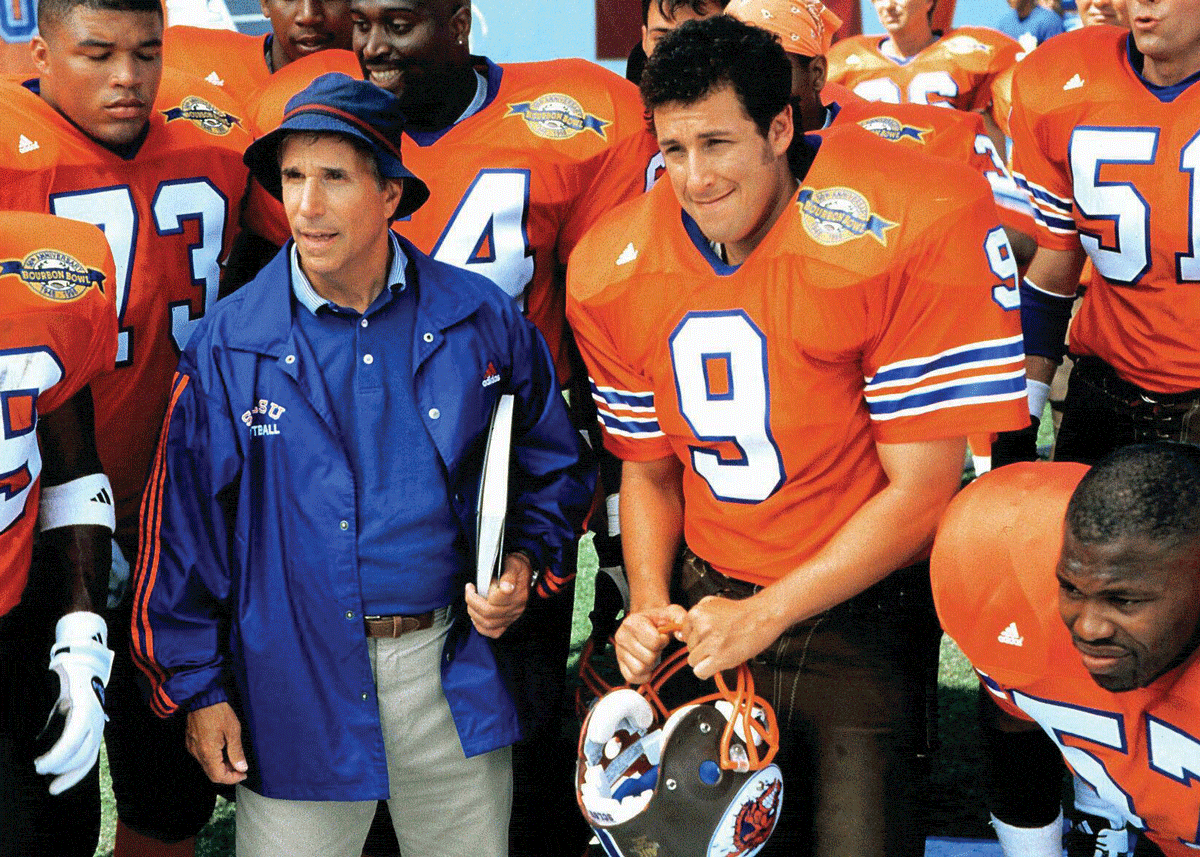
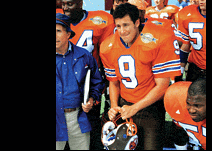
The Waterboy (1998)
The Waterboy received a 30% rating on Rotten Tomatoes from critics, who said the humor was too broad, the story too weak, and Sandler's Bobby Boucher character too annoying. Audiences, on the other hand, made it one of the highest-grossing comedies of the year, and Sandler's mama jokes and Bobby Boucher's water obsession are still quoted to this day. It's not a subtle film. That’s okay. It was never trying to be.
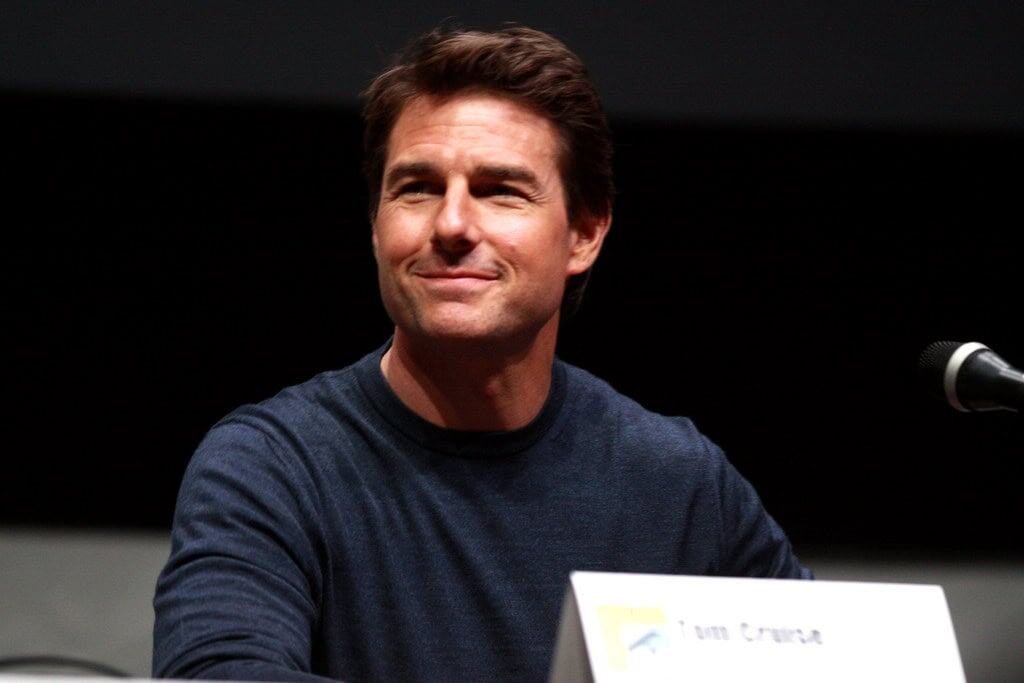
Cocktail (1988)
The critics absolutely loathed this film. Having Tom Cruise as a bartender who philosophizes about drinks and romance seemed as shallow as the drinks themselves, and it came off as dramatically empty to reviewers. This film was still one of the biggest box office successes Tom Cruise has ever been involved in, with cable reruns going strong for many years. Those who liked it didn't need complex characters. Sometimes, shallow works just as well.
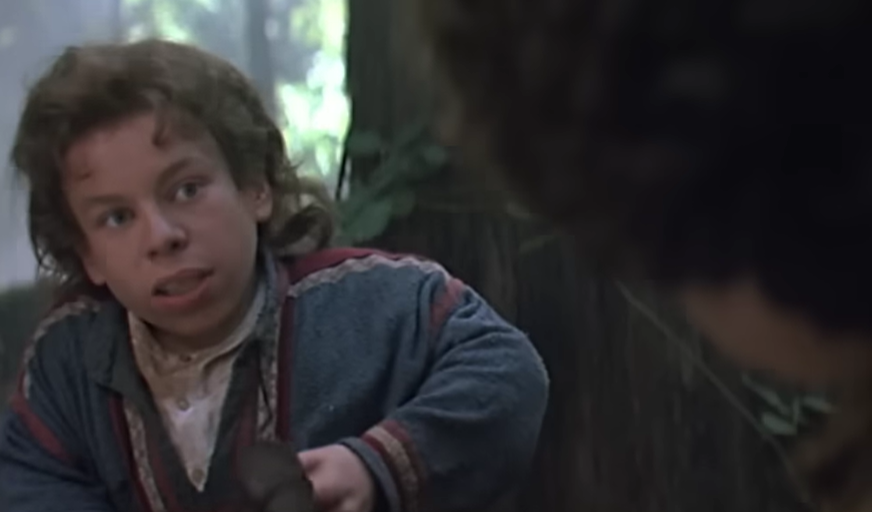
Willow (1988)
The fantasy adventure film produced by George Lucas was thought by critics to be derivative and too familiar. It was a less impressive take on ideas that had already been done with better execution. Movie audiences, especially the children, had a different take. Willow had everything, including adventure, an underdog hero, and enough magic to get its own Disney streaming series more than three decades later.
Con Air (1997)
Nicolas Cage with a southern accent, a mullet, and a stuffed bunny rabbit. It doesn’t get more laughable than that. Critics noticed. What they overlooked was that being laughable was the point. People came to watch it and made it a $224 million hit. The movie’s particular brand of over-the-top action became a reference point for an entire era of blockbuster filmmaking. Cage's performance is either great or terrible, depending on who you ask, but nobody who has seen it forgets it.
Practical Magic (1998)
Critics dismissed this blend of romance, family drama, and light horror as too confusing to do justice to any of the genres it combined. It flopped in the movie theaters too. But a slow-building, decades-long process of rediscovery by the audience made the movie find its fanbase in home video watchers. It became one of those films people return to again and again, especially during the Halloween season, making it one of the most consistently revisited comfort movies of the era. The dynamic between Sandra Bullock and Nicole Kidman works well for fans, but the critics who missed it overlooked that chemistry completely.
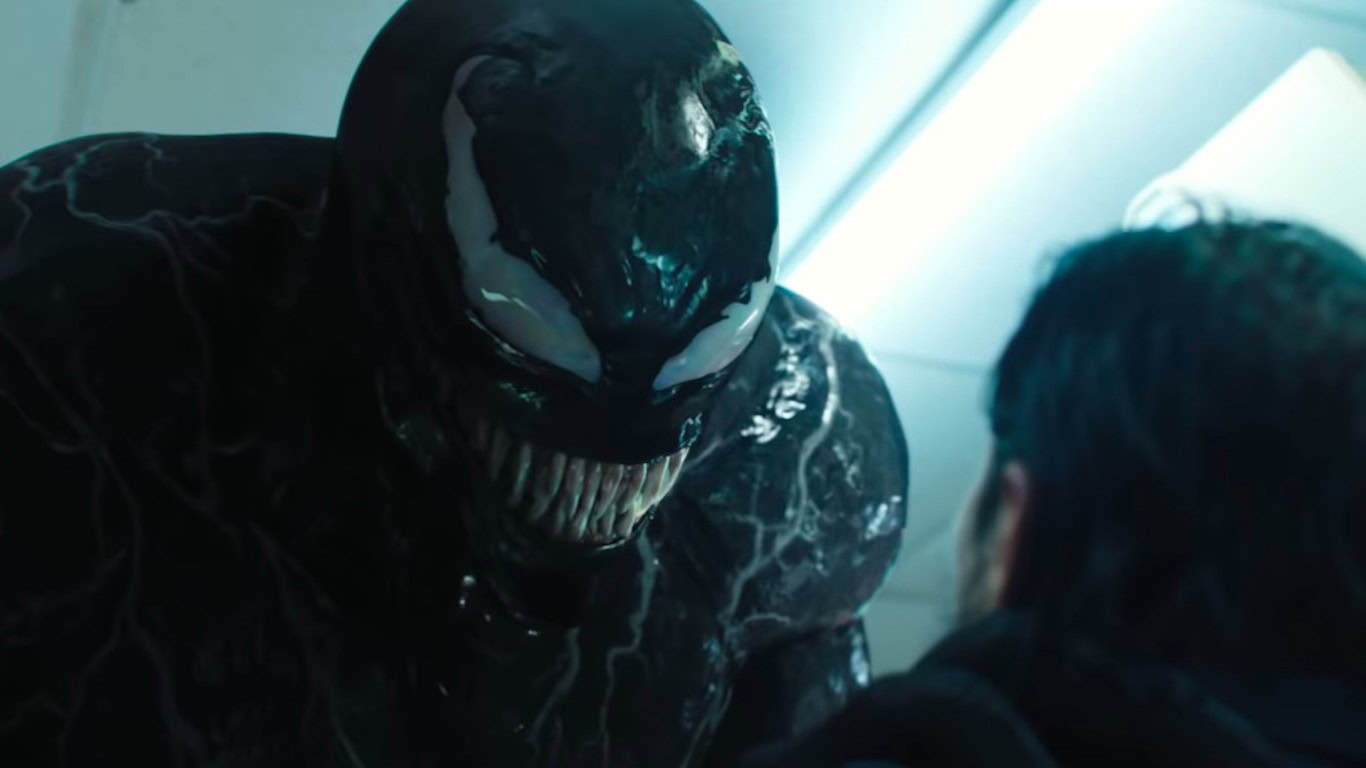
Venom (2018)
Venom currently has a score of roughly 30% on Rotten Tomatoes, and the main complaint from the reviewers is how inconsistent the character is and the wildly varying tone of the movie. According to critics, Tom Hardy's eccentric performance is one of the movie’s main flaws, but viewers saw that same performance as what made the movie worthwhile to begin with. Venom earned $856 million worldwide and started a successful standalone franchise. The dynamic between Hardy's Eddie Brock and the symbiote he shares a body with made Venom one of the most entertaining odd-couple pairings in recent superhero films.
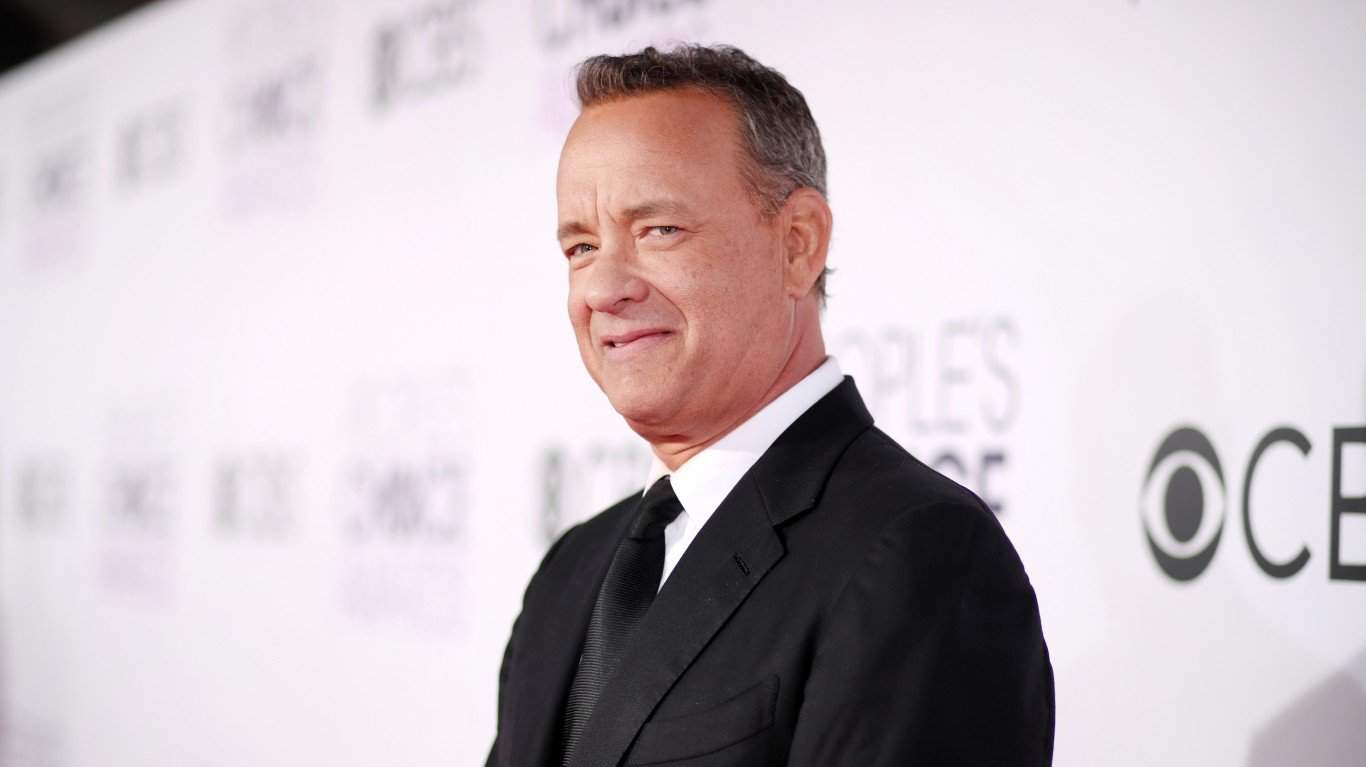
Joe Versus the Volcano (1990)
Critics weren’t really sure how to approach this one. John Patrick Shanley's film, starring Tom Hanks and Meg Ryan, defied classification. Too much of an absurdist film for a romantic comedy, too gentle for a satire, and just too strange for the masses. The reviewers were befuddled, but not necessarily enthusiastic. But eventually, the movie found its audience. It earned a reputation as one of the more quietly original studio films of its era. The initial bafflement now looks more like an inability to recognize anything that breaks the traditional form.
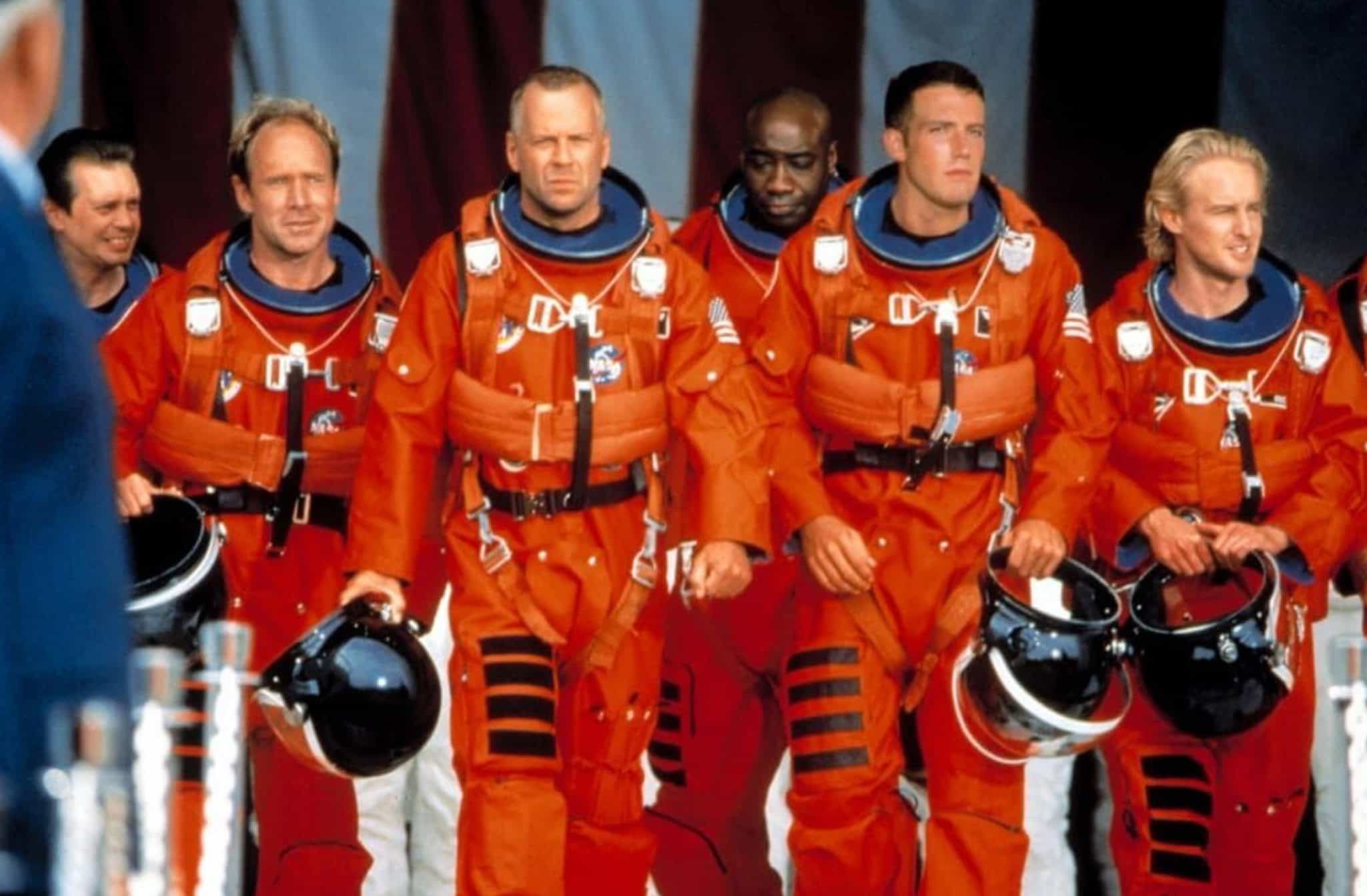
Armageddon (1998)
The Wall Street Journal said Armageddon redefined the standard for summer stupidity. That’s a harsh one. Critics believed that Michael Bay’s and Jerry Bruckheimer’s space-set action movie was nothing short of mindless fodder, something audiences would need to turn their brains off to actually enjoy. That's what people did, and they loved every second of it. Armageddon generated $553 million globally and became the second-biggest film of 1998 after Titanic. The Aerosmith ballad didn't hurt either.
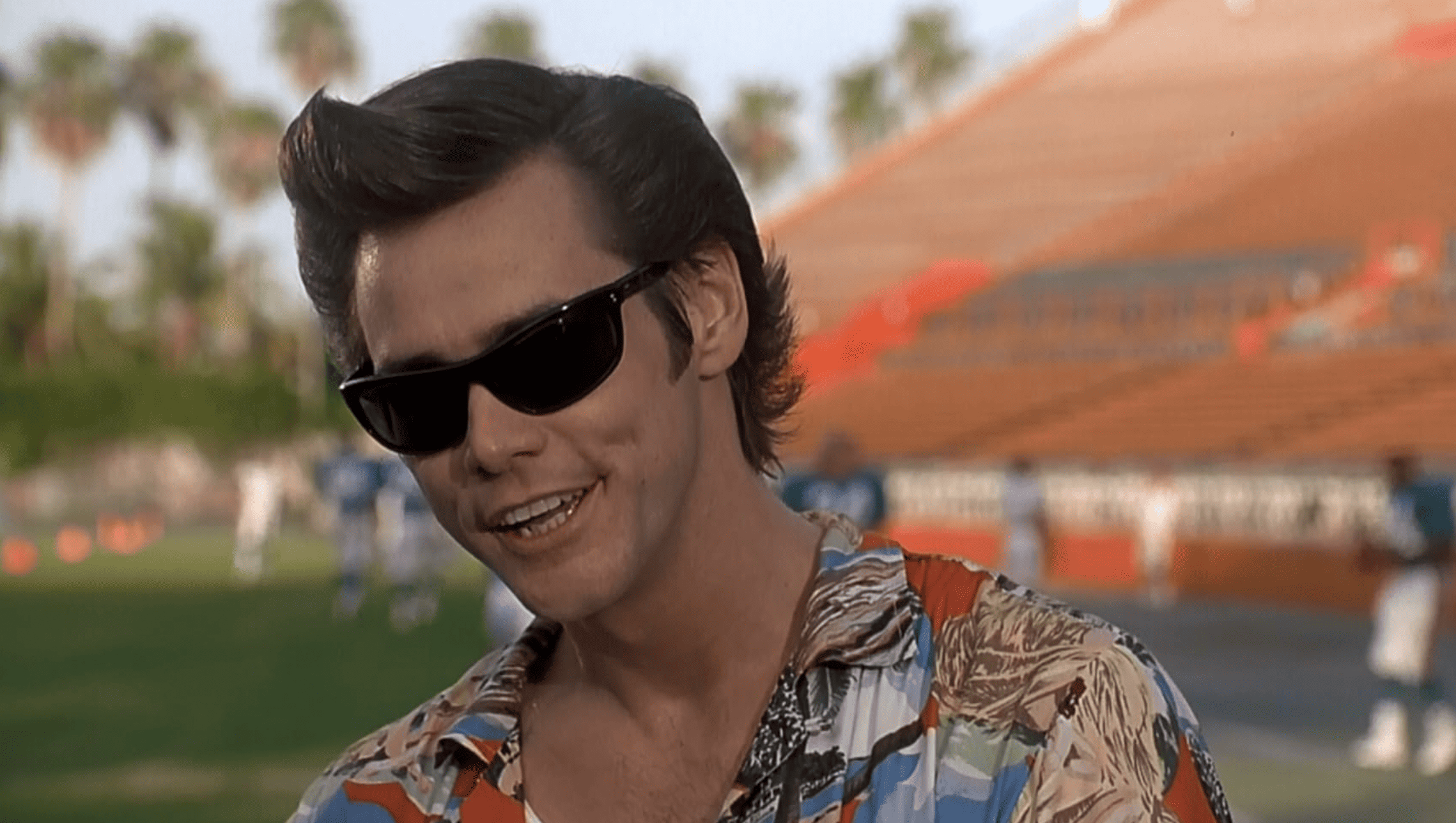
Ace Ventura: Pet Detective (1994)
This one got an F from Entertainment Weekly, and Jim Carrey’s performance was considered grating and exhausting by the critics. The general consensus among movie reviews was that Jim Carrey didn’t understand the difference between funny and loud. The movie made $107 million at the box office, and Jim Carrey became one of the most famous actors in Hollywood almost immediately. Ace Ventura was the beginning of a whole franchise, and it became one of the most quotable movies of its time. Sometimes loud works.
The Bodyguard (1992)
Reviewers have described the chemistry between Costner and Houston as forced and hard to believe, and the storyline as flagrant cliché. According to a popular review, it felt "like watching two statues attempting to mate." Nevertheless, the audiences loved the film and it became the second-highest-grossing movie of 1992 with box office earnings of $411 million worldwide. The soundtrack sold over 45 million copies, making it the best-selling movie soundtrack in history. Houston's version of "I Will Always Love You" alone was enough to make viewers look past the criticism.
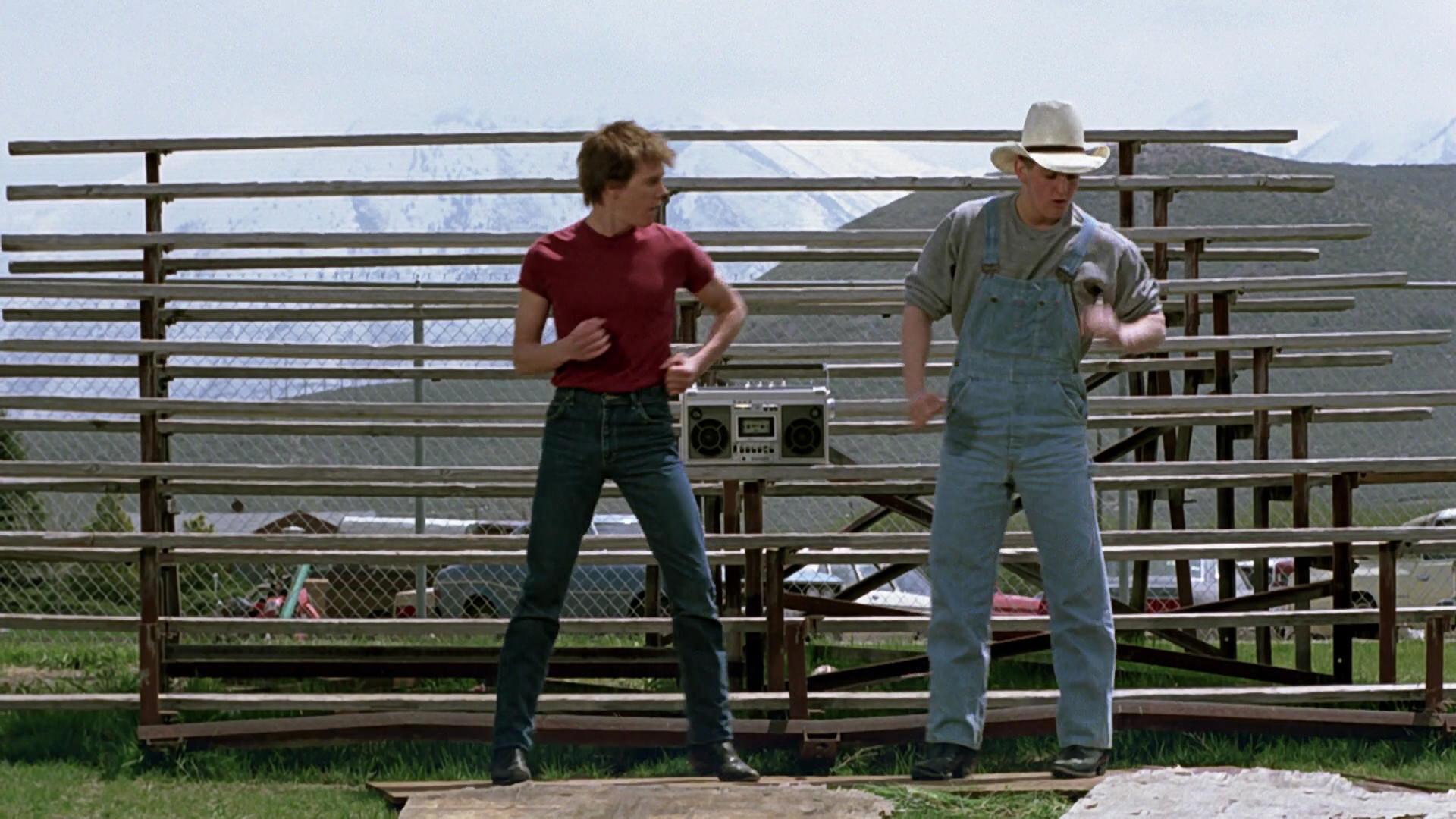
Footloose (1984)
Famous movie critic Roger Ebert called it a seriously confused movie that couldn't decide what it wanted to be. The critical community largely agreed, and the Metacritic score at release reflected that skepticism. However, the audience went ahead and made it the seventh highest-grossing film of the year, and the title track became one of the decade's defining songs. The iconic scene of Kevin Bacon dancing alone in a warehouse is instantly identifiable for people who grew up in the 1980s. Critics rarely get the final word on what a generation decides to love, and that’s probably a good thing.