
Missing attribution

SqueakyMarmot / BY-SA 2.0

crash71100 / CC0 1.0
David Villarreal Fernández / BY-SA 2.0

sv1ambo / BY 2.0

CZmarlin — Christopher Ziemnowicz, releases all rights but a photo credit would be appreciated if this image is used anywhere other than Wikipedia. Please leave a note at Wikipedia here. Thank you! / BY-SA 3.0
crash71100 / CC0 1.0

Spanish Coches / BY 2.0

dave_7 / BY 2.0
Vauxford / BY-SA 4.0

MercurySable99 / BY-SA 4.0
rvandermaar / BY 2.0

Spanish Coches / BY 2.0

solarisgirl / BY-SA 2.0

fortfan / BY-ND 2.0

kieranwhite599 / BY 2.0

Timitrius / BY-SA 2.0

Tennen-Gas / BY-SA 3.0

AlBargan / BY-ND 2.0

David Villarreal Fernández / BY-SA 2.0
Alexander Migl / BY-SA 4.0










20 of the Ugliest Cars Ever Designed
As a lifelong gearhead, I’ve spent years admiring great automotive design. The roar of a V8, the curves of a classic muscle car, the craftsmanship of a finely tuned import. And then there are these cars.
This gallery celebrates the 20 ugliest, most head-scratching vehicles ever unleashed on the public. These aren’t just designs that missed the mark. They’re the kinds of cars that make you wonder if the designer had a grudge against humanity.
Some were meant to be practical, like the Pontiac Aztek or Fiat Multipla, but ended up looking like accidents frozen in time. Others aimed for the future and landed squarely in the uncanny, from the toaster-on-wheels BMW i3 to experiments that should have stayed in the concept vault.
They’re awkward, impractical, and often just as bad to drive as they are to look at. And yet they exist. Approved, built, sold, and driven.
So buckle up and enjoy this parade of automotive regret. They may be ugly, but they’ve got character. And honestly, that’s part of the charm.
Pontiac Aztek (2001–2005)
The Aztek was designed to be the ultimate crossover for adventurous families, featuring removable coolers and a built-in tent. But none of that could save it from its clunky lines, awkward proportions, and mismatched body panels. It looks like three different cars smushed together in a rush. If you’ve ever wondered what happens when you design a car using only blindfolds and bad ideas, here’s your answer.
Fiat Multipla (1998–2010)
The Multipla had an innovative interior with six seats across two rows, surprisingly practical. Unfortunately, it looked like a frog with a sinus infection from the outside. The odd bulge under the windshield gave it a two-tiered face that only a mother could love. Or maybe not even her.
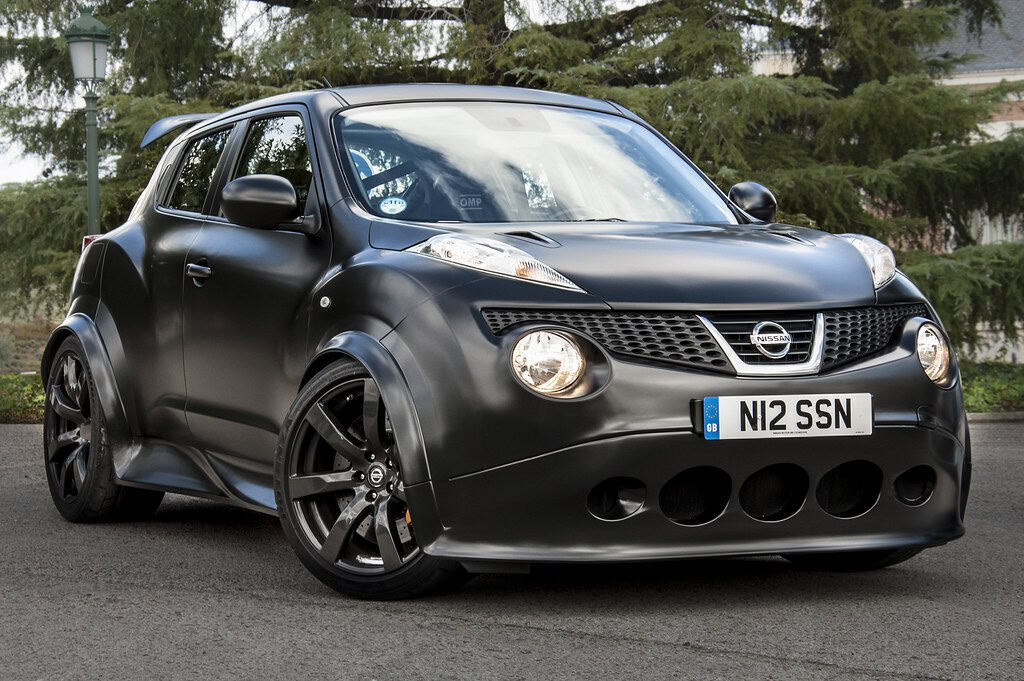
Nissan Juke (2010–2019)
A compact crossover with sporty ambitions, the Juke had strong performance and a turbocharged engine. But it also looked like it was designed by someone who couldn’t decide where the headlights should go. The frog-eye lamps, squat body, and rear end made it look like a confused amphibian trying to race. Cute? Maybe to aliens.
Chrysler PT Cruiser (2000–2010)
Meant to evoke a 1930s hot rod aesthetic, the PT Cruiser was part retro, part rent-a-car. Its tall stance, bug-eyed headlights, and excessive plastic cladding made it a love-it-or-hate-it affair. Sadly, most people went with the latter. It’s like someone tried to make a gangster car using leftover Lego bricks.
AMC Pacer (1975–1980)
The Pacer was ahead of its time with wide doors and lots of glass for visibility. But it looked like a fishbowl on wheels. The asymmetrical doors only added to the visual confusion. It’s as if someone designed a spaceship and then got distracted halfway through.
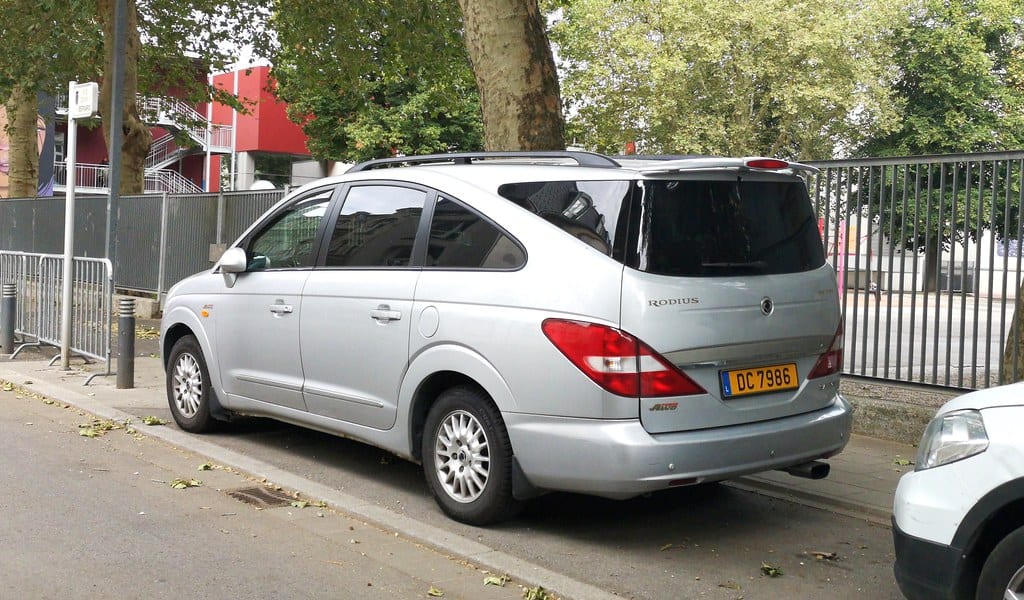
SsangYong Rodius (2004–2013)
A South Korean MPV designed for maximum practicality, the Rodius could seat up to 11 passengers. Unfortunately, it also looked like a melted minivan. The bizarre rear end and misaligned design cues made it infamous. It’s the automotive equivalent of a mood swing.
Toyota Prius (2nd Gen, 2003–2009)
The second-gen Prius pioneered hybrid technology for the masses and helped save the planet. But its odd egg-shaped body and awkward profile didn't win beauty contests. It looked like a doorstop on wheels and drove like one too. Function over form, and form never called back.
Suzuki X-90 (1995–1997)
A strange mix between a two-seater coupe and a mini SUV, the X-90 came with optional all-wheel drive and T-tops. Unfortunately, it looked like someone shrunk a pickup and forgot to finish the back. Its stumpy body and tall ride height gave it all the grace of a bouncy castle on stilts.
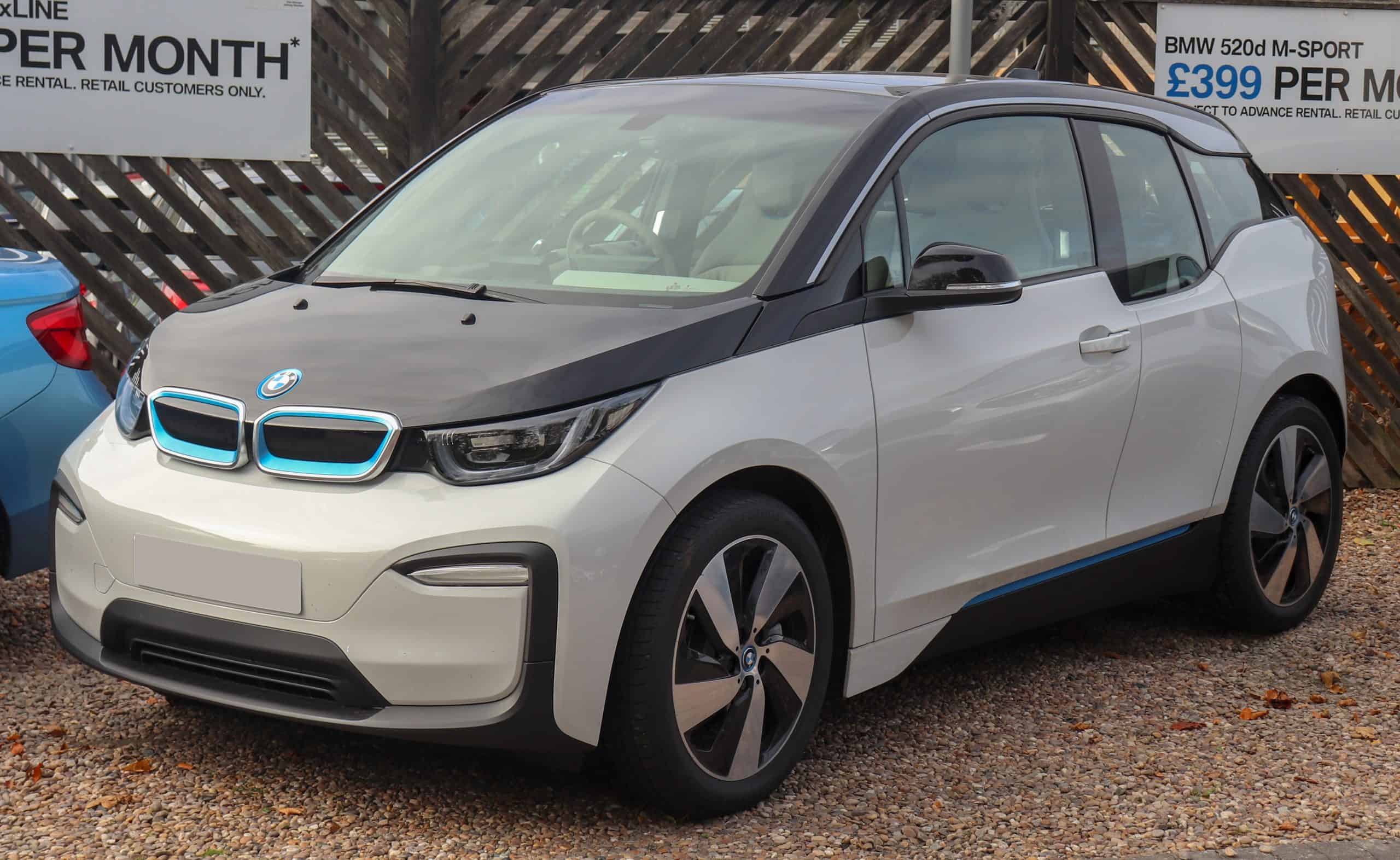
BMW i3 (2013–2022)
A bold move into the EV market, the i3 boasted sustainable materials and suicide rear doors. It also looked like a tech demo rendered in Minecraft. With chopped rear windows and a stubby silhouette, it resembled a futuristic golf cart designed by committee.
Chevrolet SSR (2003–2006)
The SSR was a convertible pickup truck that tried to blend retro flair with utility. It failed on both fronts, with an over-styled front end and laughably impractical bed. It looked like a PT Cruiser went to a monster truck rally and came home confused.
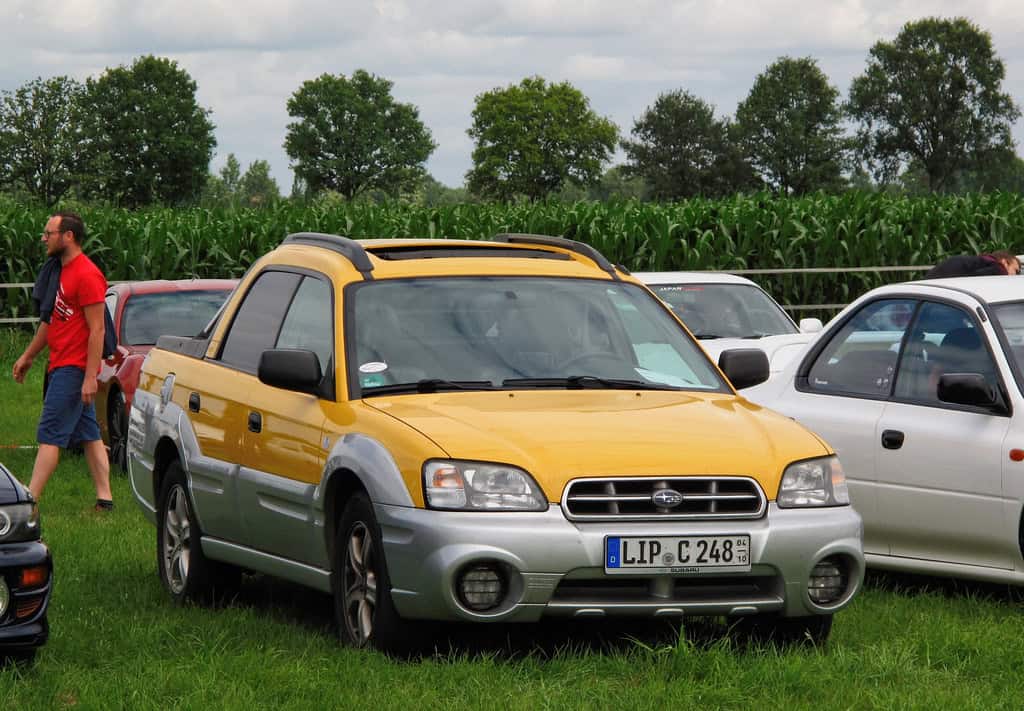
Subaru Baja (2003–2006)
The Baja attempted to revive the car-truck hybrid trend with a small open bed and Subaru reliability. But its busy design, strange proportions, and cladding overload made it an awkward sight. It’s what happens when a station wagon tries cosplay as a pickup.
Honda Element (2003–2011)
Marketed to young, active drivers, the Element had a roomy, washable interior and suicide rear doors. It also looked like a refrigerator box with wheels. The Lego-like styling wasn’t exactly sleek. Practical, yes but only if you’re hauling awkwardly shaped IKEA furniture daily.
Tata Magic Iris (2010–Present)
Designed as a safer alternative to tuk-tuks in India, the Iris is a tiny three-wheeled minivan. Its dinky size and cartoonish face make it look more like a vending machine mascot than a real car. Cute, but not in a way you'd want to drive outside a circus.
Isuzu VehiCROSS (1997–2001)
The VehiCROSS was meant to be a rugged SUV with futuristic flair and real off-road chops. Its cladding-heavy body, weird grille, and overly aggressive stance made it look like it was designed by a 12-year-old with a crayon. Bold? Yes. Attractive? Only in the dark.
Renault Avantime (2001–2003)
A coupe-minivan hybrid, the Avantime tried to combine luxury and space in a wildly impractical form. Its massive doors and blocky roofline made it look like an art project with no editor. You could respect it, but loving it took effort and possibly medication.
Peel P50 (1962–1965)
The world’s smallest production car, the P50 was basically a shoebox with wheels. It had no reverse gear, you had to get out and push it. It’s cute in the same way a ferret in a hat is: undeniably weird, and a little unsettling.
Daihatsu Midget II (1996–2001)
This tiny kei truck was designed for tight Japanese streets and basic delivery needs. It looks like something you'd win in a claw machine. The single headlight on early versions didn’t help its cartoon vibes. Driving one is like being in a parade no one asked for.
Lincoln MKT (2010–2019)
The MKT was a luxury crossover meant to replace the Town Car, with seating for seven. But its bulbous rear, giant grille, and awkward silhouette made it look like a whale in a tuxedo. Somehow both imposing and forgettable, a weird automotive paradox.
Smart ForTwo (1998–Present)
This city car was all about compact practicality, perfect for tight European streets. It also looked like a plastic Easter egg on wheels. Watching one on the highway feels like spotting a chihuahua in a dog sled race.
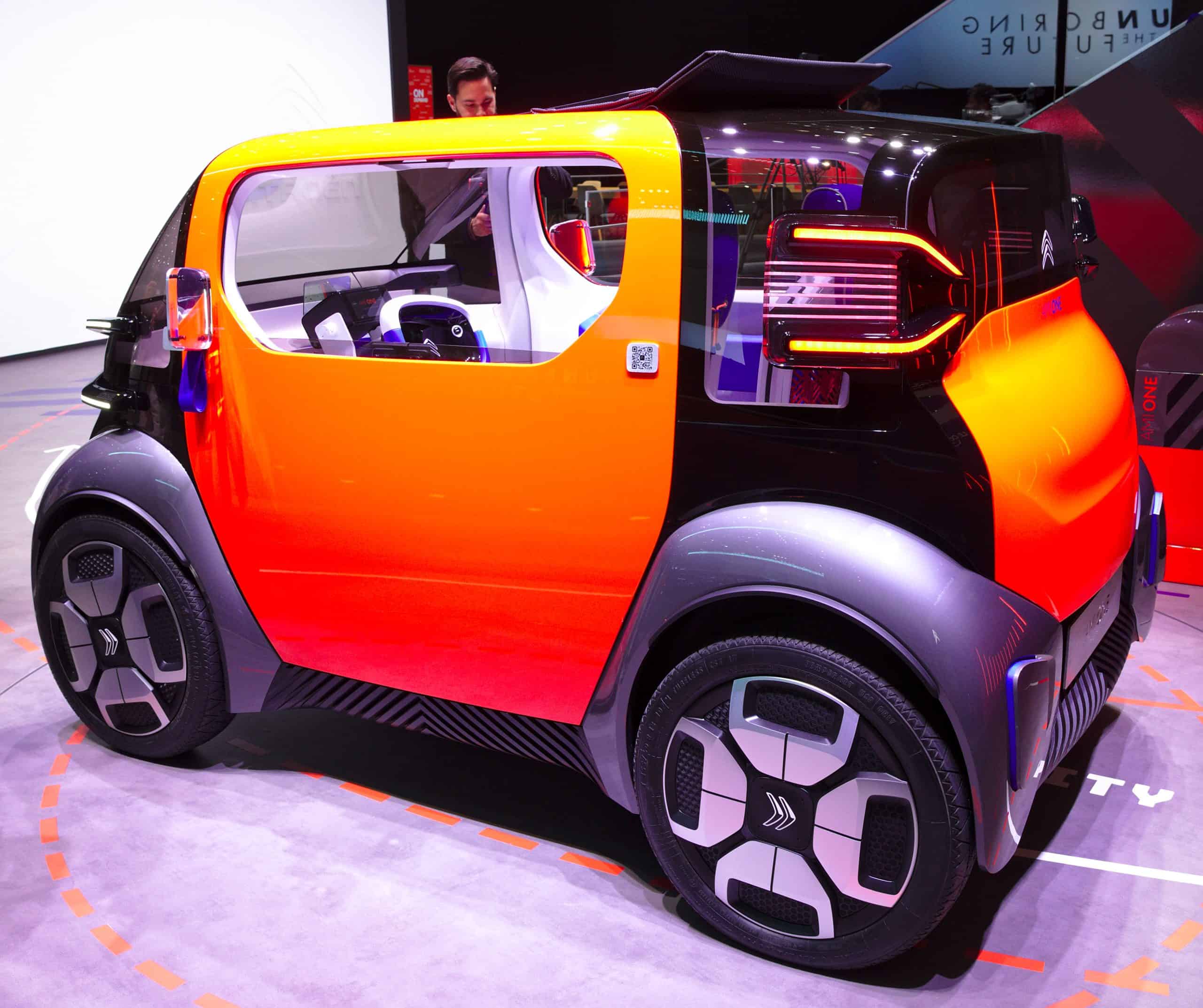
Citroën Ami (2020–Present)
An ultra-compact electric city car, the Ami is more of a quadricycle than a traditional vehicle. Its identical front and rear panels make it look like a plastic box with wheels. It’s charming in the way a brick is, but don’t expect to win any beauty pageants.