Weather on Earth can certainly be destructive, but compared to the rest of the solar system, it is downright calm. Elsewhere in our celestial neighborhood are incredibly long-lasting storms, supersonic winds, and methane rain. While some of these worlds are scorching hot, others are unimaginably cold. These incredible environments are surprising, with many shocked to learn just how diverse such weather patterns truly are. Here are the most extreme weather phenomena found throughout the solar system.
1. Venus: A World Hot Enough to Melt Lead
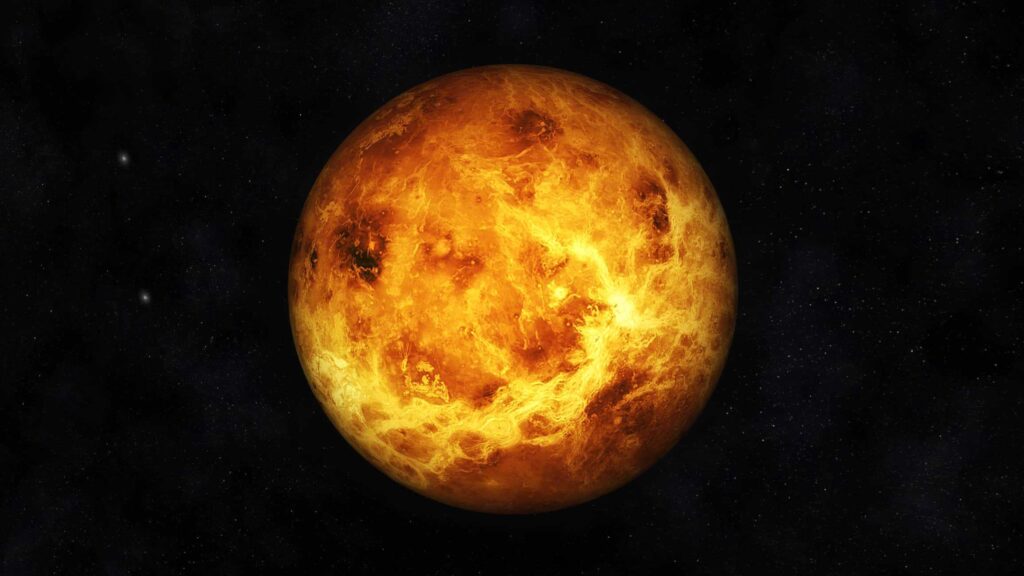
Venus is the hottest planet in the solar system, even though Mercury is closer to the Sun. The intense temperatures are due to thick clouds of carbon dioxide that cause a sort of extreme greenhouse effect, trapping heat. This makes surface temperatures reach about 870°F. Such brutally hot temperatures are capable of melting lead. Even more, the atmospheric pressure is about 90 times greater than Earth’s, making it truly crushing and adding to the hostile conditions. Any human craft that makes it to Venus survives only a short time before succumbing to the scorching heat and unimaginable pressure.
2. Mars: Dust Storms That Can Swallow an Entire Planet
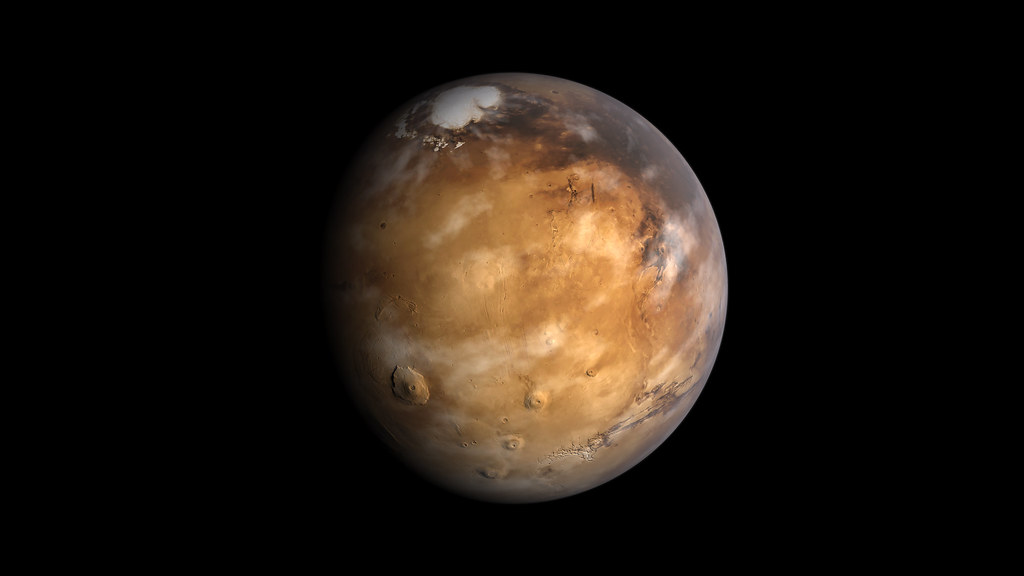
Mars experiences some of the largest dust storms ever seen anywhere. While many begin as small events, they can eventually spread until almost the entire planet is hidden in dust. Some of these planet-wide storms continue for weeks or even months before finally dissipating. Although the Martian atmosphere is thin, the fine dust particles can stay suspended for long periods. All this floating dust means very little visibility, which proves challenging for robotic craft operating on the surface.
3. Jupiter: A Storm That Has Raged for Centuries
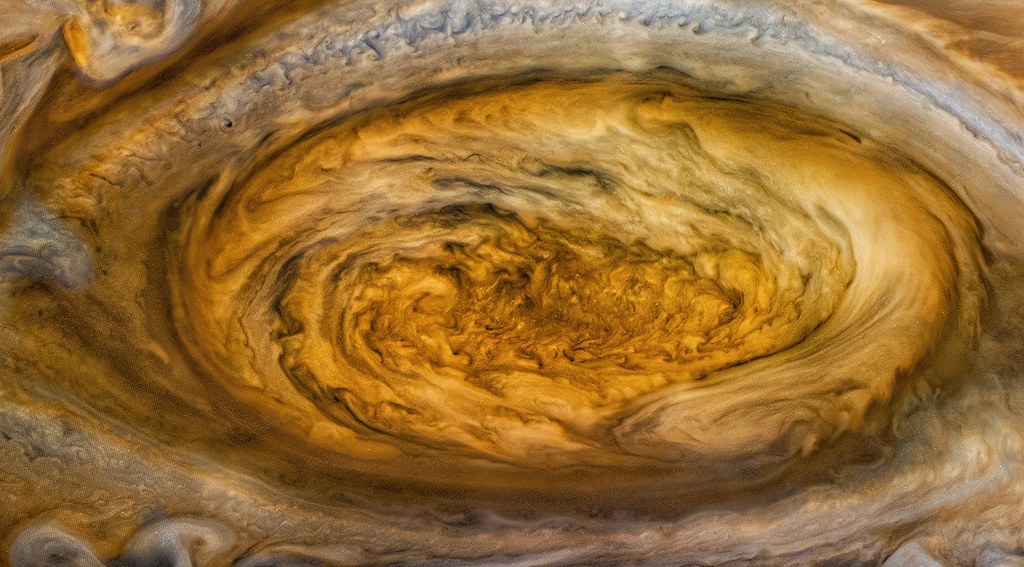
Jupiter’s Great Red Spot is not only the largest storm ever documented in the solar system, but it is also the longest-lasting. Scientists have studied it since the 1800s, and some believe it may have started 350 years ago. While this is short in cosmic time, it is far longer than any Earth-bound storm. The vortex is gigantic, stretching wider than the diameter of the Earth. It has winds measuring more than 400 miles per hour. Though the raging storm is actually shrinking, it still remains massive. It’s a truly astonishing example of weather within our solar system. Scientists continue to study the Great Red Spot in an effort to understand why it has survived for so long while storms on Earth disappear within days or weeks.
4. Saturn: A Perfect Hexagon in the Clouds
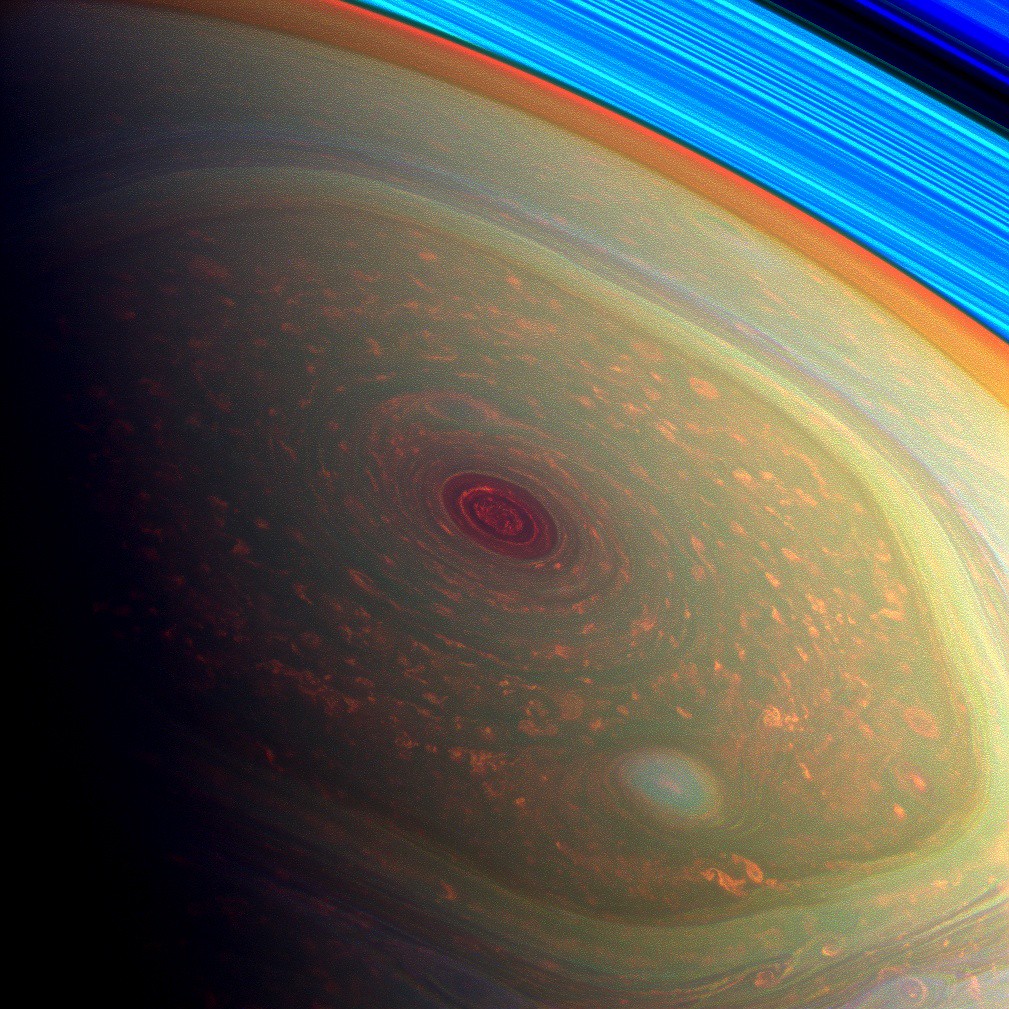
Saturn’s north pole has a highly strange weather phenomenon that scientists still struggle to make sense of. A massive jet stream surrounds the pole. The strangest feature is not its remarkable size (each side is 14,500 miles across), but its six-sided shape. The structure creates an almost perfect hexagon. While Earth’s jet streams shift, the Hexagon has stayed mostly the same for decades, even though harsh winds race through it. Scientists say the unusual shape is due to differences in wind speed at varying heights, but the details remain a mystery.
5. Neptune: The Fastest Winds Ever Measured
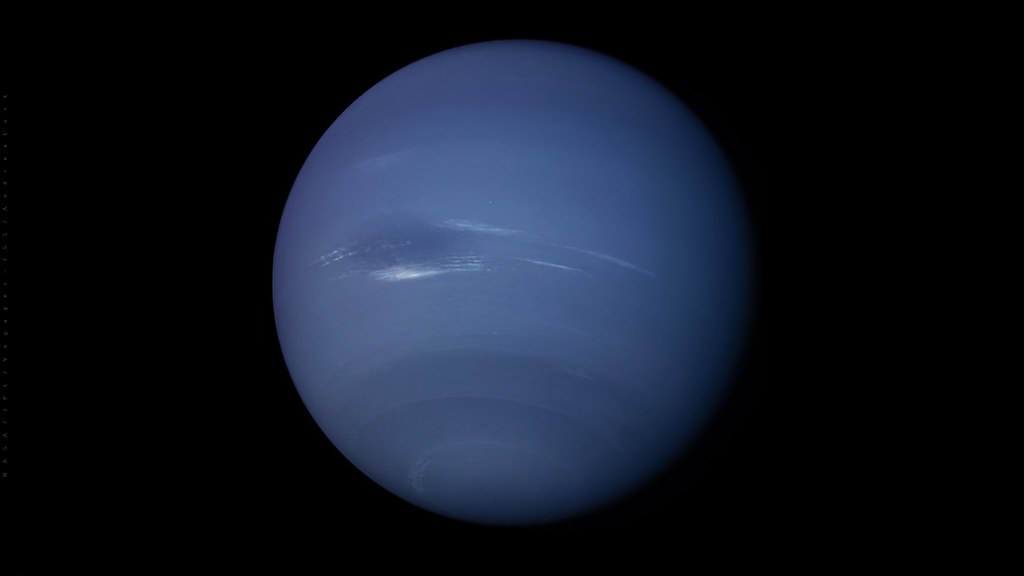
Despite getting only a tiny percentage of the sunlight Earth receives, Neptune has the fastest winds of any planet. Some winds exceed an insane 1,200 miles per hour! Such incredible gusts are faster than the speed of sound at sea level on Earth. These winds are matched by enormous dark storms that pop up across the planet’s blue atmosphere before disappearing just as swiftly. Researchers are still investigating how Neptune can generate such rapid winds despite its distance from the Sun.
6. Uranus: Seasons That Last More Than 20 Years
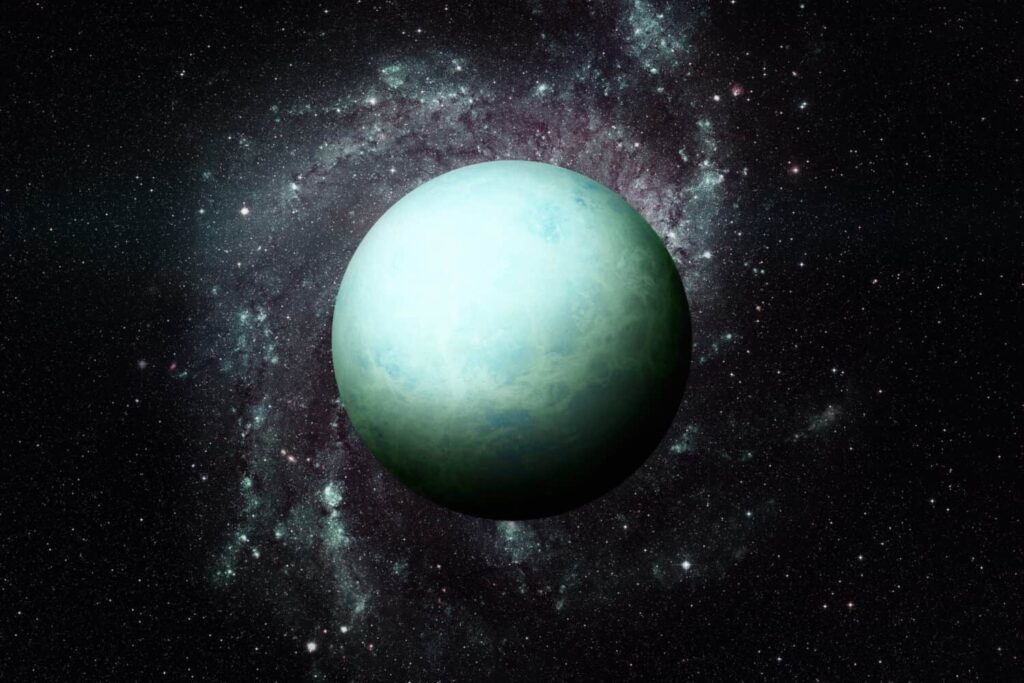
Uranus rotates almost completely on its side, giving it the most elongated seasons of any planet. The planet takes a whopping 84 years to move all the way around the Sun. Each pole experiences about 21 years of continuous sunlight before being plunged into about 21 years of darkness. These exceptionally long seasons drastically affect atmosphere and cloud activity. Uranus is unique when it comes to extremely slow-moving seasons.
7. Mercury: Temperature Swings of More Than 1,100°F
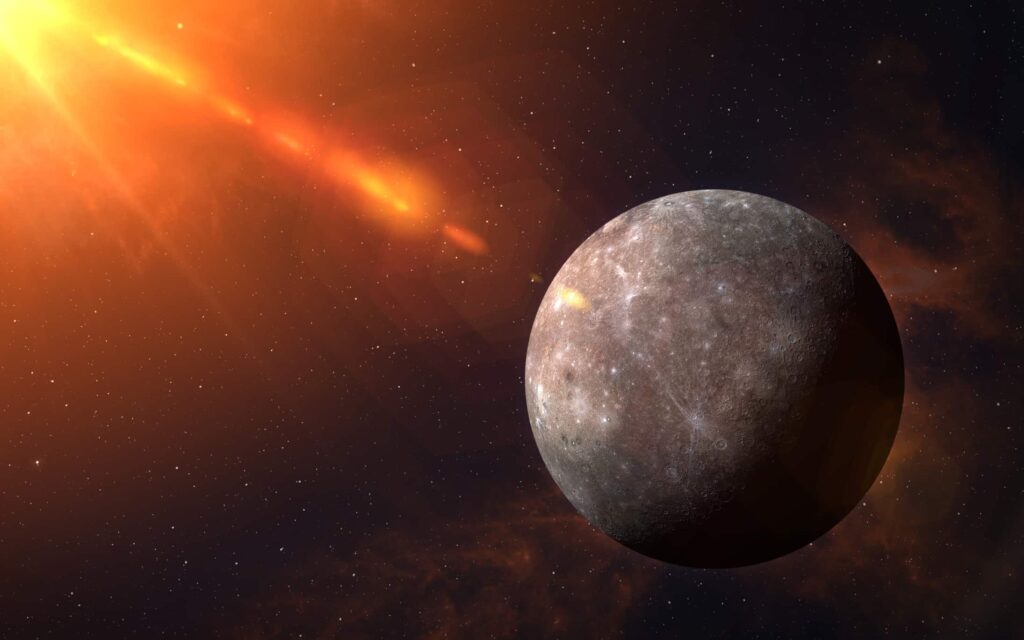
Mercury has almost no atmosphere to trap heat or distribute it around the planet. As a result, daytime temperatures can climb to about 800°F. These high temperatures are even more remarkable when compared to nighttime temperatures, which rapidly plummet to about -290°F. These vast temperature differences exceed 1,100°F, all occurring between day and night. No other planet experiences such dramatic temperature changes over the course of one rotation. The conditions on Mercury remind us just how crucial an atmosphere is for regulating climate.
8. Titan: Rain Made of Liquid Methane
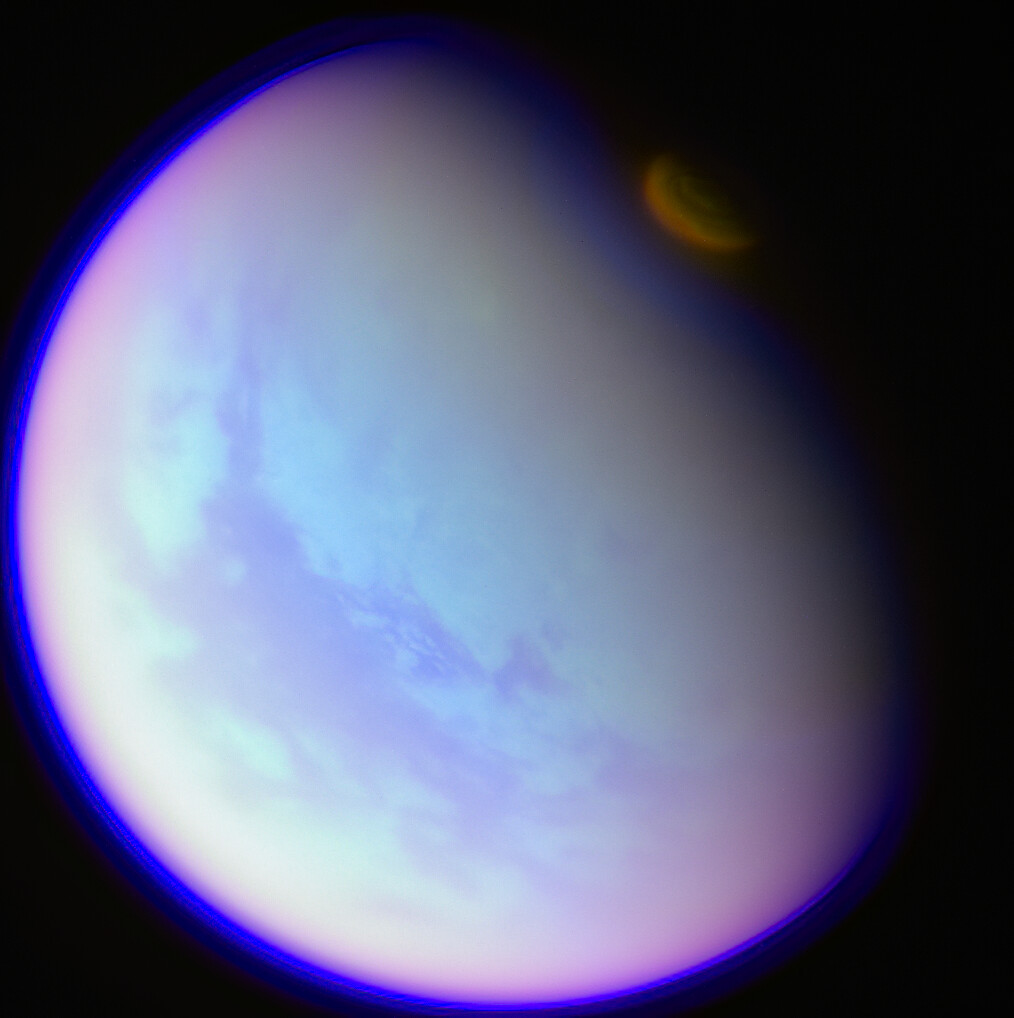
Saturn’s largest moon is known as Titan. Many people fail to realize that this unique moon is quite like Earth in one remarkable way: it hosts a large number of rivers and lakes. However, you wouldn’t want to take a dip on Titan, as these bodies of liquid are not composed of water. Instead, they are made up mainly of methane and ethane. Titan even experiences methane rain, complete with clouds and seasonal weather patterns. On the frigid moon, methane behaves like water on Earth.
9. Io: A Moon Covered with Volcanoes
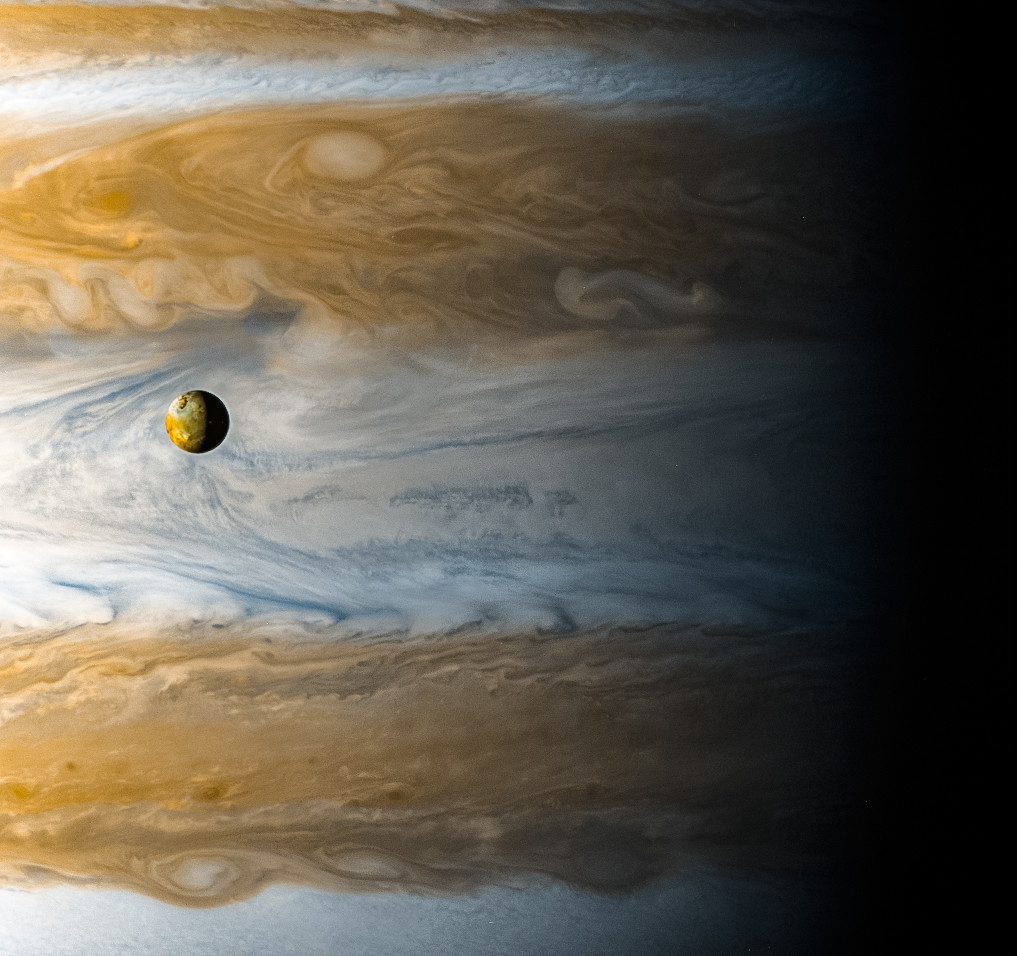
Jupiter’s moon Io is the most volcanically active world in the solar system. More than 400 volcanoes are active on Io. They continually alter and reshape the colorful landscape. Some massive eruptions blast material hundreds of miles into space! These eruptions are powered by tidal forces that are a direct result of Jupiter’s immense gravity. Oozing lava flows and high-reaching volcanic plumes are common sights on Jupiter’s Io. No other known world is home to such nonstop geological activity.
10. The Sun: Explosions That Can Reach Earth
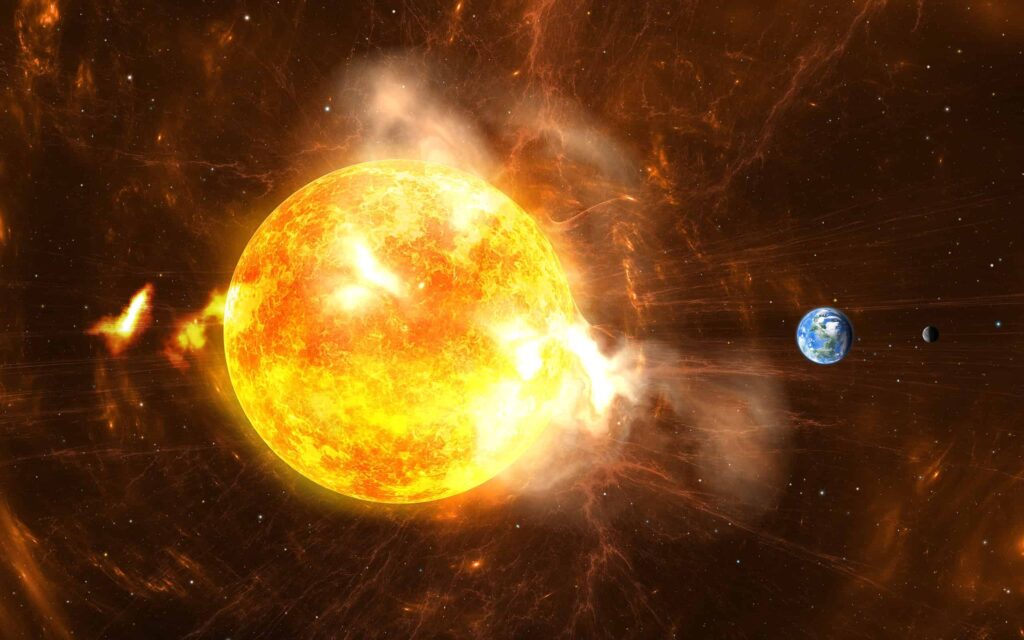
The most powerful weather in the solar system occurs not on one of the eight planets, but on the Sun itself. Massive solar flares, alongside events known as coronal mass ejections, shoot enormous amounts of energy and charged particles into space. When these events occur in the direction of Earth, satellites are disrupted, radio communications are stalled, GPS signals fail, and even electrical power grids are affected. Although we usually think of weather as something that happens in an atmosphere, our solar system’s most intense weather comes from the Sun. Fortunately, Earth’s magnetic field and stable atmosphere protect us from a great deal of the Sun’s harmful radiation. Despite this, powerful solar storms can still produce extraordinary auroras and interfere with modern technology.